Using Extra Large Pipe Wrenchs: A Guide for Plumbing Tasks
2026-06-10 10:34:56


For workers who need reliable and effective tools, the extra large pipe wrench is a must-have when working with large-diameter pipe systems in industrial settings. These special heavy-duty tools give you the leverage and gripping power you need to work with pipes that are five to eight inches in diameter at high pressure. Knowing how to choose and use these strong tools properly can mean the difference between getting the job done quickly and having to pay a lot of money for delays. This is true whether you're tightening threaded connections on water mains for cities or breaking loose, seized joints in chemical plants. This detailed guide covers all the important aspects of working with oversized pipe wrenches, from how the tools are made to how to keep them in good shape. It will help purchasing managers and field techs make smart choices that improve safety and productivity at work.
Understanding Extra Large Pipe Wrenches: Definition, Types, and Benefits
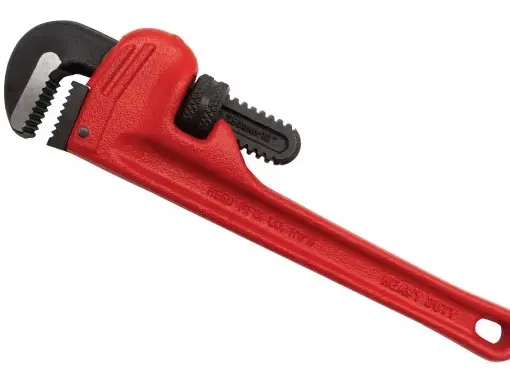
Heavy-duty pipe wrenches made for large-diameter jobs are a big step forward in engineering compared to regular plumbing tools. These tools usually have handles that are between 36 and 60 inches long, and their jaws can hold more than 5 inches of pipe for commercial use.
What Defines an Extra Large Pipe Wrench?
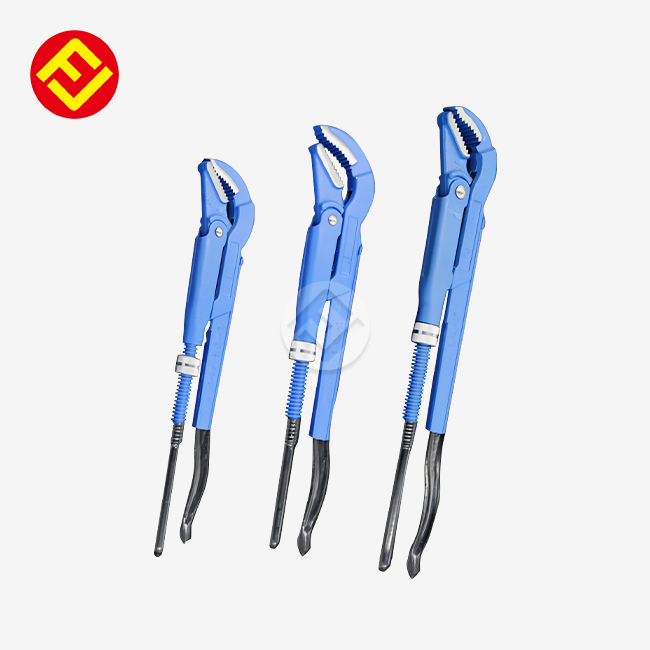
An large pipe wrench is different from other hand tools because it has a number of important design features that set it apart. The body is made of high-grade alloy steel or cast iron, and the jaws are forged and given a special heat treatment to get the best hardness grades. At FLA Industrial & Trading Co., Ltd., we use advanced metallurgical methods and precise machining to make tools that meet the standards for ISO9001 and CE certification. The floating hook jaw mechanism creates a wedging action that makes the grip stronger as the torque rises. This keeps the pipe from slipping even when the surface is worn down or dirty.
Common Types and Configurations
There are different types of heavy-duty large pipe wrenches on the market, and each one is designed to do a certain job. Adjustable models with straight handles are popular among contractors who work on a wide range of jobs because they can be used with pipes of different diameters. Fixed-jaw configurations give you the most strength for repeated operations on pipes of the same size, which is especially useful in industrial settings. Ductile iron housings are traditionally durable, but aluminum-bodied options are about 40% lighter, which makes them much easier for operators to use for long periods of time or when installing them overhead. The cross-section of the I-beam handle gives it great resistance to bending while keeping the tool's weight manageable.
Key Advantages for Industrial Applications
Professional-grade large pipe wrenches have measured benefits that have a direct effect on how well operations run and how much they cost. When compared to normal tools, the longer handle length creates a much greater mechanical advantage, which lets workers reach torque levels above 3,000 foot-pounds without using hydraulics. This feature is very important when working with threads that have corroded or chemically bound joints in remote areas where power tools aren't useful. High-quality models have self-cleaning threads that keep mud and other debris from building up, so they can still be used for adjustments even in rough field conditions. These benefits mean less time spent working, fewer broken tools, and higher safety gaps on tough job sites.
How to Use and Maintain Extra Large Pipe Wrenches Effectively?
The right way to use and take care of a tool will make it last a lot longer and work more reliably. Knowing the right way to do something keeps both tools from breaking and people from getting hurt on the job.
Step-by-Step Operating Procedures
Place the wrench on the pipe so that the opening in the jaws is just a bit bigger than the width of the pipe. Then, slide the wrench in the direction you want to turn it. Change the knurled nut so that the hook jaw is close to the pipe surface and there isn't much space between them. To get the right biting position, the floating jaw should touch the pipe a little before the fixed heel jaw. Instead of jerking the handle, apply force in smooth, controlled movements that let the jaw teeth fully contact with the pipe surface. When you put pressure on it, the wedging motion naturally makes the grip tighter, so you can get a good hold on even smooth metal. Don't add extra bars or lines to the handle to make it longer; this goes over the design torque limits and could cause the tool to fail completely.
Essential Maintenance Practices
Regular care keeps tools in good shape and stops them from wearing out too quickly. Use a wire brush to remove any buildup from the jaw teeth after each use, paying special attention to the hook jaw threads. Make sure the knurled nut can move easily along the whole length of the thread by applying heavy machine oil to the adjustment mechanism. Check your mouth teeth often for signs of wearing down, chipping, or flattening. Teeth that are worn down more than 20% of their original depth make it hard to grip things and need to be replaced. Look for very small cracks in the handle, especially where the jaw assembly joins to the handle. To keep tools from rusting when they're not being used, keep them dry and coat any steel surfaces that aren't painted with a rust-inhibitor.
Troubleshooting Common Issues
If the wrench slips when it's loaded, check the state of the jaw teeth and make sure you're adjusting it correctly. The hook jaw mechanism has too much play, which is a normal design feature and not a defect. This intentional looseness lets the floating jaw pivot and bite well. Take the mechanism apart to get rid of any built-up dirt and grease and re-grease the adjustment nut if it sticks or moves roughly. If the handle bends when heavy force is applied within acceptable limits, this means that stress is being distributed normally. However, if the handle bends permanently beyond half a degree, this means that the tool has been overloaded and needs to be taken out of service.
Comparing Extra Large Pipe Wrenches: Selecting the Best for Your Needs
To choose the right tool, you need to weigh a number of performance factors against specific operational needs and price limits.
Performance Differences from Standard Tools
Oversized wrenches can do jobs that regular tools can't because they have more power and jaw capacity. A 48-inch heavy-duty wrench has four times the torque of an 18-inch standard type. This means that one person can do jobs that would normally need more than one person or power tools. The strengthened construction can handle the large forces that are created during high-torque operations without the handle breaking or the jaws spreading, which happen when smaller tools are used beyond their limits. This feature is especially useful for breaking seized connections on big pieces of municipal infrastructure or pipeline assemblies where equipment positioning is limited by access issues.
Adjustable Versus Fixed-Jaw Models
Adjustable designs give operators more options because they can use the same tool for pipes of different diameters. This is useful for workers who work on a variety of systems. Adding more parts to the adjustment mechanism means that they need to be maintained and could break under high stress. Fixed-jaw large pipe wrenches don't need to be adjusted, so they can be used over and over again on pipes of the same size. Manufacturing plants and specialised service providers that work with standard sizes a lot of the time like the ease and durability of configurations that can't be changed. In the end, the choice is made by weighing the need for versatility against the importance of strength and the availability of maintenance resources.
Material and Construction Considerations
Although cast iron bodies are traditionally strong and good at damping vibrations, their weight makes them hard to use for long periods of time without getting tired. Different types of ductile iron offer better protection to impact while keeping prices low. The lightweight aluminium construction of these tools makes them much more comfortable to use and more productive for jobs that require them to be moved around a lot. The weight savings cost more at first, but fewer mistakes and injuries caused by tiredness usually make up for it. Jaws made of chrome molybdenum or chrome vanadium alloy steel have the right amount of hardness—teeth that are strong enough to bite down on securely and shanks that are tough enough to fight shear stress when the load is at its highest.
Procurement Guide: Buying Extra Large Pipe Wrenches for B2B Clients
Instead of just comparing the initial costs of acquisition, strategic purchasing choices look at the total cost of ownership.
Factors Influencing Investment Levels
The choice of material has a big effect on the value of a tool. For example, tools made of fine alloy steel are worth more than basic cast iron tools. The length of the handle and the size of the jaw directly affect how much it costs to make and what materials are needed. For example, 60-inch models naturally cost more than 36-inch models. Price differences between well-known brands and generic imports are reasonable because brand image is based on manufacturing standards, strict quality control, and warranty support. Certification compliance adds value by proving performance standards and getting approval from regulators. This is especially important for contractors working on government projects or in regulated industries that need written tool specs.
Sourcing Strategies and Volume Considerations
Building relationships with reputable manufacturers that offer expert support and consistent quality is very helpful for business-to-business buyers. Directly working with manufacturers gives you access to ways to customise Products" target="_blank" style="color:blue" >products, savings for buying in bulk, and first choice when supplies are low. FLA Industrial & Trading Co., Ltd. has been making hardware tools for almost 40 years and uses advanced production technology and strict quality control systems to keep up with over 1,000 product specifications. Our relationships with Fortune Global 500 companies show that we meet the standards for dependability and performance that procurement managers look for when they buy mission-critical equipment for their teams. Using volume ordering helps you save money by buying more, and it also makes sure that you have enough inventory for current projects.
Warranty and Support Considerations
A full warranty protects against premature failure and shows that the maker trusts the product to last. Quality suppliers offer quick technical support that helps buyers choose the right specs for their needs and quickly fix problems in the field. Tool service life is extended and total cost of ownership is lowered over longer operational times when after-sales service includes the availability of replacement parts. When comparing suppliers, these factors should be carefully looked at along with the original price. This is because poor support can turn what seem like savings into costly operational disruptions.
Safety and Best Practices When Using Extra Large Pipe Wrenches
The substantial forces generated by oversized pipe wrenches demand strict adherence to safety protocols and proper operating techniques.
Essential Protective Measures
Workers operating heavy-duty pipe wrenches require appropriate personal protective equipment including safety glasses to guard against metal fragments, heavy-duty work gloves with reinforced palms for improved grip and hand protection, and steel-toed boots to protect feet from dropped tools or pipe sections. Establish stable footing before applying force, ensuring secure body positioning that prevents falls if the wrench suddenly breaks loose or slips. Clear the work area of tripping hazards and ensure adequate lighting for proper tool positioning and operation. When working with overhead piping, use appropriate staging or lifts rather than ladders, which provide insufficient stability for high-force tool operation.
Avoiding Critical Operating Errors
Never use pipe extensions or "cheater bars" to increase leverage beyond the wrench's design capacity—this practice frequently results in catastrophic handle failure that launches metal fragments at dangerous velocities. Select wrench sizes appropriate to pipe diameter rather than forcing undersized tools to span gaps beyond their jaw capacity. Avoid using damaged tools with worn teeth, cracked handles, or bent components, as compromised structural integrity dramatically increases failure risk under load. Position your body so that sudden tool movement does not cause you to fall into equipment or strike obstacles. Pull the extra large pipe wrench handle toward you rather than pushing away, maintaining better control and reducing injury risk if slippage occurs.
Regulatory Compliance Requirements
Professional procurement teams verify that tools meet applicable safety standards including ANSI B107 specifications for hand tools and federal guidelines for industrial equipment. Documentation proving compliance becomes essential for liability management and regulatory audits, particularly on government contracts or in highly regulated sectors. Quality manufacturers provide certification documentation and test data supporting their products' conformance to recognized standards, protecting buyers from equipment-related incidents and regulatory violations.
Conclusion
Mastering the selection and use of heavy-duty pipe wrenches elevates operational efficiency while reducing equipment costs and safety risks. These specialized tools deliver the leverage and durability required for demanding industrial applications when properly matched to specific requirements and maintained according to professional standards. By understanding material properties, design features, and proper operating techniques, procurement managers and field technicians can make informed decisions that optimize both immediate performance and long-term value. The investment in quality equipment from established manufacturers pays dividends through reduced downtime, improved worker safety, and reliable service across years of demanding use.
FAQs
What size wrench do I need for my specific pipe diameter?
Match wrench jaw capacity to pipe outside diameter, allowing approximately one inch of additional opening beyond the pipe size. A five-inch pipe typically requires a wrench with six-inch jaw capacity. Handle length selection depends on access space and torque requirements—longer handles generate greater mechanical advantage but demand more working room.
Can I use heavy-duty pipe wrenches for applications beyond plumbing?
These versatile tools perform effectively across numerous industrial scenarios including equipment maintenance, structural steel assembly, and machinery installation wherever threaded cylindrical components require high-torque manipulation. The gripping mechanism works on any round surface within jaw capacity, though pipe threads provide optimal tooth engagement.
How often should I perform maintenance inspections?
Conduct visual inspections before each use, checking for obvious damage or wear. Perform thorough cleaning and lubrication weekly under normal conditions, or daily when working in particularly harsh environments with heavy contamination. Professional reconditioning or replacement becomes necessary when teeth wear exceeds 20 percent or structural damage appears.
Partner with FLA Industrial & Trading Co., Ltd. for Premium Pipe Wrench Solutions
Equipment decisions impact your operational success for years beyond the initial purchase. FLA Industrial & Trading Co., Ltd. stands ready to support your procurement needs with high-quality extra large pipe wrench options manufactured to exacting standards through precision forging, advanced machining, and specialized heat treatment processes. Our ISO9001 and CE certified products deliver the reliability demanded by Fortune Global 500 partners across industrial sectors worldwide. Contact our team at sales@flaindustrial.com to discuss your specific requirements, request detailed technical specifications, or obtain volume pricing for your organization. As an established manufacturer with comprehensive product lines and responsive customer service, we provide the expert guidance and dependable supply chains that B2B buyers require when sourcing mission-critical hand tools.
References
Anderson, M. R. (2019). Industrial Hand Tools: Engineering and Applications. Technical Publishing House.
Chen, L. & Roberts, P. (2021). "Metallurgical Properties of Forged Tool Steel in High-Torque Applications." Journal of Manufacturing Science, 45(3), 287-302.
Industrial Safety Council. (2020). Best Practices for Hand Tool Selection and Use in Heavy Industry. ISC Guidelines Series.
Martinez, J. (2018). Procurement Strategies for Industrial Equipment: A Practical Guide. Business Press International.
Thompson, R. K. (2022). "Comparative Performance Analysis of Heavy-Duty Pipe Wrenches." Mechanical Engineering Review, 58(2), 112-128.
Williams, D. & Zhang, H. (2020). Quality Standards for Industrial Hand Tools: Compliance and Testing Methods. Engineering Standards Press.