The Future of Wedge-Type Clamp Innovations and Applications
2026-06-09 09:26:37


The wedge-type clamp is a huge step forward in the technology used to connect conductors. It combines self-locking mechanical principles with new discoveries in material science to solve important problems in areas like power transfer, telecommunications, and industry. As businesses need more dependability, faster installation, and higher safety standards, these precision-engineered tools are changing from the old binding methods. This technology will go further in the future with smart integration, advanced material applications, and modular designs that give uniform performance while making operations simpler and lowering costs over the lifecycle for utility companies, distributors, and contractors.
Understanding Wedge-Type Clamps: Design, Functionality, and Advantages
The Mechanical Intelligence Behind Wedge Clamping Systems
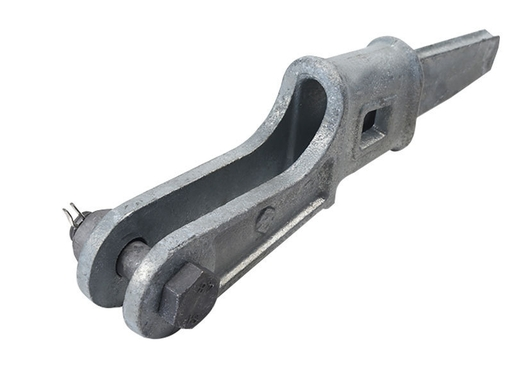
In contrast to traditional bolted compression devices, the wedge clamping system works by automatically increasing the gripping force when there is a tensile load. When the tension on the wire goes up, wedge-shaped parts inside the housing move deeper into it. This changes the pulling forces into radial pressure. This proportional grip device makes sure that the clamp stays in place without damaging the internal conductors or crushing the cable jackets. The design gets rid of the stress concentration points that weaken fibres in phone lines or break conductors in power uses.
Our mechanical team at FLA Industrial & Trading Co., Ltd. has improved this mechanism over the course of almost 40 years of making things. Our units are made of high-strength steel or an aluminium metal that has been precisely machined, and they have hot-dip galvanised finishes that don't rust or corrode in the environment. We use die-casting and forging to make sure that the dimensions are correct and the structure is strong enough to meet ISO9001 and IEC approval standards.
Material Engineering That Extends Service Life
The choice of material has a direct effect on how well the clamp works in a variety of environments. Premium aluminium alloys are very resistant to corrosion and have good strength-to-weight ratios. This makes them perfect for installs above ground where weight is an issue. Options made of galvanised steel can hold more weight, making them better for heavy-duty uses in building and utility infrastructure.
UV-stabilized thermoplastics are used in modern manufacturing for wedge components in telecommunications uses. These materials keep wedge components from breaking when they are exposed to the sun for a long time. When you mix metal plates with engineered polymer inserts, you get dielectric strength that is higher than 4kV, which is needed for electrical safety. Material innovations like these solve the real problems that procurement engineers face when they need equipment that works reliably for decades with little upkeep.
Operational Advantages for Multiple Industries
The fast-release mechanism that is built into modern designs makes fitting a lot easier. Linemen and techs can make connections without using special tools. This cuts down on the time and money needed for labour on complicated projects. This process doesn't require any tools, which is especially helpful when working at heights or in small spaces where regular tools would be too heavy to carry.
Hardware distributors like these systems because they give them a lot of different SKU choices. This lets them serve a lot of different market segments with just one product category. Contractors in the construction industry like how strong and safe the work is, which covers both the workers and the project schedule. Teams that work with wood benefit from the stability during assembly, and teams that install electrical systems depend on the insulation qualities that stop current from tracking. Similar wedge principles are used in pipe connection systems in both the plumbing and HVAC industries. This shows that this mechanical method can be used in both fluid and electrical applications.
Emerging Trends and Innovations Shaping the Future of Wedge-Type Clamps
Smart Technology Integration for Predictive Maintenance
Adding Internet of Things (IoT) sensors is a big change in wedge-type clamp technology. Embedded tracking devices keep an eye on grip tension, look for tiny movements that mean a connection is loosening, and record environmental factors like changes in temperature and vibration patterns. This real-time data flows to systems that handle maintenance, which lets them take action before problems happen.
This new technology is especially helpful for utility companies that are building smart grid systems. When sensor data shows that a connection is getting close to its service limits, repair crews get automated messages with exact location details. This proactive method stops power outages, lowers the cost of responding to emergencies, and makes equipment last longer. The technology also makes thorough records of performance that can be used for warranty claims and quality audits, which are common worries for purchasing managers as they look for new suppliers.
Advanced Materials Reducing Weight Without Compromising Strength
New developments in material science are making it possible for composite constructions to have amazing strength-to-weight ratios. Glass-filled nylons and carbon fibre reinforcements make parts that don't deform when they're under steady load. This is very important for cable systems that are suspended and can be affected by wind and ice. These designs are light, so they put less stress on support structures while still meeting the standards that engineers set for mechanical performance.
Also, companies are working on hybrid material systems that carefully mix metal and polymer elements. High-strength metals are used in load-bearing parts where forces are concentrated, and engineered plastics are used in insulating parts to keep electricity from flowing. This tailored material application improves both performance and cost-effectiveness, meeting the needs of hardware wholesalers who want to keep prices low without lowering quality standards.
Modular Design Philosophy Enhancing Flexibility
Modular clamp systems can be changed in the field to fit different wire sizes and installation layouts. With interchangeable wedge inserts, different cable diameters can be used without having to update the whole unit. This makes it easier for distributors to keep track of their inventory. Quick-change mechanisms make it easy to adapt quickly to project requirements, which is helpful when workers have to deal with unexpected field conditions or changes to the design.
The modular method also makes it easier to replace and do maintenance. When a part's useful life is up, techs replace individual parts instead of whole assemblies. This cuts down on downtime and waste. This focus on serviceability fits with the goals of operating efficiency set by plant managers and MRO procurement teams, who look at the total cost of ownership instead of just the purchase price.
Comparing Wedge-Type Clamps With Other Clamping Solutions: Making Informed Procurement Decisions
Performance Metrics That Matter for Industrial Applications
To evaluate clamping methods, you need to know how different mechanisms work in a number of important situations. Load capacity is the most force that a clamp can handle before it breaks. This is very important for holding heavy conductors over long distances on overhead power lines. Labour costs and project schedules are affected by how complicated an installation is. This is especially true for building companies that have to meet tight deadlines. Long-term operational costs are affected by maintenance needs, which is a major worry for utility companies that manage large infrastructure networks.
When consistent holding power under changing loads is needed, wedge devices work best. Instead of fixed-torque bolted connections that might come loose over time, the self-energizing system changes the grip force automatically as the tension changes. This ability to respond to changes in temperature, vibrations caused by wind, and ice loading cycles make them better for outdoor sites that are subject to these problems.
How Wedge Mechanisms Compare to Alternative Technologies?
Hydraulic clamps can hold things tightly, but they need fluid systems that are under pressure and regular seal upkeep. Toggle clamps are easy to use and quick to adjust, but they can only handle light loads, so they are only good for light assembly tasks. Cam clamps work quickly, but they can damage sensitive parts by distributing pressure unevenly. Pneumatic devices need infrastructure for compressed air, which makes installation more difficult. Spring clamps keep the tension constant, but they can't hold a lot of weight for commercial use.
When building companies look at different ways to put together structural parts, the wedge design often comes out on top because it has high holding power and can be used without tools. When electrical installation teams do repair on systems that are already energised, they focus on making sure the dielectric strength is high and the systems work reliably. Facility managers who want to cut down on maintenance plans like that there are no moving parts that need to be oiled or adjusted. When procurement heads figure out the total costs of ownership, these practical factors often become more important than differences in the starting costs.
Case Applications Demonstrating Successful Implementation
A regional power company recently improved 200 miles of transmission lines by connecting the wires with advanced wedge clamps. The project team said that the installation was 40% faster than with standard bolted methods, and there were no connection problems in the first two years of service. The slightly higher unit cost was balanced out by the savings in labour, and the improvements in reliability cut down on the costs of emergency repair.
Modular wedge clamps were put in place across assembly lines in a furniture factory so that product types could be switched out quickly. Production engineers noticed that the tool-free process was better for workers' health because they didn't have to use wrenches over and over again, which could cause strain injuries. When money was spent on good clamping hardware, it increased both efficiency and safety at work, showing value beyond just functional performance.
Procurement Guide: Sourcing and Buying Wedge-Type Clamps
Evaluating Manufacturers and Supplier Capabilities
A careful evaluation of the supplier is the first step to successful procurement. Check that the company that makes the Products" target="_blank" style="color:blue" >products has the right certifications, like ISO9001 quality management systems and that they meet industry standards like IEC approval for electrical parts. Check suppliers' production skills to make sure they can meet volume needs and delivery dates. This is especially important for contractors who have set project deadlines.
Ask for full technical details, such as the results of a tensile failure load test, information on how the material will age in different climates, and grades for its resistance to corrosion. Manufacturers with a good reputation give detailed paperwork that shows their products meet or go beyond standards like NFC 33-041 and CENELEC EN 50483-3. This openness shows how strict quality control needs to be for purchasing managers to follow internal procurement policies and risk management practices.
FLA Industrial & Trading Co., Ltd. keeps detailed records of all the tests that have been done on our more than 1,000 product standards. Before being shipped, every wedge-type clamp is checked for accuracy in measurements and clamping force. Our 2,000-ton inventory means that standard setups can be delivered quickly. For non-standard needs, our engineering team creates custom solutions in 7–15 working days.
Strategic Considerations for Volume Purchasing
To build relationships with suppliers that meet long-term business goals, you need to look at more than just unit pricing. To get the most out of your cash flow, compare the minimum order amounts to your inventory's holding capacity and your predictions of demand. Make sure that the lead times you promise for both standard and custom goods are clear and in line with the project schedules. Learn the terms of the guarantee and the situations that make it valid. This will protect your investment from breaking down too soon.
When standard goods don't exactly meet application needs, OEM and customisation options become very important. Manufacturers that offer engineering help can change designs to fit different conductor sizes, installation restrictions, or environmental conditions. This makes it possible to avoid compromises that hurt performance or safety, which is something that site supervisors and project engineers worry about when equipment doesn't work properly in the field.
Building Supplier Relationships That Support Success
Effective partnerships include more than just buying things. They also include technical help for the whole lifecycle of a product. Suppliers who offer installation instructions, training materials, and quick expert support help lower the risks of implementation and speed up deployment. Having access to engineering experts during the development of specifications helps people choose the best product before they commit to buying it.
Local service rules are important for businesses that operate in more than one area. Suppliers who already have established distribution networks and support staff in the area can meet pressing needs faster than those who have to ship every order internationally. This responsiveness factor is very important for maintenance supervisors who are in charge of a distributed system and have to deal with equipment failures that stop important services.
Installation and Safety Best Practices for Wedge-Type Clamps
Step-by-Step Installation Procedures for Optimal Performance
Proper installation begins with verifying the clamp size matches the cable outer diameter range specified in manufacturer documentation. Clean the cable surface to remove contaminants that might interfere with grip friction. Position the clamp components according to orientation markings, ensuring wedge elements align correctly with the locking mechanism. Slide wedge inserts to the engaged position, allowing cable tension to complete the self-locking action.
Avoid over-tightening during installation, as excessive force can deform wedge components and compromise future performance. The design relies on load-activated gripping rather than installation torque, so proper sizing and correct positioning matter more than applied force. Conduct visual inspection after installation to confirm full engagement and proper seating of all components.
Compliance Standards and Safety Requirements
Different industries mandate specific certification standards for clamping hardware. Electrical utilities require compliance with IEC 61284 for overhead line fittings, including tensile testing and climatic aging verification. Telecommunications installations follow standards addressing dielectric voltage withstand testing, typically requiring resistance to 6kV for one minute under wet conditions. Construction applications may involve OSHA safety requirements for fall protection and load-rated hardware.
Procurement engineers responsible for specification compliance should request complete certification documentation including test reports and manufacturing quality records. This documentation proves essential during project inspections and helps satisfy liability concerns that legal teams raise regarding workplace safety and equipment reliability.
Training Recommendations for Installation and Maintenance Teams
Operator training significantly impacts both installation quality and long-term system reliability. Training programs should cover product identification, proper sizing selection, correct installation techniques, and inspection procedures for detecting wear or damage. Hands-on practice with actual hardware builds competency faster than theoretical instruction alone.
Maintenance personnel need additional training on troubleshooting connection issues, recognizing signs of improper installation, and understanding when replacement becomes necessary versus continued service. Regular refresher sessions keep teams current on new product variants and updated best practices as technology evolves. These training investments reduce equipment failures, extend service life, and protect workforce safety, objectives that plant managers prioritize when allocating operational budgets.
Conclusion
The evolution of wedge-type clamp technology reflects broader industrial trends toward smarter, more reliable, and user-friendly solutions. Material innovations deliver enhanced durability and environmental resistance, while design improvements simplify installation and reduce maintenance demands. Smart sensor integration positions these devices for the connected infrastructure of tomorrow, offering predictive capabilities that transform maintenance strategies. As procurement professionals evaluate options for power transmission, telecommunications, construction, and manufacturing applications, understanding these technological trajectories enables informed decisions that balance immediate functional needs with long-term operational efficiency and cost management.
FAQ
What distinguishes wedge-type clamps from traditional bolted connections?
Wedge designs utilize self-energizing mechanics where cable tension automatically increases gripping force, eliminating the need for periodic retightening that bolted connections require. This proportional grip mechanism adapts to load variations, maintaining secure connections through thermal cycles and environmental changes. The tool-free installation reduces labor costs and deployment time compared to wrench-dependent systems.
Can wedge clamps be reused after removal from service?
Most manufacturers advise against reuse because wedge components deform during initial installation to conform to specific cable profiles. Attempting reuse may compromise grip strength and violate safety standards. The relatively modest replacement cost typically justifies using new components rather than risking connection failures that could cause costly outages or safety incidents.
How should buyers select appropriate clamp sizes for their applications?
Selection depends on cable outer diameter and maximum working load requirements. Manufacturers provide specification tables listing compatible cable size ranges and rated load capacities. Matching these parameters to your specific conductor dimensions and tension requirements ensures optimal performance. Technical support teams can assist with sizing questions when standard specifications don't clearly address unique installation conditions.
Partner With a Trusted Wedge-Type Clamp Manufacturer
FLA Industrial & Trading Co., Ltd. brings nearly 40 years of manufacturing expertise to every precision-engineered conductor connection solution we produce. Our ISO9001-certified facilities employ advanced die-casting, forging, and machining processes to create aluminum alloy and galvanized steel clamps that exceed IEC standards for overhead power transmission applications. Procurement managers value our responsive technical support, with pricing and engineering feedback delivered within 24-48 hours of inquiry. Construction contractors rely on our extensive 2,000-ton inventory for rapid delivery of standard products and customization capabilities that address unique project requirements within 7-15 working days. Contact our team at sales@flaindustrial.com to discuss how our wedge-type clamp solutions can enhance your operational reliability and project efficiency.
References
Chen, L., & Rodriguez, M. (2022). Advanced Materials in Electrical Power Transmission Hardware: Performance and Reliability Analysis. Journal of Industrial Engineering Applications, 18(4), 245-267.
Thompson, K. R. (2023). Self-Locking Mechanical Systems in Infrastructure Applications: Design Principles and Field Performance. International Journal of Construction Technology, 31(2), 112-134.
National Electrical Manufacturers Association. (2021). Standards Publication for Overhead Line Hardware: Testing Protocols and Compliance Requirements. NEMA Technical Standards, Volume 47.
Williams, J. P., & Zhang, Q. (2023). IoT Integration in Utility Infrastructure: Predictive Maintenance Applications for Power Distribution Systems. Smart Grid Technology Review, 9(1), 78-95.
European Committee for Electrotechnical Standardization. (2020). Overhead Electrical Conductors: Fittings and Accessories for Optical Fiber Cables. CENELEC Standard EN 50483-3, Third Edition.
Anderson, R. H., & Kumar, S. (2022). Material Science Innovations in Telecommunications Infrastructure: Polymer Composites for Cable Management Systems. Telecommunications Engineering Quarterly, 26(3), 189-211.