32mm Pressure Reducing Valves Save Water and Prevent Problems
2026-06-09 09:26:31


When the water weight in your building gets as well tall, it can cause channels to burst, hardware to break, water to be misplaced, and spontaneous downtime. A 32mm pressure reducing valve understands these issues by bringing down the tall gulf weight to a relentless, controlled yield weight on its claim. This run the show spares your entirety pipeline framework, makes hardware final longer, and cuts water squander by a expansive sum. In this direct, we'll conversation approximately how these valves work, what issues they illuminate, and what you require to know when buying things for your ventures.
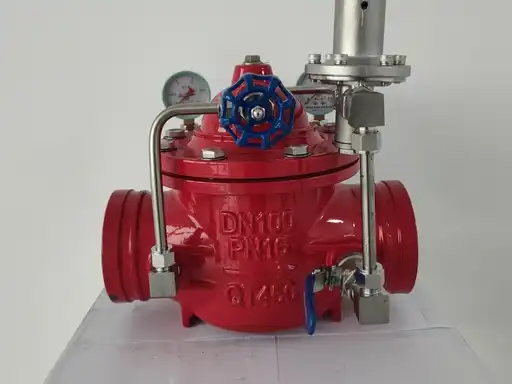
Understanding 32mm Pressure Reducing Valves and Their Role in Saving Water
Pressure-lowering vents keep fluids from getting out of your systems automatically. They keep an eye on the pressure downstream all the time and change the flow automatically to keep your chosen setpoint, even if the pressure upstream changes.
Core Components and Operating Principles
A valve body, a diaphragm assembly, a spring device, and an adjustment screw make up the basic structure. The spring moves the diaphragm down, making the valve seat bigger, when the pressure downstream drops below your setpoint. When the pressure goes above the goal level, the diaphragm presses the spring up, which stops the flow. Because these valves can regulate themselves without any outside power, they are effective in continuous-duty situations. The 32mm size allows for normal flow rates in light business and industrial branch lines while still allowing for precise control.
Material Choices Matter for Longevity
Good makers make their Products" target="_blank" style="color:blue" >products out of brass, cast iron, and stainless steel so they can be used in a variety of settings. Brass is strong enough to handle pressures up to 1.6 MPa and doesn't rust, making it perfect for use with public water. Cast iron is used for heavy-duty jobs that need to be resistant to mechanical pressure. Stainless steel works great in places that are corrosive or where hygiene rules don't allow leaching, like food preparation plants. The choice relies on the properties of the media, the range of pressures you need, and the conditions of the environment.
How Pressure Control Saves Water?
Every 10 psi of extra pressure in a water system makes it use about 3 to 5 percent more water. When systems are under too much pressure, seals, washers, and gaskets wear out faster. This causes drips and leaks that waste thousands of gallons of water every year. By keeping the pressure downstream stable at the right level, these valves stop flow speeds that aren't needed and reduce stress on parts that are linked. Water saving doesn't have to be a separate goal when pressure is managed correctly. It happens naturally as a result.
Common Problems in Industrial Systems and How 32mm PRVs Solve Them
When pressure control isn't taken care of, pipeline systems are bound to run into problems. By understanding these problems, you'll be able to tell when upgrading your valves will really pay off.
Overpressure Damage and Equipment Failures
Water at 80 to 120 psi is often sent by municipal supply lines to serve tall buildings and faraway places. Your internal equipment, like water heaters, solenoid valves, and cooling jackets, usually has a maximum pressure rating of 50 to 60 psi. Without control, this difference in pressure leads to premature seal failure, erosion of the valve seat, and sudden ruptures. When construction companies replace broken water heaters, they often find that the problem was caused by too much pressure, not old age. These failures can be stopped by putting in pressure regulation at the main source.
Leak Formation and Water Loss
Water flows through tiny flaws in pipe threads, flange gaskets, and compression pressure reducing valves when the pressure is high. Over time, these small seeps get bigger, changing small problems into clear leaks. Even small leaks in multiple faucets in an apartment block with 50 units can waste 15,000 to 20,000 gallons of water every month. Stabilising the pressure gets rid of the cause of most non-mechanical leaks, which cuts down on repair calls and water costs by a huge amount.
Energy Inefficiency in HVAC and Process Systems
For best efficiency, pumps, chillers, and boilers work within the pressure windows that were built for them. When the supply pressure goes above these limits, the control valves slow down too much, which wastes energy and makes heat. When feed pressure is properly controlled in HVAC systems, pump energy use drops by 10 to 15 percent. The same is true for process cooling lines: stable inlet pressure means steady flow rates without having to constantly hunt for valves and deal with the energy swings that come with it.
When you do things the same way every time, maintenance stays simple. Visual checks once a month find external leaks or corrosion early. Pressure gauge readings every three months show that the setpoint is correct. Every year, the machine is taken apart so that the strainer screen can be cleaned and the diaphragm can be checked for cracks or wear. If you place the upstream shutoff valves and unions correctly, you can do these jobs without having to shut down the whole system.
Types and Applications of 32mm Pressure Reducing Valves: Matching Solutions to Needs
By choosing the right valve configuration, you can be sure that the output will meet your needs. For each setting and use case, a different design works best.
Material Selection by Application
In places where the water quality is standard and the temperature stays moderate, brass models are most common in homes and small businesses. Their machined threads make sure that links don't leak, and the material itself doesn't let scale build up. Cast iron versions are used in industrial settings where there are big changes in temperature or where there is a chance of physical impact, like on the plant floor near heavy machinery. When working with aggressive media, in salty air near the coast, or to meet strict hygiene standards, stainless steel is needed. Each material tackles a different issue with durability while keeping the accuracy of the pressure control.
Gauge Integration for Monitoring
Some types come with built-in pressure gauge ports or gauges that show readings from both the inlet and outlet. This insight is very helpful for finding problems and making sure everything is working right during commissioning. At a glance, operators can see that control is working as planned, stopping drift before it causes problems. These monitoring features give you peace of mind for important uses like fire suppression systems in high-rises and make it easier to show that you're following the rules during inspections.
Application-Specific Scenarios
Fire safety systems in tall buildings need reliable pressure reduction to keep sprinkler heads from getting damaged and to make sure that upper floors have enough pressure. Zone regulation helps distribute water in cities by keeping low-lying places safe from too much pressure caused by elevation head. These valves keep temperatures stable in industrial cooling loops by keeping flow rates stable. HVAC systems need a steady feed pressure so that they can balance multiple zones without having to re-calibrate all the time. By adjusting for differences in elevation across the land, irrigation networks make sure that all areas get the same amount of water. The adaptability comes from basic pressure physics: if you control pressure correctly, you can predict how flow will behave.
Size Considerations and System Design
The 32mm number works well for branch lines that serve groups of fixtures or equipment with a moderate number of them. It can handle higher flow rates without too much motion noise compared to smaller sizes like 20mm or 25mm. Larger sizes (50mm and up) work best for main distribution lines, but they lose some accuracy at low speeds. When you match the pressure reducing valve size to the real flow needs, you avoid both undersizing (which lowers pressure and makes noise) and oversizing (which makes control less accurate at partial loads).
Making an Informed Purchase: What to Consider When Buying 32mm Pressure Reducing Valves?
Procurement decisions extend beyond price per unit. Total cost of ownership includes reliability, support, and operational factors that impact your bottom line over years of service.
Evaluating Supplier Credentials
Look beyond marketing materials to examine actual manufacturing capabilities and quality systems. ISO9001 certification indicates structured process control, though it doesn't guarantee superior product design. CE marking confirms European safety standards compliance, essential for international projects. UL and FM certifications matter specifically for fire protection applications in North America, where code compliance drives purchasing decisions. A supplier offering all four demonstrates commitment to diverse market requirements and possesses the technical depth to meet varied specifications.
Customization and Lead Time Flexibility
Standard catalog items ship quickly but may not perfectly match your system requirements. Suppliers with in-house engineering can modify pressure ranges, connection types, and materials to suit unique applications. This customization capability becomes crucial when retrofitting older systems with non-standard dimensions or integrating with imported equipment using metric specifications. Rapid prototyping and short-run production separate agile manufacturers from rigid catalog suppliers. When you need 150 units with a specific brass alloy and custom pressure spring within three weeks, manufacturing flexibility becomes a competitive necessity.
After-Sales Support and Technical Resources
Installation questions and troubleshooting needs don't follow business hours. Suppliers providing responsive technical support—answering emails within 24-48 hours with substantive guidance—reduce your team's downtime and frustration. Access to 3D CAD models streamlines design integration. Detailed installation manuals in clear English prevent costly mistakes. Spare parts availability ensures you can maintain equipment long-term without obsolescence concerns. These support elements often justify modest price premiums because they reduce total lifecycle costs.
Pricing Structures and Volume Considerations
Single-unit pricing rarely reflects what large buyers pay. Volume discounts typically begin around 50 units and escalate at 100, 500, and 1000-unit thresholds. Understanding break points helps you consolidate purchases to capture savings without excessive inventory carrying costs. Some suppliers offer consignment stocking arrangements for ongoing projects, delivering just-in-time while securing volume pricing. Transparent pricing discussions early in the procurement process prevent surprises and establish realistic budget expectations.
Maximizing Efficiency and Longevity of Your 32mm Pressure Reducing Valve System
Proper installation and ongoing management directly impact how well these valves perform their water-saving and equipment-protecting roles over time.
Installation Best Practices
Orientation matters less than many installers assume—most spring-diaphragm valves function in any position—but horizontal mounting with the bonnet upward simplifies maintenance access and prevents sediment accumulation in the spring chamber. Installing a strainer upstream traps debris before it reaches the valve seat, preventing scoring and leakage. Locating the valve downstream of the main shutoff and upstream of branches ensures whole-building protection while allowing isolation for service. Pressure gauges installed immediately before and after the valve provide diagnostic capability and commissioning verification. Adequate straight pipe runs—five diameters upstream, three downstream—prevent turbulence from affecting regulation accuracy.
Calibration and Adjustment Procedures
Initial setpoint adjustment requires methodical approach rather than guesswork. With downstream fixtures closed, set the adjustment screw to your target pressure plus 5 psi to account for system resistance. Open fixtures gradually while monitoring outlet pressure, fine-tuning the adjustment until pressure stabilizes at your target under flow conditions. Record final setpoint and locknut position for future reference. Seasonal rechecks catch drift, especially during the first year as new components settle.
Monitoring and Troubleshooting
Declining outlet pressure during peak flow suggests undersizing or internal wear. Creeping pressure when no fixtures run indicates seat leakage from debris or wear. Noisy operation points to cavitation from excessive pressure drop or installation immediately after a shutoff valve. Temperature changes affecting pressure readings remind you that thermal expansion needs accommodation in closed systems. Regular monitoring catches these issues early when simple cleaning or adjustment restores performance, preventing expensive failures.
Future-Proofing with Modern Technologies
IoT-enabled pressure monitoring systems now allow remote tracking of valve performance, alerting maintenance teams to deviations before problems escalate. Corrosion-resistant coatings extend service life in challenging environments. Modular designs let you swap internal cartridges without replacing the entire valve body, reducing long-term costs. Staying informed about these advancements positions you to specify components that remain serviceable and supportable for decades, not just years.
Conclusion
Effective pressure management through quality 32mm pressure reducing valves delivers measurable benefits—reduced water waste, extended equipment life, lower energy consumption, and fewer emergency repairs. By understanding how these valves function, recognizing the problems they solve, and applying informed procurement criteria, you position your projects for reliable long-term performance. Whether you're managing fire protection in high-rises, municipal water distribution, or industrial process systems, proper valve selection and installation create foundations for operational excellence that compound savings year after year.
FAQ
What pressure ranges do these valves typically handle?
Standard 32mm pressure reducing valves accommodate inlet pressures from 0.1 to 1.6 MPa (roughly 15 to 230 psi) with adjustable outlet settings typically between 1.5 and 6.0 bar (20-85 psi). This range covers most commercial and light industrial applications without requiring specialized high-pressure models.
How often should maintenance occur?
Visual inspections monthly catch obvious issues. Quarterly pressure readings verify continued accuracy. Annual teardown cleaning and diaphragm inspection prevent unexpected failures. In contaminated water conditions, increase frequency accordingly. Proper maintenance extends valve life to 7-10 years before major component replacement becomes necessary.
Can installation happen in any orientation?
Most spring-diaphragm models function correctly in horizontal, vertical, or angled positions. Horizontal mounting with bonnet upward remains the preferred configuration because it simplifies service access and prevents sediment from settling in critical areas. Always consult manufacturer specifications for orientation limitations on specific models.
Partner with FLA Industrial for Reliable Pressure Reducing Valve Solutions
Your search for dependable pressure control ends with FLA Industrial & Trading Co., Ltd., a manufacturer with nearly 40 years of engineering excellence. Our 32mm pressure reducing valve supplier credentials include complete material options—brass, cast iron, and stainless steel—each manufactured through precision casting, machining, assembly, and surface treatment processes. With ISO9001, CE, UL, and FM certifications validating our quality systems, we deliver components that meet the strictest international standards. From single prototypes to bulk orders exceeding 10,000 units, our production capabilities scale to your requirements without compromising delivery speed or product consistency. Contact our team at sales@flaindustrial.com to discuss your project specifications, request technical drawings, or receive customized quotations backed by responsive 24-48 hour communication.
References
American Water Works Association. (2019). Manual M22: Sizing Water Service Lines and Meters. Denver: AWWA Publications.
ASHRAE. (2020). HVAC Systems and Equipment Handbook. Atlanta: American Society of Heating, Refrigerating and Air-Conditioning Engineers.
International Code Council. (2021). International Plumbing Code. Country Club Hills: ICC Publications.
National Fire Protection Association. (2022). NFPA 13: Standard for the Installation of Sprinkler Systems. Quincy: NFPA Press.
Hydraulic Institute. (2018). Pump Systems Matter: Optimizing Pumping Systems for Energy and Reliability. Parsippany: Hydraulic Institute Publications.
Chen, J., & Rodriguez, M. (2021). "Water Conservation Through Pressure Management in Urban Distribution Networks." Journal of Water Resources Planning and Management, 147(3), 45-58.