Extra Large Pipe Wrenchs for Extra Large Jobs
2026-06-09 09:26:25


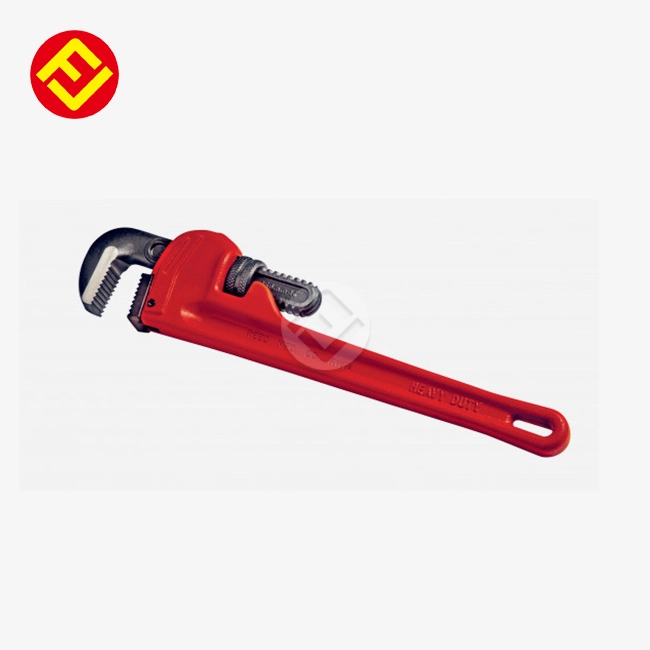
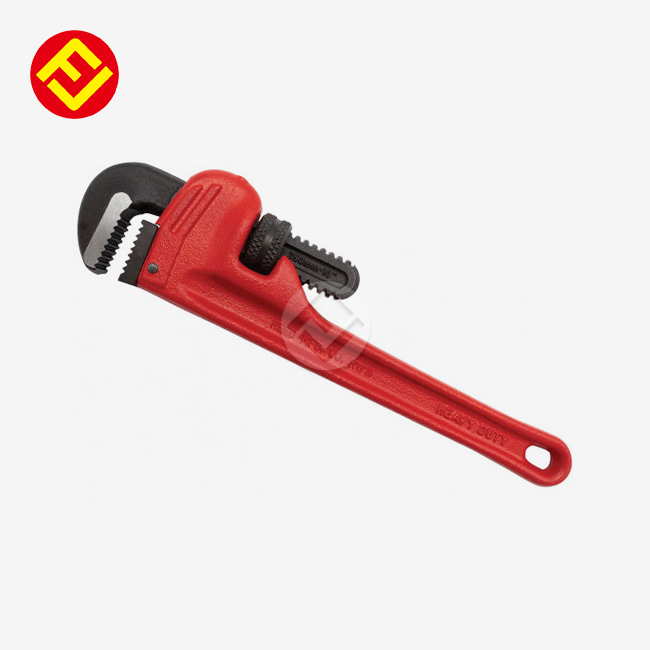
An extra large pipe wrench is a must-have for industrial settings where pipes are too big to handle. These heavy-duty tools have the mechanical advantage to turn pipes with big threads, break connections that won't move because of rust or chemical buildup, and do high-torque tasks that regular wrenches can't do. These strong tools are used by professionals in the building, oil and gas, and municipal infrastructure industries to keep things running smoothly and safely. It's not enough to just choose the right size heavy-duty wrench. You also need to know about the material quality, jaw capacity, torque rates, and application-specific needs to make sure your investment lasts and works well in the field.
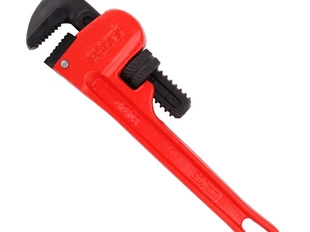
Understanding Extra Large Pipe Wrenches: Features, Sizes, and Uses
Industrial-grade wrenches are made with the goal of transferring force as efficiently as possible while lowering the risk of tool failure. Unlike regular models found in home toolboxes, these expert instruments are made to withstand forces of more than 3,000 foot-pounds without permanently deforming. By knowing these differences, buying teams can match the specs of tools to the tough conditions on the job site.
Construction Materials and Engineering Standards
Multiple material technologies are used together in modern manufacturing to get the best performance qualities. Most of the time, ductile iron or an industrial-grade aluminium alloy is used to make the handle housing. Aluminium options are about 40% lighter than standard cast iron construction. This weight savings makes operators much less tired during setups above head or long periods of use. At the same time, the jaw parts are forged from Chrome Molybdenum or Chrome Vanadium alloy steel that has been toughened. This gives them great strength-to-weight ratios.
Heat treatment methods are very important to how well the final tool works. The hook and heel jaws are heated in different ways, so the teeth surfaces get Rockwell Hardness levels between 55 and 60 HRC so they can bite into steel pipes well. The shank sections, on the other hand, stay at 40 to 45 HRC so they can handle shear stress during high-leverage activities. Modern companies use I-beam handle cross-sections that make them less likely to bend, and self-cleaning thread designs keep mud from building up during labour. Following government guidelines like GGG-W-651 Type II Class A and ANSI B107 standards is a sure way to make sure that the quality and durability of something.
Size Ranges and Jaw Capacities
The handles on professional models usually range from 36 to 60 inches, and the jaws can open anywhere from 5 to 8 inches or more. These measurements directly relate to the largest pipe lengths that the tool can hold. The floating hook jaw mechanism makes a wedge-like action that gets stronger as the torque goes up. This keeps the big pipes from slipping on weathered or muddy surfaces. Knowing these levels of capacity helps teams choose the right tools for the different sizes of pipes they often work with.
Industrial Applications Across Sectors
Heavy-duty tools are essential in a number of tough settings, including:
Oil and Gas Operations: The floors of drilling rigs need tools that can connect and disconnect drill strings, collars and big surface casings. The large pipe wrench has to work consistently in places that are dirty with drilling mud, salt spray, and big changes in temperature while still being able to hold pipes that are bigger than 6 inches in diameter.
Municipal Infrastructure Projects: To install or fix large-diameter cast iron or ductile iron water mains quickly, you need tools that give you enough leverage to turn heavy valves and threaded couplings in a muddy, wet ditch. It's important to be able to safely apply a lot of force by hand when hydraulic tools aren't an option.
In chemical processing and mining, maintenance teams that work with slurry transport lines and hydraulic parts have to deal with joints that won't move because of corrosion. These professionals need tools that can give a lot of torque in places where explosions are likely to happen and where power tools might not be allowed because of spark risks or lack of access.
When buyers understand these use cases, they can decide whether normal industrial tools or heavy-duty models will better meet their needs.
How to Choose the Right Extra Large Pipe Wrench for Your Business Needs?
When making choices about purchases, you need to carefully look at a lot of technical and operational factors. Choosing the right tools affects not only getting the job done right away, but also how much it costs in the long run, how safe the workers are, and how much upkeep costs.
Assessing Job-Specific Requirements
Start by making a list of the most common pipe sizes, materials, and connection types that you use in your work. When it comes to grip, galvanised steel pipes need different qualities than PVC or malleable iron. Keeping track of the biggest and smallest sizes helps narrow down the ranges of jaw capacities that are suitable. Think about how often high-torque operations happen. Daily heavy use calls for high-end models with better wear resistance, while occasional use may allow for cheaper choices without sacrificing important safety margins.
Comparing Wrench Types and Design Variations
When deciding between aluminium and ductile iron building, you have to think about both cost and weight. When workers are lifting heavy things for long periods of time or moving tools around big construction sites, aluminium models keep them from getting tired. They do, however, usually come with higher prices. Ductile iron types have been shown to last a long time and be cost-effective, which makes them the best choice for buying in bulk in building settings where weight isn't as important.
Adjustable jaw systems let you work with pipes of different sizes, so you don't have to carry around a bunch of different fixed-size tools. The moving hook jaw design, which may feel loose at first for people who haven't used it before, is the result of careful engineering. This play lets the jaw turn a little, which lets the teeth bite and wedge tightly against the pipe surfaces as the torque rises. This makes a rotating effect that keeps the jaw from slipping.
Evaluating Supplier Reliability and Warranty Coverage
When making choices about bulk purchases, it's helpful to build relationships with manufacturers who provide consistent quality control and quick technical support. Look for providers that are still certified by ISO9001 and follow safety rules like CE compliance. These certifications show that quality control is used throughout the whole production process.
FLA Industrial & Trading Co., Ltd. has shown this dedication by making high-quality Products" target="_blank" style="color:blue" >products for almost 40 years. The company has strict testing procedures that include checking the material's composition, making sure the dimensions are correct, making sure the torque capacity is correct, and checking the product's useful performance. Each large pipe wrench is put through a proof load test at 125% of its rated capacity to make sure the handles won't break or bend permanently outside of what's accepted in the field.
It's important to be clear about coverage details for large business purchases when looking at warranty terms. Find out if the warranty covers replacing the jaw because of regular wear and tear or because of a problem with the way it was made. Reliable suppliers make it clear when replacement parts are available, so activities can keep going without having to stop for long periods of time to wait for parts.
Balancing Cost with Performance and Longevity
The original purchase price is still important, but the total cost of ownership gives a more accurate picture of how much something costs over time. Premium tools made with better materials and exact production tolerances last longer, so they don't need to be replaced as often and save money on the costs of doing so. Find the expected lifespan based on how often it will be used and compare it to the warranty time and the estimated amount of maintenance that will need to be done.
Using tools that break down when they're full of work puts people in danger and slows projects. A single accident that hurts someone or stops an important project from happening costs a lot more than the difference in price between cheap and expensive equipment. When it comes to high-torque uses or safety-critical tasks, procurement managers should put reliability ahead of small cost savings.
Top-Rated Industrial Pipe Wrenches: Performance Criteria and Buyer Insights
Professional buyers judge tools based on how well they work, not on what the company says they can do. It's helpful to know how well top models work in real-world work situations when making a purchase.
Key Performance Assessment Criteria
Testing for durability shows how well tools can handle repeated high-stress processes. Jaw hardness verification using Rockwell testing makes sure that teeth won't chip when they're loaded, and precise cutting of directional tooth angles lets you grip right away without slipping. By using magnetic particle inspection or X-rays to check the casting's structure, holes, cracks, or voids inside the metal can be found that could cause it to break completely when stressed.
Checking the thread clearance makes sure that the knurled adjustment nut works smoothly along the whole length of the hook jaw, even when it's dirty on the job site. This feature lets you quickly change the field without having to wait for cleaning to finish. Better models keep their precise adjustments after hundreds of rounds, but cheaper models often get stuck or have too much play, which makes the grip less secure.
When Heavy-Duty Models Justify Premium Investment
When you look at how long heavy-duty and standard versions last in the field, you can see that they work differently in tough situations. Heavy-duty construction gives things a measurable longer service life in places where they are often subjected to high-torque operations, corrosive conditions, or impact loads. The increased jaw hardness and reinforced handle design keep the tool from wearing down quickly like regular tools do.
Daily pipe assembly and disassembly tasks, like maintaining a drilling rig or building a water system for a city, show a quick return on quality tool investment. Less frequent replacements and lower failure rates directly lead to lower costs for buying new parts and fewer problems with operations. On the other hand, heavy use only sometimes in controlled environments might not warrant high prices, so regular industrial-grade choices would be more cost-effective.
Real-World Performance Feedback from Industrial Users
Construction supervisors in charge of big business plumbing projects say that good tools keep their grip security throughout the whole project, while bad tools get jaw wear and need to be replaced in the middle of the project. Pipeline repair crews in oil and gas operations stress how important corrosion-resistant coatings are, saying that tools that don't have enough protection get surface rust that speeds up the wear and tear on the jaws and handles.
During long fixing sessions, maintenance teams at factories stress how important it is to have handles that are designed to be comfortable. Tools with better grip geometry keep technicians' hands from getting tired, so they can keep using the right method even when they're doing hard repairs. This ergonomic advantage means that the job can be done more quickly and safely than with alternatives that aren't well thought out.
These useful tips from experts in the field show how important it is to choose tools that are designed to meet the needs of a specific application rather than ones that can be used in any situation.
Maintenance Tips and Best Practices to Maximize Tool Life
Systematic maintenance protocols significantly extend wrench lifespan while ensuring reliable performance throughout the tool's service life. Establishing routine inspection and care practices protects your equipment investment and maintains workplace safety standards.
Routine Inspection and Cleaning Protocols
Implement regular visual examinations focusing on jaw teeth condition, handle integrity, and adjustment mechanism function. Check for flattened or chipped teeth, which indicate replacement needs when damage exceeds 20 percent of original tooth profile. Inspect handles for cracks, bends, or distortion that compromise structural integrity. Test adjustment mechanisms for smooth operation without excessive play or binding.
After each use, remove debris from jaw teeth using a wire brush, paying particular attention to the hook jaw threads where accumulated material can impair adjustment function. Clean exposed metal surfaces and apply appropriate lubricants to moving parts. Heavy machine oil works effectively for adjustment nuts and threads, while specialized anti-seize compounds benefit jaw pivot points subjected to high loads.
Corrosion Prevention and Storage Recommendations
Moisture exposure accelerates deterioration of steel components despite protective coatings. Store tools in dry environments with controlled humidity when possible. Before long-term storage, thoroughly clean all surfaces, generously lubricate adjustment mechanisms, and coat unpainted steel areas with rust inhibitor. This preventive care proves especially critical in coastal regions or humid climates where atmospheric moisture rapidly attacks exposed metal.
Avoid storing extra large pipe wrenches in direct contact with concrete floors, which draw moisture and promote rust formation. Wall-mounted racks or dedicated tool cabinets provide superior storage solutions. Maintain organized storage that prevents tools from banging together during transport, which can chip protective coatings and damage jaw teeth.
Troubleshooting Common Issues
Jaw slippage during operation typically indicates worn teeth requiring replacement. Attempting to compensate by applying excessive force increases injury risk and may cause catastrophic tool failure. Replace worn jaw components promptly rather than compromising safety and operational efficiency.
If the adjustment mechanism becomes difficult to operate, disassemble and clean the threads thoroughly, removing accumulated scale, paint, or debris. Apply appropriate lubricant and verify smooth operation before returning the tool to service. Persistent binding may indicate thread damage requiring professional repair or component replacement.
Manufacturers like FLA Industrial & Trading Co., Ltd. provide authentic replacement parts that maintain original performance specifications. Using aftermarket components of unknown quality compromises tool reliability and may void warranty coverage. Establish relationships with suppliers offering comprehensive parts support to minimize downtime and ensure consistent tool performance.
Conclusion
Selecting appropriate industrial wrenches for heavy-duty applications requires balancing technical specifications, application demands, and total cost of ownership. Understanding material construction, size ranges, and performance criteria enables procurement professionals to match tools with specific operational requirements. Quality manufacturers employing rigorous testing protocols and superior materials deliver tools that withstand demanding industrial environments while providing long-term reliability. Implementing systematic maintenance practices extends tool lifespan and preserves safety margins. By prioritizing performance and durability over initial cost savings, organizations optimize equipment investments while enhancing workplace safety and operational efficiency.
FAQ
What jaw capacity do I need for different pipe sizes?
Match wrench jaw opening to pipe outer diameter with some clearance margin. A 5-inch jaw capacity handles pipes up to approximately 4.5 inches, while 8-inch capacity accommodates larger infrastructure pipes. Consult manufacturer specifications for precise capacity ratings.
Can these tools work across multiple industries?
Heavy-duty wrenches serve effectively across plumbing, construction, oil and gas, and manufacturing applications. The key consideration involves matching torque capacity and material construction to specific environmental demands like corrosion exposure or temperature extremes.
What warranty terms apply to bulk corporate purchases?
Reputable suppliers offer warranty coverage spanning 12 to 36 months depending on tool grade and purchase volume. Clarify whether coverage includes normal wear items like jaw teeth or applies solely to manufacturing defects. Bulk purchases often qualify for extended warranty terms and preferential replacement part pricing.
Partner with FLA Industrial & Trading Co., Ltd. for Superior Industrial Tooling Solutions
Upgrading your industrial equipment inventory requires a trusted extra large pipe wrench manufacturer committed to quality and customer support. FLA Industrial & Trading Co., Ltd. brings nearly 40 years of manufacturing expertise to every tool we produce. Our comprehensive product range exceeds 1,000 specifications, backed by advanced technology and rigorous quality management systems maintaining ISO9001 and CE certifications. We serve Fortune Global 500 partners across domestic and international markets including the United States, Germany, and Australia. Contact our team at sales@flaindustrial.com to discuss bulk purchasing options tailored to your operational requirements, request product samples, or explore our complete catalog of industrial-grade solutions designed for demanding professional applications.
References
Anderson, M. (2023). Industrial Hand Tools: Engineering and Application Standards. Professional Trades Publishing.
Chen, W. & Roberts, J. (2024). Material Science in Heavy-Duty Tool Manufacturing. Industrial Engineering Quarterly, 48(2), 112-128.
Davidson, K. (2023). Procurement Strategies for Industrial Maintenance Equipment. Supply Chain Management Review.
International Standards Organization. (2022). Quality Management Systems for Tool Manufacturing: ISO9001 Compliance Guidelines. ISO Technical Committee.
Martinez, R. (2024). Pipeline Maintenance: Tools and Techniques for Large-Scale Infrastructure. Oilfield Technology Press.
Thompson, L. (2023). Workplace Safety and Tool Selection in Construction Industries. Occupational Safety Journal, 31(4), 67-82.