The Ultimate Guide to Grooved Couplings - Fire Protection
2026-04-20 16:29:52


When the stability of a fire protection system is most important, grooved motorised pipe joining technology is the most reliable option. A coupling grooved system uses precisely designed cast iron housings and pressure-responsive seals to make connections in fire sprinkler systems that are safe and won't leak. These connections are made without welding or threading. This mechanical joint method has changed the way builders, engineers, and building managers think about fire safety infrastructure. It makes installs faster, gives you more options, and is easier to maintain than standard methods.
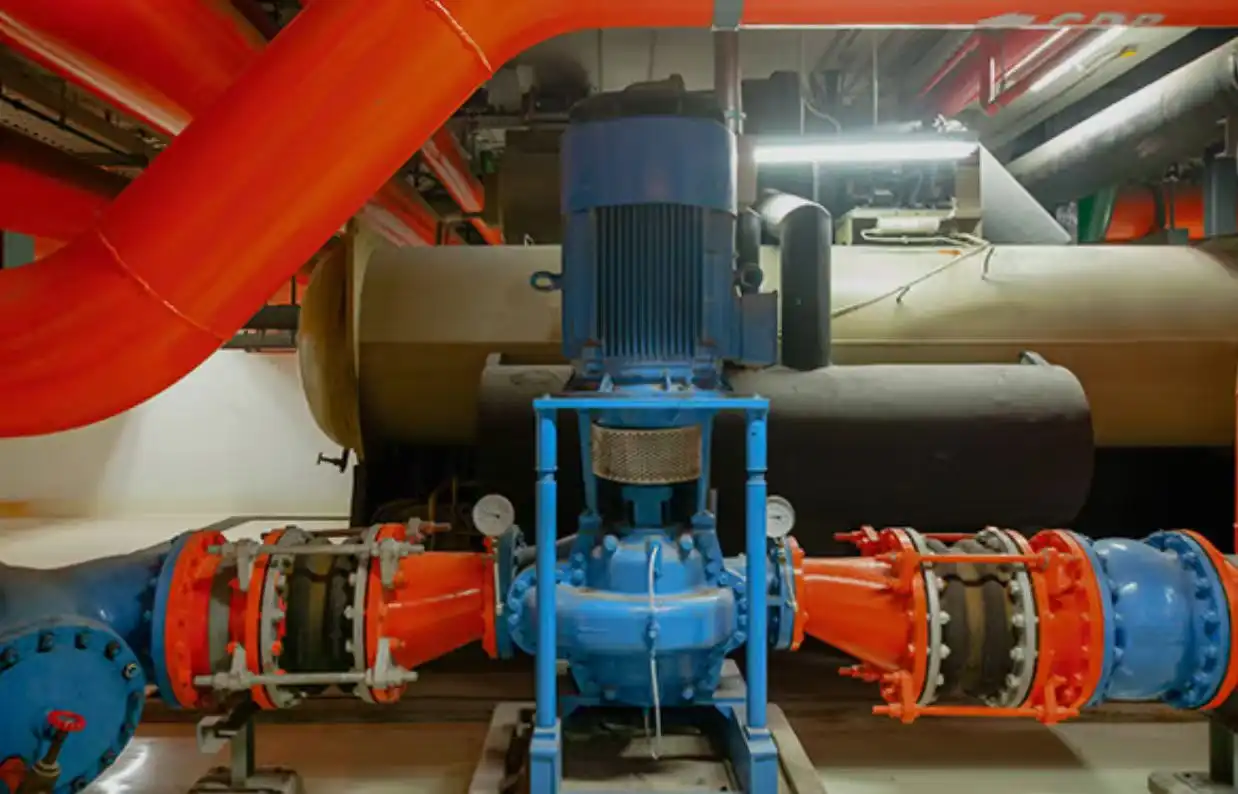
Understanding Grooved Couplings in Fire Protection Systems
The Engineering Foundation of Grooved Pipe Connections
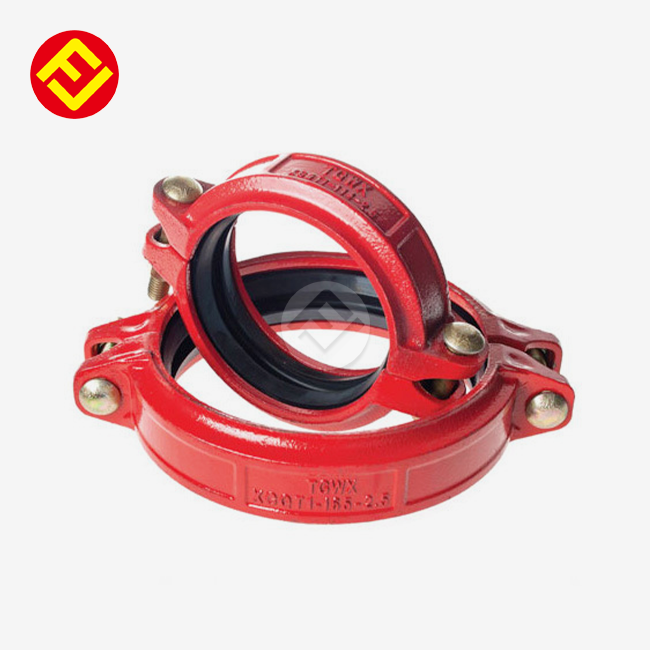
This curved fitting system is a big change in the way mechanical pipes are joined. Instead of using fusion welding or threaded contact, this technology uses a groove on the outside of the pipe that is roll-formed or cut and fits into special housing parts. There are two main parts to the coupling: a ductile iron housing that clamps around the grooved pipe ends and a rubber cover that reacts to pressure inside the housing to make the bond stronger.
FLA Industrial & Trading makes notched joints out of ASTM A536 Grade 65-45-12 ductile iron, which was chosen because it has a tensile strength of over 65,000 psi and a yield strength of over 45,000 psi. This material requirement makes sure that our joints can handle the tough conditions found in high-rise fire protection systems, where static head pressures can get very high. The design of the case includes precisely cut keys that fit into the pipe groove with very tight tolerances. This keeps the joint from coming apart, even when the fire pump is activated and water hammer happens.
Material Selection and Industry Compliance Standards
The choice of material has a direct effect on how well the connection works in different fire safety settings. Carbon steel housings are good for general business uses where middling rust protection is enough. On the other hand, ductile iron housings are more durable and are used in harsh industrial settings. Surface treatments make parts last a lot longer. Our painting finishes work well in climate-controlled areas, our epoxy coats can handle chemical exposure in manufacturing facilities, and our hot-dip galvanised options offer the best rust protection for outdoor installations and areas near the coast.
Fire prevention system design is based on making sure that regulations are followed. For sprinkler system construction, every connection has to meet NFPA 13 standards. UL and FM labels make sure that parts work effectively in fires. FLA Industrial & Trading keeps both ISO 9001 and CE safety compliance marks, which shows that we are committed to meeting world quality standards. Before they are shipped, our joints go through strict hydraulic testing at 1.5 times their normal working pressure. This makes sure that the structure is solid.
Rigid Versus Flexible Coupling Applications
For the best system design, you need to know the difference between stiff and variable connection setups. Rigid couplings have a tongue-and-groove housing design that clamps the pipe ends together tightly, making sure they are perfectly lined up, just like flanged joints. This design works well in places where the structure needs to be stable and not move in one direction, like where two branch lines meet or where there aren't many worries about shaking or temperature changes.
It is possible to control the movement of pipes in both straight lines and angles with grooved coupling flexible connections, which work as built-in expansion joints in the pipe system. The design of the housing allows for a range of deflections and limited vertical displacements. It can handle heat expansion forces and building settlement without putting stress on the equipment that is attached to it. In places where earthquakes happen often, flexible connections allow for important movement that keeps the system intact during ground motion events. At machine links, building expansion joints, and other places where differential settlement may happen, our engineering team suggests flexible configurations.
Advantages of Grooved Couplings Over Traditional Connections
Installation Speed Transforms Project Economics
The amount of time needed to connect pipes has a direct effect on building costs and project schedules. Traditional welded parts need skilled workers, hot work permits, fire watchers, and a check after the weld, which slows down other trades. Threaded connections need accurate pipe cutting, thread preparation, and fitting placement, all of which take a lot of time and work. When installing flanged joints, it can be hard to line up the bolt holes and place the gaskets correctly, which slows down the process.
These wasteful practices are completely eliminated by grooved connection technology. Installers only need to place the seal, line up the housing pieces and tighten the bolts to make pad-to-pad contact for our systems to join in minutes instead of hours. This standard for eye checking gets rid of the need for torque wrenches in most situations, which makes quality control easier. Field data constantly shows that installing grooves goes three to five times faster than welding and twice as fast as flanging. This means that labour costs go down and projects are finished faster.
System Flexibility Enhances Long-Term Performance
Forces and moves that could damage stiff pipe designs must be taken into account by fire protection systems. During system tests and real fires, thermal cycles causes the system to expand and contract, which puts stress on the connections. Fire pumps send mechanical vibrations through pipe networks, which could weaken welded seams or open threaded joints over time. Movement demands are put on stiff links by building development and earthquakes, and they can't handle them without breaking.
Grooved connection technology solves these problems in a planned way because it is naturally flexible. The rubber seal stops vibrations from getting to sensitive parts and stops noise from travelling through the pipe system. Different types of flexible connection can handle heat expansion without the need for separate expansion loops or pricey expansion joint kits. During earthquakes, the ability to control movement keeps joints from separating in a way that could make fire defence less effective when it's needed the most. The efficiency qualities listed above make the system last longer and require much less upkeep.
Maintenance Accessibility Reduces Downtime
Fire safety systems that work with few delays are most important to building owners and facility managers. Welded systems need to be fixed by cutting them down, which can be dangerous and cause contamination in occupied areas. Over time, threaded joints can become stuck, which can make it harder to take apart and sometimes mean that the pipe needs to be replaced. Multiple bolts have to be removed and gaskets have to be replaced on flanged joints, which makes repair windows much longer.
Coupling grooved connections make upkeep easier because they are easy to remove and can be inspected visually. During regular checkups, technicians can check pad-to-pad housing touch without having to do anything invasive. This lets them find problems before they affect the stability of the system. When parts need to be replaced, the joint can be taken apart quickly and easily, without the need for special tools or damaging methods. This ease of access is especially helpful in mining and slurry handling, where rough materials cause uneven pipe wear. Crews can rotate pipe sections to even out wear patterns or replace worn segments during short shutdown periods, which keeps things running smoothly while keeping productivity high.
Installation and Maintenance Best Practices for Grooved Couplings
Proper Groove Preparation Ensures Joint Integrity
For a grooved connection fitting to go well, the pipe's outside must be precisely grooved. For normal wall pipe plans, roll grooving is still the best way to do it. Specialised tools are used to cold-form a regular groove without removing the base metal. This process keeps the full width of the pipe wall, which keeps the structure strong and the ability to handle pressure. Roll cutting has to make sure that the width, depth, and roundness of the grooves are always the same and meet the manufacturer's requirements so that the housing fits properly and the gasket seals properly.
Cut grooving is used for heavy-walled pipe schedules or pipes with linings inside them, where metal growth could damage the coats. This method precisely cuts a slot into the outside of the pipe, taking out only the necessary material to get the right size. No matter what method is used for drilling, workers must check the groove measurements with the right tools before installing the coupler. Deviations from the stated limits can hurt the performance of a joint, which could lead to leaks or the joint separating under working pressure.
Gasket Selection and Installation Technique
In grooved connection systems, the gasket is the most important part for closing. It responds to internal pressure to make the bond stronger. EPDM seals work well for water-based fire safety because they can handle temperatures from -30°F to +230°F and don't break down easily. The C-shaped cross-section of the gasket places the sealing surfaces exactly within the groove, causing interference that gets stronger as system pressure rises. This pressure-responsive sealing mechanism is what sets grooved technology apart from static gasket designs.
For grooved coupling gasket placement to go smoothly, you need to pay attention to where you put it and how you grease it. The seal needs to fit completely inside the groove shape on both sides of the pipe. It can't twist or fold, as this could make a way for water to leak. Using non-petroleum oils that have been allowed by the maker makes placing the seal easier and stops the chemical breakdown that petroleum-based Products" target="_blank" style="color:blue" >products can cause. Installers should make sure that the ends of the gaskets meet properly and there are no holes at the parting line. This will make sure that the joint is sealed all the way around.
Assembly Procedures and Quality Verification
There is a set order to housing fitting that makes sure the joints work well. Place the housing pieces around the prepared pipe ends, making sure that the bolt holes are lined up and that the housing keys fit fully into the pipe grooves. Put bolts through holes that are lined up and thread the nuts finger-tight at first to keep the parts lined up while they are being put together. Tighten nuts gradually in a cross-pattern sequence, moving each bolt forward gradually instead of finishing one spot before moving on to the next. This keeps the stress of the gasket even and keeps the housing from warping.
Visual inspection makes sure the setup is correct by checking that the pads on the housing pieces are touching each other. When the metal pads hit all the way around the joint, the unit meets installation standards and doesn't need to be checked with a torque wrench. This visual standard makes quality control easier and makes sure that results are the same for all work teams. Our technical support team gives workers detailed installation instructions that help them get the best results while following NFPA rules and maker instructions.
Routine Inspection and Preventive Maintenance
To keep fire safety systems reliable, grooved coupling setups need to be checked on a regular basis. Visual checks should be done to make sure that the contact between the pad and housing is still there. This means looking for signs like loose bolts or housing separation that could mean the system is moving or wasn't installed correctly the first time. Surface rust assessment finds coating wear before it causes structural damage. Quick action with spot coating repair increases the cost-effective service life of a component.
Monitoring the state of the gasket finds possible sealing problems before they happen. When you look for seal expansion beyond the housing edges, it could mean that the system is under too much pressure or wasn't put together correctly at the start. Look for cracks or thickening that could mean the material has been exposed to chemicals or is breaking down over time. If a check shows problems, taking apart the coupler and replacing the seal can be done quickly without the need for special tools or hot work. This easy entry for repair cuts down on system downtime while keeping the fire protection ready that people in the building count on.
Conclusion
Coupling grooved technology has completely changed how fire protection systems are installed and maintained. It has led to significant improvements in project cost savings, system stability, and long-term dependability. By using mechanical joins, hot work risks are eliminated, installation times are cut down, lifetime costs are lowered by making upkeep easier, and safety is improved by better flexibility and sound separation. Your fire prevention system will work efficiently when lives and property are at stake if you choose the right materials, follow best practices for installation, and form smart partnerships with your suppliers. As rules for fire safety get stricter and plans for building get busier, grooved connection systems are still the best way to meet both technical performance standards and business goals.
FAQ
How much pressure can curved connections handle?
Standard grooved connection systems can handle working pressures between 300 PSI and 1,000 PSI, based on the size and weight class of the housing. The exact pressure number is based on the type of seal, connection style, and pipe rate. Our engineering team gives paperwork on the pressure number for each setup, making sure that it meets the NFPA standards for system design and safety factors.
Can I use connecting parts from different companies together?
Mixing housing halves or seals from different companies can void UL and FM ratings and make the system less safe. The sizes of pipe grooves are based on ANSI/AWWA C606 standards, but coupler housings and seals have their own design features that cause them to be slightly different sizes. Using matching parts from the same maker makes sure that the system will fit correctly, lock well, and stay in line with regulations for the whole time it is in use.
How can I be sure that the connection was installed correctly?
When the parts are installed correctly, the metal sides of the housing pieces should hit all the way around the joint. This is called pad-to-pad contact. This standard for eye inspection makes sure that the setup is right without having to measure force in most cases. Some high-pressure speciality connectors list torque values. Check the fitting directions from the maker to see if your setup needs to use measured torque.
Partner with FLA Industrial & Trading Co., Ltd. for Superior Fire Protection Solutions
Your fire safety system needs coupling grooved parts that are completely reliable and have been made with the utmost care for almost forty years. FLA Industrial & Trading Co., Ltd. uses advanced casting and machining skills along with strict quality control to make ductile iron and carbon steel connections that meet the strictest safety standards. As a reliable grooved coupling provider to Fortune Global 500 companies in the US, Germany, and Australia, we know what hardware dealers, building workers, and facility managers care about when they buy things.
Get in touch with our technical team at sales@flaindustrial.com to talk about your project needs and find out how our large inventory, quick customisation options, and helpful engineering support can make the buying process easier. We give quotes within 24 to 48 hours, ship standard items right away from stock, and finish special orders in seven to fifteen business days. This keeps your projects on track and saves people and property with fire protection systems that work properly.
References
National Fire Protection Association. NFPA 13: Standard for the Installation of Sprinkler Systems. 2022 Edition. Quincy, MA: NFPA Publications.
American Society for Testing and Materials. ASTM A536-84: Standard Specification for Ductile Iron Castings. West Conshohocken, PA: ASTM International, 2019.
American Water Works Association. ANSI/AWWA C606: Grooved and Shouldered Joints. Denver, CO: AWWA Standards, 2020.
Factory Mutual Research Corporation. FM Approval Guide: Fire Protection Equipment and Materials. Johnston, RI: FM Approvals, 2023.
Underwriters Laboratories. UL 213: Standard for Rubber Gasketed Fittings for Fire Protection Service. Northbrook, IL: UL Standards, 2021.
International Code Council. International Building Code: Chapter 9 - Fire Protection and Life Safety Systems. Washington, DC: ICC Publications, 2021.