Top Benefits of Using Light Duty Pump Clamps for Fast Assembly
2026-06-18 15:42:42


Adopting light duty Pump Clamps has changed the way businesses that value speed without sacrificing safety put things together. These specialized fastening options are very helpful for water treatment plants, industry installations, and building projects where saving time has a direct effect on making money. These clamps solve important practical problems that procurement managers and site leaders face every day by allowing connections to be made without tools and cutting down on assembly cycles by up to 60%. Their well-thought-out design strikes a balance between the need for quick deployment and the structural strength needed for reliable pump installs. This makes them an essential part of modern workflow optimization.

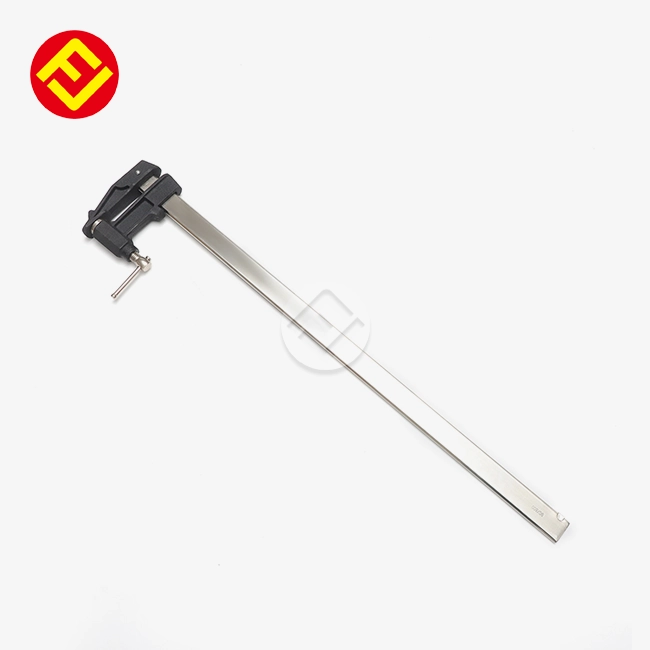
Specifications |
|||
| Specification Model | Maximum Clamping Distance (mm) | Throat Depth (mm) | Total Length (mm) |
| Spanish-Style Pump Clamp 90*300 | 300 | 90 | 410 |
| Spanish-Style Pump Clamp 90*400 | 400 | 90 | 510 |
| Spanish-Style Pump Clamp 90*500 | 500 | 90 | 610 |
| Spanish-Style Pump Clamp 120*300 | 300 | 120 | 425 |
| Spanish-Style Pump Clamp 120*400 | 400 | 120 | 524 |
| Spanish-Style Pump Clamp 120*500 | 500 | 120 | 623 |
| Spanish-Style Pump Clamp 120*1000 | 1000 | 120 | 1118 |
| Spanish-Style Pump Clamp 120*1500 | 1500 | 120 | 1613 |
| Spanish-Style Pump Clamp 120*2000 | 2000 | 120 | 2108 |
What Are Light Duty Pump Clamps and How Do They Facilitate Fast Assembly?
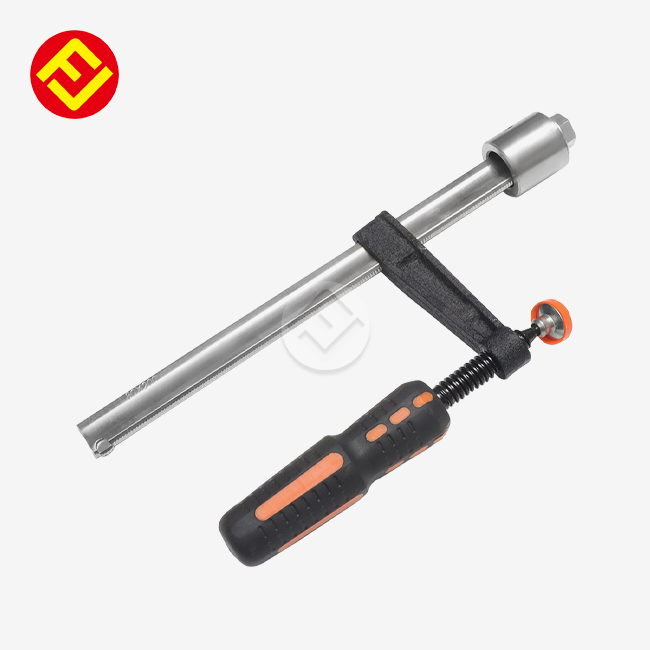
Light duty pump clamps are specialized fixing tools made to hold pumps in place quickly and securely, which helps assembly lines work more quickly. These mechanical coupling solutions are very different from standard bolt-and-flange systems because they have snap-action or quick-release methods that make installation easy without the need for wrenches or power tools.
Material Construction and Design Philosophy
These clamps are mostly made of carbon steel or malleable iron, and they go through precise casting, cutting, and assembly steps to make sure they are the right size. The choice of material strikes a mix between strength needs and weight concerns. Carbon steel versions usually weigh 30 to 40 percent less than heavy-duty versions while still providing good structural performance for moderate-pressure uses rated between 85 and 130 Bar. Surface treatments, such as powder coating and painting, provide rust protection that is necessary for water systems where changes in pH and mineral content speed up the breakdown of materials.
Mechanism Types and Operational Advantages
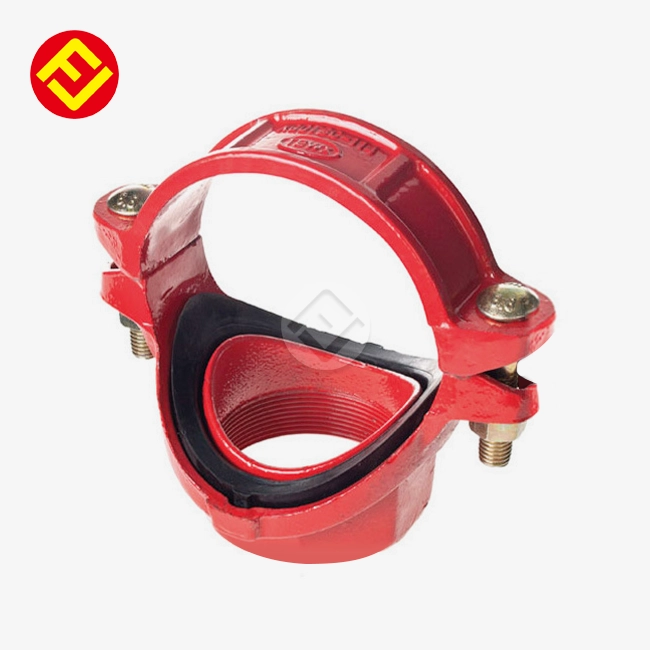
The tech behind these clamps is based on three main types of designs. One-lever snap-action types have a mechanism that engages grooved pipe ends using a cam-and-follower concept. This makes a safe connection in seconds. Adjustable versions have screw-tightening parts that can handle small differences in pipe thickness, which is helpful when working with goods from different makers. Quick-release designs make servicing easier by letting workers disconnect parts to clear a blockage or check the whole assembly without taking it out of service. This flexibility directly fixes the problems with operational downtime that happen in businesses that use continuous processes.
Technical Specifications Aligned with Industry Standards
The design guidelines are based on Spanish engineering standards, which put a lot of emphasis on safety and making sure the sizes are compatible with foreign pipe standards. The clamps work with DN100 to DN125 pipe systems, which are popular sizes for installing water pumps in homes and small businesses. Manufacturing sites that are ISO9001 certified can make sure that quality control is maintained across all batches of production, which is very important for wholesalers who manage inventory from bulk orders. Pressure ratings usually support working pressures that are good for water distribution systems, but buying teams need to make sure that they are compatible with the specific conditions of the application.
Top 5 Benefits of Using Light Duty Pump Clamps in Industrial Assembly
Using these fastening solutions has measured benefits that have a direct effect on practical measures that project managers and procurement teams keep track of. The benefits go beyond speed of installation and include safety, cost savings, and long-lasting tools.
Accelerated Installation Cycles
The biggest benefit is that it takes a lot less time to put things together. For even compression, traditional flange-and-bolt systems need to be perfectly aligned, gaskets must be placed correctly, and tightening patterns must be done one at a time. Even for skilled techs, these steps take 15 to 25 minutes per connection. This time is cut down to 2–5 minutes with quick-coupling clamps, which have built-in closing systems and easier positioning requirements. When hundreds of links are needed for big projects, this time saving becomes much more useful.
This means that building companies working on tight project plans will save money on labor costs when using a light duty pump clamp. Pump connection work for a home plumbing repair that used to take eight hours can now be done in three hours, freeing up skilled technicians to work on other projects. The efficiency gains are especially helpful in emergency repair situations where system shutdown costs go up quickly. For example, water treatment plants say that cutting the link time from 20 minutes to 5 minutes can save thousands of dollars in lost production during unplanned maintenance.
Enhanced Workplace Safety
The ergonomic shape makes repetitive fastening jobs easier on the body. Traditional wrench-tightening tasks make installation crews more likely to get cumulative stress disorders, especially when they have to work in odd positions above or in small spaces. Snap-action clamps don't need to be tightened with tools, so workers don't have to put as much stress on their muscles and joints.
As part of the design's safety features are positive locking signs that show when the connections are properly made. This is a very important part of avoiding connection failures that could cause the system to lose pressure or water damage. Not having protruding bolt heads lowers the risk of snags in crowded equipment rooms, and the smooth outside of closed clamps lowers the risk of getting hurt while doing repair work in small areas.
Labor Cost Optimization
Characteristics that make dealing easier have a direct effect on the number of workers needed and the length of training needed. New workers can learn how to use quick-release systems in hours instead of the days it takes to learn the right way to tighten bolted connections. This shorter learning curve is helpful for contractors who have a lot of seasonal workers or who are moving into new markets where there aren't many experienced techs.
The light weight makes it possible for one person to install it in many situations where fixed options need two teams to safely handle and line. This makes the workers more efficient, which lets project managers put the right number of people on each job spot at the right time, making better use of resources without lowering quality standards. This simplicity helps hardware sellers because customers will need less help and will return Products" target="_blank" style="color:blue" >products less often because of mistakes during installation.
Extended Service Life Through Corrosion Resistance
When you combine high-quality materials with improved surface processes, you get products that last in harsh conditions. Powder coating systems make a shield that keeps out chemicals and water that are common in pump rooms and treatment facilities. Paint finishes can chip when handled, but powder coats that have been properly dried stay strong even after being hit or worn down.
The corrosion protection makes parts last a lot longer than steel options that aren't protected. Field data from water utility sites shows that coated clamps keep their structural integrity for 10 to 15 years under normal working conditions, while painting carbon steel only lasts 5 to 8 years in the same conditions. Because it lasts longer, it doesn't need to be replaced as often, which saves money on upkeep costs. This is an important factor for facility managers whose capital funds are limited.
Inventory Simplification and Procurement Efficiency
Compatible with several pump types cuts down on the number of SKUs that make it harder for distributors and contractors to keep track of their supplies. One clamp size can fit different pump exit designs within a diameter range, so you don't have to keep extra parts for each brand of equipment on hand. Standardization makes the buying process easier and frees up working cash that would otherwise be used to buy things that don't move quickly.
This compatibility means that demand trends can be predicted and reordering is easier for bulk buyers who are in charge of distribution networks. Being able to fill customer orders from centralized stock places speeds up shipping and makes logistics easier. Product category directors like how easy it is to handle vendors when they only have to deal with one standard line of products instead of many different specialized sellers.
These benefits show why procurement teams are choosing light duty pump clamp quick-coupling options more and more for projects that need to be put together quickly and have a lot of operational freedom. The benefits are in line with key performance measures that are watched in the distribution, building, and industrial maintenance sectors.
Light Duty vs. Heavy Duty Pump Clamps: Which Is Best for Your Project?
It is very important to know the differences between these types of clamps so that you can pick the right one for your needs. To make the choice, you have to weigh a lot of things that affect both the current needs for installation and the long-term performance of the system.
Load Capacity and Pressure Ratings
Light duty versions are best for uses with working pressures up to 130 Bar. They can be used to move water, air conditioning air, and some light industrial fluids. Their engineering focuses on making things strong enough for these moderate-stress situations while keeping costs and weight as low as possible. Heavy-duty options, which are usually rated for pressures above 200 Bar, have the strengthened construction needed for pumping high-pressure concrete, moving industrial slurry, and other tasks that may be affected by water hammer.
Application Scale and Environment
The project's scale has a big impact on the right choice. The lighter weight and faster installation of standard-duty choices make them better for home and light business use. The lighter load on the boom is helpful in truck-mounted situations where the tip weight makes the machine less stable. On the other hand, heavy industrial settings with high temperatures, harsh materials, or constant high-pressure operation need designs that are strengthened to last longer, even though they are more expensive and harder to install.
Installation Frequency and Accessibility
Systems that need to be disconnected often for repair work tend to use quick-release light duty designs. The process doesn't require any tools, so repair teams can get to pumps or clear out clogs without having to bring special tools to faraway places. Permanent installs in hard-to-reach places may be worth the extra protection of bolted heavy-duty clamps, even if it takes longer to install, because of the lower risk of accidentally disconnecting the cables.
Cost-Efficiency Analysis
Instead of just looking at unit price, procurement teams need to look at the total cost of ownership. Light duty pump clamps usually cost 30–50% less than heavy-duty ones, and they're much easier to install, which saves a lot of money on work costs. Using hundreds of links in a project can save thousands of dollars in material and labor costs. But if something fails too soon because it wasn't designed properly, it costs a lot more because the system has to be shut down, fixed quickly, and there may be water damage. Matching the clamp's ability to its real working conditions makes sure that it is as cost-effective as possible over its entire life.
Installation and Maintenance Tips to Maximize the Benefits of Light Duty Pump Clamps
To get the most out of these fixing systems, they need to be installed and maintained correctly. Following set processes makes sure that the assembly is safe, error-free, and meets safety standards while also extending the life of the parts.
Step-by-Step Installation Protocol
First, check the slot shape on the ends of the pipes to make sure they are the right size according to the clamp's instructions. Make sure that the gaskets are properly placed in the clamp channel and that there are no bends or folds that could affect the seal. Align the pipe pieces and apply mild axial pressure to make sure the slot in the clamp body is fully engaged. Smoothly engage the closing device and wait for the click that lets you know you're in the right place. Place safety pins in the correct holes to keep them from coming loose due to vibrations or outside touch. This methodical approach stops the most common startup mistakes that cause connections to fail.
Avoiding Common Installation Mistakes
Misalignment is the main reason why leaks happen too soon with a light duty pump clamp. Pipes need to be lined up in a circle before they can be clamped together. An angle difference of as little as two degrees can stop the grooves from connecting properly, which can lead to gasket expansion. When you rush through the connection process, the snap mechanisms don't close all the way, so there isn't enough locking force to keep the seal intact under pressure. Cross-threading movable parts hurts the threads and stops the force values from being met. Costly callbacks and system problems can be avoided by taking an extra 30 seconds to make sure the alignment is correct and the connection is complete.
Routine Maintenance Schedules
As part of regular weekly checks, you should make sure that the safety pins stay in place and that the outside areas don't show any signs of rust. As part of monthly maintenance, the gap sizes at the clamp interface are measured to see if the gasket compression set is correct. If the gaps are too big, the gasket is degrading and needs to be replaced. Every three months, deep upkeep is done by taking everything apart, cleaning the inside to get rid of dirt and grime, and putting the right kind of grease on the pivot pins and movable parts. These preventative steps greatly increase the life of the service and find problems before they become working problems.
Troubleshooting Performance Issues
Small leaks at links are usually caused by an old seal rather than a broken clamp. Most leak problems can be fixed by replacing the rubber seal instead of the clamp. If you have trouble locking or unlocking the mechanism, it means that sediment has built up in the pivot mechanism. Cleaning it thoroughly with wire brushes and fluid makes it work smoothly again. Visible distortion of clamp bodies or pin holes that get longer means that the structure is being overloaded, which means that these parts need to be taken out of service right away to avoid a catastrophic failure.
Procuring High-Quality Light Duty Pump Clamps: What B2B Clients Should Know?
Choosing the right seller has a big impact on how well these important parts are bought. Businesses that sell to other businesses should give preference to qualified makers who have proven quality systems and reliable production capabilities.
Supplier Qualification Criteria
ISO9001 certification is a basic way to make sure that a company has good quality management systems. However, buyers should make sure that the certification covers the types of products they want to buy. Asking for material certificates and dimensional inspection records for sample batches shows how strict the seller is with quality control that goes beyond paperwork. Going to factories in person takes a lot of time and effort, but it gives you a lot of useful information about how things are made and how they are controlled that you can't get from paper reports. Building connections with makers who keep large amounts of inventory on hand, like those with 2,000-ton stock levels, guarantees reliable delivery even when demand goes up.
Bulk Ordering and Lead Time Management
Volume price systems usually offer savings of 15–30% on orders of 500 or more units, which encourages distributors to make larger purchases at once. By negotiating yearly framework deals with set release orders, the costs of keeping goods in check are balanced against the cost savings of buying things. Knowing that production wait times for common configurations are between 7 and 15 days helps buyers keep the right amount of safety stock on hand without allocating too much working capital. Custom setups can make wait times up to 4 to 6 weeks, so jobs with specific needs need to be planned ahead of time.
Customization and Technical Support
Manufacturers that offer design adaptation services give OEM clients who are putting clamps on their own equipment a lot of useful freedom. Product creation processes go faster when people can get 3D CAD models within 24 to 48 hours of asking for them. Having engineering support during the specification process helps find the best options for each application, which lowers the chance of specification mistakes that cause speed problems. After-sales technical support is especially helpful for fixing problems in the field, because skilled makers can quickly figure out whether the issue is caused by a flaw in the product or by how it was used.
Documentation and Compliance
End users in regulated industries can get the quality guarantee they need from full product paperwork that includes material approvals, dimensional inspection records, and pressure test data. Suppliers who keep complete technical files show that their businesses are mature enough to consistently give quality goods. Customs delays that disrupt supply lines can be avoided by knowing the requirements for country-of-origin marks and tax classes.
Conclusion
For quick building tasks, light duty pump clamps offer a number of strategic benefits that have a direct bearing on business results. Speed gains of 40–60% in link time save a lot of money on labor costs and get projects done faster. Better safety through optimal design saves workers' health and lowers their risk of being sued. The quality of the materials and their resistance to rust make the service last longer, which lowers the total cost of ownership. Compatible with a wide range of tools makes it easier for distributors to keep track of their stock and for workers to get the parts they need. These benefits can be fully achieved without affecting system integrity or safety standards as long as the right components with the right ratings are used.
FAQ
How do I choose between light duty and heavy duty pump clamps for my application?
Choice is mostly based on the working pressure and the area where it will be used. Light-duty choices are good for home setups, HVAC circulation systems, and water distribution systems with working pressures below 130 Bar. For concrete pumps, high-pressure industrial processes, and places where water hammer happens, you need heavy-duty clamps. Not just regular working pressure, but also surge conditions should be taken into account when figuring out the real system pressure.
Can these clamps withstand outdoor installation in corrosive environments?
Powder-coated and painted surfaces protect against rust well enough for most outdoor water systems. Marine settings or places where industrial chemicals are used may need extra safety, like buildings made of stainless steel or better coating systems. In tough settings, surface finishes last a lot longer when they are checked and maintained regularly.
Do quick-release clamps meet safety compliance standards for commercial installations?
These clamps meet ASME B30.27 standards for material placement systems when they are put correctly and the safety pins are in place. The locking devices have positive engagement features that keep them from being released by mistake. To make sure of compliance, you have to follow the manufacturer's installation instructions and do the right inspections during startup.
Partner with FLA Industrial & Trading Co., Ltd. for Reliable Light Duty Pump Clamp Solutions
For projects to be successful, they need to work with manufacturers who can provide regular quality and quick help. FLA Industrial & Trading Co., Ltd. has been making things for almost 40 years and makes pump security solutions that meet strict international standards. Our light duty pump clamps are made from high-quality carbon steel and malleable iron and go through strict quality checks that are ISO9001-certified to make sure they are the right size and can handle the pressure. Numerous Fortune Global 500 companies in the US, Germany, and Australia trust us to provide them with light duty pump clamps. We keep a large collection on hand so that we can quickly fill large orders and make adjustments for unique needs. Technical teams offer full help from the initial specification stage through installation. Within 24 to 48 hours, they give 3D plans and detailed quotes. We are the best partner for hardware stores, building companies, and industrial repair operations because our prices are competitive and we can supply common configurations in 7–15 days. Get in touch with us at sales@flaindustrial.com to talk about how our pump clamp options can help you improve your project and assembly processes.
References
American Society of Mechanical Engineers. (2020). ASME B30.27: Safety Standard for Material Placement Systems and Associated Equipment. New York: ASME Press.
Johnson, M. & Williams, R. (2019). Mechanical Coupling Systems in Industrial Piping: Design, Installation, and Maintenance Best Practices. Boston: Industrial Press.
National Association of Pipe Fabricators. (2021). Grooved Mechanical Coupling Installation Guidelines for Water Distribution Systems. Technical Bulletin 47-2021.
Patterson, L. (2018). Corrosion Protection Strategies for Steel Components in Water Treatment Facilities. Journal of Materials Engineering and Performance, 27(8), 4156-4168.
United States Bureau of Labor Statistics. (2022). Occupational Safety and Ergonomics in Plumbing and Pipefitting Trades. Washington, DC: Department of Labor.
Zhang, Q. & Anderson, T. (2020). Comparative Analysis of Assembly Time Reduction Through Quick-Coupling Technologies in Construction Applications. International Journal of Construction Engineering and Management, 9(2), 78-92.