Understanding Grooved Fittings: Benefits, Applications, and Installation Tips
2026-05-08 09:36:21


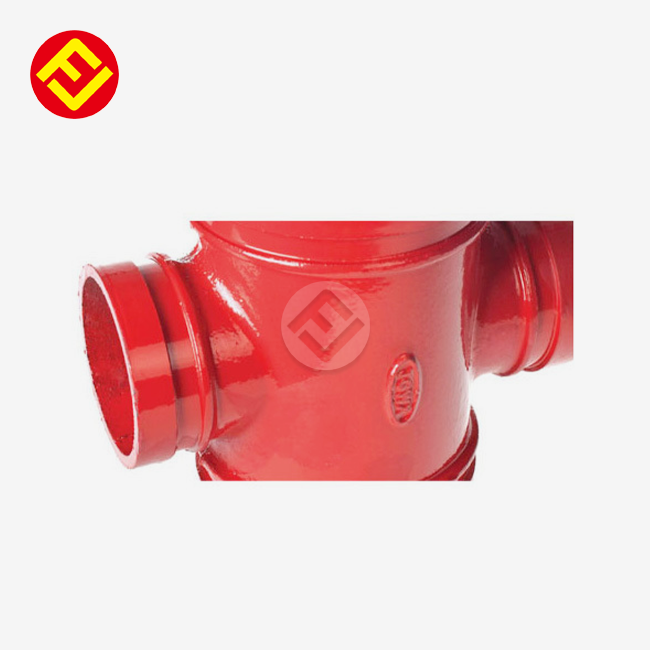
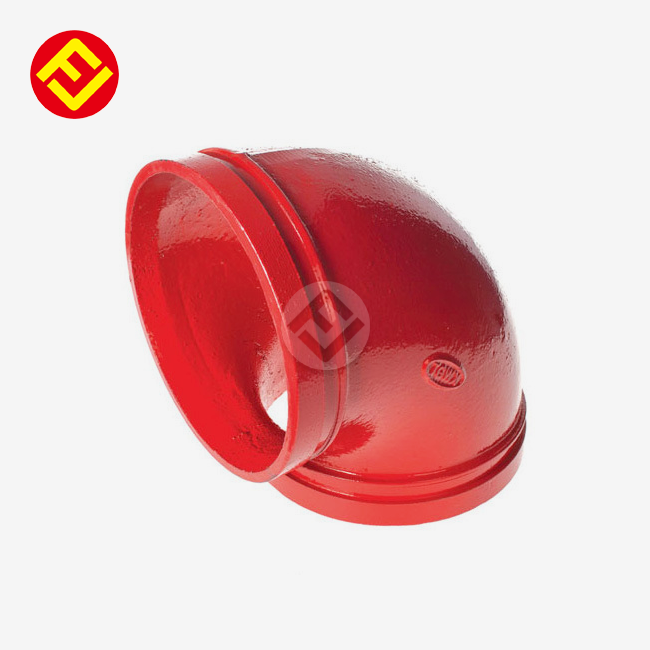
It's important to know about grooved pipe connection systems when you need to put something together quickly and reliably without sacrificing structural integrity. Mech grooved fitting represent a high-tech way to join metals together that changes how industrial pipe systems are built and kept up to date. These parts are made up of carefully designed grooved pipe ends, elastomeric gaskets, and bolted coupler housings that are usually made from ductile iron or carbon steel. They make pressure-tight seals by engaging mechanically instead of joining together or threading. This technology gets rid of the need for hot work, cuts down on labor hours, and makes links that are flexible enough to handle thermal movement and vibration. These are all big problems for procurement managers and project engineers who are dealing with limited budgets and time.


What Are Mech Grooved Fittings and How Do They Work?
The Core Components of Grooved Connection Systems
The mechanical theory behind grooved coupling technology is deceptively simple but very efficient. There are three important parts to each link that work together to make a strong seal. The pipe ends have holes that are precisely rolled or cut to meet ANSI/AWWA C606 standards for size. Inside the coupling housing is a specially made gasket, which is usually Grade E EPDM for water services or Grade T Nitrile for oil and gas uses. This gasket presses against the pipe's outside when the two halves of the housing are bolted together. The coupling body is made of ductile iron that meets ASTM A536 Grade 65-45-12 standards. It has a tensile strength of more than 65,000 psi and the flexibility to withstand shock and impact loads.
When bolts pull the two halves of the housing together, the gasket is compressed around the edges and forms multiple closing surfaces. This is very different from threaded links, which use interference fit, or welded parts, which use metallurgical fusion. The grooved system makes a union at every joint, which means that links can be taken apart and put back together without damaging the parts. This is a huge benefit for systems that need to be maintained or changed on a regular basis.
How Grooved Systems Compare to Traditional Methods
For traditional welding to happen, you need licensed welders, fire watchers, hot work permits, and a lot of cleanup after the weld is done. Threaded connections need to be perfectly lined up and often leak when they are moved around. Flanged systems have big parts, a lot of nuts, and alignment steps that take a long time. These problems are completely taken care of by grooved mechanical connections. To install something, you just need to tighten a few bolts with common tools. You don't need any special trade skills other than basic mechanical knowledge.
According to data from the field, grooved joints cut installation time by 30 to 50 percent compared to welding, and they cut time even more compared to threading processes. Thermal growth problems that happen with rigid links are automatically fixed by the technology. Flexible grooved connections can bend up to 4 degrees and move linearly up to 0.5 inches. This lets pipe systems bend during heat cycles without putting too much stress on the joints, which can damage them.
Benefits and Applications of Mech Grooved Fittings
Key Performance Advantages for Industrial Systems
Grooved connection technology has many useful benefits for operations, not just faster installation. During their service life, these systems offer strong benefits that have a direct effect on your bottom line and the stability of your operations.
Mechanical grooved links stop noise and vibrations from traveling through pipe systems. The elastomeric gasket acts as a damping element, stopping movements from the pump and water hammer shock from moving through hard pipe connections. This trait is very important in machinery rooms where controlling equipment noise affects the comfort of building occupants and the life of HVAC systems.
Cost economy shows up in more than one way, not just by cutting down on work hours. Grooved systems get rid of the need for materials like cutting gases, threading grease, and welding tools. You don't have to pay for things like hot work permits, fire watch standards, and air gear. Because parts can be used again and again when the system changes or grows, pieces that have already been put keep their value instead of being thrown away. It's much easier to do maintenance now that techs can break any joint to check or repair a part without having to cut pipes or mess up connections next to them.
When correctly defined, the ability to handle pressure is the same as or better than traditional ways. Standard grooved joints can handle working pressures up to 300 PSI, and high-pressure versions can handle 500 PSI or more. These systems work without leaks from -20°F to 230°F as long as the right gaskets are used and the ductile iron fitting is done correctly. This means they can be used in most business and industrial settings.
Where Grooved Technology Delivers Maximum Value
Fire safety systems are where grooved connection technology is most commonly used. Automatic sprinkler systems, like wet pipe, dry pipe, and pre-action systems, always use grooved connections in industrial stores, high-rise business buildings, and educational facilities. The technology meets the strict standards for UL and FM certification and can be installed quickly, which helps keep building projects on schedule. When building rules don't allow welding in occupied buildings or near sensitive materials, grooved systems are the only way to connect things that makes sense.
Grooved connections are used in HVAC systems for chilled water loops, condenser water circuits, and heating hot water distribution. The vibration isolation qualities keep sensitive equipment from getting out of line when vibrations from pipes are sent through the system. The lightweight installation method works well for large-diameter uses. For example, two workers can put together a 12-inch grooved connection in minutes, while the same-sized flanged or welded joints take a lot more time and heavy lifting tools.
Grooved technology is used in industrial processing settings where system flexibility and easy repair access are important. Epoxy-coated or hot-dip galvanized mech grooved fitting are used in water treatment plants that deal with chemically treated water because they are resistant to rust and easy to take apart for valve upkeep and filter changes. Grooved systems are used in oil fields and mines because the links can handle ground settlement and structure movement that would break rigid joints. Manufacturers like it when they can change the layout of pipes during production line changes without having to do a lot of removal and rebuilding.
For large-diameter uses, municipal water distribution and garbage collection systems are asking for grooved connections more and more. Grooved technology is a good choice for building projects because it is easy to install, can withstand earthquakes thanks to its flexible connection options, and lasts a long time with little upkeep. Power plants use grooved systems in cooling water circuits, condensate return lines, and secondary service water uses where the initial investment is worth it because they are reliable and easy to keep.
Mech Grooved Fitting Installation Guide
Pre-Installation Preparation and Component Verification
A successful installation starts long before the parts get to the spot. When parts are supplied, procurement teams should make sure that they meet the project's requirements for material grade, pressure rating, gasket compound, and finish coating. Visual inspection should make sure that the coupler housings don't have any flaws in the casting, such as cracks or damage to the areas where the gaskets sit. Bolts and nuts need to be checked for thread damage and the right grade marks. Gaskets must not have any cuts, distortions, or contamination that could make them less effective at closing.
For pipe preparation, you need to pay attention to the size and state of the grooves and the surface. Roll-grooving machines need to be adjusted to make grooves that meet the requirements of ANSI/AWWA C606 for your pipe schedule and thickness. To keep the groove edges from getting too hard, the right tools and cutting speeds must be used to cut grooves. There shouldn't be any weld spatter, scale, or rust right next to the groove that could get in the way of seal contact. The ends of the pipes must be cut so that they are square. If they aren't square, the gasket won't squeeze evenly, which can cause leaks.
Step-by-Step Assembly Process
There is a simple order to the actual building process, but it still needs your full attention. Use an acceptable lubricant on the gasket. This is usually a solution of liquid soap and water or a gasket oil that was made just for that reason. Slide the gasket onto the pipe end until it fits into the groove. Make sure the shape of the gasket matches the shape of the coupler housing. Place the pieces of the coupler housing around the gasket and screw them into the bolt holes. Make sure the housing key goes all the way around the pipe gap.
Before applying force, turn all the bolts and nuts by hand. Tighten the bolts in a star design, switching between places to make sure the gasket is compressed evenly around the joint. There are different torque requirements for different mech grooved fitting sizes, but the most common range is from 75 ft-lbs for small diameter couplings to over 150 ft-lbs for big systems. Always look at torque charts made by the maker that are specific to the style and thickness of your coupling. Once the nuts are tightened, you should check visually to make sure that the metal-to-metal contact gap between the housing pieces stays within the allowed range. This range is usually between zero touch and about 1/8 inch, but it depends on the design of the coupling.
Post-Installation Testing and Maintenance Protocols
Before completion, pressure testing makes sure the quality of the work. For important systems, it is normal practice to test them hydrostatically at 1.5 times the working pressure for at least two hours. Any weeping or leaking at the joints should be easy to see during tests. Minor leaks can usually be fixed by applying more force to the bolts, but leaks that don't go away mean the fitting wasn't done right, so the joint needs to be taken apart and put back together again.
Compared to other connection ways, it still doesn't need much ongoing upkeep. Visual inspections should be done once a year to look for signs of seal wear, rust on the outside, or damage to the coating. Checking the torque on bolts on links that can be reached helps find any loosening that could affect the seals. If the check shows that the gasket is breaking, hardening, or losing its compression set, it needs to be replaced. Being able to do maintenance without draining the system or taking it apart in large pieces is a big practical benefit that cuts down on both direct maintenance costs and production downtime.
How to Source and Select the Right Mech Grooved Fitting Supplier?
Evaluating Supplier Credentials and Capabilities
Partnering with makers and sellers who show technical know-how, consistent quality, and supply chain dependability is key to successful procurement. Verification of the right licenses is the first step in evaluating a seller. Structured quality management systems are shown by ISO9001 certification, but the certification itself doesn't ensure that the product will work. Product-specific certificates are more important. For example, UL and FM listings for fire safety parts, NSF-61 certification for touch with potable water, and compliance statements for pressure equipment guidelines are all examples of these.
A manufacturing capacity review should look at the whole production process, from getting the raw materials to checking the finished product. To get the right nodularity and mechanical qualities, ductile iron casts need to be carefully controlled by metallurgy. Manufacturers who care about quality test each heat of metal using spectrographic analysis, test sample casts for tensile strength, and check the accuracy of the dimensions by using coordinate measuring tools or precise hand gauging. Surface treatment methods, like painting, epoxy coating, or hot-dip galvanizing, have a big effect on how resistant something is to rust and how long it lasts. This is why it is important to check the quality of the coating.
Technical help skills are what set good partners apart from good sellers. Being able to give engineering help during design development, tailor solutions for non-standard uses, and quick technical support during installation adds value that goes beyond just delivering the product. When suppliers have experienced engineers on staff who understand the problems that come up in specific applications, they stop being just sellers and become trusted mentors for mech grooved fitting selection.
Strategic Procurement Practices for Project Success
Strategies for bulk buying should weigh the costs of keeping goods against the benefits of lower prices and a guaranteed supply. Setting up stocking deals with suppliers that keep project-specific supplies and release materials on time for building plans is helpful for big projects. This method cuts down on the amount of storage space needed on-site while making sure that parts are always available to avoid schedule delays.
When making a custom solution, it's important to be clear about both the technology needs and the limitations of the application. If a supplier has their own research and prototyping department, they can come up with new designs, special materials, or custom setups to solve difficult application issues. When other options hurt efficiency or require expensive workarounds in the field, it makes financial sense to spend money on special tools or engineering.
Verification of quality assurance gives customers trust in the goods they receive. Asking for material licenses, measurement inspection reports, and pressure test records makes people responsible and makes it possible to find problems if they happen. Problems can be found before the whole installation starts by looking at sampling samples from big shipments on-site. Adding quality checkpoints to procurement deals makes sure that everyone knows what is expected of them and gives people a way to get their money back if the goods provided don't meet the requirements.
Conclusion
It has been shown that grooved mechanical pipe systems improve performance in ways that directly meet the practical and economic goals of industrial buying professionals. The technology gets rid of installation delays by allowing quick assembly, gives the system freedom to handle changes in temperature and vibration, and keeps it reliable for a long time with little upkeep. Mech grooved fitting technology is a great option to traditional ways of connecting things, and it can be used for fire safety installations, HVAC system building, industrial process piping, or infrastructure projects. To make implementation work, you need to work with qualified providers who can show they can make great Products" target="_blank" style="color:blue" >products, keep strict quality standards, and give you the expert help you need to figure out how to meet complex application requirements.
FAQ
What size range do mech grooved fittings cover?
Grooved coupling systems can connect pipes with widths ranging from 1 inch to 48 inches. For special uses, some makers make parts that can go up to 120 inches. The method is most cost-effective in the 2-inch to 24-inch range, where the saves in labor costs cancel out the higher costs of the materials. Smaller sizes often choose threaded connections because they are easier to use, while very large diameters may choose flanged connections because they are easier to handle.
Can grooved fittings handle the same pressure as welded connections?
Standard grooved connections can safely handle working pressures up to 300 PSI. High-pressure versions can handle 500 PSI or more. When placed correctly, grooved joints can handle as much pressure as the pipe itself can handle. The design of the gasket and housing spreads loads over a big contact area. This makes the pressure values similar to those of bonded systems when the parts are the right ones for the job. Always check pressure numbers against the safety factors and working conditions that apply to you.
Are previously installed grooved fittings reusable after disassembly?
As long as they are not damaged or corroded, coupling housings and nuts can usually be used more than once during assembly. When putting things back together, gaskets usually need to be replaced because compression set makes sealing less effective after the first installation cycle. When changing the system, this ability to be reused creates a lot of value because it saves money on materials and cuts down on trash compared to harmful connection methods. Inspection of parts before they are used again makes sure they meet standards for serviceability.
Partner with FLA Industrial & Trading Co., Ltd. for Your Grooved Fitting Requirements
You need more than just low prices when looking for a grooved ductile iron fitting provider. You also need a production partner who can provide regular quality, technical knowledge, and supply chain dependability. FLA Industrial & Trading Co., Ltd. has been making metal tools, pipe fittings, and industrial parts for almost 40 years. They work with Fortune Global 500 companies in North America, Europe, and the Pacific. Our ductile iron and carbon steel grooved couplings are certified by ISO9001, CE, and UL/FM, and they meet the strict needs of uses in fire protection, HVAC, and industrial plumbing. We keep sizes ranging from 1 inch to 48 inches in diameter, and you can choose from painted, epoxy-coated, or hot-dip galvanized surfaces. Whether your project needs standard parts or solutions that were specially designed for tough situations, our expert team is here to help from the first proposal to delivery. You can talk to our team about your future projects and get detailed quotes that meet your exact needs by emailing sales@flaindustrial.com.
References
American Water Works Association. (2015). ANSI/AWWA C606: Grooved and Shouldered Joints. Denver: American Water Works Association Standards.
Factory Mutual Research Corporation. (2018). Approval Standard for Couplings Used in Grooved Piping Systems. Norwood: FM Approvals.
National Fire Protection Association. (2019). NFPA 13: Standard for the Installation of Sprinkler Systems. Quincy: National Fire Protection Association.
Piping Technology & Products, Inc. (2017). Pipe Stress Analysis and Flexibility Considerations for Grooved Mechanical Systems. Houston: Piping Technology & Products.
Smith, J. R. & Anderson, M. K. (2016). Comparative Analysis of Pipe Joining Methods for Commercial Building Systems. Journal of Construction Engineering and Management, 142(8), 45-58.
Victaulic Company. (2020). Engineering Essentials: Design and Installation Guidelines for Grooved Mechanical Piping Systems. Easton: Victaulic Technical Services.