Which is Better Machine Screw Jack or Ball Screw Jack?
2026-05-08 09:36:06


Your needs are the most important thing to consider when picking between a machine screw jack and a ball screw jack. A machine screw jack is the safest and most reliable way to move big equipment or make structure changes that need strong, self-locking mechanisms that are only used sometimes. On the other hand, ball screw jack work best in high-speed, continuous-duty tasks that need to be precise and efficient, like automatic production lines. Regardless of its setup, a 3 ton screw jack can reliably lift up to 6,600 pounds. However, knowing the basic differences between these two types will help you buy the right tools for your business.
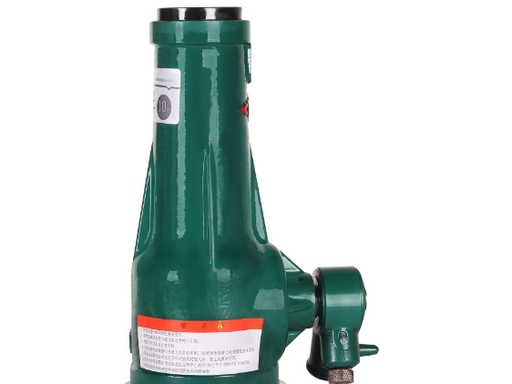
Understanding Machine Screw Jacks and Ball Screw Jacks
Before you can choose the right mechanical lifting device, you need to know how these two technologies work and what makes them different. It is possible for both machine screw jack and ball screw jack to change rotational motion into linear motion, but they do this in very different ways that affect how well they work.
Core Operational Principles
A threaded screw shaft with Acme or trapezoidal threads is used in machine screw jack. This shaft fits straight into a metal or engineering plastic nut. The screw can be turned by hand using a handle or by a machine. As the screw turns, the nut moves along the threads, lifting the screw vertically. This direct touch between metal and metal (or metal and plastic) causes a lot of friction, which is what makes the self-locking feature useful in safety-critical situations. The friction rate in machine screw designs stops backdriving, which means the load stays still without the need for external brakes or constant power.
Precision-ground ball bearings move back and forth between the screw shaft and nut arrangement in ball screw jack. When compared to sliding contact, these rolling parts greatly reduce friction, which makes motion easier and increases mechanical efficiency. The recirculating ball system changes slide friction into rolling friction, which makes the movement of energy much better. But this economy comes with a cost: ball screw configurations can't automatically lock themselves, so they need brake motors or mechanical locks in places where load safety is very important.
Technical Specifications and Capacity
Several technical factors should be taken into account when judging a lifting device that can hold 3 tons. Load capacity numbers show how much static weight the machine can safely hold, which is 30 kN, or about 3,000 kg. The jack's travel length, or the vertical distance it can move, is usually between 100 mm and 1000 mm. However, longer strokes can be made possible with custom designs and careful planning for screw buckling limits.
Lifting speed is very different between types. Machine screw jack usually move up or down by 1.5 to 4 mm per revolution. They take rotary input and turn it into exact, controlled vertical movement. Ball screw versions can move much faster because they have less friction, which makes them good for uses that need to place things quickly. Most industrial settings can work in temperatures between -20°C and +80°C, and alloy steel, carbon steel, and stainless steel are all materials that can be used in harsh or harmful conditions.
Design Features That Matter
The quality of the building of moving equipment has a direct effect on how well it works and how long it lasts. Premium screw jack have lead screws that have been heated and softened or cooled so that they don't wear out or bend when they are loaded and unloaded many times. The materials used to make nuts—bronze alloys or engineered plastics—are chosen based on how well they prevent wear and how well they work with certain thread shapes. Cast iron or steel used to make the housing reduces vibrations and gives the structure the strength it needs to stay in place under load.
Surface treatments make tools last longer in tough conditions. Anti-corrosion coats keep chemicals and water out, and spray-painted finishes protect against the environment in a basic way. Covers that keep dust off of important parts keep them clean, and lubrication connections make upkeep easier. These parts of the design determine how well lifting equipment works in a wide range of industrial settings, from climate-controlled factories to building sites outside in all kinds of weather.
Performance Comparison: Machine Screw Jack vs Ball Screw Jack
Knowing how these mechanical screw lift technologies work differently helps procurement professionals make smart choices that are in line with business needs. Machine screw jack and ball screw jack are very different in how efficient they are, how long they last, how much upkeep they need, and how safe they are. Each has its own benefits in different situations.
Efficiency and Energy Consumption
Costs are directly affected by mechanical efficiency, especially in motor-driven uses that have long job cycles. Machine screw jack only work 20 to 30 percent of the time because the screw threads and nut assembly slide against each other. This low efficiency makes heat while it works, so constant duty cycles are limited to 20–30% to avoid damage from heat. Friction wastes energy, which turns into heat that needs to be removed. Because of this, these units work best for occasional positioning jobs rather than continuous use.
Ball screw jack have mechanical efficiency rates of up to 90%, which means they use a lot less energy and heat. The shape of the rolling part reduces friction, so it can be used continuously without worrying about thermal overload. This economic benefit means that smaller motors are needed, less electricity is used, and parts last longer because they are not under as much heat stress. When working in factories with a lot of Products" target="_blank" style="color:blue" >products and lifting tasks happen all the time during shifts, the energy saves from ball screws can make up for their higher starting cost.
Durability and Service Life
The rates at which parts wear out are very different between these systems. Direct touch between the threads of machine screws wears them down over time, especially when they are under a lot of stress or in dirty conditions. Bronze nuts usually last longer than plastic ones in tough situations, but both need to be replaced every so often as the wear gaps grow. Because they are so simple and strong, machine screws are better at handling misalignment and shock loading than precision ball screw systems. This makes them good choices for tough industrial settings.
When using ball screw systems, they need to be perfectly aligned and kept clean. Particles like dirt, metal chips, and other things can damage precision-ground ball races and cause them to break too soon. Ball screw jack, on the other hand, have very long service lives with very little performance loss if they are kept in clean places and oiled properly. When compared to direct thread interaction, the recirculating ball method spreads wear across more contact points, lowering stress in one area.
Safety Considerations and Self-Locking Capability
Self-locking behavior is a very important safety feature. When the gear ratio is more than 20:1, machine screw jack naturally don't move backwards, so the load stays in place without any extra power or stopping. This mechanical safety feature is very helpful in situations where an unexpected moving of the load could cause danger or damage to the equipment. The self-locking feature works as a fail-safe system, giving you peace of mind in structure support applications or situations where power outages could otherwise lead to dangerous situations.
Because they have low friction, ball screw jack can't lock themselves. For load stability, you need brake motors or mechanical locking devices to keep things from moving by accident when the power goes out or when they are exposed to shaking. This rule makes ball screw installations more difficult and expensive, and it also adds more ways for them to fail that need to be thought about during safety reviews. In cases where self-locking is necessary, like when supporting a load for a long time or when side forces change, machine screw designs are safer by nature.
Maintenance Requirements and Lifecycle Costs
The amount of maintenance needed affects the total cost of ownership, which is different from the buying price. To keep the threads from wearing down too quickly, machine screw jack need to be oiled from time to time with high pressure lithium grease or synthetic gear oil. The simple design means that maintenance workers can do regular maintenance without special training, and new parts are still not too expensive. At regular inspection times, the threads' state, the amount of lube, and the self-locking function under load are all checked.
Maintenance rules for ball screw units need to be stricter. To keep wear from speeding up, precision parts need to be oiled regularly with clean, properly described oils. It is important to keep contaminants out with lungs or covers, especially in dusty or dirty places. Ball screw repair doesn't have to be done more often, but it does need more care and attention to detail. Replacement costs for broken ball screw systems are usually higher than replacement costs for machine screw components. However, the longer service life can make up for this cost in some situations.
Practical Considerations for B2B Procurement
To match lifting tools to specific commercial uses, you need to look at working needs, environmental factors, and long-term value propositions. Decisions about procurement involve more than just technical details. They also involve ties with suppliers, the availability of parts, and overall costs that affect how efficiently operations run.
Industry-Specific Applications
When choosing motorized lifting options, different industries put different performance factors at the top of their lists. For leveling foundations, aligning structures, and setting up temporary support systems, construction workers look for equipment that is tough, lasts a long time, and locks itself securely. Machine screw jack are great for job sites where tools will be exposed to weather, dust, and rough handling because they can stay in place without power. The 3 ton screw jack capacity can handle heavy loads that are common in structure work and is still small enough to be used in the field.
For assembly line tasks, the people who make cars need to be able to position themselves precisely and consistently. Ball screw jack are fast and accurate enough for high-volume production areas where lifting processes happen thousands of times every day. For cutting and assembly parts, places that work with wood and make furniture need stable, vibration-free support. Machine screw jack keep the exact height settings during production runs and provide rigid placement that can withstand cutting forces. The self-locking feature stops movement during long machining processes, keeping the key dimensions needed for quality standards.
Total Cost Analysis
To figure out the value of an investment, you have to look at costs other than the buying price. When it comes to initial prices, machine screw jack usually win out because they are easier to build and have fewer precise parts. Due to the need for precise production and special materials, ball screw units are more expensive. However, this difference is less noticeable when comparing motorized setups, since both designs need similar drive components.
Different value offers are often shown by operational costs over the life of an asset. Because ball screw designs are more efficient, they use less energy in continuous-duty uses. This saves money that can be seen over years of use. When environments are clean, maintenance is done less often, which cuts running costs even more. Even though friction makes machine screw jack use more energy, they don't need as much upkeep and can handle harsher conditions without breaking down early, which keeps expensive unexpected downtime from happening in tough settings.
Supplier Selection Criteria
Investing in lifting tools can be more satisfying in the long run if you choose sources you can trust. Companies that have ISO9001 quality approvals and CE safety compliance show that they are dedicated to consistent production standards and the safety of their products. When equipment has these certifications, you can be sure that it meets international safety standards and efficiency standards that apply to all places around the world.
The ability to provide technical help is what sets exceptional suppliers apart from product sellers. Access to technical knowledge during specification, custom configuration services for unique applications, and quick troubleshooting help when operating questions come up are all things that help make equipment rollout go smoothly. Manufacturers that offer quick price turnaround—ideally within 24 to 48 hours—understand that procurement workers are under a lot of time pressure to meet project goals. Warranty coverage and good customer service protect against problems that might not be expected.
Making the Right Choice: Which 3 Ton Screw Jack Should You Buy?
The best lifting equipment is chosen by putting together technical specs, application needs, and operating objectives. Criteria for making decisions include more than just comparing features. They also take into account things like the budget, the environment, and long-term value ideas that meet the needs of a certain industry.
Application-Based Selection Criteria
The duty cycle needs have a big impact on the choice of jack. For intermittent moving jobs that can only be used for a certain number of hours per day, machine mechanical screw lift are better because they can handle the heat that comes from their less efficient design. Machine screw setups are simple and safe, so you don't have to pay extra for high-efficiency features that aren't used very often. They're good for situations where changes need to be made only occasionally, like leveling machinery, supporting structures, or moving equipment for the season.
Continuous running requires that the effectiveness and heat-dispersion powers of the ball screw be given top priority. In factories that make a lot of things and work long shifts, the lifting equipment needs to keep working well during production times without getting too hot. Because ball screw designs are more efficient and have less friction, they don't build up heat that would otherwise limit operating capability. This means that their higher cost is justified by the higher productivity they provide over time.
Environmental conditions shape durability requirements. For use outside, on building sites, and in factories where airborne contaminants are present, you need strong tools that can handle dust, wetness, and changes in temperature. Most of the time, machine screw jack can handle rough conditions better than precision ball screw setups that get dirty easily. Ball screw jack can do their job better without earlier wear from being exposed to the environment when they are made indoors in factories with temperature control and cleanliness standards.
Manual vs. Motor-Driven Options
The choice of input method strikes a balance between cost and complexity and operating ease. Manual hand-crank action is best for cases where changes need to be made infrequently, money is tight, or power isn't always available. Jacks that can be handled by hand don't need power and give the operator direct feedback for accurate control. Manual units are good for situations where they will only be used occasionally or as a backup for more powerful machines because they are cheaper to buy and don't need much upkeep.
Motor-driven setups make work easier when things need to be moved around a lot or when multiple jacks need to be synced up. Electric or gas drives keep operators from getting tired from moving things over and over again, and they also let you operate them from a distance and integrate automated controls. Using connecting rods and distribution gears to physically sync up multiple jacks makes sure that heavy loads are lifted evenly across large distances. This is very important for putting together cars and installing industrial equipment.
Speed and accuracy needs are two more things that set manual choices apart from driven ones. Motor drives keep lifting speeds constant, even if the operator changes them, and they can work with position monitors and automatic control systems. Motorized jacks are better than simple manual ones for tasks that need to be done over and over or that need to be integrated into bigger automation systems, even though they are more expensive and harder to maintain.
Procurement Strategy for Industrial Buyers
Distributors and workers who need tools on a regular basis can save money by ordering in bulk. When you buy in bulk, you can usually get tiered discounts that help dealers make more money or lower the cost of projects for end users who have more than one installation. Building relationships with manufacturers that let you choose the amount you want to buy and offer regular prices helps you plan your budget and keep track of your inventory better.
Customization options let you meet specific application needs that normal catalog goods can't. Manufacturers who can change the way mountings are set up, change the lengths of motion, or add special materials and surface processes can help solve specific industrial problems. Being able to work directly with engineering teams during design makes sure that the right equipment is chosen and that expensive mistakes aren't made that hurt performance or safety.
Delivery speed and transportation support affect how long a project takes and how much it costs to keep goods on hand. When suppliers keep enough stock on hand and offer fast shipping choices, it's easier to meet tight project schedules without having to pay high air freight fees. Technical paperwork, such as dimensional sketches, capacity charts, and maintenance directions, makes it easier to integrate new systems and helps maintenance teams keep old equipment in good shape. A well-chosen 3 ton screw jack can reliably lift heavy loads in a wide range of industrial settings.
Conclusion
The choice between machine screw jack and ball screw jack depends on which one meets the needs of the job. Machine screw designs work best in situations where self-locking safety, environmental tolerance, and sporadic duty cycles are important. On the other hand, ball screw designs are more efficient and faster for continuous-duty activities in controlled environments. A well-chosen 3 ton screw jack, whether it has a machine screw or a ball screw, can reliably lift heavy loads in a wide range of industrial settings, as long as the job cycle, working conditions, and total cost of ownership are taken into account. Partnering with experienced makers that offer technical support, quality certifications, and wide product lines is the best way to make sure that the equipment is set up correctly and meets both short-term project needs and long-term operating goals.
FAQ
How does maintenance differ between machine screw and ball screw jacks?
Machine screw jack need to be oiled with high pressure grease and have their threads checked for wear on a regular basis. They can handle rougher conditions with less complicated maintenance methods. When used in dusty places, ball screw jack need to be oiled more precisely with clean, specific oils and covered or bellowed to keep out dirt. Both designs benefit from regular inspection, but ball screw units need more care to be kept clean and oiled according to the right specs to keep their accuracy and efficiency advantages.
Are ball screw jacks safe for automotive lifting applications?
Ball screw jack don't have a built-in way to lock themselves, so they need brake motors or mechanical locks to stop the load from moving when the power goes out. These features mean that they can only be used in cars as long as the right brake systems are installed and kept up. For lifting vehicles without extra brakes, machine screw jack with self-locking ratios above 20:1 are the safest option. This makes them the best choice when fail-safe load retention is important for worker safety.
What price factors should I consider when ordering jacks in bulk?
Through tiered price systems, buying in bulk usually lowers the cost per unit. However, to get a full picture of the total cost, you should look at things like expected service life, energy use, and maintenance costs. Machine screw jack usually have lower initial prices but higher running costs because they are less efficient. On the other hand, ball screw units have higher initial prices but lower energy use and less upkeep in the right situations. In addition to price, warranty coverage, parts availability, and the value of technical help should all be taken into account when making a purchase choice.
Partner with FLA Industrial for Your Lifting Equipment Needs
We know that picking the right moving tools can affect how well your business runs and how safe it is. Our research team at FLA Industrial & Trading Co., Ltd. gives you quick expert feedback within 24 to 48 hours, which helps you choose the best 3 ton screw jack supplier option for your needs. We have been making lifting equipment for almost 40 years, are ISO9001 certified, and do thorough quality control. Our lifting equipment is reliable, and Fortune Global 500 partners in the US, Germany, and Australia trust us. Email our team at sales@flaindustrial.com to talk about unique setups, the benefits of buying in bulk, and how our wide range of products can help with your industrial lifting needs.
References
Budynas, Richard G. and Nisbett, J. Keith. "Shigley's Mechanical Engineering Design, 10th Edition." McGraw-Hill Education, 2015.
Khurmi, R.S. and Gupta, J.K. "A Textbook of Machine Design." S. Chand Publishing, 2005.
American Society of Mechanical Engineers. "ASME B5.48: Ball Screws and Nuts - Vocabulary and Designation." ASME Standards, 2018.
Bhandari, V.B. "Design of Machine Elements, 3rd Edition." Tata McGraw-Hill Education, 2010.
Deutschman, Aaron D., Michels, Walter J., and Wilson, Charles E. "Machine Design: Theory and Practice." Macmillan Publishing, 1975.
Norton, Robert L. "Machine Design: An Integrated Approach, 5th Edition." Pearson Education, 2013.