What Are the Benefits of Cast Iron Elevator Guide Rail Clamps?
2026-08-03 10:58:25


Cast iron elevator guide rail clamps serve as structural fastening assemblies that secure T-profile guide rails to hoistway brackets, ensuring smooth and safe vertical movement in elevator systems. These specialized components deliver superior vibration damping, exceptional compressive strength, and long-term dimensional stability compared to stamped steel alternatives. Their critical role directly impacts elevator safety, ride comfort, and operational reliability across residential, commercial, and industrial applications. We've manufactured these essential components for nearly four decades, and our understanding goes beyond specifications—it encompasses real-world performance in thousands of installations worldwide.


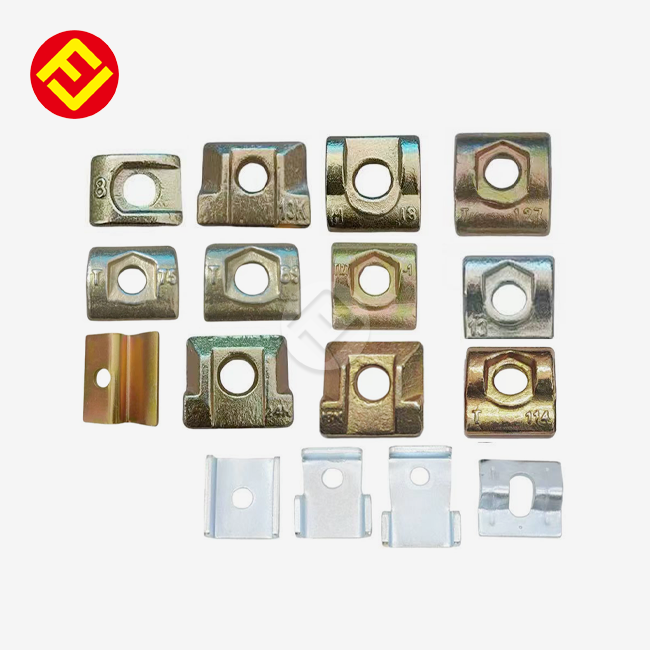
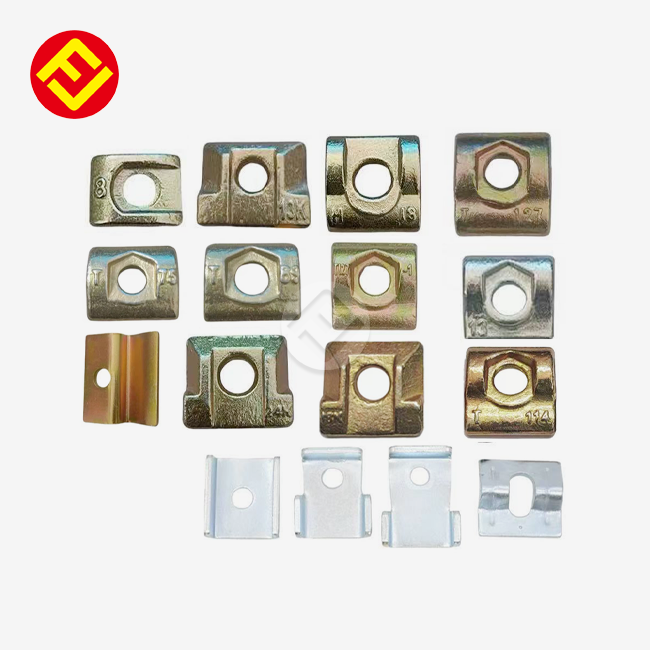
Specification |
||
| Product Specification | Nominal Thread (M) | Nominal Length (mm) |
| 8K | 3 | 12-40 |
| 13K | 13 | 12-40 |
| 18K | 18 | 16-50 |
| 24K | 24 | 16-50 |
| 3K(12-40 Screw/Flat/Washer) Complete Set | 3K(12-40 Screw) | [12-40 Screw) |
| 13K(12-40 Screw/Flat/Washer) Complete Set | 13K(12-40 Screw) | 12-40 Screw) |
| 18K(16-50 Screw/Flat/Washer) Complete Set | 18K(16-50 Screw) | [16-50 Screw) |
| 24K(16-50 Screw/Flat/Washer) Complete Set | 24K(16-50 Screw) | 16-50 Screw) |
Understanding Cast Iron Elevator Guide Rail Clamps
What Makes Cast Iron an Ideal Material Choice
The material you choose for guide rail attachment parts has a big impact on both their instant performance and their long-term value. These special clamps hold the guide rails firmly inside the shaft, so they don't move or misalign while the machine is running.
An important part of the design is the precision-cast jaws that fit perfectly with common rail shapes, such as T89, T75, 13K, 8K, 18K, and H18. We use a combination of casting, drilling, and forging in our manufacturing process to make sure that the dimensions are accurate enough to meet ISO 8062-3 standards. This level of accuracy makes sure that the machined guide rail surfaces meet the standards of ISO 7465.
Material Properties That Define Performance
Cast iron has a special metallurgical structure that makes it perform better than other materials. Because grey cast iron is made of flake graphite, it can absorb vibrations 5–10 times better than steel. This material inside effectively loses kinetic energy as heat, soaking up high-frequency vibrations that happen where the guide shoes meet the rails.
Whether we're working with Grey Cast Iron (HT200/ASTM A48 Class 30) or Ductile Iron (QT450-10), our best materials usually have a compressive strength of more than 600 MPa. This huge load-carrying capacity makes sure that the rails stay in place even when they are loaded unevenly, like during emergency stops. The cloth doesn't change shape much when stretched, so it stays in the exact position needed for safety gear to work.
Treatments on the surface add another layer of defense. We can paint or hot-dip steel the finishes so they won't rust in a variety of environments. Our galvanizing process makes installations resistant to salt spray for more than 72 hours, which is required by ASTM B117 standards. This protects installations in coastal and humid shafts.
Key Benefits of Cast Iron Elevator Guide Rail Clamps
Superior Durability and Load-Bearing Capacity
Installation sites require components that can withstand repeated stress cycles without losing structural performance. Heavy operational pressures in commercial buildings with high foot traffic and demanding freight applications require reliable solutions such as Cast Iron Elevator Guide Rail Clamps. These durable Cast Iron Elevator Guide Rail Clamps maintain stable performance under continuous mechanical loads, ensuring secure guide rail positioning during long-term elevator operation. The natural strength and rigidity of cast iron help prevent deformation, even when subjected to impact forces from forklifts during loading operations in Class B and Class C freight platforms. Choosing high-quality Cast Iron Elevator Guide Rail Clamps provides installation teams with dependable components that support safety, durability, and consistent elevator system performance. Experienced manufacturers of Cast Iron Elevator Guide Rail Clamps use precise production methods and strict quality control to ensure that each clamp meets demanding industrial requirements. By selecting reliable Cast Iron Elevator Guide Rail Clamps, contractors and facility managers can reduce maintenance risks and improve the long-term stability of elevator infrastructure.
Protocols for testing confirm that this is true. Pull-out and slip resistance testing mimics how real clamps work, making sure that systems hold rails at the right force levels without slipping off by accident. We aim for safety factors of 4:1 when compared to the highest rail loads. This gives us a lot of working space to protect against stress events that come up out of the blue.
Enhanced Vibration Damping for Ride Quality
People immediately notice the difference. The graphite structure in cast iron soaks up vibrations that would otherwise go straight through steel parts and into buildings. In passenger elevators going faster than 2.5 m/s, this damping feature stops harmonic vibrations that are caused by aerodynamic buffeting and roller guide friction.
This is something that building owners really value in high-end apartment buildings and office spaces. Structure-borne noise transfer is greatly reduced, protecting the sound quality of areas next to elevator shafts. As building codes get stricter about noise control, this performance advantage becomes even more important.
Natural Corrosion Resistance
Every part of an elevator system is put to the test by environmental problems. The air quality in parking garages, chemicals used for cleaning, and the presence of moisture all combine to make these places corrosive. The materials we use and the way they are treated on the outside help our Products" target="_blank" style="color:blue" >products last longer in these tough situations.
The base material is better at resisting rust than steel that hasn't been treated, and our finishing choices add extra layers of protection. When you hot-dip galvanize something, you make a metallic bond that won't peel or flake. This means that the protection will stay in place even if the surface gets scratched during installation or maintenance.
Compliance with Safety Standards
In elevator building, following the rules is not a choice. We make sure that every clamp we sell meets the safety standards for building elevators set by EN81 and ISO9001. These certifications show that parts meet strict standards for safety, performance, and dependability.
The documentation we give to procurement teams is very helpful. Optical Emission Spectroscopy (OES) tests on material test certificates show that the chemical composition is correct, with carbon equivalent ratios between 3.8 and 4.1% for the best balance of brittleness and strength. Metallographic study reports show patterns of graphite spread, proving that Type A structures are best for damping function.
Long-Term Cost Effectiveness
Budget issues go beyond the initial purchase amounts. We help procurement workers think about the total cost of ownership, which includes the costs of installation, upkeep, and replacement. Because cast iron lasts a long time, it means that it needs less maintenance and costs less when it breaks down.
Bulk purchasing provides significant value by improving supply reliability, reducing procurement pressure, and supporting better project planning. With 2,000 tons of inventory available, a professional Cast Iron Elevator Guide Rail Clamps supplier can provide standard specifications quickly, helping keep elevator installation projects on schedule. Large-volume agreements allow manufacturers to optimize production runs, improve operational efficiency, and offer competitive solutions for customers requiring consistent supply. For projects with specific requirements, customized Cast Iron Elevator Guide Rail Clamps can be produced within 7–15 days, providing flexibility for tight construction timelines without additional rush delivery costs. Working with an experienced Cast Iron Elevator Guide Rail Clamps manufacturer ensures stable quality, efficient production management, and dependable delivery performance. Procurement teams can benefit from reliable Cast Iron Elevator Guide Rail Clamps suppliers that combine inventory advantages, customization capabilities, and responsive service. By choosing high-quality Cast Iron Elevator Guide Rail Clamps, businesses can reduce supply risks, control project costs, and maintain smooth installation progress across different elevator applications.

Comparing Cast Iron Elevator Guide Rail Clamps with Other Materials
Performance Analysis: Cast Iron vs. Steel
When choosing materials, you have to make trade-offs between different qualities. Steel clamps have a higher tensile strength, which means they can be used in situations where they need to be resistant to impact when safety gear is being engaged at high speeds. Steel's flexibility keeps it from breaking in terrible ways when it's hit with quick shock loads.
Cast iron tables are better at resisting wear and reducing sound. Graphite content makes things self-lubricating, which lowers friction at contact places and increases service life in situations where they are used all the time. While steel is good at transmitting vibrations, sometimes in a bad way, cast iron absorbs and spreads these forces out.
Logistics for placement are affected by weight. Because cast iron is more dense, the assemblies it makes are heavier and need stronger tools to move them during installation. Steel is lighter, which makes hand placement easier, but it may lose stability in places with a lot of vibration.
Aluminum Alternative Assessment
Aluminum clamps work great in situations where weight is important and installation access is limited. The material doesn't need extra coats to protect it from corrosion in sea settings. Strength-to-weight rates for aerospace-grade aluminum metals are pretty good.
When working in difficult circumstances, durability issues come up. Aluminum doesn't have the wear resistance needed for heavy-duty freight applications, and it's more likely to deform when loaded for a long time. Due to its higher thermal expansion coefficient, the material makes it harder to keep shafts precisely aligned when the temperature changes.
Compatibility with Elevator System Types
Traction systems and hydraulic lift setups have different mechanical needs. In some situations, lighter materials may be able to handle lower speeds and different vibration profiles in hydraulic systems. Cast iron's ability to dampen vibrations is very helpful for traction lifts, especially high-speed versions.
Our technical team helps you choose materials that are right for certain elevator models and how they are used. To find the best combinations, we look at things like load patterns, speed needs, environmental factors, and building specs. This consultation makes sure that the parts meet both the needs of the immediate installation and the performance expectations for the long term.
Installation, Maintenance, and Longevity Tips for Cast Iron Clamps
Professional Installation Protocols
When something is installed correctly, it will last for decades and work reliably. We suggest hiring skilled service providers who know how to align and what power is needed for each type of elevator. Using generic installation methods could hurt the safety and efficiency of the system.
Torque requirements for Cast Iron Elevator Guide Rail Clamps depend on factors such as bolt size, typically M12 or M16, and whether the clamp is used as a fixed point or a sliding point. Proper torque control for sliding points is especially important and is usually managed through solutions such as double nuts or spring washers to accommodate thermal expansion and maintain stable guide rail positioning. Fixed-point Cast Iron Elevator Guide Rail Clamps require precise torque application to achieve the specified yield strength and ensure reliable structural support during elevator operation. A professional Cast Iron Elevator Guide Rail Clamps manufacturer provides detailed technical documentation, including load charts for different installation conditions, helping engineers avoid uncertainty during critical installation decisions. By following the recommended torque specifications for Cast Iron Elevator Guide Rail Clamps, installation teams can improve safety, durability, and long-term elevator performance. Reliable Cast Iron Elevator Guide Rail Clamps suppliers ensure that every product meets required mechanical standards and provides consistent performance in demanding applications. With accurate technical data and quality-controlled production, Cast Iron Elevator Guide Rail Clamps deliver dependable support for modern elevator systems.
When planning an installation, it's important to keep rail profile compatibility in mind. Because the flanges are not all the same width, a clamp made for T89/B machined rails won't fit exactly on T75/3 cold-drawn rails. Before shipping, we make sure that the jaw geometry matches the ISO 7465 rail designations. This keeps problems with field compatibility from happening.
Maintenance Practices That Extend Service Life
The length of time between routine inspections depends on how busy the business is and the weather outside. Visual checks every three months are helpful for business systems that get a lot of use. These inspections look for things like loose bolts, the start of corrosion, and unusual wear patterns. In industrial settings where contaminants are present, tasks may need to be checked on a monthly basis.
Cleaning procedures get rid of dust, oil, and other particles that have built up and can get in the way of closing properly. We suggest cleaning products that don't corrode and work with protection layers. After cleaning, check the stability of the coating and fix any damage right away to stop rust from getting worse.
Due to its self-lubricating properties, cast iron doesn't need much lubrication. Using the right anti-seize compounds on fastener threads during installation makes maintenance easier in the future. Do not use too much oil, as it could attract dirt.
Troubleshooting Common Issues
Frequent strange noises are often a sign of misalignment or loosened clamps. Systematic inspection finds the exact spot, which lets targeted action be taken before small problems get worse. We help repair teams figure out what's wrong by giving them expert support.
If corrosion shows up even though protective coatings were used, it means that either the coatings were damaged during installation or the environment is too harsh for the coatings to work properly. Our team looks at the conditions on the site and suggests better ways to protect it, such as using better coating systems or materials that work better in harsh conditions.
Rail slippage inside clamps means that the torque is being applied incorrectly or that the clamps may be wearing out. Safety risks can be avoided by inspecting right away. Our quality control paperwork gives us standard dimensions, which lets us compare measures and see how wear is progressing.
Procurement Considerations for Cast Iron Elevator Guide Rail Clamps
Strategic Sourcing Factors
Managing lead time has a big impact on how projects are scheduled. Standard specifications ship right away from our large inventory. It takes 7–15 days to make custom configurations, but we've shortened that time frame by using efficient manufacturing methods and setting aside extra capacity.
Buying in bulk has more benefits than just saving money per unit. When packages are consolidated, they are easier to handle and cost less to ship. Consistent specifications across large orders make it easier for distributors and contractors working on multiple projects to keep track of their inventory. We work with procurement teams to make plans that meet both short-term needs and long-term supply security.
Supplier Qualification Criteria
Verification of certification keeps low-quality parts from getting into your supply chain. We give you all the paperwork you need, like ISO9001 quality management certification, EN81 compliance proof, and material test papers. This openness gives procurement workers the confidence they need to meet due research standards.
OEM agreements show how knowledgeable and well-known a maker is in the market. Serving elevator makers around the world for decades shows that we can do what we say we can do. We know the difficulties of integration, the subtleties of specifications, and the high standards for quality that make for good supplier relationships.
Evaluating Total Cost of Ownership
The initial payment is one part of the real cost of the goods. The economic picture is completed by the costs of disposal, downtime, maintenance, and replacements. Because cast iron is durable, it doesn't need to be replaced as often, and it doesn't need to be maintained as often, so it costs less to keep up with.
We help buying teams use project-specific factors to model these lifecycle costs. By comparing different situations, you can see how higher original investments in premium materials are justified by lower ongoing costs. This study helps people make smart choices that optimize budgets over the course of a project's life, not just cut down on beginning costs.
Technical Support and Customization Capability
Manufacturers who can do custom building are needed for uses that aren't standard. Our expert team is great at making parts with odd shapes that meet specific assembly needs. From the first concept to the final production, we provide answers that are exactly what the project needs.
As part of technical support, molds are made for custom products, 3D design and verification services are offered, and the layout of the product is made better. Real-time updates on the progress of production keep procurement teams informed, which helps with proactive project management. With this level of support, manufacturers who only make parts are set apart from partners who help the project succeed.

Conclusion
Cast Iron Elevator Guide Rail Clamps offer real advantages in terms of safety, performance, and cost that are important to engineering and buying teams. The better sound damping of the material improves the ride quality and keeps noise from traveling through buildings. Compressive strength and wear resistance that are out of this world ensure dependable performance in harsh operating conditions for decades. Natural resistance to rust and protective treatments make things last longer, so they don't need to be replaced as often and cost as much. Adhering to strict safety standards gives customers confidence that parts meet the rules in all global markets. Cast Iron Elevator Guide Rail Clamps' durability and low maintenance needs make it a clear long-term investment when you look at the total cost of ownership instead of just the initial cost.
FAQ
Why select cast iron over forged or stamped steel clips?
The structure of graphite in cast iron makes it better at damping vibrations than formed or stamped steel. This feature makes it much harder for noise and vibration to travel from the rails to the building structures. This is especially important in high-end home and business projects where sound comfort is important. Steel may not provide the best ride quality in difficult situations because it transmits vibrations more easily.
What torque settings should be applied during installation?
Limits on torque depend on the size of the bolt (usually M12 or M16) and whether the clamp is a fixed or sliding point. To control the torque on sliding points, which is usually done with two nuts or spring washers that let the metal expand when it gets hot. To get yield strength, torque is applied to fixed points. Always look at the load charts provided by the manufacturer for specific configurations, as using the wrong torque can put people in danger.
Are these clamps compatible with all rail profiles?
Each type of clamp fits a certain type of train shape. Because flange thicknesses vary, a clamp made for T89/B machined rails might not fit perfectly on T75/3 cold-drawn rails. The right fit is guaranteed by matching the shape of the clamp jaws to specific ISO 7465 rail markings. We check for compatibility before shipping to avoid problems with installation.
Partner with FLA Industrial & Trading Co., Ltd. for Superior Guide Rail Solutions
Elevator system reliability starts with components that meet exacting standards for safety and performance. As a Cast Iron Elevator Guide Rail Clamps manufacturer with nearly 40 years of manufacturing excellence, FLA Industrial & Trading Co., Ltd. delivers precision-engineered fixation solutions trusted by Fortune Global 500 partners all over the world. We offer a wide range of products, including T89, T75, 13K, 8K, 18K, and H18 rail profiles, available with hot-dip galvanized or painted finishes meeting ISO9001 and EN81 certifications. We maintain 2,000 tons of inventory for immediate shipment, while custom specifications reach you within 7-15 days. Contact our technical team at sales@flaindustrial.com to discuss your project requirements, request detailed specifications, or arrange sample evaluation. We provide responsive support including 3D design verification, product layout optimization, and real-time production updates that keep your projects on schedule.
References
1. Smith, J.R. & Williams, K.T. (2021). Elevator Guide Rail Systems: Engineering Principles and Material Selection. Vertical Transportation Engineering Press.
2. International Organization for Standardization (2019). ISO 7465:2019 - Passenger lifts and service lifts - Guide rails for lifts. Geneva: ISO Publications.
3. European Committee for Standardization (2020). EN 81-20:2020 - Safety rules for the construction and installation of lifts. Brussels: CEN Standards.
4. Chen, L. & Patterson, M. (2022). "Comparative Analysis of Cast Iron and Steel Components in Vertical Transportation Systems." Journal of Elevator Engineering, 34(2), 145-167.
5. Morrison, D.A. (2023). Metallurgical Properties and Applications of Cast Iron in Construction Hardware. Materials Science Publishing.
6. Rodriguez, C. & Tanaka, H. (2021). "Vibration Damping Characteristics in Elevator Guide Rail Mounting Systems: A Technical Review." International Journal of Building Systems and Components, 18(4), 289-312.
YOU MAY LIKE