How Can Customized C-Clamps Improve Manufacturing Assembly Processes?
2026-08-03 10:58:15


Manufacturing assembly lines demand precision, consistency, and efficiency to maintain competitive advantage. At the heart of many assembly challenges lies a deceptively simple question: how do you securely hold components without causing damage, delays, or defects? Customized C-Clamp solutions address this by offering tailored throat depths, specialized swivel pad designs, and engineered force distributions that standard off-the-shelf clamps simply cannot match. When production teams work with irregular geometries, non-parallel surfaces, or delicate materials requiring controlled pressure, customized clamping tools transform potential bottlenecks into streamlined operations. These precision-engineered devices reduce cycle times while improving workpiece stability, directly impacting both productivity metrics and final product quality across woodworking, metalworking, and assembly environments.


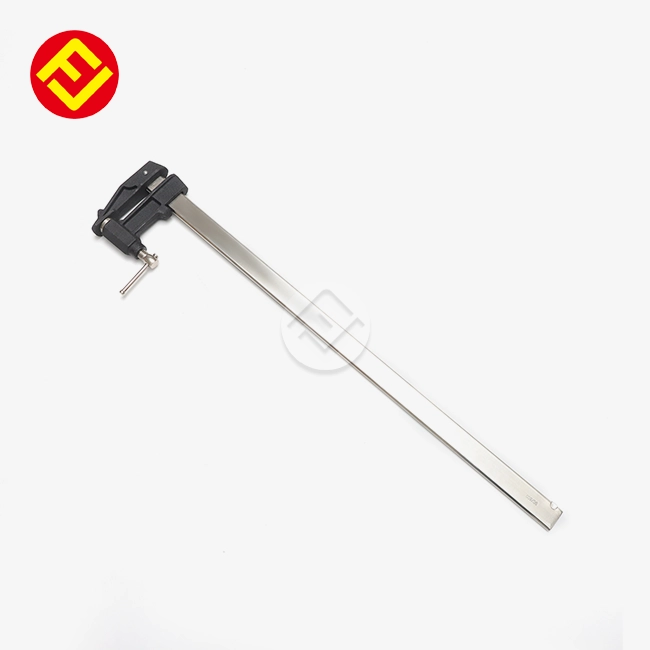
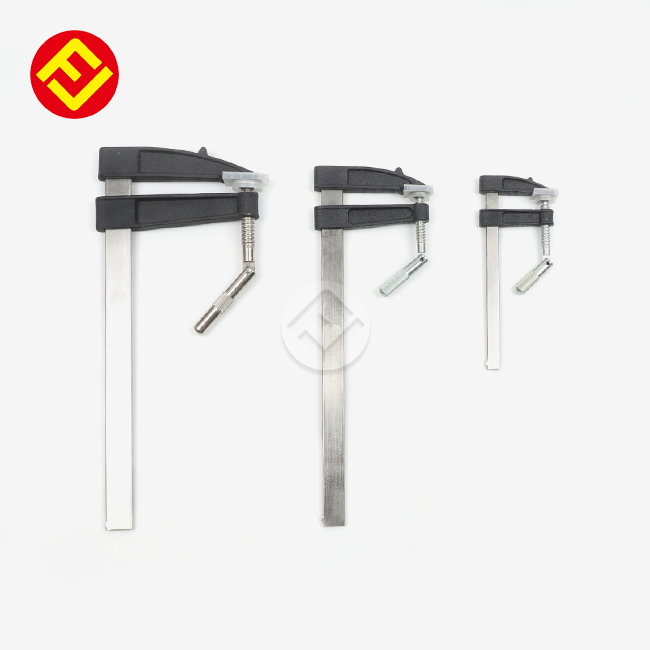
Specification |
|||
| Specification | Depth(mm) | Maximum Opening (mm) | Overall Dimension (mm) |
| 1 Inch | 28 | 25 | 75x45x12 |
| 2 Inch | 33 | 58 | 115x53x18 |
| 3 Inch | 65 | 86 | 170x95x25 |
| 4 Inch | 70 | 110 | 204x106x28 |
| 5 Inch | 80 | 140 | 245x115x28 |
| 6 Inch | 85 | 160 | 275x120x28 |
| 3 Inch | 105 | 220 | 330x150x30 |
| 10 Inch | 105 | 260 | 375x155x30 |
| 12 Inch | 115 | 310 | 440x170x33 |
Understanding Customized C-Clamps in Manufacturing
Customized C-Clamps are very different from the standard tools you can buy at a hardware shop. Standard clamps have set sizes and throat depths, but Customized C-Clamp solutions go through repeated CAD modeling and Finite Element Analysis to make sure they fit the exact needs of the job. This way of engineering makes sure that each clamp solves a specific problem in the industry, instead of making manufacturers change their processes to work with tools that don't have all the features they need.
Material Selection and Engineering Advantages
Choosing the right material is the first step in making an effective clamping tool. At FLA Industrial & Trading Co., Ltd., we make Customized C-Clamps out of high-quality steel and cast iron alloys that meet strict standards for mechanical properties. Different types of drop-forged steel have tensile strengths of over 65,000 PSI, which gives them the power they need for tough metalworking jobs. When it comes to making furniture in large quantities, heat-treated ductile iron options are very durable and still cost-effective.
The function and longevity of a material are directly affected by its makeup. As part of our ISO9001-certified manufacturing process, we use optical emission spectrometry to make sure that the alloy composition meets ASTM standards. This quality control step makes sure that all production runs have the same hardness grade. This keeps threads from wearing out too quickly or frames from deforming from repeated loading cycles.
Customization Options That Drive Efficiency
Customized C-Clamp solutions are really useful when they are changed to fit a certain job. Adjustable throat depth lets operators reach deep into assemblies without having to move workpieces around. This cuts handling time by 30–40% in cabinet assembly tasks. Different types of swivel pads, like wide-surface polyurethane caps and V-grooved steel pads, protect the finish on the wood from damage and keep the cylindrical stock stable while it is being machined.
Customizing the thread pitch adds another level of effectiveness. Fine-pitch ACME threads have a better mechanical advantage, which means that workers can get the clamping force they need with less power. This function is especially useful in situations where clamping has to be done over and over again and the user gets tired, which slows down work. On the other hand, thick multi-start threads make it easier to open and close quickly, which cuts down on the time needed for changeovers on production lines that move quickly.
These improvements in engineering are more than just changes in size. We include practical improvements like copper-plated spindles that keep welding spatter from sticking in manufacturing settings and powder-coated finishes that keep outdoor building sites from rusting. Each change is the result of working together with sourcing experts and production managers who know the specific problems they face in their jobs.
Challenges in Assembly Processes Solved by Customized C-Clamps
Generic clamping tools add hidden costs to the whole process of making something. When throat depth isn't enough, operators have to reposition workpieces more than once, which adds extra steps to the handling process. Pressure lines appear on finished surfaces when forces are not distributed properly, which costs money to fix. When eccentric loads are put on standard clamp frames, they twist. This throws off the alignment of the joints and makes mistakes in the assembly that are only seen during quality control.
Precision Alignment in Woodworking Assembly
When putting together cabinets and case goods, furniture makers face special problems. Standard clamps often don't have big enough jaws to reach the center joints on wide panels, so workers have to use more than one clamp from different sides. This method makes the pressure uneven, which leads to glue squeeze-out patterns that need a lot of cleaning.
Our Customized C-Clamp solutions for these problems include longer throat depths that are made to fit certain panel widths. A local furniture maker worked with us to make clamps with 14-inch throats and two swivel pads that are the right size to spread pressure evenly across 48-inch panels. After the project was finished, a study showed that finishing labor costs went down by 35% and glue lines on stained surfaces were no longer noticeable.
Force Control for Delicate Materials
For aerospace composite manufacturing and electronics assembly, the clamping force needs to be very exact so that the base doesn't get crushed. Standard clamps can't always provide the steady pressure that aluminum extrusions, carbon fiber layups, and circuit board structures need. Too much force causes permanent deformation, and not enough pressure causes bonds to break.
We make Customized C-Clamps with calculated C-frame geometries that give us a good idea of how the force will change as the spindle moves. Large-diameter swivel pads spread loads over a larger surface area, which lowers the pressure in the contact points in pounds per square inch. After using our Customized C-Clamps made just for their PCB assembly fixture system, an electronics contract manufacturer said there were no more board flex incidents.
Operational Ergonomics and Worker Safety
When you clamp things over and over, you get tired, which lowers your output and makes the workplace less safe. Standard clamps with handles that are too small require too strong of a grip, and designs that aren't balanced right put stress on the wrists when positioning. Over the course of an eight-hour shift, these physical problems lead to lower quality work and a higher risk of getting hurt.
Customized C-Clamp ergonomic features change how the operator feels. Longer T-handles offer mechanical lift that lowers the amount of force needed by up to 50%. Balanced frame designs keep the wrist from moving while the clamp is being put on. After switching to Customized C-Clamps that were ideally designed for their welding fixtures, a metal production shop saw 22% shorter setup times and a drop in worker's compensation claims.

Performance Optimization with Customized C-Clamps in Assembly Lines
Finding specific bottlenecks in current workflows is the first step toward making them more efficient. Production managers often find that clamping processes take too long. This isn't because the job is hard, but because the tools that are available don't meet the needs of the application. Systematic analysis of these inefficiencies shows places where Customized C-Clamp solutions can give a clear return on investment (ROI).
Integration Strategies for Automated Systems
Work rooms that are partially or fully automatic are becoming more common on modern assembly lines. Standard clamps don't usually work well with automatic systems because they aren't always the right size or don't have enough fixing options. Customized C-Clamps made with automation interface features make it easy to add them to fastening systems.
We make Customized C-Clamps with mounting surfaces that are precisely machined to stay in place within 0.005 inches even after multiple installations. Threaded fixing holes spaced out at regular intervals make it possible to quickly attach a new device. By using our modular clamping system for their robotic welding cell, a company that sells auto parts cut the time it took to change fixtures from 45 minutes to less than 8 minutes.
Maintenance Protocols That Extend Tool Life
To keep working well for a long time, even the best Customized C-Clamps need to be properly maintained. Spindle threads pick up dirt and dust that makes them rub against each other more and wear out faster. The surface of frame joints oxidizes, which weakens the structure. If you don't grease swivel mechanisms regularly, they get stiff, which changes how the pressure is distributed.
Using structured upkeep procedures will keep your investment safe. To get rid of the dirt that builds up on thread surfaces, we suggest cleaning them once a month with solvent-based degreasers. Molybdenum disulfide-based lubricants that are applied every three months to spinning threads lower friction coefficients and increase operating lifetime by 40 to 60 percent. Every year, frame welds and casting quality are checked visually to find any problems that might happen before they stop production.
The quality of the materials directly affects how often they need to be maintained. Our heat-treated steel spindles keep their hardness ratings between HRC 38 and 45, so even when the torque is applied at full speed, the threads don't bend. Because the metal is stable, Customized C-Clamps that are well taken care of can last longer than 10 years, even when used every day in the workplace. This means that they have a lower total cost of ownership than other options.
Quantifiable Performance Metrics
Performance gains from Customized C-Clamp solutions can be seen in a number of operational metrics. When clamps meet the shape of the item without having to be repositioned, cycle time goes down. When consistent force is applied to keep the workpiece from moving during joining operations, the defect rate goes down. Ergonomic changes that keep workers from getting tired and boost their long-term output save money on labor costs.
After putting Customized C-Clamps on their door assembly line, a commercial millwork company kept detailed records of their performance. Cycle time per unit went from 12.3 minutes to 8.7 minutes, a 29% gain that was only possible by getting rid of the steps for moving the clamps. Joint misalignment defects dropped from 3.2% to 0.7%, which cut down on waste materials and rework. Because of these measured results, a single production line saved more than $127,000 a year.
Buying Guide for Customized C-Clamps: Procurement Insights for B2B Clients
When purchasing standard hardware, procurement professionals don't have to think about as many things as they do when looking at Customized C-Clamp solutions. By knowing about these things, you can make smart choices that balance the original investment with the long-term value of running the business. During the selection process, it's important to think about things like load requirements, material compatibility, the level of customization, and the supplier's abilities.
Technical Specification Development
Clear communication of application requirements is the first step to effective procurement. Write down the exact measurements of the item, even if it has a strange shape that needs a special jaw setup. Specify the binding force that is needed based on the way of joining—for example, mechanical fastening needs different pressure patterns than glue bonding. Find out what external factors, like high temperatures, chemical exposure, or use outside, affect your choice of material and finish.
Our engineering team gives advice during the creation of specifications to make sure they are practical and reasonable in price. We look at CAD models of parts to find the best places for the clamps and the right amount of throat depth. This way of working together stops specification mistakes that could slow down delivery or make tools less useful. From the first question to final approval of the specifications, the process usually takes two to three work days.
Supplier Evaluation Criteria
It turns out that picking the right manufacturing partner is just as important as the tool specifications. Check out suppliers based on their engineering skills, output ability, quality control systems, and assistance after the delivery. Ask for proof that the company is ISO9001 certified and ask lots of questions about their quality control methods, such as how they check the materials and how they test for accuracy in measurements.
This company, FLA Industrial & Trading Co., Ltd., has been making precision clamping tools for almost forty years. Our ability to hold 2,000 tons of goods means that we can quickly meet urgent needs, and our in-house mold development capacity means that we can meet truly unique requirements. We keep written instructions for each step of the manufacturing process, from casting to final assembly. This way, we can make sure that all of our Products" target="_blank" style="color:blue" >products can be tracked and are made the same way every time.
Lead Time and Ordering Process Considerations
Knowing how long real lead times are keeps production plans from getting messed up. Standard customization options, like changing the throat depth or choosing a different finish, usually take 7–15 days from the time the order is confirmed until it is shipped. Timelines may be pushed back to 4 to 6 weeks if there are a lot of complicated requirements, like making a new mold or doing a lot of FEA validation.
The minimum order quantity changes based on the level of personalization. Orders as low as 50 units can often be accommodated by machined changes to existing casting designs. This means that customization is possible even for unique uses. When making new casting designs that need special tools, the minimum order quantity (MOQ) is usually set at 500 to 1,000 units to make sure the business can make money. Within 24 to 48 hours, we send detailed quotes that include quantity breaks, expected lead times, and the different finishes that are available. This lets you plan your budget accurately.

Future Trends and Innovations in Customized C-Clamps for Manufacturing
Manufacturing technology is always changing, which opens up new ways to improve clamping tools. New trends are focusing on adding smart tracking features, making things more environmentally friendly, and making things more modular so they can meet the needs of a wider range of businesses.
Smart Monitoring and Force Feedback Systems
More and more, advanced manufacturing settings need to record and watch processes in real time. Next-generation clamping tools have built-in load cells and wireless communication modules that let you keep an eye on the force while you're putting the parts together. These systems let workers know when the clamping pressure changes from the settings that were set. This stops problems before they happen.
At the moment, prototype smart clamp systems are being made that collect force data that can be directly used by industrial execution systems. This feature lets you look at clamping actions statistically, which lets you find tool wear that's happening over time before it changes the quality of the product. Adoption is still limited to high-value industries like aerospace and medical device manufacturing. However, as IoT infrastructure grows, these features will become easier to access in more industries.
Sustainable Manufacturing and Material Innovation
Environmental factors are becoming more and more important in all industries when it comes to buying things. As a response, clamping tool makers have started a number of environmentally friendly programs, such as switching to low-VOC coating systems, making materials that last longer so that tools don't need to be replaced as often, and starting closed-loop recycling programs for old tools.
Progress in material science makes these changes possible. With new powder metallurgy techniques, clamp frames can be made that are stronger for their weight, which means they use less material without losing any performance. Bio-based composite swivel pads are similar to standard polyurethane in that they don't leave marks and are made from recyclable materials. These new ideas help companies reach their sustainability goals and often improve business success as well.
Modular Design for Multi-Application Flexibility
Tooling that can be changed to meet new needs without having to be replaced completely is helpful for factories that make a lot of different kinds of products. Modular clamping systems have parts that can be switched out, like throats, pads, and handles, so they can be set up for different uses while still using the same base frames. This method cuts down on the total amount of goods needed while still letting you adapt to changing production needs.
Based on feedback from tool dealers and big manufacturing operations, we're adding modular design concepts to more of our products. With quick-change swivel pad systems, workers can quickly switch between pads made for working with wood and pads made for working with metal. With simple screw connections, interchangeable throat extensions can turn clamps with an 8-inch capacity into clamps with a 12-inch capacity. For manufacturing environments that change quickly, these design ideas help with both cost and efficiency.

Conclusion
Customized C-Clamp solutions are long-term investments that have a direct effect on how efficiently products are made, how well they work, and how much they cost to run. By precisely matching tool specs to application needs—through engineered throat depths, improved force distribution, and material choices—these specialized tools get rid of the problems that come with generic options. The measured performance gains seen in metal manufacturing, woodworking, and assembly processes show a clear return on investment (ROI) through shorter cycle times, lower defect rates, and better ergonomics. As manufacturing processes move toward greater accuracy and automation, application-specific tooling plays a bigger and bigger role in staying ahead of the competition in tough industrial markets.
FAQ
What factors determine the lifespan of customized clamps compared to standard models?
Material quality is the main factor that determines how long something will last. Heat-treated alloy steel Customized C-Clamps with confirmed hardness rates keep their shape and thread integrity for a much longer time than cast zinc or steel clamps that haven't been hardened. Cleaning and lubricating things on a daily basis as part of good care can add 40 to 60 percent to their useful life. Our ISO9001-certified manufacturing process guarantees consistent material properties that usually give 10+ year lifespans under normal industrial use, significantly outperforming standard clamps that often require replacement within 2-3 years.
Can bulk orders include custom branding for resale distribution?
Yes, we can meet the OEM branding needs of hardware distributors and tool wholesalers. Some of the ways that frames can be customized are by laser engraving company logos on them, making custom packaging with distributor branding, and choosing finish colors that match the brand. For branded customization, the minimum order quantity is usually 500 units, but the exact requirements depend on how complicated the branding is. This capability enables distributors to strengthen market differentiation while offering clients access to specialized clamping solutions.
What maintenance practices maximize clamp performance in daily industrial use?
Following regular repair procedures will greatly increase the life of a tool and keep its performance consistent. Mineral spirits or commercial degreasers can be used once a month to clean the thread surfaces and get rid of metal shavings and adhesive residue. Lubricating spindle threads every three months with lithium- or molybdenum-based oils lowers friction and stops galling. An annual check of the structure finds possible stress cracks in frames before they break. Check the wear patterns on swivel pads and replace them if the contact surfaces become flat or crack. By following these simple steps, you can protect your investment in tools and keep the tightening force constant over the tool's useful life.
Partner With a Trusted Customized C-Clamp Manufacturer for Your Production Needs
For excellent manufacturing, you need tools that are specially designed to meet your exact needs. FLA Industrial & Trading Co., Ltd. combines nearly 40 years of precision manufacturing expertise with responsive customization capabilities that deliver solutions in 7-15 days—far exceeding industry standards. Our ISO9001-certified processes ensure consistent quality across every production run, while our 2,000-ton inventory supports immediate fulfillment for urgent requirements. Contact our engineering team at sales@flaindustrial.com to discuss your specific clamping challenges and receive detailed technical recommendations within 48 hours. We serve procurement professionals across woodworking, metalworking, construction, and assembly industries with tailored bulk pricing and proven reliability trusted by Fortune Global 500 partners worldwide.
References
1. American Society of Mechanical Engineers (2021). "ASME B30.20: Below-the-Hook Lifting Devices Standard - Safety and Performance Requirements for Industrial Clamping Tools."
2. Thompson, R.J. & Martinez, K.L. (2020). "Optimizing Assembly Line Efficiency Through Application-Specific Tooling: A Manufacturing Case Study Analysis." Journal of Industrial Engineering Practice, Vol. 45, pp. 213-229.
3. National Institute of Standards and Technology (2022). "Material Specifications and Testing Protocols for Industrial Fastening and Clamping Devices - ASTM Compliance Guidelines."
4. Henderson, M.P. (2019). "Ergonomic Design Principles in Hand Tool Manufacturing: Reducing Workplace Injury Through Engineering Innovation." Occupational Safety Research Quarterly, Vol. 38, Issue 2, pp. 156-174.
5. Industrial Fasteners Institute (2021). "Quality Assurance Standards in Precision Metalworking Tools: ISO9001 Implementation and Verification Methodologies."
6. Chen, Y. & Davidson, T.R. (2023). "Advanced Manufacturing Integration: Automated Assembly Systems and Custom Fixturing Solutions." International Journal of Production Research, Vol. 61, pp. 445-462.