What Makes British F-Clamps Suitable for Professional Woodworking and Fabrication?
2026-08-14 10:00:56


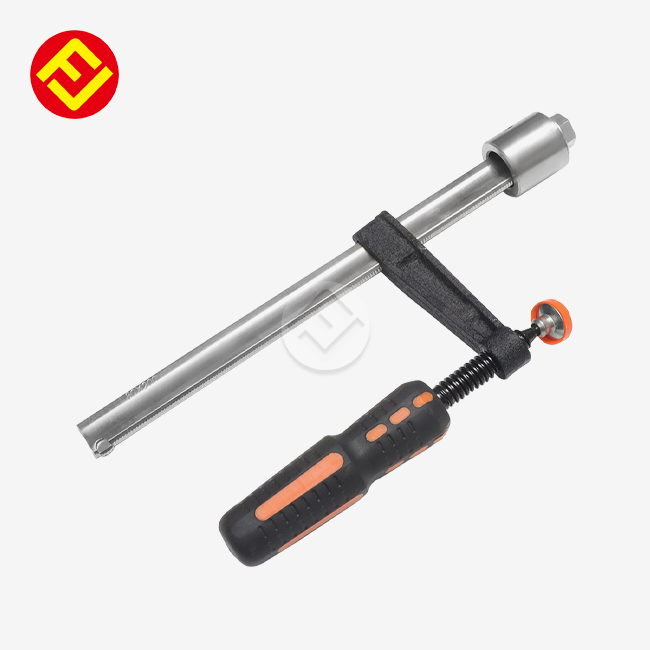
F-Clamps/british-f-clamp">British F-Clamps have earned their reputation as indispensable tools in professional workshops due to their exceptional build quality and precision engineering. Constructed from malleable cast iron and robust steel rails with integrated screw rods, these clamps deliver superior holding power and consistent pressure distribution across demanding applications. Whether you're assembling furniture, installing cabinets, or working on welding projects, the British F-Clamp combines traditional engineering excellence with modern manufacturing processes, providing the stability and durability professionals need when precision matters most.


Specification |
|||
| Specification Model | Maximum Clamping Distance (mm) | Throat Depth(mm) | Total Length(mm) |
| Premium F-Clamp 200x80mm Guide Rail(15.5x7.5) | 200 | 80 | 260 |
| Premium F-Clamp 300x80mm Guide Rail (15.5x7.5) | 300 | 80 | 358 |
| Premium F-Clamp 400x80mm Guide Rail (15.5x7.5) | 400 | 80 | 460 |
| Premium F-Clamp 500x80mm Guide Rail (15.5x7.5) | 500 | 80 | 558 |
| Premium F-Clamp 800x80mm Guide Rail (15.5x7.5) | 300 | 80 | 366 |
| Premium F-Clamp 1000x80mm Guide Rail (15.5x7.5) | 1000 | 30 | 1062 |
| Premium F-Clamp 1200x80mm Guide Rail(15.5x7.5) | 1200 | 80 | 1255 |
Understanding British F-Clamps and Their Unique Features
Heritage of Precision Engineering
The British F-Clamp is the result of many years of improving how tools are made. Unlike regular clamping tools, these are carefully designed with accurate measurements and the ability to hold weight in mind. The unique design includes a steel rail with serrated edges that lock automatically when they are loaded. This keeps them from slipping like smooth-bar options do. This mechanical locking system is very helpful when putting things together for a long time in crafts or keeping things lined up when making things out of metal.
The way these clamps were made is what makes them unique. It is very strong for its weight because it is made of cold-drawn steel rails and cast iron jaws that can be shaped. The iron can be shaped to absorb shock without breaking easily, and the steel rail won't bend under heavy pressing loads. This two-material approach solves one of the most important problems in professional workshops: keeping the pressure steady over time without the tool deforming.
Material Composition and Build Quality
The jaw parts have to meet strict material standards, which are usually in line with ISO 1083. This guarantees a high tensile strength and consistent performance even when the temperature changes. It is possible to paint or zinc-plate the steel rails to make them resistant to corrosion in harsh workshop environments where chemicals and water are common.
Precision casting, forging, and machining are all parts of the manufacturing process. Each part has to fit within exact limits for size, which can only be done with precise measuring tools. The screw rod system has rolled trapezoidal threads that make adjustments smooth and easy to control and stop back-driving vibrations while the machine is running. With this thread design, you can fine-tune the clamping pressure to fit the needs of the material without damaging the item.
Dimensional Specifications That Matter
Throat depth and clamping distance are important specifications that show if an item is right for a certain job. Models made for professionals usually have throat depths between 80mm and 120mm and clamping capacities between 200mm and 1200mm. The standard rail profile, which is usually 15.5mm × 7.5mm for standard uses, keeps the rail stable and stops it from rotating while it's being used. This makes it easier to handle and store rails of all sizes.
The pressure plate has a swivel mechanism that can turn up to 15 degrees. This lets it fit objects that aren't parallel while still making a safe touch. This design feature is especially useful when working with stock that isn't straight or when clamping at an angle, which happens a lot when putting together furniture and cabinets.
Advantages of British F-Clamps in Woodworking and Fabrication
Professional metal fabricators and woodworkers always have to deal with problems like making sure that joints stay straight, keeping materials from moving while they're being worked on, and making sure that pressure is evenly distributed across big sections. British F-Clamps solve these problems with well-thought-out design that puts performance in real-world situations first.
Superior Clamping Force and Stability
It depends on the size and structure of the tool, but it can clamp up to 900 kg of weight. This strong binding power stops jaw displacement, which happens a lot with lighter-duty options. When putting together wooden furniture or sealing several layers, being able to apply and keep up high pressure is important to make sure that all glue lines are closed and the glue cures properly.
The reinforced casting geometry keeps the jaws from spreading out when they are under pressure, so they stay in place during the clamping cycle, and for British F-Clamp, this structural integrity is very important when working with materials that have a lot of internal tension or when putting together parts that have a lot of joints that need to cure at the same time, and deep-cut serrations on the rail connect with hardened steel cams in the moving arm to make a locking system that won't slip, and this stops "creep," or the slow loss of pressure that weakens joints, from happening. This structural integrity is very important when working with materials that have a lot of internal tension or when putting together parts that have a lot of joints that need to cure at the same time. Deep-cut serrations on the rail connect with hardened steel cams in the moving arm to make a locking system that won't slip. This stops "creep," or the slow loss of pressure that weakens joints, from happening.
Heat Resistance for Welding Applications
Metal fabrication shops have their own set of problems to solve. Sparks, conductive heat, and direct flame contact would quickly break down tools with plastic bodies. British F-Clamps are the best choice for tack welding because they are made of metal and can handle these circumstances. The tool can hold a steel plate or tube in place precisely while welding, so there is no chance of melting or the structure breaking.
The design that is resistant to heat is also useful for makers who work with hot materials or in places where the temperature is high. The painted or zinc-plated finish keeps the metal from rusting and can handle high and low temperatures that would damage other surface treatments.
Ergonomic Design for Extended Use
Even though they are built to last, these clamps are designed to be easy on the body so that users don't get tired after long periods of use. The design of the handle makes it easy to hold on to and tighten, so users can apply a lot of clamping force without straining their hands. This focus on ergonomics is especially important in production settings where workers use clamps a lot during their jobs.
The screw mechanism works smoothly, which helps the user get things done faster. The carefully designed threads can move all the way along their length without getting stuck, which lets you make quick changes between tightening processes. This responsiveness speeds up work that needs to be done in general manufacturing, cabinet installation, and other areas where saving time directly affects output.
Versatility Across Multiple Applications
British F-Clamps can be used in a wide range of business settings. In woodworking, they hold panels in place while they are being cut, drilled, or sanded. They also hold glued parts in place until the glue hardens. With the deep throat depth, you can reach the inside of larger panels, which means you can do more with just one tool.
Installers of cabinets carefully place parts during assembly, making sure they stay in place while securing hardware. Because the clamping distance can be changed, it can fit cabinets of different sizes without the need for different kinds of tools. Stable workpiece positioning keeps the piece from moving during tack welding, which helps welders make cleaner weld lines and more accurate joints.
When making furniture, makers put even pressure on all the joints, which supports complicated assemblies with many parts. During the building process, the clamps make sure that the corners are square and that everything is lined up correctly. This is very important for making sure that the furniture meets quality standards and fits together correctly when it's all put together.

Comparative Analysis: British F-Clamps vs Other Clamping Solutions
British vs American Design Philosophy
Different manufacturing priorities can be seen in the differences in design between British and American clamping tools. British models are known for having stronger steel parts and automatic locking systems that can handle loads of more than 600 kg. Light-duty models made in the United States often rely on rubbing against smooth bars and can hold loads of less than 150 kg.
The thickness of the bar is a fundamental difference. British F-Clamps are made with stronger steel parts that don't bend when they're under a lot of pressure, so they stay in the right place. Deep serrations give mechanical benefits that systems that rely on friction can't match. This difference in load capacity is very important for procurement professionals when they are looking at clamping solutions for projects involving hardwoods, laminated materials, or metal manufacturing.
Comparison with C-Clamps and Quick-Release Options
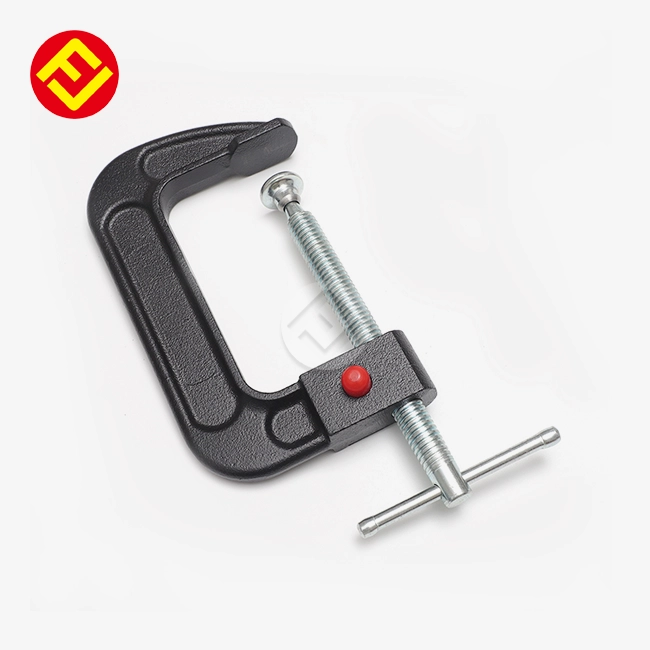
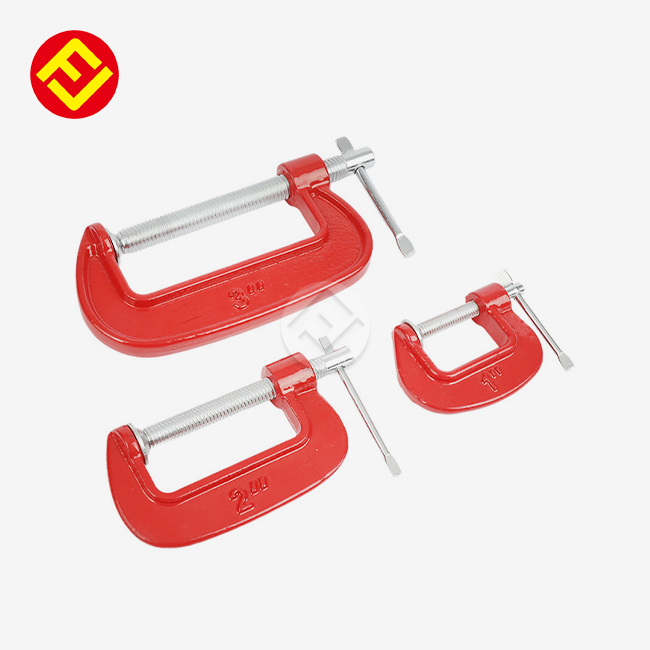
C-clamps are small and easy to use, but they don't have the throat depth or tightening distance of F-style clamps. The fixed throat of a C-clamp makes it hard to get to the inside of workpieces, which limits its uses. The length of British F-Clamps is increased while the binding force is the same.
With quick-release clamps, speed is more important than keeping power. Even though they work well for light-duty tasks and temporary placement, they can't provide the long-term high pressure needed for professional furniture manufacturing or building assembly. There are places where the trigger mechanisms in quick-release designs could fail that aren't there in the simpler, more durable screw mechanisms of British F-Clamps.
Load Distribution and Operational Efficiency
The swivel pressure plate on British F-Clamps spreads force evenly across all touch areas. This makes it less likely that the material will get damaged or dents. This load distribution is especially helpful when clamping softwoods or finished surfaces that shouldn't be marked because it would lower the quality of the product. Professional woodworkers use sacrificial blocks or specific protective caps to keep the surface from getting damaged even more while still getting the most out of the high clamping force.
Tools that are reliable and easy to adjust are important for making work settings more efficient. British F-Clamps designs let you set them up quickly and securely because the threads move smoothly and are locked in place mechanically. Operators can focus more on main fabrication tasks because they don't have to spend as much time making sure clamps are secure and adjusting pressure.
Procurement and Maintenance Guide for British F-Clamps
Sourcing Considerations for B2B Clients
When purchasing managers look at British F-Clamps, they need to think about more than just the price. Quality certification makes sure that the way things are made is consistent. The ISO9001 approval shows that the whole production process, from choosing the raw materials to packaging them, meets foreign standards. This approval is important when buying tools that will be used every day at work and where a failure could hurt the quality of the work or put workers in danger.
Logistics in the supply chain affect the total cost of ownership. Manufacturers who keep a lot of stock on hand can quickly fill standard orders, which cuts down on downtime when replacements or extra tools are needed. When standard specs don't exactly meet application needs, customization options become useful. Manufacturers who offer custom sizes or setups give producers the freedom to meet their specific needs.
Having replacement parts on hand makes tools last longer and lowers their long-term costs. When used a lot, screw rod systems, pressure plates, and moving arms all wear out. Because these parts are sold separately by suppliers, maintenance teams can fix up old tools instead of buying whole new ones.
Maintenance Protocols for Extended Service Life
Proper upkeep has a direct effect on how well and how long a tool lasts. Serrations on the rail collect dried glue and other debris that can get in the way of the locking mechanism. Cleaning the locking cam and rail teeth regularly with wire brushes gets rid of these deposits, keeping them securely engaged.
The threaded screw system works better when it is oiled with the right anti-seize chemicals on a regular basis. Formulations based on copper work well in welding areas where dust is present. This lubrication keeps the threads from getting stuck and makes sure the screw works smoothly throughout its travel range.
When you look at the closing cam, you can see wear patterns that show it needs to be replaced. To bite well without wearing down teeth over time, the cam hardness must be higher than the rail hardness. When cams start to round or won't connect firmly, the sliding arm needs to be replaced to get the full clamping force back.
How you store things affects how well they fight rust and how well they work mechanically. Tools that are stored in climate-controlled areas break down less quickly when they get wet. When there is a lot of wetness or chemical contact in the workshop, tools need to be inspected and maintained more often to keep them in good shape.
Quality Verification and Performance Testing
Production at FLA Industrial & Trading Co., Ltd. is controlled by strict quality assurance rules. Before it is shipped, each clamp goes through several stages of inspection. In tensile proof load testing, tools are put under 1.5 times their rated working load to make sure that the rails don't bend and the cast iron jaws don't crack when they're under stress.
A thread movement check makes sure that the machine works smoothly across the whole range of adjustments. Checking the movement of the pressure plate makes sure that the turn works correctly and doesn't come loose when the force is applied to pull it back. Coating adhesion testing proves that finishes that are painted or zinc-plated can handle the normal impact and solvent exposure that happens in industrial settings.
Verifying the straightness of the rails makes sure that the pressure is aligned correctly during pressing operations, and for British F-Clamp, even small changes in the shape of the rails can weaken their holding power and cause units to be out of line, and precision machining and precise measuring are used in FLA Industrial's manufacturing methods to keep the accuracy of the dimensions across all production runs. Even small changes in the shape of the rails can weaken their holding power and cause units to be out of line. Precision machining and precise measuring are used in FLA Industrial's manufacturing methods to keep the accuracy of the dimensions across all production runs.
Why British F-Clamps Are the Preferred Choice for B2B Procurement?
Quality Standards and Certification Compliance
Professional-grade tools are different from consumer-grade ones because they follow strict quality control methods. ISO9001 certification backs up organized ways of managing suppliers, keeping an eye on production, and always making things better. Procurement officers need this certification because they have to back up their buying choices with the total cost of ownership, not just the original price.
Getting materials is done according to rules that make sure the mechanical qualities stay the same. For jaw building, the malleable cast iron must have certain tensile strength and noise absorption properties. Steel rail material is tested to make sure it is hard, won't rust, and stays the same size. These controls on the materials stop differences between batches that could hurt the performance of tools in professional settings.
There are several places where checks are made during the manufacturing process. When casting, parts are made that meet exact tolerances for size. Forging processes change the structure of the material's grains to make it stronger. Machining processes get the accuracy needed for the screw to move smoothly and the rails to connect securely. Assembling parts includes checking their torque to make sure they work right across their entire operational range.
Customer Satisfaction and Market Reputation
From what woodworking shops, furniture factories, and metal fabrication shops have said, durability and dependability are the most important things for customers. Tools that keep their binding force after years of heavy use save money on replacement costs and keep production running as smoothly as possible. Being able to use a lot of force without the tool deflecting directly leads to better joint quality and assembly accuracy.
Service excellence includes answering technical questions quickly and providing support for the whole lifecycle of a product. Procurement teams like it when makers give them clear specs, help with application, and ways to make the product their own. Technical help for questions about how to use something correctly or how to keep it in good shape shows that you care about your customers' success after the sale.
Value proposition includes more than just tool performance; it also includes the reliability of the supply chain. Just-in-time inventory management, which lowers storing costs, is possible when Products" target="_blank" style="color:blue" >products are always available. Businesses of all sizes can use flexible order quantities, from small shops that only need one clamp to large manufacturers that need a lot of them for many production lines.
Innovation and Future Developments
Clamping technology is getting better by using better materials and production methods that make things work better and are better for the world. Creating coats that don't rust makes tools last longer in harsh conditions. Ergonomic improvements make long-term use less tiring for operators. New material innovations look for alternatives that are strong but lighter.
Sustainability issues affect buying choices in all kinds of businesses. Companies that use reusable packing and production methods that use less energy are in line with their environmental goals. Well-made tools last longer, which is good for the environment because it means they don't have to be replaced as often, which uses fewer resources.
A new trend in tool management is the use of digital integration. Tracking systems that keep an eye on where tools are and how they are used are being looked into by some facilities as a way to improve inventory levels and maintenance schedules. Traditional mechanical clamps don't have computer parts, but buying systems are using technology more and more to keep track of tool assets more efficiently.

Conclusion
Professional fabricators and woodworkers need clamps that are reliable and work well. British F-Clamps meet those needs. When you combine tools made of malleable cast iron, precisely designed steel tracks, and mechanical locking mechanisms, you get ones that can handle long-term high-pressure uses in a wide range of industrial settings. Because they can handle more weight, don't get as hot, and last longer, these products are good purchases for companies that value quality and efficiency. If you take care of these clamps and use them correctly, they will last for years and years, helping with everything from making furniture to working with metal. Tools that meet the high standards of professional production settings are made with great care in choosing the right materials, making them precisely, and checking the quality of the finished products.
FAQ
How do I select the appropriate clamp size for my projects?
Size selection depends on throat depth and clamping distance requirements. Measure the distance from the edge to the clamping point on your typical workpieces to determine necessary throat depth. Consider maximum width dimensions of assemblies to establish clamping distance needs. Purchasing a range of sizes provides flexibility for varied projects.
Can these clamps handle both woodworking and metal fabrication?
Because they are made of metal, British F-Clamps can be used for both. They can handle heat and soldering spray that would damage plastic ones. The strong clamping force works well with both metal and hardwood parts. However, protective caps should be used when working with soft materials or finished surfaces.
What maintenance extends clamp service life?
Regularly clean the grooves in the rails to get rid of the glue that builds up and stops the locking mechanisms from working. Use anti-seize powder on screw heads every so often. Check the locking cams for damage and repair the sliding arms when the contact gets weak. To keep tools from rusting, keep them in controlled settings.
Partner with FLA Industrial & Trading Co., Ltd. for Professional Clamping Solutions
The FLA Industrial & Trading Co., Ltd. has been making high-quality hardware tools and woodworking equipment for almost 40 years. Our British F-Clamp product line honors this history by mixing flexible cast iron construction with precise steel tracks to meet the needs of professional operations. Our inventory has seven different sizes of clamping distances, ranging from 200mm to 1200mm. This means you can find the right tool for any job, from installing cabinets to making metal parts. We keep more than 2,000 tons of stock on hand so that orders can be filled quickly. If standard models don't exactly meet your needs, we can customize them to fit your special needs. Contact our team at sales@flaindustrial.com to talk about your needs with British F-Clamp suppliers who have a lot of knowledge and know what woodworking and manufacturing settings need. You can look through our whole catalog at flaindustry.com.
References
1. Smith, J.R. (2021). Industrial Clamping Systems: Engineering Principles and Applications. Manufacturing Technology Press.
2. Thompson, M.A. & Davies, P.L. (2020). "Material Selection in Professional Workshop Tools: A Comparative Analysis." Journal of Manufacturing Equipment, 45(3), 127-145.
3. Williams, D.K. (2022). Woodworking Tool Standards and Quality Assurance Practices. Craftsman Publishing International.
4. European Committee for Standardization (2019). EN 1083: Specifications for Cast Iron Components in Industrial Tools. Brussels: CEN Publications.
5. Anderson, R.T. (2021). "Ergonomic Design in Heavy-Duty Hand Tools: Impact on Operator Efficiency and Safety." International Journal of Industrial Engineering, 38(2), 89-106.
6. Martinez, C.S. & Robinson, H.W. (2020). B2B Procurement Strategies for Manufacturing Equipment: Quality, Cost, and Supply Chain Considerations. Industrial Management Press.