Wedge-Type Clamps Ensure Reliable Fixing for Power and Mechanical Applications
2026-08-14 10:01:02


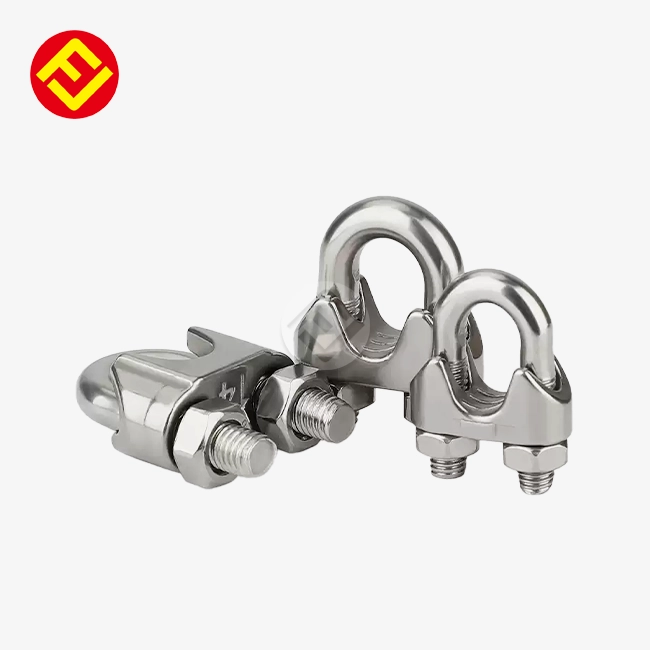
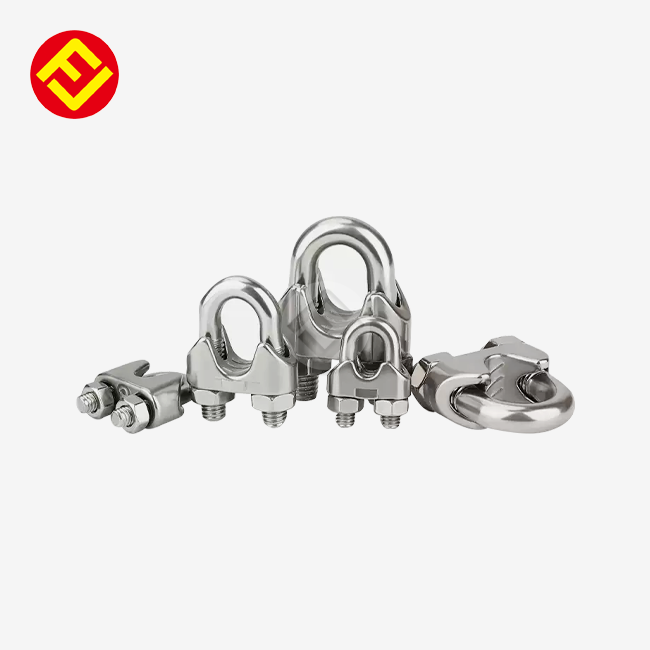
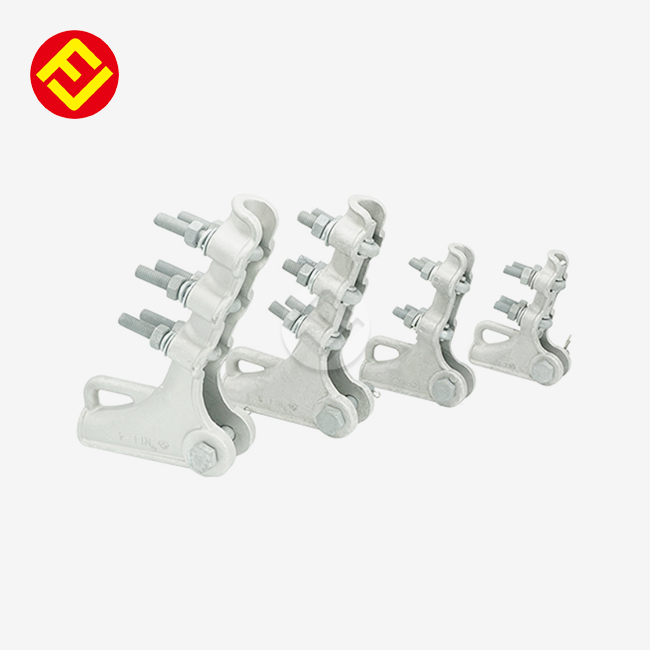
When securing conductors in overhead power transmission lines or anchoring heavy machinery components, the Wedge-Type Clamp delivers unmatched reliability through its self-locking mechanism. This precision-engineered device converts tensile load into radial gripping force, ensuring conductors remain firmly fixed without compromising insulation integrity. Across power distribution networks, construction sites, and manufacturing facilities, these clamps provide the operational safety and efficiency that procurement managers and engineers demand for mission-critical applications.

Specifications |
|||
| Product Name | Applicable Range | Material Options | Finish |
| National Standard Hot-dip Galvanized NX-1 (Upper Handle) | 6.6-7.8mm | Steel/Aluminum Alloy | Hot-Dip Galvanized/Natural Aluminum |
| National Standard Hot-dip Galvanized NX-2 (Upper Handle) | 9-11mm | Steel/Aluminum Alloy | Hot-Dip Galvanized/Natural Aluminum |
| National Standard Hot-dip Galvanized NX-3 (Upper Handle) | 13-14mm | Steel/Aluminum Alloy | Hot-Dip Galvanized/Natural Aluminum |
| National Standard Hot-dip Galvanized NX-4 (Upper Handle) | 15-16mm | Steel/Aluminum Alloy | Hot-Dip Galvanized/Natural Aluminum |
Understanding Wedge-Type Clamps: Working Principles and Core Uses
The best thing about Wedge-Type Clamping technology is how well it works mechanically. Traditional bolt-tightened clamps need outside force to work. Wedge-based designs use the tension in the cable to make the grip stronger and keep it that way. When the load on the hanging conductor goes up, wedge-shaped parts inside the clamp body are pushed deeper into the body, which instantly increases the holding force by the same amount.
How Self-Locking Mechanics Create Superior Grip?
The core unit is made up of a strong outer shell made of aluminum alloy or hot-dip galvanized steel and carefully designed pieces inside. As the tension pulls on the conductor, these wedges move along angled surfaces inside the housing. This changes the linear force into perpendicular clamping pressure that is spread evenly around the cable's outside. This design gets rid of the stress points that cause cables to break too soon, which is very important for electrical installations where broken conductors cause dangerous power blackouts and expensive fixes.
Choice of material has a direct effect on performance and durability. Some types of aluminum alloy are very resistant to corrosion in coastal or high-humidity areas. They are also very light, which makes installation easier at high work sites. Heavy-duty transmission lines that carry high-voltage power over long distances can hold the most weight when they are made of steel. Die casting, forging, and precision machining are used on both types of material to make sure they meet ISO9001 and IEC certification standards for size accuracy.
Primary Industrial Applications
The most difficult application setting is power transfer infrastructure. Conductor anchoring must be completely reliable for overhead lines that carry energy across urban grids and country distribution networks. Wedge-Type Clamp devices work best in this situation because they can handle cycles of thermal expansion and contraction without coming free. This means that the links stay strong even when the temperature drops below zero in the winter or gets very hot in the summer.
Construction workers who are putting together structural steel assemblies like how quickly these clamps can be attached. Job site supervisors can quickly set up temporary bracing while the building is being put up and then move parts around as the project goes on. When compared to threaded fastener systems that need tools and torque specs, the tool-free fitting process saves a lot of time and effort.
When gluing up large panel assemblies, the distributed pressure properties help woodworking operations keep them in place. Furniture makers need a binding force that stays the same over large amounts of surface to make sure that the glue sticks evenly and doesn't damage the surface. Repeatability is important to production engineers because each clamp applies the same amount of pressure, which means that the quality of the product is the same from one manufacturing run to the next.
Comparing Wedge-Type Clamps with Other Clamp Types: Making the Right Choice
It can be hard for procurement professionals to figure out which clamping solutions are best when they have to balance performance needs with budget limits. Knowing the relative strengths of various technologies helps people make smart choices that improve practical results.
Performance Benchmarking Against Alternative Technologies
Toggle clamps can quickly connect because of their sliding action, but they can't hold as much weight, and for Wedge-Type Clamp, at full extension, their mechanical advantage decreases, so they can't be used for high-tension tasks like those found in power line work, and while spring clamps are useful for light-duty jobs, they aren't strong enough to hold parts securely in places where they could slip and damage equipment or hurt workers. At full extension, their mechanical advantage decreases, so they can't be used for high-tension tasks like those found in power line work. While spring clamps are useful for light-duty jobs, they aren't strong enough to hold parts securely in places where they could slip and damage equipment or hurt workers.
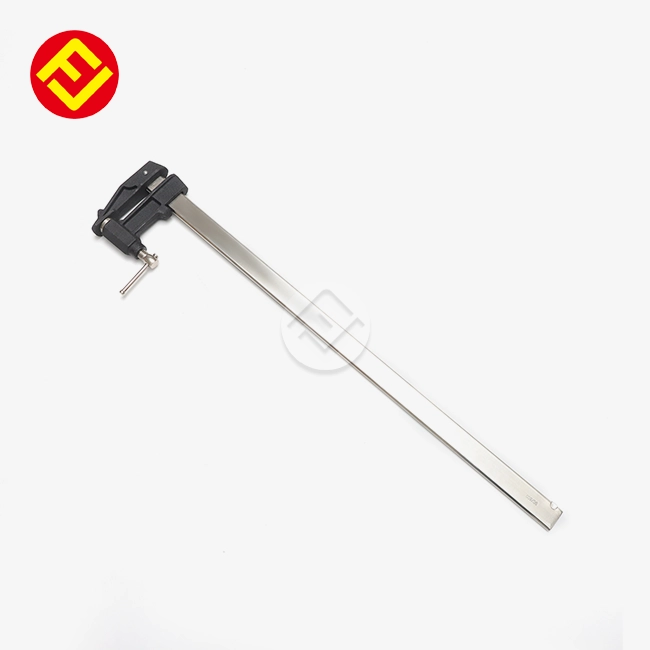
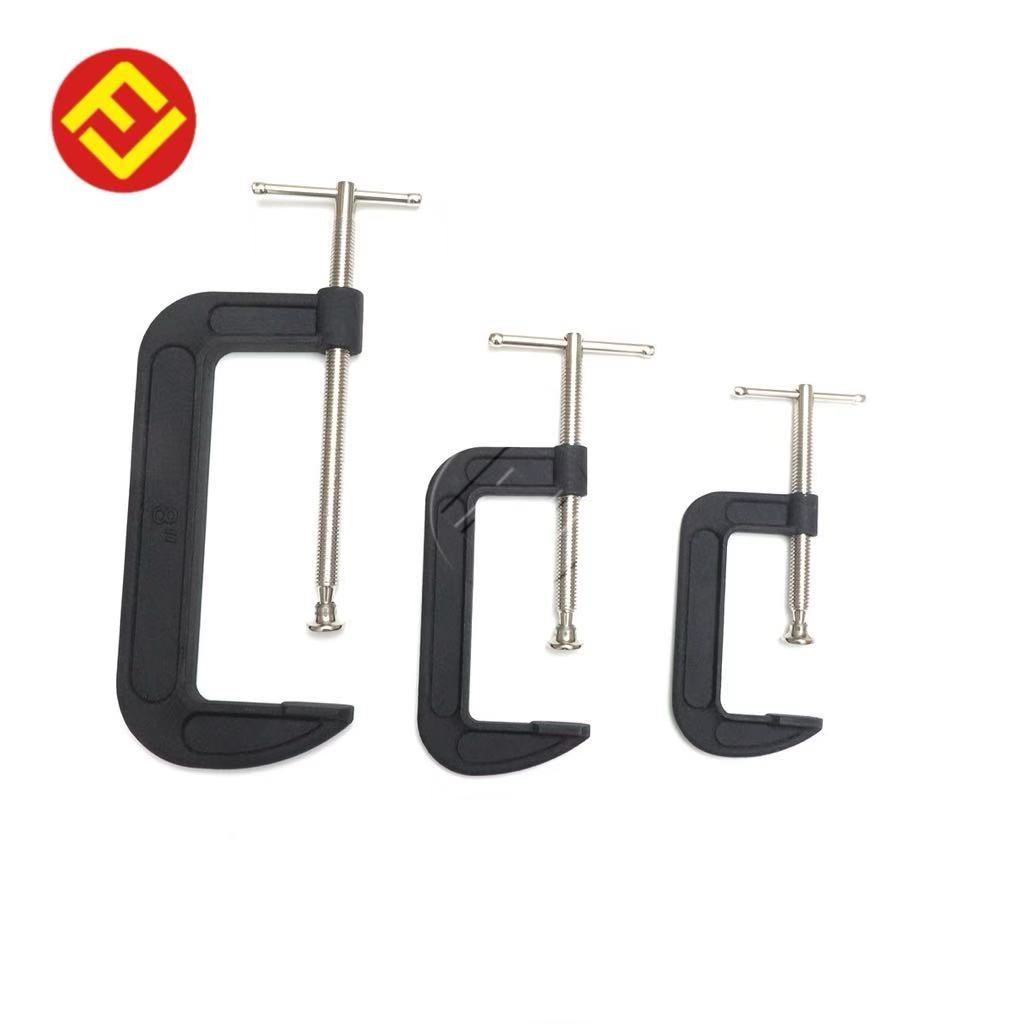
Screw clamps let you change the pressure, but they have to be tightened by hand, which can be different depending on how the operator does it. When cables are over-tightened, the insulation gets crushed, and when they are under-tightened, the conductors can slip under the load. Bar clamps are great at spreading force over long distances, but they need big tools that can't fit in small areas. When you use C-clamps, you can put a lot of pressure on one spot, which can deform workpieces or damage sensitive surfaces.
Wedge-Type Clamp devices get around these problems by self-energizing in a way that automatically adjusts for differences in installation. The gripping force changes in proportion to the load being applied, giving you the exact retention strength you need at any given time. This ability to react is very useful in changing settings where vibrations, wind loads, or changes in temperature are constant threats to connection stability.
Lifecycle Cost Analysis
Total buying costs over the life of an item have a big effect on how much it costs to maintain. When fasteners loosen up because of vibration or material creep, traditional threaded clamps need to be inspected and retorqued on a regular basis. This preventive repair takes time and causes schedule problems in places that are already running.
Maintenance tasks are kept to a minimum with self-locking wedge designs. As long as it is placed correctly, the mechanical shape of the grip doesn't need to be adjusted. Visually checking the state of the housing and making sure that the conductors are still properly placed are all that is needed for an inspection. For utility companies that are in charge of thousands of connection points spread out over large distribution networks, this lower upkeep cost means big savings on operations and better system stability.

Choosing and Procuring High-Quality Wedge-Type Clamps for Industrial Use
For procurement to go well, technical specifications must be well-defined and match the needs of the application. When engineers make buying criteria, they have to think about the ranges of wire diameters, the highest loads that can be applied, the surroundings, and the rules that they have to follow.
Critical Specification Parameters
Load grade is the most basic way to choose something. Each type of clamp can hold a certain size of wire and a certain amount of strain. By making sure that these parameters are matched to the actual installation conditions and that there are enough safety margins, catastrophic failures can be avoided. Standards in the industry usually say that the minimum safety factor should be between 2.5 and 4 times the maximum expected working load.
Environmental compatibility is based on the makeup of the material. Salt spray corrosion is very bad for sites near the coast, so they need to be made of an aluminum alloy with marine-grade surface treatments or highly galvanized steel that meets ASTM salt fog testing standards. For uses in inland areas with mild temperatures, normal galvanized finishes are acceptable because they protect against rust while also being cost-effective.
Dimensional accuracy affects how easy it is to install and how well it works in the long run. Precision manufacturing makes sure that wedge parts fit correctly with housing shapes, which spreads pressure evenly around the circumferences of the conductors. Tough standards are kept by trustworthy makers using controlled die casting and post-production machining that is checked by coordinate measuring equipment.
Supplier Evaluation Criteria
Hardware distributors looking for reliable suppliers of stock should focus on manufacturers with quality management systems that have been shown to work in the past. ISO9001 approval means that the whole process, from getting the materials to checking them for quality, is controlled in a planned way. Companies that keep a lot of stock on hand can make flexible shipping schedules that keep projects from being late, which is an important thing to think about when planning timelines for multiple stages of building.
Customization is what sets exceptional suppliers apart from basic commodity sellers. OEM clients making specialized equipment often need clamp configurations that aren't standard and are made to fit specific conductor profiles or installation geometries. When a manufacturing partner offers technical help, they can quickly come up with unique solutions and deliver prototypes and production tools, usually within two to three weeks.
People who buy a lot of things can save a lot of money by buying in bulk, and for Wedge-Type Clamp, setting up framework agreements with manufacturers who keep large stocks of raw materials guarantees stable prices and on-time deliveries, even when the market changes, and volume agreements give you more power in negotiations and make sure you have top production capacity during times of high demand. Setting up framework agreements with manufacturers who keep large stocks of raw materials guarantees stable prices and on-time deliveries, even when the market changes. Volume agreements give you more power in negotiations and make sure you have top production capacity during times of high demand.
Installation, Maintenance, and Safety Guidelines for Optimal Performance
Service life and safety are directly affected by how the operation is done. When used wrong, even high-quality clamps don't work as well, which shows how important detailed fitting instructions and operator training are.
Step-by-Step Installation Best Practices
First, make sure that the model of the clamp matches the specifications of the conductor. Make sure the outer diameter of the cable is within the range given by the manufacturer. Cables that are too big can't properly engage the wedge, and conductors that are too small can slip under load. Clean the surface of the wire to get rid of things that make it harder to grip, like oils or rust that lower the friction coefficient.
Place the clamp assembly at the designated attachment point, making sure there is enough space between it and any nearby hardware that could interfere with the connection or cause an electrical arc. Move the wire through the housing until it fits snugly against the internal stops. Engage the wedge parts in the order suggested by the maker. Make sure that each part locks into place before applying force.
Gradually add load while keeping an eye on how the clamp reacts. When installations are done right, the pressure is spread out evenly, and neither the cable nor the housing deforms. When cables move quickly or crackle, it means that they are the wrong size or have broken parts that need to be replaced right away before the electrical systems are turned on.
Maintenance Inspection Protocols
Set up regular review times that are in line with government rules and practical risk profiles. Utility infrastructure that serves critical facilities should be visually inspected every three months, while general distribution lines are usually looked at once a year. On inspection reports, you should write down the state of the housing, where the conductors are sitting, and any signs of overheating or corrosion.
Cable creep, or slow conductor movement that means there isn't enough grip force, should be checked. Measurement marks put on during installation make it possible to precisely track any changes that happen over time. Because of excessive creep, clamps need to be replaced before they break. This stops unplanned outages that hurt customer service and lead to fines from regulators.
Thermographic screening can find overheating that is caused by bad electrical contact or rust inside the device. High temperatures mean that connections are breaking down and need immediate attention. Infrared surveys done during times of high demand show issues that aren't noticeable when demand is low. This allows for proactive maintenance that stops catastrophic breakdowns.
Operator Safety Training
People who work with power line gear are exposed to serious electricity risks and need to be taught a lot about safety. Training programs need to teach people how to choose the right PPE, how to do lockout-tagout, and how to approach charged wires from a minimum distance. Even when the power is turned off, lines can still be dangerous because they store tension energy that can move cables violently if it is released in the wrong way.
Workers should know how to figure out loads and meet safety factor requirements to avoid overloading situations, and for Wedge-Type Clamp, if you know about the environmental factors that affect clamp performance, like ice loading, wind pressure, and thermal effects, you can make smart choices when planning an installation or responding to an emergency. If you know about the environmental factors that affect clamp performance, like ice loading, wind pressure, and thermal effects, you can make smart choices when planning an installation or responding to an emergency.

Future Trends and Innovations in Wedge-Type Clamping Solutions for the Future
Hardware that used to be simple is being turned into smart system components by new technologies. These days, the main goals of development are to make things more reliable, less harmful to the environment, and allow for proactive maintenance plans that make managing infrastructure better.
Smart Monitoring Integration
Sensor-embedded Wedge-Type Clamp designs are the next big thing in managing energy infrastructure. Strain gauges built into housing structures monitor loads in real time and let operators know about unusual tension conditions before they cause failures. Wireless communication units send data to central management systems, which lets networks in different parts of the world check on things remotely without sending out inspection teams.
Temperature sensors can tell when something is getting too hot because of bad electrical connections or too much current flow. If you know about problems early on, you can fix them during planned maintenance windows instead of having to make emergency repairs during busy times. This predictive method lowers running costs and raises system reliability measures that utility officials are asking for more and more.
Sustainable Manufacturing Practices
Environmental awareness now affects how many things different businesses buy. Companies that use closed-loop recycling methods and green energy sources are seen as being good for the environment. When choosing a material, it's becoming more important that it can be recycled at the end of its useful life. For example, aluminum versions can be reused almost completely, while mixed-material assemblies need expensive separation processes.
New ideas in packaging cut down on the amount of shipping that needs to be done and get rid of single-use plastics that add to waste. Strategies for bulk packing that meet the needs of distributors reduce the amount of material used while still protecting goods during transport. These changes to sustainability are in line with the company's environmental goals and don't hurt the performance of the product or make it more expensive overall.
Conclusion
In conclusion, Wedge-Type Clamping technology has been shown to be reliable in building, manufacturing, and power transmission. It does this by using self-energizing mechanical principles that change naturally based on load conditions. Procurement decisions that are in line with operational needs and budget limits are made by paying close attention to the choice of materials, the size requirements, and the supplier's abilities. When you use the right construction methods and follow the repair schedules, you can get the most out of your equipment and keep it safe. Because of new smart tracking features and eco-friendly manufacturing methods, these devices will still be useful as industry infrastructure changes to smarter, more eco-friendly systems.
FAQ
What conductor sizes work with wedge-type clamps?
Because of manufacturing errors, each clamp type can fit a certain range of diameters. This range is usually a few millimeters. To make a choice, you need to measure the actual outside diameter of the cable and pick a clamp that is rated for that size and can hold the right amount of weight. Using clamps outside of their designated ranges weakens the grip and goes against safety rules.
Can these clamps be reused after removal?
How to reuse things depends on the maker and how bad the application is. When they are first installed, internal wedge components often bend to fit the profiles of the conductors. Housings may still work, but replacing deformed wedges runs the risk of not having enough grip power. New parts should always be used for safety-critical tasks, but parts that are only going to be used temporarily in a workshop may be able to be used again under controlled circumstances.
How do I prevent cable insulation damage?
Good clamps have smooth inside areas or special friction materials that grip without damaging protection jackets. Avoid clamps that are too big and need too much force to engage, and never go over the torque limits set by the manufacturer for models that can be adjusted. The right size makes sure that enough air is kept in without crushing the thermal layers.
Partner with FLA Industrial & Trading Co., Ltd. for Your Clamping Solutions
At FLA Industrial & Trading Co., Ltd., we bring almost 40 years of experience making high-quality Products" target="_blank" style="color:blue" >products to every Wedge-Type Clamp supplier relationship. Our huge catalog has more than 1,000 product specifications made to meet a wide range of industrial needs, from installing power lines overhead to making precise furniture. Advanced die casting, forging, and machining skills allow custom configurations to be delivered within 7–15 working days. Standard products are also always available thanks to 2,000 tons of inventory. We are committed to quality, as shown by our ISO9001 and IEC certifications, and our partnerships with Fortune Global 500 companies show that buying managers can trust us. Get in touch with our technical team at sales@flaindustrial.com or check out all of our products at flaindustry.com to find out how our knowledge can help you turn practical problems into competitive benefits.
References
1. Anderson, M. K. (2019). Electrical Distribution System Hardware: Design and Selection Criteria. Industrial Engineering Press.
2. Chen, W., & Roberts, P. L. (2021). Mechanical Fastening Systems for Power Infrastructure. Technical Publications International.
3. International Electrotechnical Commission. (2020). IEC 61284: Overhead Lines—Requirements and Tests for Fittings. IEC Standards Bureau.
4. Martinez, R. A. (2018). Advanced Clamping Technologies in Modern Manufacturing. Production Engineering Journal, 45(3), 112-128.
5. National Electrical Manufacturers Association. (2022). NEMA CC 1: Electric Power Connection for Substations. NEMA Publications.
6. Williams, J. D., & Thompson, S. H. (2020). Corrosion Protection in Utility Hardware Applications. Materials Science Quarterly, 38(2), 67-84.