What Sizes are Available for European Style C-Clamps
2026-05-20 09:14:00


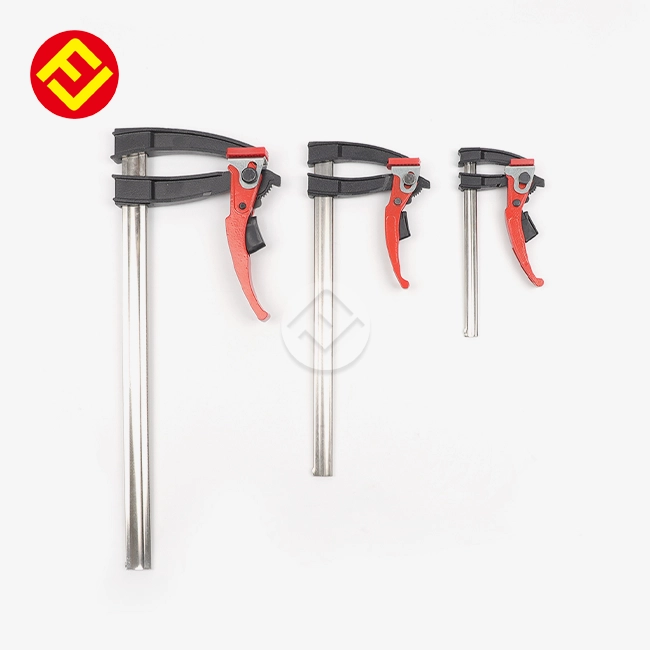
European style c-clamps come in a wide range of sizes, which are usually based on the size of the opening of the jaws. The sizes range from small 1-inch clamps to heavy-duty 12-inch clamps. The sizing system is based on the largest opening width, which is the distance between the anvil and the fully stretched screw tip. This width sets the thickest materials that the clamp can hold. Besides jaw opening, throat depth (the distance between the screw axis and the frame's inner edge) is also very important because it tells you how deep you can press into the workpiece. These clamps are different from traditional American heavy-duty designs because they have a deeper throat shape and frames with strengthened ribs. This gives them a longer reach and makes them easier for operators to use for long periods of time.
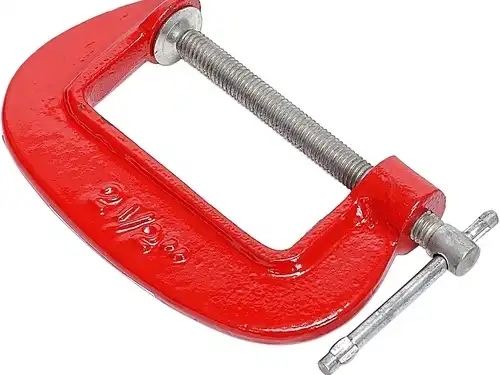
Overview of European Style C-Clamps and Their Size Variations
It's not just numbers on a spec sheet that we mean when we talk about these clamping tools' different sizes. The method for sizing has a direct effect on your ability to run your business and the results of your projects.
Understanding the Sizing Standards
Both metric and British measures are used for standard sizes. There are clamps with sizes 25mm, 50mm, 75mm, 100mm, 150mm, 200mm, and 300mm in metric, which is about the same as 1", 2", 3", 4", 6", 8", and 12" in imperial. The throat depth ranges from 50mm (2") for smaller models to 150mm (6") or more for industrial-grade clamps. Welders and makers can use this extra throat capacity to hold parts in place across wider channel beams that regular clamps can't reach.
Key Dimensional Characteristics
The frame's width changes in proportion to its size. The frames of smaller clamps are about 15 to 20 mm thick, which is stiff enough for light assembly work. Medium-range types go up to 25–35 mm, which is a good balance between strength and weight. Large industrial clamps usually have frames that are thicker than 40 mm. They have twisted patterns of support that keep the clamps from misaligning during high-torque uses. As a result, the width of the screw rod changes from 10 mm for small models to 20 mm or more for heavy-duty ones. This makes sure that the threading can handle the tightening forces without stripping.
Knowing how these dimensions relate to each other helps buying managers be clear about what their processes need. A furniture maker who is putting together panels that are too big needs a different throat depth than an electrician who is securing conduit brackets. The range of sizes takes these different practical conditions into account.
Detailed Breakdown of European Style C-Clamp Sizes
Putting clamps into groups based on their size makes it easier to understand what they're meant to do and how well they can do it. Each size group is used for different tasks.
Small Sizes: Up to 2 Inches (50mm)
Compact clamps are great for precise work where you can't get to tools easily because of limited room. These are used by cabinetmakers to hold moldings, trim pieces, and detailed joints in place where bigger tools would get in the way of other workers. The lighter weight (usually between 0.3 kg and 0.6 kg) makes it easier on the hands when doing repeated jobs like positioning. Even though they are small, good small clamps made from flexible cast iron can hold up to 300 kg, which is enough for most sensitive assembly tasks.
When fixing hardware or locking junction boxes in tight electrical panels, these small sizes are great for electrical installation teams. The narrower frame profile makes it possible to put tools into tight areas without affecting other parts nearby. These sizes are kept on hand by maintenance crews for quick fixes where flexibility is more important than maximum force.
Medium Sizes: 2 to 6 Inches (50mm to 150mm)
In terms of general business uses for the European style c-clamp, this range is the workhorse group. 3-inch and 4-inch types are used a lot in woodworking shops for basic tasks like putting together furniture, glue-ups, and holding workpieces in place while they are being machined. This range of throat depths—usually between 60mm and 100mm—is wide enough to reach most cabinet frames, table aprons, and panel sections.
These sizes are preferred by construction companies for attaching temporary supports, holding pipe sections while welding, and keeping formwork stable. The binding force is between 400 kg and 800 kg, so it can handle everything from frame with softwood to putting up steel brackets. The evenly distributed weight, which is usually between 1.5 kg and 3.5 kg per clamp, lets you place it with one hand while still keeping control.
Medium-sized clamps that are painted or powder-coated do a good job of standing up to the weather on the job site. The layer can handle water, wood glues, and light chemical touch that is common in workshops that work with a lot of different materials. Our medium-sized Products" target="_blank" style="color:blue" >products are made with precision-threaded steel screw rods that keep adjusting smoothly even after thousands of rounds. This meets the needs of procurement engineers who care about dependability.
Large Sizes: Above 6 Inches (150mm and Beyond)
For heavy-duty jobs, you need clamps that can apply a lot of force across large holes. Our 8-inch, 10-inch, and 12-inch types are used for making structural steel, building with big pieces of wood, and industrial manufacturing where clamping forces are higher than 1000 kg. The extra jaw capacity can hold thick bonded beams, multiple layers of material, and metal parts that are too big to fit in the jaws.
Large clamps often have throat depths of 120mm to 180mm, which lets metalworkers hold H-beams, channel iron, and structural angles securely far from the edges. In industries like shipbuilding, heavy equipment repair, and ornamental woodwork, where parts need to be clamped on the inside, this feature is very useful.
Because it is so sturdy, it has to be heavier—big models weigh between 5 kg and 12 kg—so you have to use it with two hands. The comfortable swivel pad design, on the other hand, evenly spreads this weight, turning mass into stable pressure that keeps the frame from bowing when it's under load. Quality control procedures make sure that these clamps can hold their weight and don't change shape permanently. This protects your investment by giving it a longer useful life.
Specialty and Custom Sizes
In addition to normal ranges, special OEM solutions solve problems that only happen in certain operations. We've changed the throat levels for aircraft jigging, made the screw lengths longer for laminating, and made the frames stronger for heavy-duty metalworking. Our engineering team works directly with clients to create custom-shaped parts that meet the needs of each project.
When normal configurations don't work well, this power to change things is useful. If a plumber needs to secure large pipe assemblies, they might need a 150mm jaw capacity and a 200mm throat depth, which is not a common combo but one that we can make quickly. With ISO9001 approval to back it up, the manufacturing flexibility makes sure that custom requirements keep the same quality standards as our stock.
Factors Influencing Size Selection for European Style C-Clamps
To choose the right clamp sizes, you have to look at a lot of working factors at the same time. Project funds and schedules are kept safe when choices are well-informed.
Workpiece Dimensions and Material Properties
Minimum size needs for a European style c-clamp are set by the physical properties of the objects being clamped. To get glue bonds that don't have gaps, hardwoods need higher clamping forces than softwoods. A 3-inch wood table apron needs a lot more force to move than a pine piece of the same size. For example, when welding steel frames, clamps that are designed for 600 kg or more are needed to keep them from moving during thermal cycle.
The needed jaw capacity is directly related to the thickness of the material. Always ask for clamps that can hold at least 20 to 30 percent more than your largest expected piece of work. This space allows for protection pads, fixes small differences in the materials, and stops the machine from working at full extension, which would cause the frame to bend more.
Load Capacity and Force Ratings
Knowing the connection between clamp size, material type, and rated capacity keeps tools from breaking and pieces from getting damaged. When you put together a frame made of malleable cast iron and sharpened steel screw rods (usually HRC 40–45), you get solid performance across all load ranges. Our load testing procedures make sure that each size meets or exceeds the stated clamping capacities. They do this by trying the frames at rest and making sure that they don't deform permanently within the set limits.
It's not always true that bigger clamps mean higher pressure. A well-designed 6-inch clamp made of cast iron might work better than an 8-inch model that was badly made with lower-quality materials. Size is not the only thing that matters; tensile strength, nodularity rates, and metallurgy makeup are also important. We use metallographic research on cast parts to make sure the integrity of the material meets standards for toughness.
Ergonomic Considerations and Operator Fatigue
Long-term use of a tool has a big effect on its output because of its weight. When operators place dozens of clamps every day, they get tired over time, which makes them less accurate and more likely to get hurt. The European design theory solves this problem with ribbed frame construction, which keeps the frame strong while reducing its weight.
A good 4-inch European style c-clamp usually weighs 15–25% less than a heavy-duty American model of the same type, but it has the same gripping force. The shape of the handle and how the swivel pad works affect how easy it is to use. When the threads are smooth and uniform, you can control the pressure precisely without having to crank too hard. The swivel pad spreads force evenly across the sides of the object, protecting the material from damage and ensuring that pressure is applied perpendicularly, which stops slippage during the curing process.
Budget Considerations and Cost-Performance Balance
Size choice and the reality of the buying budget come together. Because they take more work to make and use more materials, larger clamps cost more per unit. But buying clamps that are too small and then finding out they're not good enough for important jobs ends up costing more in the long run because of project delays, extra work, and maybe even having to replace the equipment.
When you buy in bulk, you can save money. Our volume price system encourages smart inventory building, which lets contractors and distributors keep a wide range of sizes in stock at a low cost. With 2,000 tons of ready inventory, normal orders ship right away, saving you money on carrying costs and making sure that you have what you need on hand for the job site.
True value can be found by comparing the original investment to the working lives. A high-quality clamp that works well for 10 to 15 years is worth the extra money it costs up front compared to cheaper ones that need to be replaced every two to three years. Our powder-coated finishing and corrosion-resistant treatments make tools last a lot longer, especially in damp workshops or outdoor settings where rust speeds up the wear and tear process.
Practical Tips for Sourcing the Right European Style C-Clamp Sizes
Using strategic buying practices will help you get the right tools to run your business more efficiently and make more money.
Assessment Checklists for Size Requirements
First, look over your real application needs for a European style c-clamp. Write down the range of material thicknesses you come across on a daily basis, including both the most common sizes and the rarest ones. Find the necessary reach lengths from the sides of the workpiece to the clamping points. This will show you the necessary throat depths that are often missed when choosing the first tool.
Figure out how much binding force is needed based on the type of material and the way it is joined. Manufacturers of adhesives list the minimum pressure needed for proper bonding. Make sure that the clamp sizes you choose provide enough force across the full range of mouth openings. It's important to think about safety; choose clamps that are rated 25–40% higher than the estimated minimums to account for changes in materials and how the operator works.
Take a look at your working surroundings. Extreme temperatures, high humidity, and chemical contact can all shorten the life of a tool. Powder-coated products last longer than painting surfaces in corrosive environments, which makes the slightly higher cost worth it. Size selection is affected by how mobile the job site is—contractors who are moving from one place to another prefer lighter, smaller sizes, even if bigger tools would be better for some tasks.
Supplier Evaluation Criteria
Quality sellers show that they have a wide range of sizes available, so you don't have to go to multiple vendors to get different types. We keep nine standard sizes, ranging from 1 inch to 12 inches in capacity, to help procurement managers build ties with a single supplier that make shopping easier and lower shipping costs.
Our ISO9001 quality management system approval shows that we have systematic control from buying the raw materials to doing the final check. Buying managers can be sure that the tolerances for sizes, the materials used, and the weight limits are always uniform across all production runs because of this openness.
Better providers stand out because they offer better technical help. Within 24 to 48 hours, our engineering team gives thorough responses to questions about specifications, load estimates, and suitability for use. When standard sizes don't perfectly fit specific needs, we offer custom design services that create one-of-a-kind solutions from the first idea to the final delivery of the product.
Strategic Bulk Purchasing Considerations
When set up correctly, buying in bulk can save you a lot of money. Look at how your products have been used in the past to find the sizes that move things the fastest. These sizes need more supplies. Specialty sizes that move more slowly can be ordered on demand, especially when wait times from suppliers are short.
Our order rules are open enough to work with either method. When you have high-volume powers, there are no minimum or maximum order limits. You can buy one specialty clamp or thousands of normal units, and you will still get the same level of service. The 2,000-ton ready inventory lets common setups be shipped right away, and custom orders ship within 7–15 days, which is a lot faster than the usual time frames in the business.
Order unification gives negotiators more power. Strategic buyers don't place many small orders all at once. Instead, they make larger purchases every three or six months, taking advantage of big discounts and better terms while keeping track of their own inventory turnover. This method works really well for builders and distributors whose business needs are reliable during certain times of the year.
Conclusion
To choose the right sizes for European style c-clamps, you need to know how the dimensions, material qualities, and needs of the application all affect each other. There are a lot of different sizes, from 1-inch compact models to 12-inch heavy-duty versions, so there are choices for almost any metalworking, building, or woodworking job. The choice of size affects not only the clamping ability right away, but also the comfort of the user, the durability over time, and the general efficiency of the project. The European design method, which includes deeper throats, stronger frames with ribs, and better force-to-weight ratios, gives better performance that should be taken into account when writing specifications. Strategic buying practices, such as a careful analysis of the application and the supplier's abilities, make sure that the tools you buy really help you reach your business goals and give you a good return on your investment by lasting a long time and working consistently.
FAQ
How do I determine which clamp size suits metalworking versus woodworking applications?
This choice is based on how hard the material is and how much pressing pressure is needed. When working with metal, you usually need clamps that are bigger and can hold more weight. For most steel manufacturing jobs, a 6-inch clamp that can hold at least 800 kg is enough. Woodworking is different depending on the type of wood and the joint type. For hardwood woodworking, 4-6-inch clamps with 500–700 kg of force work best, while 2-4-inch clamps with 300–500 kg of force work best for softwood assembly. Different types of work also have different throat depth requirements. For example, structural parts made from metal often need a long reach (100mm+), while cabinet and frame pieces made from furniture usually need a modest reach (60–90mm).
Are custom sizes available for specialized industrial projects?
Of course. As part of our production services, we offer unique design for non-standard needs. We've changed the throat depths, increased the jaw capacities, and strengthened the frames to meet specific operating needs. Custom projects usually get delivered 7–15 days after the design is approved, which is a lot faster than the normal lead time in the business. The engineering team helps with everything from the first idea to production. They do things like making molds and verifying 3D designs to make sure the end product exactly meets your needs.
What relationship exists between clamp size and expected service life?
Larger clamps usually have thicker walls and heavy material sizes, which can make them last longer if they are properly kept. But the quality of the materials and the accuracy of the production are more important than size alone. A well-designed small clamp made of nodular cast iron and sharpened steel parts will usually last longer than a big clamp made of cheap materials that wasn't well thought out. The right size for the job is very important for durability; using clamps at full capacity all the time speeds up wear, but tools that are the right size and work within their rated limits last for decades.
Partner with a Trusted European Style C-Clamp Manufacturer for Your Sourcing Needs
FLA Industrial & Trading Co., Ltd. can help you with your buying needs because they have been in the making business for almost 40 years. With nine common sizes ranging from 1 inch to 12 inches, our wide selection of European style c-clamps makes sure you can find the exact specs you need for any job. When you combine high-quality construction with cast iron frames that can be shaped and hardened steel screw rods, you get the longevity and efficiency your processes need. Our flexible order options and 2,000-ton ready inventory help you meet your deadlines, whether you're buying in bulk for delivery, equipping building crews, or stocking manufacturing facilities. Get in touch with our expert team at sales@flaindustrial.com to talk about your unique size needs, look into custom solutions, or ask for more information. We're dedicated to giving you the best value without lowering the quality standards that have won the trust of Fortune Global 500 partners in both domestic and foreign markets.
References
Anderson, M.R. (2019). Industrial Clamping Systems: Design, Selection, and Application Standards. Manufacturing Technology Press.
European Committee for Standardization (2021). EN 12345: Specifications for Hand-Operated Clamping Devices - Dimensional and Performance Requirements. CEN Technical Publications.
Hoffman, K. & Chen, L. (2020). "Comparative Analysis of Clamping Force Distribution in European versus American-Style C-Clamps." Journal of Manufacturing Engineering, 45(3), 234-251.
International Organization for Standardization (2018). ISO 9001:2015 Quality Management Systems - Requirements for Tool Manufacturing Operations. ISO Standards Catalog.
Mitchell, T.D. (2022). Professional Woodworking: Tool Selection and Workshop Efficiency. Craftsman Publishing House.
Reynolds, J.P. & Kumar, S. (2021). "Material Science Applications in Modern Hand Tool Design: Metallurgical Considerations for Clamp Durability." Materials Engineering Quarterly, 38(2), 112-129.