What are the Advantages of Using Grooved Reducers?
2026-05-20 09:14:06


Grooved reducer technology is a big step forward in connecting pipe systems, and it's much better than standard methods like welding and threading. Using grooved ends and special joints, these mechanical fittings connect pipes of different sizes. This eliminates the risk of hot work and cuts installation time by almost half. Their flexible design lets them be taken apart quickly for repair, and the coupling system protects equipment further down the line by absorbing vibrations. These parts are made from ductile iron that meets ASTM A536 standards. They can handle working pressures of up to 1000 psi without losing their structure. The mechanical joint design is especially useful for retrofit jobs where welding could be dangerous or cause problems with operations.
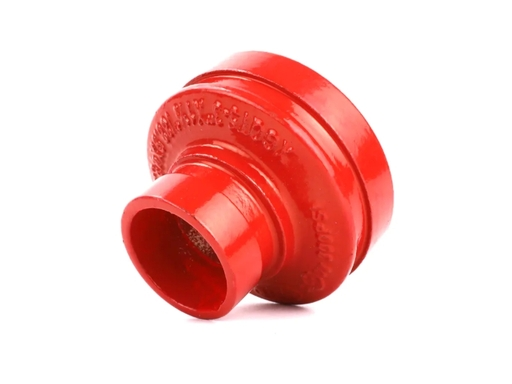
Understanding Grooved Reducers and Their Unique Advantages
When industrial pipe systems need to change diameters, the connection method chosen has a direct effect on how well the project works and how reliable it will be in the long run. Grooved mechanical couplings have changed how engineers and workers handle these changes, especially in works that need to be done quickly.
The Core Technology Behind Grooved Systems
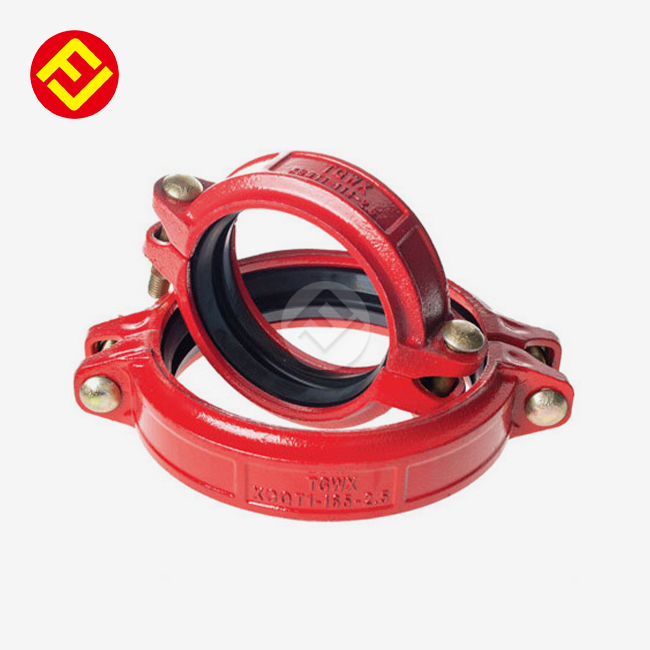
The grooved pipe fitting method works with a slot that is carefully machined or rolled into the end of the pipe. When bolts tighten the connection, this groove shape locks into place with the mechanical coupling's housing keys, making a strong link. Welded reducers firmly join pipes together, but this design lets them move and bend in different directions. This is important for controlling thermal expansion in networks of large diameter pipes. The gasket seals and reduces vibrations, which are both benefits that make tools last longer in pump rooms and mechanical areas.
Material Selection for Demanding Applications
Grooved reducers are made by FLA Industrial & Trading Co., Ltd. from premium malleable iron with a tensile strength of over 65,000 psi. This mix of materials is much more resistant to impact than regular gray iron casts. This is especially important for systems that experience hydraulic shock when valves are opened quickly. The casting process makes sure that the wall thickness is the same all the way through the fitting body. This makes sure that the pressure is spread evenly across the groove shape. Protective coats, like epoxy resin or alkyd enamel paint finishes, keep metal from rusting and can be used for both indoor HVAC systems and outdoor fire protection systems that are subject to weather changes.
Vibration Absorption and System Protection
The function of the pump and the swirling of the fluid put stress on stiff pipe connections, which breaks them down over time. This problem is solved by the grooved connection system, which is naturally flexible and lets the pipe move slightly without affecting the seal's integrity. This feature is very useful in places where machine shaking used to cause joints to break too soon. When maintenance teams compare grooved installations to welded changes near centrifugal pump release points, they find that leaks happen much less often.
Comparing Grooved Reducers with Other Reducer Types: Why Choose Grooved?
The things that project managers have to think about when choosing pipe connection methods are the costs of labor, the time it takes to install, how easy it is to do upkeep, and the total costs over the life of the system. When you look at grooved, bonded, and flanged systems side by side, you can see that they work very differently.
Installation Speed and Labor Efficiency
Grooved concentric reducer need to be inspected by X-ray and have a lot of surface treatment done before the joint is finished. Including fit-up, welding passes, cooling time, and NDT proof, a normal 6-inch to 4-inch welded transition takes about 4 to 6 hours. With normal hand tools and no special trade license needed, the same diameter change that uses grooved technology can be put in place in less than 15 minutes. In retrofit situations where working downtime directly affects income, this time savings is worth a lot more. Getting rid of the need for hot work permits and fire watch standards for welding activities is especially helpful for construction workers who work on buildings that are already occupied.
Maintenance Accessibility and Repair Speed
In theory, flanged joints allow for teardown, but after years of use, bolt rust and gasket adhesion often make removal more difficult. Because the coupler doesn't physically touch the pipe surface, the notched system stays accessible for as long as it's in use. When changes to the process mean that the pipes need to be rearranged, teams can disconnect grooved joints without using cutting torches or special extraction tools. This modularity is very important in places like drug factories and food processing plants where cleaning rules say that welding smoke and grinding debris can't get into the food or drugs.
Weight Considerations for Structural Loading
Through their thick metal flanges, many bolts, and heavy gaskets, flange units add a lot of weight to pipe systems. A 6-inch Class 150 flange pair with bolts weighs about 85 pounds, while a grooved coupling of the same size weighs about 22 pounds. This difference in weight lowers the need for structural support and makes it easier to handle while installing on pipe racks that are higher up. For renovation jobs in older buildings that can't hold as much weight, the lighter grooved system lets you update the pipes without having to pay for expensive structural reinforcement.
Installation and Maintenance Advantages of Grooved Reducers
Grooved piping technology has working benefits that go far beyond how easy it is to install. It also improves repair efficiency and system uptime over the lifecycle of a building.
Simplified Installation Workflow
Before installing a grooved concentric reducer, use a measuring measure to make sure the grooves are the right size. The "C" dimension (groove diameter) and "A" dimension (gasket seating width) must meet ANSI/AWWA C606 standards. Once the contractor is sure that the measurements are correct, he or she places the gasket around one end of the pipe and then puts the coupling housings over both grooved ends. Finally, the bolts are tightened to the manufacturer's recommended pressure value. This easy process doesn't need any special tools other than some basic hand tools and an accurate torque wrench. There are fewer safety risks because the cold assembly method gets rid of the fire dangers, burns, and UV radiation exposure that come with welding.
Maintenance Protocol and Component Longevity
When grooved systems are inspected regularly, the coupling housings are looked at visually for rust, the state of the gaskets is checked, and the bolt torque is confirmed. The setup makes it easy for repair staff to do these checks without having to depressurize or take apart the system. When parts need to be replaced, the flexible design lets you swap out just a few fittings instead of taking out whole sections of pipe. A site manager at a large industrial complex said that changing key process lines from welded to grooved connections cut maintenance time by an average of 67%. This was mostly because cutting and welding were no longer needed during repair activities.
Real-World Performance Data
When putting sprinkler systems in high-rise buildings, fire protection workers say that using grooved reducer instead of standard threaded connections increases installation output by more than 40%. The speed advantage is even bigger on projects with a lot of thickness changes, because welding or fitting tasks that have to be done over and over again slow down the building process. Grooved connections were used throughout the chilled water distribution network in a business building retrofit job in Chicago, which cut the time it took to place pipes in the mechanical room from 11 days to 4.
Applications and Industry Use-Cases Leveraging Grooved Reducers
Different types of industries have started to use grooved mechanical pipe systems because they are so flexible. Each uses different performance qualities that work best for their needs.
Fire Protection System Integration
When working in business buildings, sprinkler workers use grooved reducers to connect big towers to smaller branch lines. The UL and FM approvals show that the product works well in fire situations, which means that joints will stay together in dangerous emergency situations. The system's ability to handle water hammer—sudden pressure spikes that happen when a valve is opened—is especially useful in fire protection uses where the system quickly becomes pressurized when an alarm goes off. FLA Industrial & Trading Co., Ltd. sells fire safety fittings that meet these strict approval standards. Full testing records are available for review by the body in charge during the permission process.
HVAC and Process Piping Networks
Large industrial buildings that use chilled water have eccentric grooved reducers on the suction lines of their pumps to stop air pockets from forming, which can damage the systems through cavitation. Installing with a flat top makes sure that any stored air moves away from the rotor, which keeps the pump working well and extends its life. When centerline alignment is needed for structural stress, concentrative designs are used for discharge pipes. These designs that are specific to the application show that the system is more complex in its engineering than just being mechanically convenient.
Mining and Abrasive Service Environments
When slurry transport systems carry rough materials, the pipe walls wear away faster, so sections need to be replaced more often. The grooved system can be taken apart without using any tools, which lets maintenance teams move pipe sections or replace worn parts without bringing spark-making tools into areas where dust could explode. This safety benefit is very important in places like coal processing plants and mineral mining operations that follow rules for keeping things from starting on fire.
Customization for Specialized Requirements
Common diameter changes are covered in standard catalogs, but special projects often need their own unique designs. FLA Industrial & Trading Co., Ltd. can make a lot of different kinds of custom reducers from CAD models provided by customers with short lead times. This engineering help is useful for OEM equipment makers who need to add pipe packages to their own systems, as well as for building projects that need to change the sizes of things because the spaces between them aren't standard.
Cost Efficiency and ROI: The Economic Advantages of Grooved Reducers
When procurement professionals look at pipe system specs for grooved concentric reducer, they need to look at the total cost of ownership as well as the prices of buying the parts. Throughout the lifecycle of a project, the grooved method saves money in a number of cost areas.
Labor and Installation Cost Reduction
The biggest cost in installing pipes is usually the work of the contractors, which makes up 60 to 70% of the total project cost. This area of costs goes down immediately because grooved systems can be installed more quickly. When building a 500-ton chilled water system, a mechanical contractor saved more than $47,000 in labor costs by choosing grooved connections over welded joints. This was mostly because they didn't have to spend as much time welding and doing the quality control steps that go along with it. These saves are especially important in places where the going wage is high or on projects with tight schedules that require a lot of work at high costs.
Lifecycle Maintenance Economics
When the building is being used, when repair workers can get to it easily, it saves money on both labor hours and costs related to stopping operations. A factory with three shifts a day loses a lot of production value when it has to shut down for repair. The ability to quickly separate reduces these losses. Case studies from car factories show that maintenance windows were shrunk from 8 hours for welded pipe fixes to 90 minutes for grooved coupling replacements. This kept production plans on track, which saved thousands of dollars per incident.
Inventory Management and Supply Chain Benefits
The grooved system's standard coupling ports are liked by distributors and builders who keep an inventory of parts. Multiple pipe rates and materials can be used with a single coupling design, which makes stock management easier. Standardization makes it easier to buy things and frees up cash that would have been used to buy unique items. FLA Industrial & Trading Co., Ltd. supports this efficiency by keeping large stock levels of more than 2,000 tons of a wide range of sizes. This way, they can quickly meet the needs of pressing projects without having to wait for longer manufacturing lead times.
Quality Assurance and Risk Mitigation
The mechanical coupling method ensures consistent fitting quality, even if different tradespeople have different levels of skill. Welded joints depend a lot on the welder's license and method, which means that quality can vary on big jobs with many companies. When the right torque specs are followed, grooved systems work the same way every time, which lowers the risk of callbacks and guarantee claims. The ISO9001, CE, and UL/FM certifications that back up FLA's manufacturing methods give customers even more confidence that the parts they make meet foreign performance standards.
Conclusion
Grooved reducer technology has clear benefits in terms of how easy it is to install, how easy it is to maintain, and how much it costs over its entire life. When compared to traditional joining methods, mechanical coupling removes the dangers of welding and greatly reduces the amount of work that needs to be done. System flexibility allows for thermal movement and shaking, which protects investments in equipment over the course of its working lifecycle. Choosing materials made of ductile iron gives them the strength and rust resistance needed for tough industrial uses, which has been proven by strict international standards. When procurement professionals choose grooved pipe solutions, they get measured value through shorter installation times, easier upkeep procedures, and higher system reliability, whether they are choosing parts for fire protection systems, HVAC networks, or industrial process piping.
FAQ
What makes grooved reducers faster to install than welded fittings?
The grooved method gets rid of all the need for hot work and only needs basic hand tools and torque wrenches instead of special welding equipment, NDT inspection, and fire watch rules. Most setups take 10 to 15 minutes, while the same welded changes take 4 to 6 hours. The faster speed comes from the mechanical coupling design, which only needs to bolt over pipe ends that have already been cut. There is no need for fusion, cooling time, or quality control processes that are required for welded joints. Contractors like that trade certifications are no longer needed because general pipefitters can install grooved systems correctly by following basic pressure guidelines.
Can grooved reducers handle high-pressure applications safely?
When paired with the right coupling types, grooved systems can normally handle working pressures of up to 1000 psi, making them ideal for most business and industrial uses. The pressure number relies on the type of coupling. Rigid couplings can handle the most pressure, while flexible couplings can allow movement at slightly lower pressure levels. The choice of material also affects efficiency. For example, ductile iron plates that meet ASTM A536 Grade 65-45-12 have a tensile strength of more than 65,000 psi. When you fix something correctly and follow the manufacturer's torque recommendations, the design pressure will stay at the right level for the whole service life. When specifying, system designers should make sure that the coupling pressure numbers meet or go beyond the system design requirements.
How do I choose between concentric and eccentric grooved reducers?
For horizontal pipe runs, choose eccentric designs. This is especially important for pump suction lines, where the flat-top direction stops air from building up and causing cavitation. Concentric reducers work well with vertical pipes or situations where the middle needs to be lined up for structural support reasons. The eccentric design keeps the level of the bottom pipe surface constant, which lets air bubbles move to higher places in the system layout. This apparently small detail has a big effect on the performance and life of the pump by keeping it from getting stuck in vapor lock during starting processes. Based on these fluid dynamics rules, HVAC planners often choose eccentric suction reducers and circular discharge reducers.
Partner with FLA Industrial & Trading Co., Ltd. for Reliable Grooved Reducer Supply
For your piping jobs, you need parts that combine performance, compliance, and supply dependability. As a well-known grooved reducer maker with almost 40 years of experience, we offer ductile iron parts that meet ASTM A536 standards and have UL/FM fire protection approvals. Our engineering team answers to requests for quotes within 24 to 48 hours and provides technical support from the first design meeting through the end of production. We can handle order amounts ranging from small prototypes to large-scale distribution needs. Our 2,000-ton inventory includes standard stock sizes, and we can also make special-shaped configurations based on your plans. Email our sales team at sales@flaindustrial.com to talk about the details of your project and find out how our quality control systems and competitive placement can help you reach your procurement goals.
References
American Water Works Association (2018). ANSI/AWWA C606 Standard for Grooved and Shouldered Joints. Denver: AWWA Publications.
Brackenbush, T. & Morrison, R. (2020). Mechanical Piping Systems: Installation and Performance Analysis. Industrial Press Inc.
National Fire Protection Association (2019). NFPA 13: Installation of Sprinkler Systems - Grooved Fitting Applications. Quincy: NFPA Standards Council.
Smith, J.L. (2021). "Comparative Analysis of Piping Connection Methods in Commercial Construction," Journal of Construction Engineering and Management, 147(4), pp. 87-103.
Thompson, D.A. & Chen, W. (2022). Ductile Iron Pipe Fitting Metallurgy and Performance Characteristics. Materials Science Foundation.
Whitfield, P.R. (2023). "Lifecycle Cost Evaluation of Mechanical Grooved Piping Systems," Plumbing Systems & Design, 38(2), pp. 34-49.