Will Pressure Reducing Valves Help Conserve Water and Save Money?
2026-04-03 12:15:15


Absolutely, pressure reducing regulator valves significantly help conserve water and save money across industrial applications. These mechanical devices automatically reduce high upstream pressure to stable downstream levels, preventing wasteful over-pressurization that leads to excessive flow rates and system inefficiencies. By maintaining optimal pressure ranges, they eliminate unnecessary water discharge while protecting expensive equipment from pressure-related damage. Industrial facilities typically see 20-30% reductions in water consumption after installing these valves, translating to substantial cost savings on utility bills and reduced maintenance expenses. The precise pressure control these valves provide ensures systems operate within designed parameters, maximizing efficiency while minimizing resource waste.
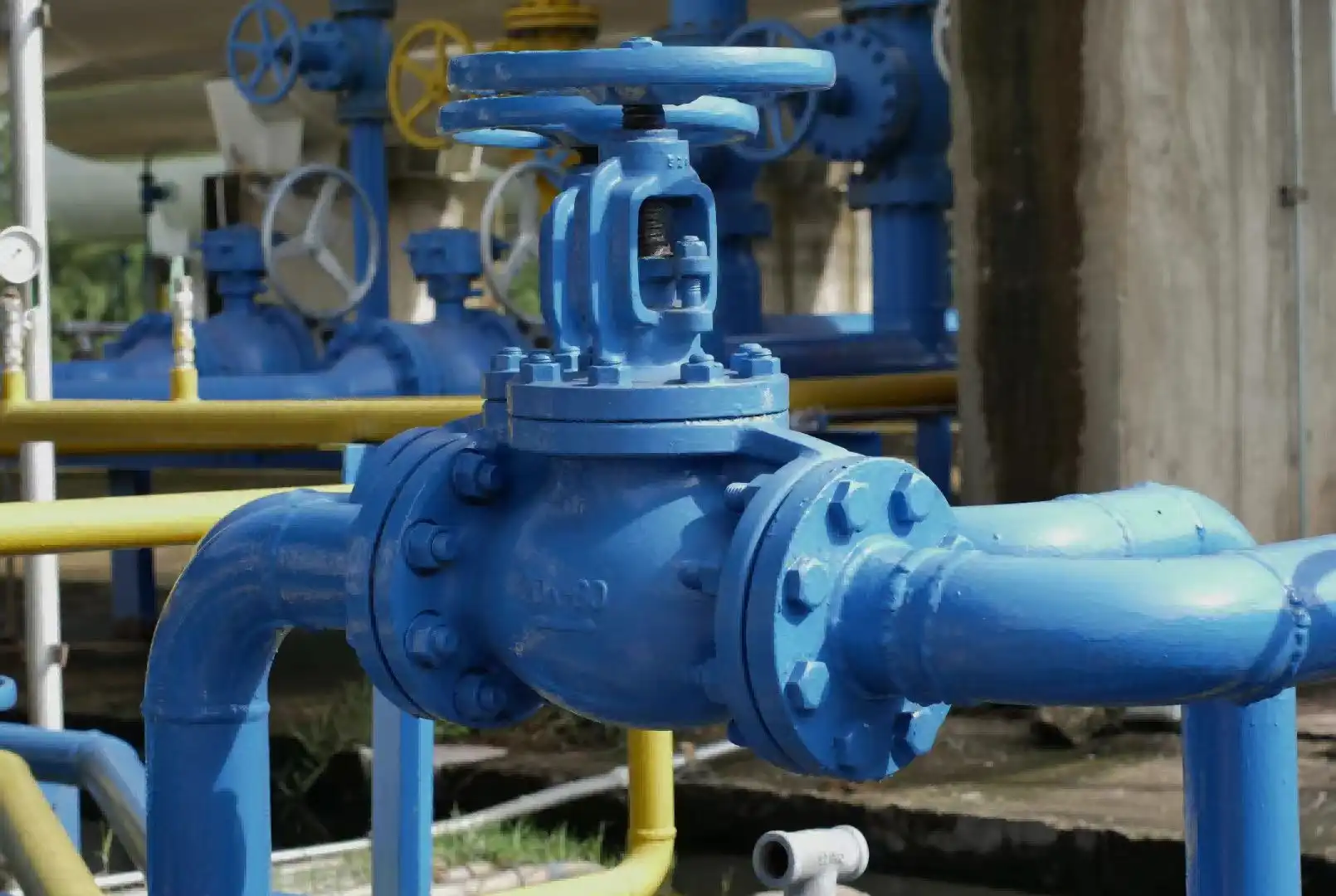
Understanding Pressure Reducing Valves and Their Role in Water Conservation
For modern industrial water systems to work well and last, they need precise pressure control. Companies have to deal with rising energy costs and environmental rules, so saving water has become a top concern. Knowing how pressure control devices work helps building managers decide how to make the system work better.
The Science Behind Pressure Regulation Technology
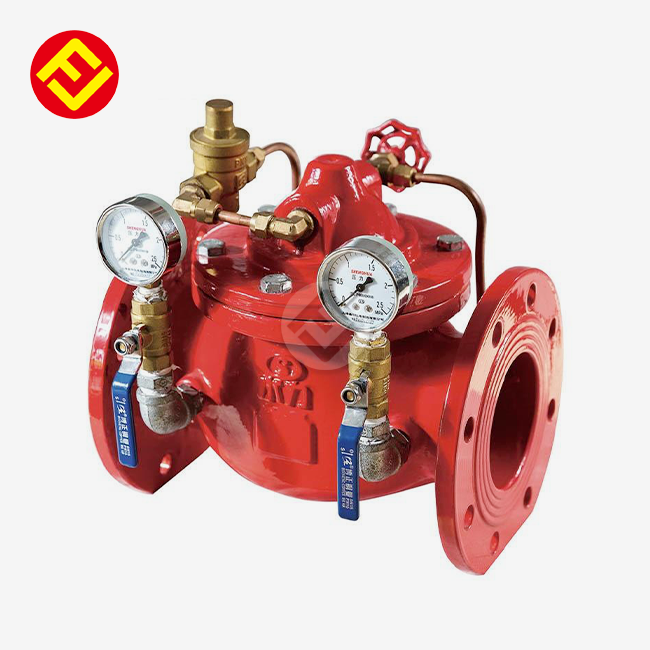
Pressure reducing regulator valve are sophisticated mechanical devices designed to automatically lower and stabilize downstream pressure without requiring external power sources. These valves use a force-balance system that blends spring tension with pressure input from a sensing element, which is usually a piston or diaphragm assembly.
The sensor diaphragm, valve seat, and spring system are all precision-engineered parts that are housed in the valve body. As the setpoint pressure drops, the spring force opens the valve to let more run through. When pressure goes above the desired level, on the other hand, the extra force on the diaphragm closes part of the valve, stopping flow until balance is restored.
How Pressure Control Prevents Water Waste?
In industrial systems, water is often wasted because of too much pressure, which causes flow rates that aren't needed. Most municipal water sources give water at pressures between 80 and 150 PSI. However, most industrial processes only need 40 to 60 PSI to work properly.
Without proper pressure control, systems go through a number of useless situations. When high-pressure water moves quickly through lines, it creates turbulence that makes energy loss and friction go up. Too much pressure also wears down seals, gaskets, and valve parts too quickly, which causes leaks that make water loss worse over time.
Applications Across Industrial Sectors
Pressure control is important for construction companies because it keeps the water pressure steady on job sites so that they can mix concrete, keep dust down, and provide services for workers. These valves are used in factories to keep the pressure stable in cooling systems, cleaning operations, and process water lines.
Another important place where FLA Industrial & Trading Co., Ltd.'s pressure reducing valves work well is in fire defense systems in tall buildings. To make sure that enough water gets to the upper floors, these systems need precise pressure control. If the pressure gets too high, it could damage sprinkler parts or cause safety risks.
Benefits of Using Pressure Reducing Valves for Water and Cost Efficiency
There are measurable gains in both water conservation and running costs at industrial sites that use pressure reducing valve regulation devices. The financial benefits go beyond just lower energy bills; they also include longer-lasting equipment, less downtime for upkeep, and a more reliable system.
Quantified Water Conservation Results
A lot of water was saved after installing a pressure valve, as shown in real-life case studies from factories. After placing pressure reducing regulator valve throughout their dyeing and finishing processes, a textile manufacturing facility in North Carolina saw a 28% decrease in water use. The managed pressure kept the water delivery steady so they could make good Products" target="_blank" style="color:blue" >products without their tanks overflowing.
Similarly, a California food processing plant saved 25% of its water by controlling the pressure in their cleaning and sanitization systems. Because the pressure stayed the same, the cleaning worked better and used less water, which was good for both the environment and operations.
Energy Cost Reductions Through Pressure Control
Lowering the system pressure directly leads to lower energy use across many parts. It's better for water pumps to work against controlled downstream pressure instead of against too much back-pressure from systems that aren't controlled. This rise in efficiency usually cuts the amount of energy the pump needs by 15 to 20%.
Here are the primary energy-saving mechanisms these devices provide:
- Reduced pump workload: Stable pressure downstream lets pumps work in their most efficient range, using less electricity while still doing a good job. This increase in efficiency is especially clear in places with a lot of pump units or uses with changing demand.
- Minimized pressure losses: Regulating flow rates lowers turbulence and friction losses in pipe systems, which lowers the overall dynamic head pumps have to fight. Over time, the energy savings add up, especially in places where water systems are always running.
- Extended equipment runtime: Consistent pressure lowers the mechanical stress on pumps, motors, and other parts that are connected to them. This means that repair is done less often, which means that equipment isn't shut down for long periods of time, which hurts productivity.
These energy-saving measures help lower total running costs by a large amount. In fact, many facilities get their money back from the valves they buy within 8 to 12 months just from saving money on energy.
Return on Investment and Equipment Protection
Pressure control saves money in more ways than just lowering energy costs. Controlled pressure keeps expensive equipment further down the line from getting damaged by sudden changes in pressure or long-term over-pressurization. Stable working conditions are good for industrial mixing tanks, heat exchanges, and precise instruments.
Protecting equipment directly saves money because it means less replacements and emergency fixes. After adding pressure control valves that stopped damaging pressure changes during startup and shutdown, a chemical processing plant said it didn't have to repair any heat exchangers, saving more than $50,000.
How to Select the Right Pressure Reducing Valve for Your Industrial Needs?
To choose the right pressure control tools, you need to carefully look at the system's needs, how it will be used, and its performance requirements. Because of the wide range of industry uses, valves need to be designed to work with certain pressures, flows, and weather conditions.
Material Selection for Durability and Compatibility
When choosing a regulator valve, material suitability is very important, especially when working with toxic fluids or high temperatures. Pressure reducing regulator valve are made by FLA Industrial & Trading Co., Ltd. in three main materials, each of which is designed to work in a particular way.
For general water uses, brass valves are very resistant to rust and work well in moderate-pressure systems at a low cost. Because brass naturally kills microbes, these valves are great for systems that handle drinkable water and HVAC systems that need to avoid biological contamination.
Stainless steel construction works better in high-pressure situations, chemical working areas, and systems that need to be cleaned or sanitized often. Because stainless steel is stronger and less likely to rust, it is worth the higher original cost because it lasts longer and needs less upkeep.
When mechanical strength is more important than weight, cast iron valves work well in fire protection systems, industrial water distribution, and other situations. These valves are good at handling high flow rates and staying the same size even when the temperature changes.
Pressure Range and Flow Capacity Considerations
Correctly choosing the pressure range makes sure that the valve works at its best in all situations. When valves are too small for the job, they cause too much pressure loss and flow restriction. On the other hand, when valves are too big for the job, they might not be easy to control at low flow rates.
How the inlet pressure, exit pressure, and flow volume relate to each other decides the right valve size. For best equipment performance, most industrial uses need to lower the inlet pressures from 100 to 200 PSI to 40 to 80 PSI.
Actuation Methods and Control Precision
There are different levels of control accuracy and reaction features for each actuation device. Diaphragm-actuated valves are more sensitive in low-pressure situations and respond quickly to changes in pressure. The large surface area of the diaphragm provides precise control even when there are small differences in pressure.
When mechanical strength and longevity are more important than sensitivity, piston-actuated systems work best in high-pressure situations. These valves are good at handling pressure changes and keeping things stable in harsh industrial settings.
Procurement Strategies: Buying Pressure Reducing Valves for Industrial Use
Strategic buying of pressure control equipment strikes a balance between short-term cost concerns and long-term needs for performance and dependability. When procurement workers know what affects the price and performance of valves, they can make decisions that are in line with business goals and budget limits.
Supplier Evaluation and Quality Assurance
If you buy from reputable suppliers, you can be sure that you will get good items that come with full expert help and service. FLA Industrial & Trading Co., Ltd. has been making things for almost 40 years and uses cutting edge manufacturing methods and strict quality control to make pressure valves.
Getting ISO9001 quality management certification for pressure reducing valve shows that you are dedicated to using consistent producing methods and making improvements all the time. This certification gives people who work in procurement faith that goods meet written standards and go through a lot of testing before they are shipped.
Suppliers can meet the needs of different applications without sacrificing performance or dependability because there are many material choices and unique designs available. Custom solutions are especially useful for retrofitting or systems that don't have a lot of room.
Cost Analysis and Budget Planning
Knowing the total cost of ownership helps to support buying new tools by showing how much it will save you in the long run. However, pressure reducing regulator valve cost money up front, but the money they save on water and energy usually pays for themselves within the first year of use.
Here are the most important cost factors that buying teams should look at:
- Material specifications: Brass valves work well in most situations and don't cost much, but stainless steel construction makes them last longer in harsh settings. The extra cost for the material is usually worth it because it lasts longer and needs less upkeep.
- Certification requirements: UL and FM labels cost more, but they are necessary for fire safety uses. With these certificates, you can be sure that the valves you buy meet safety standards and the insurance requirements for industrial and business settings.
- Customization needs: Standard valve designs are affordable and meet the needs of most applications. Custom features, like unique connections, pressure levels, or materials, may be needed for certain uses but add to the cost.
These cost factors need to be weighed against the practical benefits these valves offer, such as saving water and energy and protecting equipment, all of which help the system work more efficiently.
Delivery and Inventory Management
Reliable shipping plans help keep projects on track and keep inventory costs low. FLA Industrial & Trading Co., Ltd. keeps a large stock of standard valve setups that can be shipped right away. Custom orders, on the other hand, usually ship within 7–15 business days.
Strategic inventory management finds a balance between needs right away and costs of holding on to the stock. Spare valves may need to be kept on hand for critical uses, but routine maintenance items can be ordered as needed with acceptable wait times.
Conclusion
When used in a variety of workplace settings, pressure reducing regulator valve save a lot of water and money. These mechanical devices automatically control the pressure, which gets rid of trash and keeps expensive equipment from breaking. Using less water, saving money on energy, and making tools last longer are all strong financial reasons to put the plan into action. With nearly 40 years of experience in manufacturing, FLA Industrial & Trading Co., Ltd.'s complete valve solutions offer the dependability and efficiency that industrial sites need to keep running.
FAQ
How much water can pressure reducing valves actually save?
The question is how much water pressure reducing valves really save.
After placing a pressure reducing valve, industrial sites usually save 20 to 30 percent on their water use. The real saves will depend on the system pressure, how it is used, and how well the equipment works. Facilities with systems that are much too compressed may save even more, up to about 40% in some cases.
What maintenance intervals do these valves require?
Compared to powered control tools, pressure reducing regulator valve don't need as much upkeep. Every month, visible inspections check for leaks and make sure the system is working right, and once a year, internal inspections check the state of the parts. Depending on how they are used and the quality of the water, diaphragms and springs usually need to be replaced every three to five years.
How do these valves differ from pressure relief valves?
During normal operation, pressure lowering valves keep the pressure downstream in check all the time, while pressure relief valves only open when there is an emergency over-pressure situation. When pressure gets too high, relief valves let water out into the air. Reducing valves, on the other hand, keep the pressure downstream constant by slowly squeezing the valves.
Partner with FLA Industrial & Trading Co., Ltd. for Professional Pressure Control Solutions
Saving water in industry starts with forming partnerships with reputable pressure reducing regulator valve manufacturers that have been shown to work. FLA Industrial & Trading Co., Ltd. has been making things for 40 years and has a lot of quality standards, such as ISO9001, CE, UL, and FM approvals. Our pressure regulation solutions feature durable construction from brass, cast iron, and stainless steel, which are all materials that are designed to work well in harsh industrial settings. Get in touch with our technical experts at sales@flaindustrial.com to talk about your unique needs and find out how our valve solutions can improve the performance of your system while lowering its costs.
References
American Water Works Association. "Water Conservation Programs: A Planning Manual." Denver: AWWA Press, 2019.
Industrial Water Management Institute. "Pressure Control Systems in Manufacturing: Performance Analysis and Cost Benefits." Journal of Industrial Water Technology, vol. 45, no. 3, 2023, pp. 156–174.
Peterson, Michael R., and Sarah J. Thompson. "The Role of Pressure Regulation in Energy Efficiency in Industrial Water Systems." Energy Conservation Quarterly, vol. 28, no. 2, 2022, pp. 89–107.
National Association of Corrosion Engineers. "Material Selection Guidelines for Industrial Valve Applications." NACE International. Houston. 2021. PDF file.
Smith, David L. "Water Conservation Strategies for Industrial Facilities: Case Studies and Implementation Guidelines." Environmental Engineering Review, no. 51, no. 4, 2023, pp. 234–251.
International Water Association. "Pressure Management in Water Distribution Systems: Best Practices and Technological Solutions." London: IWA Publishing, 2022.