5 Common Mistakes to Avoid When Using a Mechanical Tee
2026-07-02 14:04:29


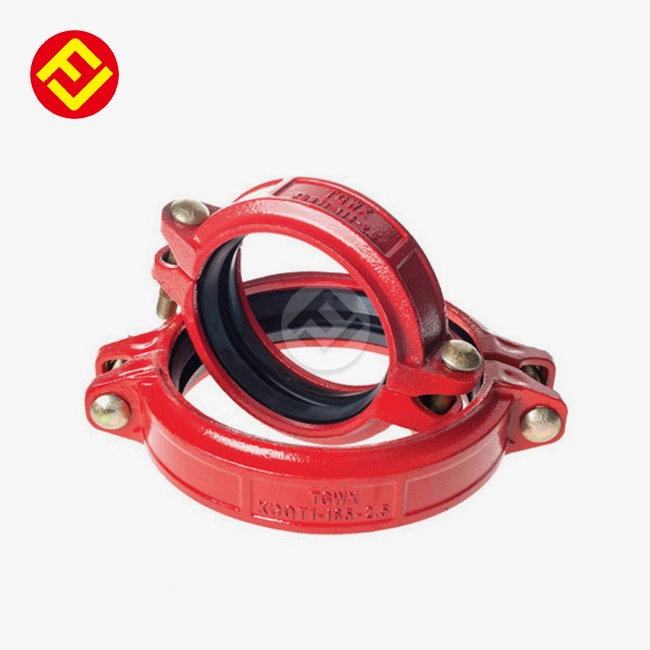
With mechanical tee fittings, you can avoid making important mistakes when working with pipe systems. This can mean the difference between a reliable installation and costly system problems. These special ductile iron fittings are made for mechanical pipe systems with grooves. They are very important three-way distribution nodes in networks for plumbing, HVAC, fire protection, and industrial fluids. Most of the time, people make mistakes like choosing materials that don't work well in certain environments, rushing through the installation process without checking the torque, not paying attention to the pressure rating specifications that determine system safety, not seeing the benefits of grooved connections over welded ones, and working with unreliable suppliers who can't promise consistent quality certification. Avoiding these problems will help you stay on schedule, stay within your budget, and keep your system working well in the long run.

Specification |
|||
| Main Pipe Size | Outlet Size | Main Pipe OD (mm) | Outlet OD (mm) |
| DN50 | DN25 | 60 | 33 |
| DN65 | DN25/DN32/DN40/DN50 | 76 | 33/42/48/60 |
| DN80 | DN25/DN32/DN40/DN50 | 89 | 33/42/48/60 |
| DN100 | DN25/DN32/DN40/DN50/DN65/DN80 | 114 | 33/42/48/60/76/89 |
| DN125 | DN25/DN32/DN40/DN50/DN65/DN80 | 140 | 33/42/48/60/76/89 |
| DN150 | DN25/DN32/DN40/DN50/DN65/DN80 | 165 | 33/42/48/60/76/89 |
| DN200 | DN25/DN32/DN40/DN50/DN65/DN80 | 219 | 33/42/48/60/76/89 |
Mistake #1 – Incorrect Mechanical Tee Selection
Understanding Material Requirements for Different Environments
Understanding material suitability is the first step in choosing the right size. Ductile iron mechanical tees that meet ASTM A536 Grade 65-45-12 have a minimum tensile strength of 65,000 psi and are very resistant to shock, which makes them perfect for everyday business uses. The material has 12% stretch, which means that when it's overloaded, the fitting will bend plastically instead of breaking in a huge way. Surface treatments are very different depending on where they will be used. For example, alkyd-enamel coats that stop rust work well indoors, but hot-dip galvanization that meets ASTM A153 standards is needed in harsh outdoor or chemical processing settings.
Matching Pressure Ratings to System Demands
One of the most dangerous picking mistakes is pressure specs that don't match up. Each fitting has a specific pressure class number that needs to match the needs of the activity. Random batch hydrostatic proof testing to three times the working pressure—putting a 500 psi component through 1500 psi testing and making sure there are enough safety factors is part of the testing process. When systems are working close to their maximum allowed pressure, procurement professionals should look at specific maker datasheets and ask for metallurgical validation reports that say nodularity is greater than 90% to make sure the structure is strong.
Navigating Brand-Specific Compatibility Considerations
Leading makers like Victaulic, Anvil, Smith-Blair, and Mueller all have their own hole sizes and connection requirements. Even though the AWWA C606 guidelines make sure that everything works together, there are small differences between brands in the groove depth, width, and gasket seat measurements. Cross-brand mixing without checking can damage the structure of the seal. It is important for procurement managers to keep thorough records of all the system parts that have been installed and to make sure that any new or replacement parts come from the same brand family. This is especially important for key fire protection systems that need to meet UL and FM certification requirements.
Mistake #2 – Neglecting Proper Installation Procedures
Critical Surface Preparation Steps
Installation success starts a long time before the coupler is put together. Pipe ends need to be cut squarely with the right tools. If you bevel or crush the ends of the pipe while cutting them, the surfaces will be uneven, which stops the seal from fitting properly. Installers should use wire brushes or gritty pads to clean the outside of the pipe of burrs, scale, and other debris after cutting it. Pay close attention to the gap area because any debris that gets stuck under the gasket while the coupler is being installed will create leak paths when the pressure is applied. Surfaces that are clean and dry allow gaskets to contract properly and ensure a reliable fit over time.
Achieving Proper Bolt Torque Without Over-Tightening
One of the most common mistakes in fitting a mechanical tee is using the wrong amount of force on the bolts. When nuts aren't tight enough, they don't squeeze gaskets enough, which lets fluid leak out. On the other hand, squeezing too much can crack coupler housings or bend grooves, which weakens the joint. Calibrated torque wrenches are necessary tools. The exact numbers depend on the pipe size and the coupling maker. Depending on the nominal diameter, the usual range is 45 to 75 foot-pounds. Instead of fully tightening each bolt one at a time, installation teams should use a cross-pattern tightening procedure to gradually bring all bolts up to standard. This is better than fully tightening each bolt one at a time, which can cock the coupling and cause uneven gasket compression.
Differences Between Grooved and Welded Connection Methods
Knowing the differences between placement methods keeps things clear in the field. Welded tees need hot work permits, qualified welders, fire watches, and a check after the weld, but grooved mechanical connections don't have heat-affected zones or the metallurgical problems that come with them. Compared to welding, the cold-assembly process cuts the time it takes to finish a joint by about 60%. The grooved system can handle heat expansion, contraction, and deflection through flexible coupling designs. Rigid soldered joints would crack and wear out over time if they went through the same movements. These adaptability features are especially useful in tall buildings where temperature changes cause pipe shafts to change size in big ways.
Mistake #3 – Overlooking Pressure Ratings and System Compatibility
Verifying Operational Pressure Against Component Specifications
System safety rests on making sure that the ratings of each part match the real-world situations in which they are used. Not only do procurement engineers have to think about normal working pressure, but also short-term events. For example, water hammer in fire control systems can cause pressure spikes that reach five times static pressure when the pump is turned on. When grooved connections are placed correctly, they keep branch lines from shearing during these sudden bursts. When you look at the documentation, you should include pressure-temperature curves from the maker that show how ratings drop at higher temperatures. This is especially important for uses using thermal fluids or steam, where derating calculations are needed because the pressure capacity drops at operating temperature.
Comparing Mechanical Versus Welded Pressure Capabilities
Welded connections should meet the strength of the pipe itself, but mechanical grooved joints work differently under pressure. Depending on the pipe plan and coupling type, standard grooved systems can handle working pressures of up to 500 psi. Specialty high-pressure connections can make this range even wider. The gasketed joint design naturally reduces vibrations better than hard welds, blocking pump vibrations and system noise—a very important benefit in buildings that are occupied. Procurement teams should know that pressure rating isn't the only thing that affects the best way to connect two systems. The installation setting, the need for repair access, and the way the system works all play a role in choosing the right technology.
Ensuring Compliance With Insurance and Warranty Requirements
Using parts with pressure values that don't work together or aren't high enough has effects beyond the immediate safety risks. Insurance companies want more and more proof that the materials put meet or go beyond the design specs. Installations that don't follow the rules can void coverage, making facility owners responsible for damages caused by system breakdowns. Similarly, maker guarantees do not cover breakdowns that happen because of improper installation; for example, putting a 300 psi component into a 400 psi system will void the warranty. Thorough paperwork, such as material certificates, pressure test results, and installation records, protects both the short-term success of the project and the longer-term risk of being sued.
Mistake #4 – Ignoring the Advantages and Limitations of Mechanical Tees vs Alternatives
Speed and Flexibility Advantages in Retrofit Scenarios
When it comes to remodeling and adding on, mechanical tee grooved mechanical links are very useful. Getting rid of hot work permits speeds up project plans in buildings that are already occupied, where welding limits or limited downtime make it hard to do construction work. The ability to take parts apart and put them back together again quickly lets maintenance teams get to certain points to check them out or rotate parts. This is especially helpful when moving abrasive slurry, where linear wear patterns form. Mining companies often turn pipe pieces 90 degrees to make them last longer, which can't be done with permanently welded parts.
Recognizing Environmental and Pressure Limitations
Even though mechanical grooved systems have many benefits, they are known to have some problems in certain situations. Extremely toxic chemical conditions may break down gasket materials faster than welded joints, which means they need to be inspected and replaced more often. When compared to smooth welding changes, groove dimensions make flow slightly less free, leading to slightly higher pressure drops in high-velocity situations. When systems need to be able to handle pressures higher than 750 psi, they usually have to be bonded together because grooved coupling technology is too expensive at those high pressures. Instead of using standard connection methods, procurement workers should weigh these trade-offs against the needs of the individual project.
Real-World Performance in Fire Protection Systems
Fire control systems are great examples of how well mechanical grooved connections work. Commercial sprinkler systems mostly use curved parts that are UL and FM approved. This is because they are easy to install and keep up with strict safety standards. The system's ability to handle water hammer when the flood valve is in use stops catastrophic breakdowns that could put life-safety systems at risk during real fires. Contractors say that installing this way is 40–60% faster than installing welded or threaded options. This has a direct effect on the project's revenue while keeping code compliance and system stability for decades of service.
Mistake #5 – Failing to Leverage Trusted Suppliers and Procurement Best Practices
Evaluating Supplier Certification and Quality Systems
Effective buying includes more than just comparing prices; it also includes evaluating the skills of potential suppliers. Reliable partners offer full material approvals that include reports on the chemical make-up, test results for mechanical properties, and proof of measurement inspections. Quality management system standards, like ISO 9001, show that a company is dedicated to using regular methods for making things. It should be easy for suppliers to give test results that are unique to each batch and show that the pressure testing was completed, the groove dimensions are accurate within the tolerances set by AWWA C606, and the surface finish meets the requirements. When looking into problems in the field or reacting to quality concerns, being able to track back individual fits through production records and raw material sources is very important.
Balancing Cost Considerations With Long-Term Value
Short-term price benefits from sources that haven't been checked out often lead to long-term costs that are much higher than the initial savings. Poorly made casts might have too many holes or not enough bumps, which can cause them to break easily when they are hit with shock loads. Inconsistencies in the groove geometry's dimensions stop the connection from properly engaging, which leads to leaks that need expensive emergency fixes and system downtime. The total cost of ownership should be looked at by procurement teams. This should include warranty support, the availability of professional help, and how quickly suppliers respond to quality problems. Companies that have been around for a while put a lot of money into mechanical controls and consistent dimensions that generic providers can't match without spending the same amount of money on quality infrastructure.
Building Strategic Supplier Relationships for Project Success
Long-term relationships with reliable providers give you a competitive edge that goes beyond single deals. During the design process, preferred providers often offer technical support that helps engineers make the best use of specs and avoid over-designing, which can be expensive. When you have established relationships, you can be flexible with your delivery times to meet changes in the building schedule without having to pay extra for freight. When you commit to a certain amount of work on multiple projects, you can often get price cuts that are about the same as low-quality options while still getting approved material quality. Instead of just buying things, procurement managers should think of choosing suppliers as building strategic partnerships. They should invest in relationships that support business goals across entire project portfolios.
Conclusion
These five mistakes are very important to avoid when choosing and putting grooved mechanical tee fittings. They will protect the success of the project from the planning stage all the way through its decades of use. Choosing the right materials for the job, installing them carefully according to the manufacturer's instructions, making sure the pressure ratings and system compatibility are correct, weighing the pros and cons of different connection technologies, and building strong partnerships with suppliers are all things that go into making sure a piping system works well. Metallurgy, fluid dynamics, installation processes, and supply chain management are just some of the specific knowledge that is needed. When procurement workers understand these related fields, they provide better value to their companies by lowering costs over the system's lifecycle, making it more reliable, and reducing the need for emergency repairs. Putting in the time to learn the basics of mechanical grooved technology pays off during project completion and ongoing operations.
FAQ
Can mechanical grooved tees function properly in underground burial applications?
Grooved systems can still be used for underground installs, but they need to be thought out differently. It is very important to choose the right coating. Bitumen or epoxy coatings protect the ductile iron base from soil corrosion while still letting the covering bend when the ground moves. Couplings must have grades that are specific to underground service and have improved gasket compounds that don't break down in dirt or groundwater. The system's natural flexibility makes it very resistant to ground settling forces that often break rigid PVC or welded fittings. This is why grooved connections are becoming more popular in areas where the soil moves all the time, like in municipal water distribution and industrial plant yards.
What distinguishes standard mechanical grooved tees from short radius variants?
When compared to standard setups, short radius tees have smaller center-to-end dimensions. This saves important space in crowded mechanical rooms or narrow installation hallways. This small shape makes flow direction changes much more abruptly, leading to more turbulence and friction losses that lower system pressure. When engineers figure out the pump head, they have to take these high pressure drops into account to make sure that the distribution network gets enough flow. The trade-off between saving room and improving hydraulic efficiency needs to be carefully thought through based on the installation limitations and the performance needs of the system.
How do procurement teams determine appropriate groove specifications?
Most ductile iron mechanical grooved tees have grooves that were cast in during production or made by rolling the fabric. Cut slots are usually used on Schedule 80 steel pipe with a thick wall, not on normal ductile iron fittings. The most important thing is to make sure that the groove's depth, width, and gasket seat position fit the coupling's requirements according to AWWA C606 standards. When it comes to grooved fittings, they can work with any pipe plan that is the same exact size as the fitting, as long as the pipe is properly grooved to meet the needs of the coupling system.
Partner With FLA Industrial & Trading Co., Ltd. for Certified Mechanical Tee Solutions
Picking a mechanical tee source with a history of high-quality production makes a huge difference in how well the project turns out. FLA Industrial & Trading Co., Ltd. has been making and selling flexible iron pipe fittings for almost 40 years, and they have been used in tough situations in the plumbing, HVAC, manufacturing, and building industries. Our production skills cover more than 1,000 product specifications. These are made under strict quality control systems that make sure the dimensions and materials are always the same and meet ASTM and AWWA standards. Fortune Global 500 businesses trust us to provide them with reliable, high-quality parts at prices that are competitive. Email our technical team at sales@flaindustrial.com to talk about your unique needs and get expert advice on how to choose the best parts for your pipe systems.
References
American Water Works Association. (2020). AWWA C606 Standard for Grooved and Shouldered Joints. Denver: AWWA Publications.
ASTM International. (2019). ASTM A536: Standard Specification for Ductile Iron Castings. West Conshohocken: ASTM International Standards.
Underwriters Laboratories. (2021). UL 213: Standard for Rubber Gasketed Fittings for Fire Protection Service. Northbrook: UL Standards & Engagement.
Factory Mutual Research Corporation. (2018). FM Approval Standard 1680: Couplings Used in Grooved Piping Systems. Johnston: FM Approvals LLC.
National Fire Protection Association. (2022). NFPA 13: Standard for the Installation of Sprinkler Systems. Quincy: NFPA Publications.
Piping Systems Institute. (2020). Comparative Analysis of Mechanical and Welded Piping Connection Methods in Commercial Applications. Technical Report Series Vol. 47.