How Pressure Reducing Valves Protect Your Piping Infrastructure
2026-07-02 14:04:28


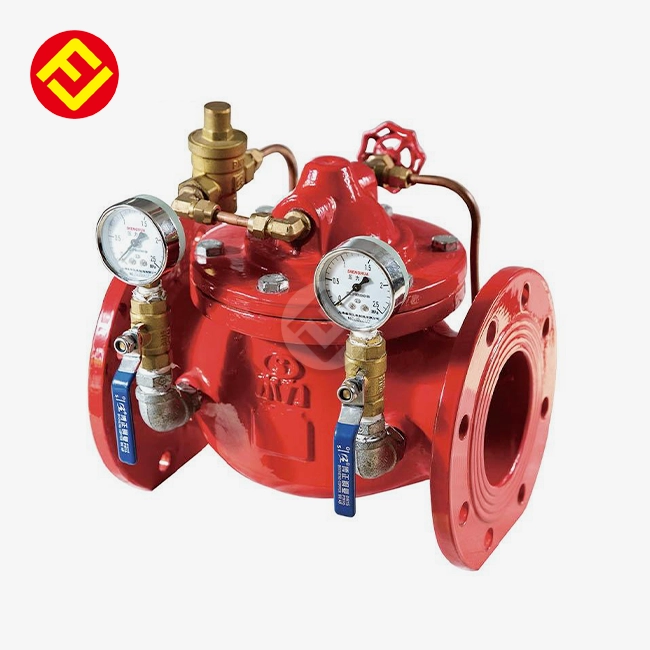
Pressure reducing valves protect your pipe network automatically by changing high, changing input pressure into stable, controlled downstream pressure. This hydraulic regulation stops catastrophic machine breakdowns, lessens damage from water hammer, and makes your whole system last longer. These valves keep the right pressure zones even when there are changes in the flow demand or upstream pressure. This keeps boilers, sensitive instruments, fixtures, and pipe joints safe from overpressure stress, which can cause leaks, bursts, and expensive downtime.

Specification |
|||
| Model (DN) | Type | Material Options | Pressure Range |
| DN50 | National Standard Body | Brass/Cast Iron/Stainless Steel | 0.1-1.6 MPa |
| DN65 | National Standard Body | Brass/Cast Iron/Stainless Steel | 0.1-1.6 MPa |
| DN80 | National Standard Body | Brass/Cast Iron/Stainless Steel | 0.1-1.6 MPa |
| DN100 | National Standard Body | Brass/Cast Iron/Stainless Steel | 0.1-1.6 MPa |
| DN125 | National Standard Heavy Body | Brass/Cast Iron/Stainless Steel | 0.1-1.6 MPa |
| DN150 | National Standard Heavy Body | Brass/Cast Iron/Stainless Steel | 0.1-1.6 MPa |
| DN200 | Stainless Steel Accessories | Stainless Steel | 0.1-1.6 MPa |
| DN250 | Stainless Steel Accessories | Stainless Steel | 0.1-1.6 MPa |
| DN300 | Stainless Steel Accessories | Stainless Steel | 0.1-1.6 MPa |
Understanding Pressure Reducing Valves and Their Role in Piping Systems
What Exactly Are Pressure Reducing Valves?
Pressure reducing valves are important control parts that are put between equipment that is sensitive further down the line and high-pressure supply lines. These devices lower the entering pressure to a lower output pressure that has already been set. This keeps the pressure constant even when the conditions at the inlet change a lot. There are either diaphragm or piston-based sensor elements inside the valve body that constantly check the pressure downstream and change the valve opening to match. When the pressure further downstream falls below the setpoint, the valve opens wider to make things even again. On the other hand, when pressure rises downstream, the valve stops flow to avoid overpressurization. In most manual setups, this self-regulating mechanism doesn't need any extra power to work. However, electric models allow for remote control of more complicated industrial automation systems.
Core Components and Operating Mechanisms
A professional-grade valve is made up of several carefully designed parts that work together. Whether it's a moving piston or a flexible diaphragm membrane, the sensor element picks up changes in pressure and sends that information to the valve stem. The standard force for measuring downstream pressure is an adjustable spring. This lets techs set the desired outlet pressure. The valve seat and plug assembly determines how much flow is restricted, and a balanced seat design makes sure that changes in the pressure at the inlet don't affect the safety of the exit. Premium types have stainless steel mesh filtration that keeps dirt out of the internal seals, which keeps them accurate over time and stops them from wearing out too quickly. The choice of material is very important. For example, DZR brass bodies don't dezincify in harsh water chemicals, and stainless steel 316 construction meets strict hygiene standards for food-grade and medicinal uses.
Types and Configuration Options
Different industrial settings need different types of valve designs. Diaphragm-sensing types work best in situations where they need to be very sensitive to small changes in pressure. They can usually handle exit pressures below 500 psi. Because the membrane is flexible and reacts right away to changes further downstream, these are perfect for precise control in HVAC systems and light business setups. When the outlet pressure is more than 500 psi or the area has hydraulic shock and shaking, piston-type valves are more durable. Because of the friction between the O-rings, piston systems are a little less sensitive, but they can handle rough circumstances better. For manual models, setting the pressure is as easy as changing the spring tension. Electric models, on the other hand, can be monitored and changed from afar using building management systems. The DN32 size, which is about 1-1/4 inches, is a good compromise between flow rate and fitting space. It can be used in both high-rise residential areas and light commercial process lines.
Common Challenges in Piping Infrastructure Without Proper Pressure Control
Catastrophic Equipment Failure Scenarios
Uncontrolled pressure destroys parts further downstream that were not made to handle high force. When automatic systems are put under pressures that are higher than their stated capacity, solenoid valves fail. This causes the internal diaphragm to rupture and flood. When the supply pressure goes over the safe working limits, the relief valve weeps in boiler systems. This wastes water and energy and requires constant upkeep. In buildings with more than one floor that don't have proper zoning, lower-floor faucets are subjected to too much pressure, which harms the cartridges and seals inside, causing them to drip and need to be replaced too soon. When there are pressure spikes during changes in the municipal supply, seals blow out on heat exchangers and cooling jackets in industrial settings. This could contaminate process fluids and stop production. Pressure reducing valves are designed to prevent these issues by maintaining consistent downstream pressure.
Water Hammer and Hydraulic Shock Damage
When a valve or pump suddenly shuts off, it sends pressure waves through the pipes at the speed of sound in water, which is about 4,800 feet per second. Without the right pressure control and damping, these shock waves can cause forces that can break pipes, open threaded joints, and damage support frames. The hitting sound that comes with water hammer means that damage to the structure is likely to get worse with each event. Copper tubing is especially prone to stress cracks that show up at elbows and tees. In galvanized steel systems, threaded joints slowly become loose, making ways for leaks to happen. When these pressure changes happen, the right-sized and properly placed valves absorb them. Their modulating action cushions the system and protects the stability of the infrastructure.
Valve-Specific Operational Issues
Even when pressure control devices are available, they don't work right if they aren't chosen or maintained properly. Valve chatter, which is when the valve plug quickly moves back and forth against the seat, makes a noise that is annoying and speeds up the wear on parts. This usually happens when the valve is too close to being fully closed or when the spring change is at its most extreme point. "Droop" is the term for when outlet pressure drops as flow demand rises. This often happens in spring-loaded systems that are working outside of their best flow coefficient range. Seat leakage happens slowly as dust and dirt get stuck between the plug and the seat or as rubber seals harden over time and changes in temperature. These problems are caught by regular checking before they get worse and affect the whole system. When the valve is the right size, it works best, which is usually between 20% and 80% of its maximum flow capacity.
Installation and Maintenance Best Practices for Pressure Reducing Valves
Strategic Site Selection and Positioning
Planning where to put the valve is the first step to a successful fitting. Place the device somewhere easy to get to so that it can be inspected and fixed on a regular basis without having to shut down the system. Horizontal pipe runs with enough space above and below make it easier for service workers to get to internal parts and adjusting mechanisms. To protect the whole network further down the line, put the valve in place after the main shut-off and before the branch distribution points. Put a shut-off valve right before and after the pressure reduction to make a repair zone that is separate from the rest of the system. This setup lets you take things apart and fix them without draining the whole machine. Follow the flow direction lines that are cast or stamped on the valve body to make sure it is in the right place. Installing something backwards stops it from working right and could damage internal parts. Make sure there are enough straight pipe sections upstream and downstream—usually five pipe sizes upstream and two downstream—so that the flow patterns are stable and the pressure sensors work correctly.
Installation Process and Technical Considerations
Before installing pressure reducing valves, make sure the pipe is completely clean. Get rid of any scale, flux dust, or metal shavings that might make the valve close less well. Use a thread glue that is compatible with the fluid being moved and the temperature of the system. Thread tape works well for systems that use cold water, while higher temperature liquid seals work well for systems that use steam or hot water. Tighten connections to the force levels recommended by the maker. Over-tightening bends the valve body and throws off the alignment of internal parts. Once everything is set up, slowly open the upstream and downstream separation valves to make the system pressurized. This stops hydraulic shocks that could hurt the diaphragm or knock internal parts loose. Use the adjustment screw or cap to slowly change the outlet pressure while keeping an eye on the gauges further downstream. After making changes, wait a few minutes so that the system can settle down before getting readings. During testing, put pressure gauges right upstream and downstream to make sure everything is working right and get standard performance data.
Routine Maintenance Protocols
Regular inspections keep parts from breaking down when they're least expected and increase their useful life. An annual check is enough when the service conditions are favorable and there is clean water or inert gases. When there are aggressive media, high cycle rates, or important uses, they need to be looked at every three months. Around the hood, the adjustment cap, and the body joints are good places to look for leaks. Check the exit pressure when there is low flow and when there is high demand to see if there are any signs of drooping or creeping. "Creep" shows up as slowly rising exit pressure at zero flow, which means there is a seat leak that needs to be fixed right away. During regular upkeep, take the valve apart to check the diaphragm or piston for cracks, tears, or stiffening. As a preventative measure, rubber parts should be replaced every three to five years, even if there is no damage that can be seen. Carefully clean the valve seat and plug surfaces, getting rid of any scale or powder layers that have built up. Use silicone-based grease that is compatible with the system media to grease the piston O-rings. When you put it back together, make sure the springs are properly tensioned and that all the connections are tight.
Choosing the Right Pressure Reducing Valve for Your Application
Diaphragm Versus Piston Sensing Technology
Which of these sensing mechanisms you choose will affect both how well they work and how long they last in your individual working setting. Diaphragm-type valves have a flexible membrane that bends when the pressure downstream changes. This membrane is usually made of EPDM or NBR elastomers. This device is very sensitive; it can detect changes in pressure as little as 0.1 bar. Because the diaphragm has a big sensing area, the valve stem only needs a small amount of power to move. This gives precise control and little droop across the flow range. Because of these features, diaphragm valves are perfect for places where tight pressure control is needed, like lab water supplies, professional cooking equipment, and home plumbing systems where the outlet pressure stays below 8 bar. In piston setups, a metal cylinder that is made and sealed with O-rings moves inside a bore that has been carefully ground. When compared to diaphragm designs, O-ring friction causes a little delay. However, piston valves can safely handle higher pressures, and are often rated to 25 bar or more. They work better in tough environments like factories, steam rooms, and outdoor settings because they can handle vibrations, changes in temperature, and small pieces of debris better than diaphragm types.
Material Selection for Durability and Compliance
Component materials have a direct effect on how long a valve lasts and how well it works with the media being sent. Standard brass bodies are very resistant to corrosion and are a good value for most uses that use clean water. Brass metals that don't dezincify stop selective rust in harsh water environments, especially those with low pH or high chloride levels. While still being resistant to rust, bronze casts are stronger for uses with higher pressures. When it comes to food processing, pharmaceutical making, and naval settings where complete resistance to corrosion and cleanliness are important, stainless steel 316 construction is the best choice. The rust protection of the interior trim materials (seats, plugs, and springs) must match that of the body material. Hardened stainless steel seats are better at resisting wear in high-speed situations or when there is particle contamination. When choosing elastomeric parts, you need to be careful to make sure they work with the right materials and at the right temperature. EPDM can handle hot water up to 90°C, while NBR can handle fluids made from oil but breaks down in chlorine water.
Sizing Methodology and Flow Coefficient Considerations
If the valves are the right size, the unit will work within its intended performance range. This way, you can avoid both undersizing, which causes too little pressure drop, and oversizing, which causes hunting and instability. First, figure out how much flow is needed through the valve at its highest level. For plumbing uses, use fixture unit methods, and for industrial systems, use process flow needs. This needs to be changed to a volumetric flow rate at the working conditions. The Kv (or Cv) value of the valve tells you how much flow it can handle at a certain pressure drop. A DN32 valve can handle flow rates of up to 9.0 cubic meters per hour, which is enough for home buildings with up to eight units or light business uses. When undersized valves are close to their full capacity, they become harder to control and droop more noticeable. When units are too big, they only work at a small fraction of their full capacity, which means the valve plug is almost closed. Small changes in flow cause big changes in pressure and possible chatter in this situation. Target size means that the valve's rated capacity should be reached when the expected peak flow is between 60% and 75% of that. This gives you control over both rising and falling demand.
Conclusion
To keep pipes from getting damaged by high pressure, you need to carefully choose and install pressure reducing valves that are right for your working conditions. These devices are the first line of defense against overpressure failures, hydraulic shock, and early component wear that waste money on repairs and stop operations. Procurement teams can define the best solutions when they know the detailed differences between diaphragm and piston designs, how to choose the right materials, and the right way to measure things. Following the manufacturer's instructions for regular repair will extend the life of valves and keep them working at a high level, protecting your investment in pipe systems and equipment further downstream.
FAQ
How often should pressure reducing valves receive professional maintenance?
How often maintenance needs to be done depends a lot on how the media is used and how it behaves. Systems that provide clean, drinkable water in climate-controlled areas usually need to be inspected and serviced once a year. Installations that are subject to harsh weather, aggressive media, or high-cycle uses need to be checked every three months. Between planned repair, keep an eye out for warning signs like a slow drop in outlet pressure, strange noises while the machine is running, or leaks that can be seen from the outside. These signs mean that help is needed right away, no matter what the plan says. Changing preventative parts like rubber diaphragms and seals every three to five years keeps them from breaking down when demand is high.
Can facility maintenance staff install these valves, or should we engage licensed professionals?
How hard it is to install depends on the system pressure, the type of media, and the rules in your area. Replacements of simple parts in current home or light business systems are usually doable by maintenance staff with experience who know basic plumbing techniques. Professional engineering guidance and qualified contractor execution are helpful for complicated industrial uses, high-pressure steam systems, or setups with pressure vessels. Changes to potable water systems are often required by local rules to be made by a registered plumber. Professional installation makes sure that the right size is checked, that the equipment is placed correctly in the network of pipes, and that the first change is made correctly. This avoids expensive returns and possible safety issues.
What criteria determine the correct valve size for my piping system?
The first step in sizing is to accurately calculate the flow demand, taking into account the highest levels of joint use. Change this demand into a volumetric flow rate, and then look at maker flow coefficient charts that match the pressure needs at the inlet and exit. The valve should be able to handle peak flow at 60–75% of its estimated capacity. This gives you some control while keeping you from operating it too close to fully stopped, where it can become unstable. The size of the pipe link doesn't automatically decide the size of the valve. If room is limited, a smaller valve with a good flow coefficient can serve a bigger pipe through reducer fittings. Too much sizing makes it hard to control, and too little sizing leads to too much pressure drop and bad regulation. In this context, technicians must correctly maintain their pressure reducing valves to ensure long-term stability.
Partner with FLA Industrial & Trading Co., Ltd. for Superior Pressure Control Solutions
FLA Industrial & Trading Co., Ltd. offers a wide range of effective pressure reducing valves for purchase by purchasing managers. We are dedicated to providing precisely designed parts that meet strict industry standards, and we have been making things for almost 40 years. Our wide range of Products" target="_blank" style="color:blue" >products includes pipe fittings made of malleable iron that work perfectly with pressure control systems. This means that you can get all of your plumbing needs met from a single reliable source. Quality management rules make sure that every part is thoroughly tested before it is sent out. This gives contractors and dealers the trust they need to supply parts for important building projects. Email our technical team at sales@flaindustrial.com to talk about your unique application needs, get full product specifications, and get cheap quotes for both small orders and large orders.
References
American Water Works Association. (2019). Manual M22: Sizing Water Service Lines and Meters (3rd ed.). Denver, CO: AWWA Publications.
Stewart, H.L. (2018). Pneumatics and Hydraulics (7th ed.). Indianapolis, IN: Audel Technical Publications.
British Standards Institution. (2017). BS EN 1567:2000+A1:2009 - Industrial valves - Pressure reducing valves and associated fittings for gas installations for inlet pressures up to 100 bar. London: BSI Standards.
Smith, P.R., & Zappe, R.W. (2016). Valve Selection Handbook: Engineering Fundamentals for Selecting the Right Valve Design for Every Industrial Flow Application (5th ed.). Houston, TX: Gulf Professional Publishing.
National Fire Protection Association. (2021). NFPA 13: Standard for the Installation of Sprinkler Systems (2022 ed.). Quincy, MA: NFPA Publications.
Hydraulic Institute & American National Standards Institute. (2020). ANSI/HI 9.6.4 - Rotodynamic Pumps for Pump Piping. Parsippany, NJ: Hydraulic Institute Standards.