Designing Flexible Systems with High-Performance Grooved Joints
2026-07-02 14:04:27


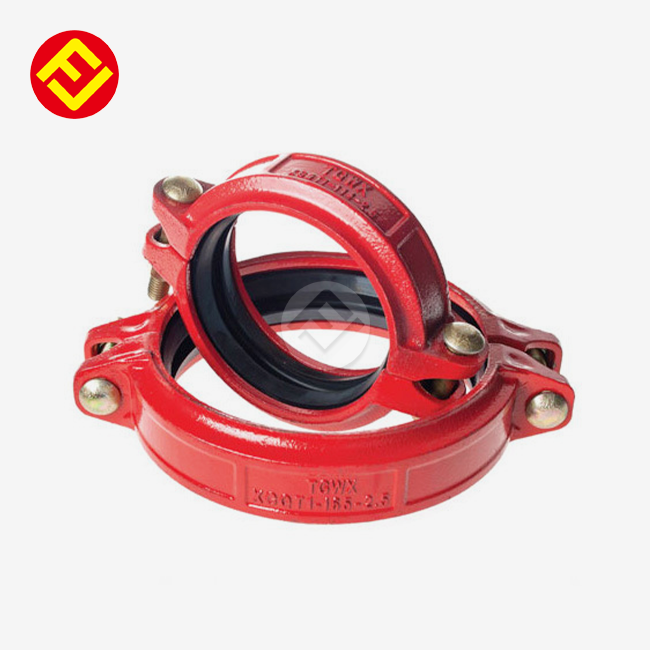
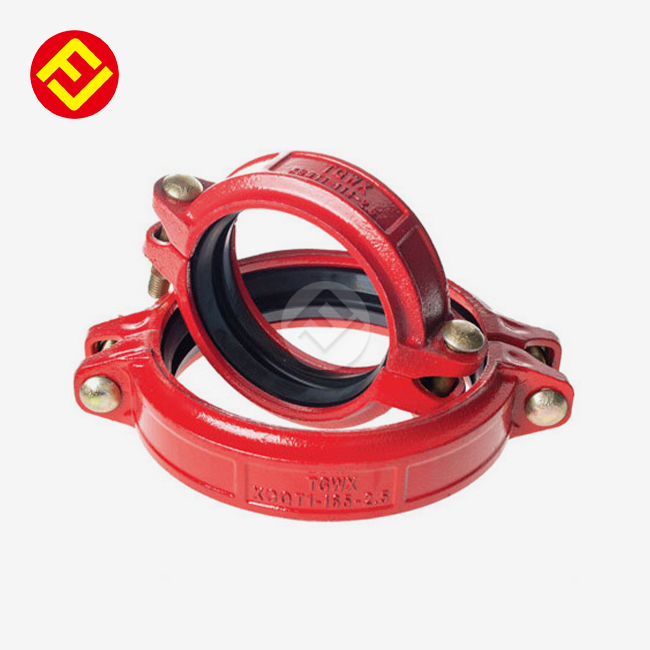
Engineers are changing how they build pipe systems by using high-performance grooved joints. Because they don't require welding or threading, these mechanical joint options are the most flexible and quick to install. Grooved joints offer leak-proof links while allowing for thermal movement and shaking thanks to precision-machined grooves and designed couplings with pressure-responsive gaskets. This technology solves important problems in industries like building, HVAC, fire safety, and more. It makes piping systems safer, faster, and more flexible while still meeting strict international standards.
Specification |
|
| Model | Model |
| DN50×DN25 (60×33) | DN100×80 (114×89) |
| DN65×25 (76×33) | DN125×25 (140×33) |
| DN65×32 (76×42) | DN125×32 (140×42) |
| DN65×40 (76×48) | DN125×40 (140×48) |
| DN65×50 (76×60) | DN125×50 (140×60) |
| DN80×DN25 (89×33) | DN125×65 (140×76) |
| DN80×DN32 (89×42) | DN125×80 (140×89) |
| DN80×DN40 (89×48) | DN150×25/32/40/50 (OD 165) |
| DN80×DN50 (89×60) | DN150×65 (165×76) |
| DN100×25 (114×33) | DN150×80 (165×89) |
| DN100×32 (114×42) | DN200×25/32/40 |
| DN100×40 (114×48) | DN200×50/65 (219×60×76) |
| DN100×50 (114×60) | DN200×80 (219×89) |
| DN100×65 (114×76) | |
Understanding Grooved Joints and Their Design Principles
How Grooved Joint Systems Work?
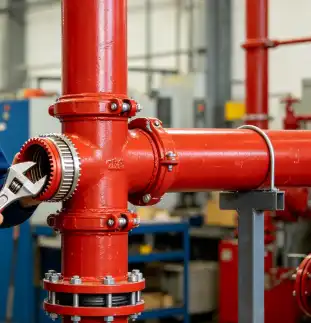
Grooved mechanical plumbing has a simple but strong design: a groove is rolled or cut into the end of the pipe, making a safe place for the coupler housing to sit. There is an elastic gasket between the pipe and the housing that creates a seal that changes based on the pressure. When the coupler bolts are tightened to the right level, the housing fits into the groove and presses down on the gasket, making a leak-proof link that doesn't involve heat or fusion. This cold-formed fitting method has changed the way pipes are put together in many fields.
Comparing Traditional Joining Methods
Knowing the differences between the different joining methods helps buying teams make smart choices. Welded connections take longer and pose more safety risks because they need skilled workers, fire watchers, and hot work permits. Flanged systems need to be perfectly aligned and use more than one pin, which makes installation more difficult. Threaded joints limit the size of pipes and need a lot of work to get ready. All of these steps can be done more quickly and easily with grooved mechanical connections, which also keep the structure as strong as bonded systems. This technology is especially useful when adding on to current systems that need to grow without having to stop running.
Key Design Considerations for Optimal Performance
Picking the right material is the first step in making sure that curved systems work well. Ductile iron fittings that meet ASTM A536 Grade 65-45-12 have a tensile strength of more than 65,000 psi and a stretch of 12%. This makes them durable while still being flexible. To make sure that couplings work, groove sizes must exactly match ANSI/AWWA C606 guidelines. The type of gasket material used depends on the job. For example, EPDM is good for water service, while nitrile is good for oil and gas. For everyday use, the pressure limit is 300 psi, and for high-pressure industrial devices, it's 1,000 psi. Surface processes like hot-dip galvanization or epoxy powder coating make things resistant to rust in a way that works with the surroundings.
Types of Grooved Components and Their Applications
Grooved technology can be used for more than just connections. Grooved elbows, which come in 90-degree and 45-degree angles, change the direction of flow while keeping the system flexible. Grooved crosses make four-way crossings possible without welding, which is very important in large distribution networks. Changing the width of a reducing fitting doesn't need any extra adapters. Specialized grooved valves fit right into the system of pipes. These parts are used in fire defense systems because they are easy to install and work well. Vibration damping qualities are useful for HVAC uses. Facilities that treat water like how easy it is to maintain and change the system. In places where hot work is too dangerous, oil and gas companies use grooved links.
Advantages of Using Grooved Joints in Flexible Systems
Installation Speed and Labor Cost Reduction
Data from real life shows that grooved joints mechanical systems save a lot of time. A study done by the industry in 2019 found that installation speeds are three to five times faster than welding and twice as fast as flanging. A business building project in Chicago cut the time it took to place pipes by 42%. This saved a lot of money on labor costs and got the project done earlier. The easier assembly process means that you don't need as many specialized skills. This helps with the construction industry's ongoing lack of qualified welders. Contractors can make more money while keeping quality standards high by doing more work with smaller teams.
Flexibility and Stress Accommodation
Grooved links, on the other hand, allow for the movement that comes with pipe systems. Grooved joints absorb these changes without putting stress on nearby lines or equipment. Thermal expansion and contraction naturally occur as temperatures change. In places where earthquakes are common, systems need to be able to bend without breaking in terrible ways. This important feature is made possible by bendable grooved connections that let the joints bend in any direction. Vibrations from the pump and compressor travel through hard pipes, wearing them out and eventually breaking them. In grooved systems, elastomeric gaskets stop these movements, which increases system life and lowers noise transfer.
Comparative Performance Analysis
By looking at the upkeep needs, we can see more benefits. Once they are put together, welded joints can't be taken apart for maintenance or to change parts without being cut and welded again. During regular maintenance, gaskets need to be replaced and bolts need to be re-torqued on flanged joints. Over time, threaded joints may seize up, making it harder to make changes in the future. By taking out the coupling nuts, grooved systems are easily taken apart for checking, cleaning, or replacing parts without the need for special tools. Changes to the system happen in hours instead of days, so there is less downtime for important tasks. There are businesses where these traits are especially useful because stopping production can cost a lot of money.
Installation and Maintenance Best Practices for Grooved Joints
Step-by-Step Installation Procedures
Preparing the pipes is the first step in a proper fitting. Use the right cutting tools to cut pipes squarely and get rid of any burrs that could damage seals. Grind the end of the pipe using either roll grooving for thinner-walled pipes or cut grooving for thicker materials, making sure the sizes fit the coupling's requirements. Using calibrated tools, check the holes for the right depth and width. Remove any oil, dirt, or other foreign matter from the ends of the pipes by cleaning them. Place the seal around one end of the pipe, making sure it is facing the right way with any pointing guides. Bring the ends of the pipe together while keeping them straight. Place pieces of coupler housing around the joint so that they fit into the gap. Put bolts through housing holes and tighten them by hand at first. To make sure the gasket is compressed evenly, torque the nuts to the manufacturer's specs using a measured torque wrench in a cross-pattern design.
Essential Tools and Quality Verification
For construction to go well, you need the right tools. Pipe cutters and saws make straight, clean cuts. Correct holes are made by roll grooving machines or cut grooving tools. Bolt tightness should be checked with torque wrenches that have been adjusted within the last twelve months. Groove measuring tools make sure that measurements are correct. Once everything is put together, a visual check makes sure that the case fits into the holes on both ends of the pipe. Before putting the system into service, it is tested for soundness under pressure, as required by relevant codes like NFPA 13 for fire protection systems or local plumbing codes for water service.
Proactive Maintenance Strategies
Regular checkup programs for grooved joints make systems last longer and stop them from breaking down without warning. Visual inspections find rust, worn-out gaskets, or damage to the case. A yearly check of the bolt torque guarantees that the tension stays the same. When you change parts of a system, replacing the seals stops leaks from happening when you put the parts back together. Keeping records of what was found during inspections sets the standard for trend analysis. Service conditions determine how often maintenance needs to be done. For example, strong chemical settings need more frequent care than normal water service.
Standards Compliance and Safety Certifications
Design and construction of grooved joints are governed by both international and domestic norms. ANSI/AWWA C606 lists the standards for size and efficiency. Fire safety system parts are checked by FM Approvals and UL ratings. The grade of ASTM materials is always the same. NFPA rules tell installers how to put in fire systems. Procurement teams should ask for proof that suppliers are following the rules by asking for things like material test records and certifications from a third party. This extra work keeps you safe from bad goods and makes sure you follow the rules.
How to Choose the Right Grooved Joint Supplier and Products?
Evaluating Material Quality and Certifications
To tell providers apart, you have to look at their quality control and manufacturing standards. Manufacturers with a good reputation keep their ISO 9001 certification, which shows that they handle quality in an organized way. Material approvals show that the product meets ASTM standards. Validation from a third party, like FM Approvals or UL, gives you peace of mind. Ask for mill test results that list the chemicals used and the mechanical features of the material. Check the quality of the surface finish because improper paint application causes rust to start too soon. Consistency in sizes across production lots makes sure that Products" target="_blank" style="color:blue" >products will work together in the field without any fit-up problems.
Pricing Structures and Procurement Strategies
Understanding what causes costs helps people make better choices about what to buy. The prices of raw materials change with the trade markets, which makes prices less stable. Different parts are more or less difficult to make. For example, simple joints are easier to make than complicated reducing crosses. The number of units you buy affects the price per unit, and buying in bulk gets you savings. Custom production for sizes or materials that aren't normal costs more. Lead times range from being able to get standard sizes right away to weeks for more specific things. Framework deals with chosen sellers should be made by procurement professionals to ensure consistent price while still allowing for flexibility for project-specific needs.
Custom Manufacturing and OEM Partnerships
Customized solutions are sometimes needed for big projects or one-of-a-kind uses. If a manufacturer has its own engineering department, it can change normal designs by changing the pressure levels, materials, or sizes. Specific corrosive conditions are taken into account in custom covering specs. OEM agreements let sellers build their own brands by using private labeling. Different manufacturers have different minimum order amounts for custom work, and they usually need promises that are reasonable for big jobs. Technical teamwork during the planning phase makes sure that the best solutions are found, taking advantage of the knowledge of the maker while still meeting the needs of the project.
Conclusion
When it comes to construction speed, system freedom, and upkeep efficiency, grooved mechanical piping systems really shine. These links lower labor costs and safety risks by getting rid of the need for welding and making assembly easier. They also work with the thermal movement and vibration that are normal in pipe systems. Long-term performance is best achieved by choosing the right parts, following best practices for fitting, and forming smart relationships with suppliers. No matter if they are used for fire protection, HVAC, industrial processing, or water distribution, grooved joints are reliable and meet building codes. If procurement workers know about design principles, comparative advantages, and supplier evaluation criteria, they can make smart choices that improve project results while keeping costs low.
FAQ
What Distinguishes Grooved Joints from Flanged Connections?
Flanged systems have flat closing surfaces with many nuts grouped in a radial pattern. They need to be perfectly lined up and take a long time to install. Grooved joints connect a body with a single gasket to a deep groove, which makes assembly a lot easier. Flanged fittings usually cost more because they need more materials and are harder to install. Both ways can take things apart, but grooved systems can do it faster and with fewer tools.
Can Grooved Systems Handle High-Pressure Applications?
How much pressure something can handle relies on the pipe plan, groove type, connection design, and gasket material. Rigid couplings can handle working pressures of 500 psi or more, while standard bendable couplings can handle up to 300 psi. For professional use, specialized high-pressure housings can handle up to 1,000 psi. Always make sure that the whole system, including the pipes, fittings, valves, and seals, can handle the highest pressure plus the right amount of safety.
Are Customized Grooved Solutions Available for Specialized Requirements?
Manufacturers can meet particular needs for the types of materials used, the pressure levels, the size ranges, and the defense against corrosion. When compared to standard catalog items, custom projects usually have lower minimum order numbers and longer wait times. Including providers early in the design process allows for joint engineering that balances the need for performance with the ability to make the product and the lowest cost.
Partner with FLA Industrial for Reliable Grooved Joint Solutions
At FLA Industrial & Trading Co., Ltd., we make grooved joint parts with the skills we've learned over the past 30 years. Our large catalog has precisely built grooved crosses, elbows, and suitable malleable iron fittings made for tough industrial, plumbing, and HVAC uses. Fortune Global 500 companies in the US, Germany, and Australia trust us to supply them with grooved joints. We keep strict quality standards and offer cheap bulk pricing that hardware dealers and building workers count on. Our technical team can help you find goods that are exactly what your system needs, whether you need standard settings or custom specs. Email us at sales@flaindustrial.com to talk about your project needs and find out how our track record of dependability can help you succeed.
References
American Water Works Association. ANSI/AWWA C606 Standard for Grooved and Shouldered Joints. Denver: AWWA, 2020.
Factory Mutual Research Corporation. Approval Standard for Grooved Pipe Couplings and Fittings. Norwood: FM Approvals, 2018.
National Fire Protection Association. NFPA 13: Standard for the Installation of Sprinkler Systems. Quincy: NFPA, 2022.
Smith, J.R. and Thompson, K.L. "Comparative Analysis of Mechanical Pipe Joining Systems in Commercial Construction." Journal of Construction Engineering and Management 145, no. 8 (2019): 04019054.
ASTM International. ASTM A536: Standard Specification for Ductile Iron Castings. West Conshohocken: ASTM, 2021.
Victaulic Company. Engineering Essentials: Grooved Mechanical Piping Systems Design Manual. Easton: Victaulic, 2021.