Advantages and Applications of Aluminum Alloy Motor Housing
2026-04-30 09:50:15


Modern motor design has been changed forever by aluminum motor housing, which provides superior heat control, weight reduction, and structural stability. Aluminum alloys like ADC12, A380, and 6063 are used in these precision-engineered protective casings to house important motor parts and solve important industry problems. Because the material is about three times better at conducting heat than cast iron, it can effectively get rid of heat, which extends the life of motors and makes them more reliable. Aluminum motor housing is much lighter than steel ones because of their density, which is about one-third that of steel. This makes systems much more energy efficient in a variety of situations, from industrial automation to electric cars.
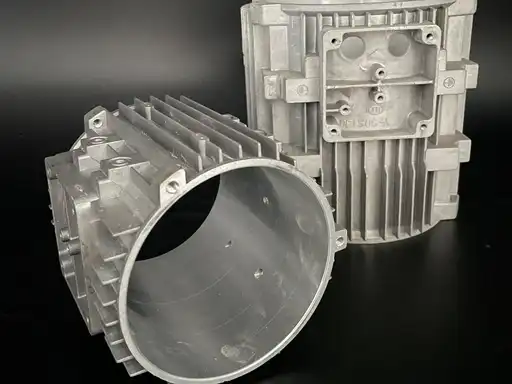
Understanding Aluminum Alloy Motor Housing
Motor housings are the main structure that keeps electric motors safe from damage from the surroundings and in good working order. Knowing what these parts are made of and how they are made technically helps buying workers make smart decisions about where to buy things.
What Defines Aluminum Motor Housing?
High-pressure die casting, gravity casting, or extrusion methods are used to create aluminum motor housing, which are specialized safe cases. These structures make up the outside of electric motors. They hold the stator, rotor, and windings in place while keeping the exact specs needed for electromagnetic efficiency. The housings do a lot more important things than just protect the components inside. For example, they act as built-in heat sinks, block electromagnetic interference, and create mounting ports for industrial uses. At FLA Industrial & Trading Co., Ltd., we use high-quality aluminum alloy and cast iron to make motor housings. We use advanced casting and cutting techniques to make sure the dimensions are correct and the structure is strong enough to meet ISO9001 certification standards.
Common Aluminum Alloy Grades
Different aluminum types have different performance qualities that make them better for certain motor uses. The A380 metal is great for high-volume die casting because it can be cast easily and holds its shape under pressure. ADC12 has better flexibility when it comes to casting, which reduces porosity while keeping good rust resistance. The 6063 metal is often used in extrusion processes because it has a great surface finish and can transfer heat well. On the other hand, 6061 grade aluminum has higher mechanical strength and is better for uses that need better structure performance. The choice of material is based on the working temperature, the climate, and the amount of mechanical stress that needs to be applied. Our research team helps clients choose the right metals based on the specifics of their applications. This makes sure that the alloys work well and are cost-effective.
Manufacturing Processes and Quality Standards
Complex manufacturing methods are used to make aluminum motor housing, which have a direct effect on the quality of the finished product. Die casting makes it possible to make a lot of things with complicated shapes because it can combine cooling lines and fastening features in one step. Gravity casting is good for smaller orders with bigger walls because it has good mechanical qualities. After casting, precise CNC cutting makes sure that the bearing holes, shaft openings, and mounting surfaces are all within very close limits, usually between 0.01mm and 0.02mm. Adding a powder coating or anodizing finish to the surface makes it look better and make it more resistant to rust. At every step of the production process, from checking the quality of the raw materials to making sure the end dimensions are correct using coordinate measuring machines (CMM), we do thorough quality checks. This strict process makes sure that every building meets strict international standards and works well in tough industrial settings.
Advantages of Aluminum Motor Housing over Other Materials
When looking at different materials for motor housings, aluminum motor housing work better and cost less than standard options like cast iron, steel, and engineered plastics.
Weight Reduction and Energy Efficiency
The low mass of aluminum (about 2.7 g/cm³) makes motor-driven systems work better right away. When compared to cast iron housings, aluminum versions cut the weight of the parts by about 60–65%. This means that servo motor uses have less inertia and better dynamic reaction. This weight advantage is especially useful for mobile equipment, where each kilogram changes how much fuel it uses or how far its battery lasts. In industrial machinery, smaller motors make installation easier, lower the load that needs to be put on the structure, and allow moving equipment without using heavy pulling tools. The motor will use less energy throughout its life because it has less mass, so it uses less energy during acceleration and braking cycles. More and more, construction companies and equipment makers are asking for aluminum housings to meet economy standards and cut costs throughout the lifespan of a project.
Superior Thermal Management
One of the best scientific things about metal is that it can conduct heat well. Aluminum moves heat about three times better than cast iron. Its thermal conductivity ranges from 90 to 160 W/m·K, based on the metal it is made of. This feature lets motor housings work well as heat sinks, taking heat away from the windings and spreading it over the whole surface area so that natural airflow can cool it down. Lower working temperatures directly increase the life of the insulation, slow down the wear and tear on the bearings, and stop thermal derating, which lowers the motor's performance. Our designed designs use fan structures and the right amount of wall thickness to get rid of heat as quickly as possible without adding extra weight. This thermal performance is good for electrical installation companies and utility workers because it means their motors can keep up their maximum output even when they are working continuously at high temperatures.
Corrosion Resistance and Durability
The oxide layer that forms naturally on aluminum surfaces protects against rust better than steel or cast iron that isn't covered. This passivation layer can stand up to water, salt spray, and many chemicals that are used in factories. Aluminum motor housing can last for decades in harsh settings like coastal sites, chemical processing plants, and outdoor uses when they are finished with anodizing or powder coating. This resistance to rusting gets rid of the problems that come up with iron housings because of rust. This cuts down on upkeep needs and unplanned downtime. Contractors in the HVAC and water industries like this longevity because a lot of the time, their equipment works in humid places where regular housings break down quickly. Aluminum's ability to fight corrosion and maintain its shape over time makes it a reliable material that can be used in a wide range of circumstances.
Lifecycle Cost Analysis
Aluminum may have higher starting material prices than cast iron, but a full lifecycle study shows that it has big economic benefits. Less weight means less money spent on shipping and installation, especially for large orders sent to different places. Longer service life due to better corrosion resistance and temperature management cuts down on the number of replacements needed and the work costs that come with them. Over many years of use, especially in high-duty cycle uses, gains in energy efficiency add up to big saves. Aluminum is very easy to recycle and keeps about 95% of its value when it's no longer useful. This gives it leftover value that covers the initial investment. All of these reasons show why procurement managers are choosing metal housings more and more, even though they cost more up front. Hardware dealers and tool wholesalers can offer aluminum solutions at attractive prices thanks to our cheap production capabilities and fast delivery processes. This makes them more competitive in the market and gives end users better value.
Applications of Aluminum Alloy Motor Housing in Industry
Aluminum motor housing are used in a lot of different industries because they are versatile and work well. Each industry benefits from different material qualities that are compatible with their needs.
Electric Vehicle and Automotive Systems
The switch to electric vehicles in the car business has created a huge need for motor housings that are both light and efficient. Electric car traction motors need housings that keep the vehicle's weight down while also handling the high temperatures that come from running at full power. Because aluminum is a good thermal conductor, it can be used to make liquid-cooled designs with built-in water jackets that keep the right working temperature even when speeding up or staying at fast speeds. The reduced weight directly increases the driving range, which is a key competitive factor for EV makers. Using precision casting methods, single parts can have complicated shapes that include cooling lines, mounting holes for sensors, and points for attaching them to the structure. When it comes to manufacturing, we can help automakers by making unique housing options that meet strict quality standards and high-volume production needs. Manufacturers of construction equipment also benefit from hybrid powertrains with aluminum motor housing because the lighter weight makes the equipment easier to move around on the job site and saves fuel.
Industrial Machinery and Automation
Automation in manufacturing relies on servo motors and precision drive systems that need to have low inertia and quick response times. Because they have low rotational mass and good sound damping qualities, aluminum motor housing help meet these performance needs. The stiffness of the material keeps the motor parts perfectly lined up, which stops bearing wear and shaft runout that could affect the accuracy of placing. In CNC machining machines, packaging equipment, and robotic systems, aluminum housings make it possible to build small motors that can work in limited space while still managing heat well. Motors with aluminum housings are used in sawing, sanding, and material handling tools in woodworking and furniture making. This is because dust and wood particles need sealed, corrosion-resistant enclosures. Our precise manufacturing makes sure that the assembly process goes smoothly and that the sizes of each batch of Products" target="_blank" style="color:blue" >products are the same. These are important factors for equipment makers that have to deal with global supply chains and just-in-time shipping plans.
HVAC and Systems for Moving Fluids
When used for heating, ventilation, and air conditioning, motors are put through constant work in places where the temperature and humidity change quickly. In these situations, rusting quickly breaks down cast iron motor housings, but aluminum motor housing don't rust. Aluminum is good at both resisting rust and withstanding high temperatures, which makes it useful for pumps in water systems, irrigation equipment, and industrial fluid handling. The material can handle being exposed to chemicals in process fluids and still keep its shape when it is vibrated or under high pressure. Aluminum housings are used for compressor motors in cooling and pneumatic systems to keep the weight of equipment meant for rooftop or high placements as low as possible. Our engineered solutions are designed to meet the specific needs of HVAC contractors and plumbing professionals. We provide motor housings with the right ingress protection (IP) ratings, mounting configurations, and surface treatments to ensure long-term dependability in tough service environments.
Power Tools and Equipment
Portable power tools and industrial tools need motor housings that are light, strong, and can handle being hit, vibrated, and handled by people. Aluminum is strong for its weight, which is important for small tools, and it also gets rid of heat better than other materials, so it can be used for a long time. Generators, air engines, and power tools all have aluminum housings that make them easier to move around and less tiring for operators without losing structural safety. The material is very easy to machine, which lets you make complicated housing designs with mounting bosses, ventilation holes, and cord management features. Hardware stores and tool dealers that work with building companies and factories are stocking more and more aluminum-housed motors as replacement parts. They know that these motors perform better and last longer, which is why they are priced higher. Our wide range of SKUs and flexible order numbers help delivery networks that need both standard configurations that can be sent right away and custom specs that can be made quickly for specific uses.
How to Choose the Right Aluminum Motor Housing for Your Needs?
When choosing the right motor housings, you have to balance technical specs, application needs, and business concerns in order to get the best performance and lifetime value. Aluminum motor housing selection begins with making sure that the basic technical factors match the needs of the application.
Evaluating Technical Specifications
The first step in choosing a motor case is making sure that the basic technical factors match the needs of the application. The basic size and shape of a building are determined by its operating power and physical measurements. Calculating the thermal load tells you how much heat you need to get rid of, taking into account the job cycle, the temperature outside, and the air flow. Tolerances in the bearing bore and the accuracy of the shaft position have a big impact on how well and how long a motor works. For precision uses, housings must be made to H7 or J6 tolerance grades. Ingress protection ratings tell you how resistant something is to dust and water getting in. Ratings range from IP44 for normal workplace use to IP67 for outdoor or wash-down uses. Mounting arrangements need to work with the way equipment already works and the available space. Our engineering team gives procurement professionals technical advice that helps them turn operational needs into specific housing specs. This makes sure that everything works together perfectly in the intended uses.
Material Grade Selection
Different aluminum metals have different sets of properties that work best in certain situations. Alloys that keep their strength better at high temperatures are better for uses that involve high temperatures. In places where chemicals are used a lot, you need types that are more resistant to rust or that work with certain surface treatments. For uses with a lot of stress, metals with higher tensile strength and fatigue protection are needed. When weight is important, designs that use lower-density materials are preferred. Applications that care about costs have to match the need for efficiency with the cost of materials. Knowing about these trade-offs helps you choose materials that are right for your purpose. We have housing options in a number of different types of aluminum alloy as well as cast iron. This gives you the freedom to choose the material qualities that best meet your needs and your budget. This variety lets hardware wholesalers serve a wide range of customers while keeping their stock levels low by strategically reducing the number of SKUs they have.
Supplier Selection Criteria
Picking trustworthy factory partners has a big effect on the quality of the products you make, how quickly they send them, and how stable your supply chain is in the long run. Standards for certification, like ISO9001, show that quality management methods and process discipline are well-established. The ability to meet number needs and work with complicated designs depends on the production capacity and technology available. Lead time performance affects both planning for inventory and providing good customer service. Our streamlined production processes make it possible to deliver standard products right away from stock and finish custom orders within 7–15 working days. Technical support services like technical advice, 3D modeling, and mold making make it possible for people to work together to solve problems for unique apps. Established OEM relationships show that the company is good at making things and can be trusted. Logistics costs and lead times for foreign purchases are affected by where the goods are being bought. Purchasing managers who work with electrical companies, construction companies, and companies that make industrial equipment should look at all of a supplier's skills, weighing things like quality control, on-time delivery, technical knowledge, and cost-effectiveness. This way, they can build long-lasting partnerships with suppliers that help their businesses grow and keep customers happy.
Conclusion
Aluminum motor housing have clear performance benefits that meet important industry needs in a wide range of uses. The material is very good at conducting heat, being light, and not rusting. These qualities make it useful in the workplace because they make tools last longer, use less energy, and cost less to maintain. Manufacturing innovations keep making designs more flexible and production more efficient. This makes aluminum housings easier to use in cost-effective situations. To get the best lifetime value, you need to look at technical specs, material grades, and suppliers' skills as a whole when you're buying something. As more businesses try to go electric and be more environmentally friendly, aluminum motor housing will play a bigger part in the next wave of motor technologies. They will offer solutions that meet both the performance needs and environmental concerns of B2B buyers today.
FAQ
What are the main reasons why aluminum is better than steel for motor housings?
Aluminum motor housing has a much smaller mass than steel, which means that it can be used to make motors that are about 60% lighter while still being strong enough. Aluminum's thermal conductivity is about two to three times higher than steel's, which means it can get rid of heat more efficiently and at lower temperatures. It is better at resisting corrosion, especially in damp or salty places where steel needs protective coats. Because aluminum is so easy to machine, it lowers the cost of making parts with complicated shapes. While steel has a higher tensile strength, this isn't necessary for most motor housing applications. Instead, aluminum's benefits make it the better choice for most industry uses.
Is it possible to make aluminum motor housings fit different kinds of motors?
Customization is one of the most important skills in making aluminum motor housing. Different sizes, mounting arrangements, shaft directions, and built-in features can be accommodated by die casting and cutting. It is possible to add extra features for cooling lines, mounting sensors, wire entries, and connection ports. Certain environmental needs are met by surface processes like powder coating, anodizing, and specialty finishes. Our engineering team works with original equipment makers (OEMs) and equipment manufacturers to create custom building solutions that meet the specific needs of each application. They do this by verifying 3D designs and making prototypes to help ensure successful product launches.
What factors should I consider when selecting an aluminum motor housing supplier?
Evaluate manufacturing certifications like ISO9001 indicating quality management systems. Assess production capacity and technology capabilities matching your volume requirements. Verify lead time performance and inventory availability supporting your delivery needs. Review technical support services including engineering consultation and custom design capabilities. Examine supplier references and established OEM partnerships demonstrating reliability. Consider geographic location affecting logistics and communication. We provide comprehensive support from initial inquiry through production, delivering technical specifications and 3D designs within 24-48 hours and maintaining substantial inventory enabling immediate shipment of standard products.
Partner with a Trusted Aluminum Motor Housing Manufacturer
FLA Industrial & Trading Co., Ltd. has been making high-quality aluminum motor housing for almost 40 years and sells them to tool stores, building companies, companies that make industrial equipment, and electrical companies all over the world. Our carefully designed housings are better at getting rid of heat, protecting structures, and staying reliable over time in a wide range of challenging situations. We have advanced casting and machining capabilities, as well as 2,000 tons of inventory, and are ISO9001 certified. We offer responsive service, which includes help with custom designs, quick prototyping, and a range of order amounts, from single units to large purchases. Email our engineering team at sales@flaindustrial.com to talk about your needs for an aluminum motor housing and find out how our production skills can help your product work better and your supply chain run more smoothly.
References
Johnson, R. & Martinez, S. "Thermal Management in Electric Motor Design: Material Selection and Performance Optimization." Journal of Mechanical Engineering Applications, Vol. 47, No. 3, 2022, pp. 156-174.
Chen, W. "Aluminum Alloys in Industrial Applications: Properties, Processing, and Performance." Materials Science and Manufacturing Technology Review, 2023, pp. 88-102.
Industrial Motor Systems Handbook. "Housing Materials and Design Considerations for Energy-Efficient Motors." U.S. Department of Energy, Office of Industrial Technologies, 2021.
Thompson, K. et al. "Lifecycle Cost Analysis of Motor Housing Materials in Industrial Applications." International Journal of Production Economics, Vol. 215, 2023, pp. 45-59.
Zhang, L. & Williams, P. "Advanced Casting Technologies for Aluminum Components: Quality Control and Process Optimization." Manufacturing Engineering Review, Vol. 34, No. 2, 2022, pp. 201-218.
Roberts, M. "Material Selection for Electric Vehicle Traction Motors: Weight, Thermal, and Cost Considerations." Automotive Engineering International, Vol. 128, No. 5, 2023, pp. 34-42.