Best Light-Duty F-Clamps for Professional Woodworking & DIY
2026-07-14 10:36:51


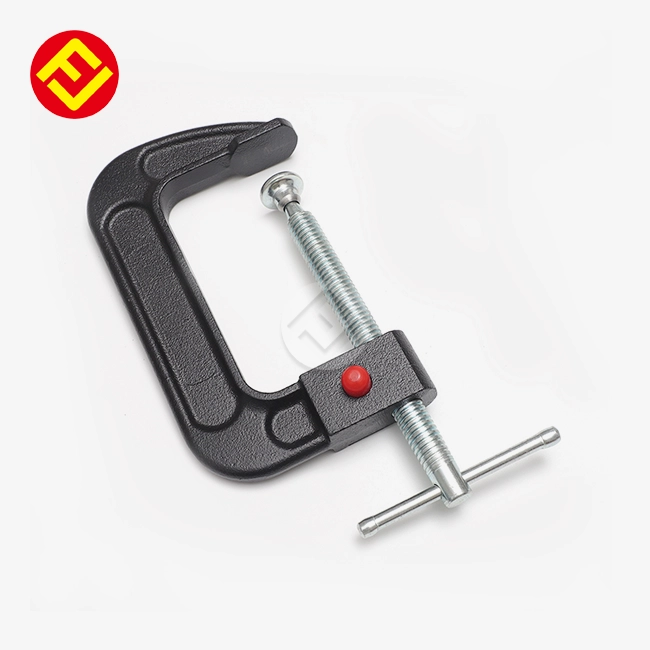
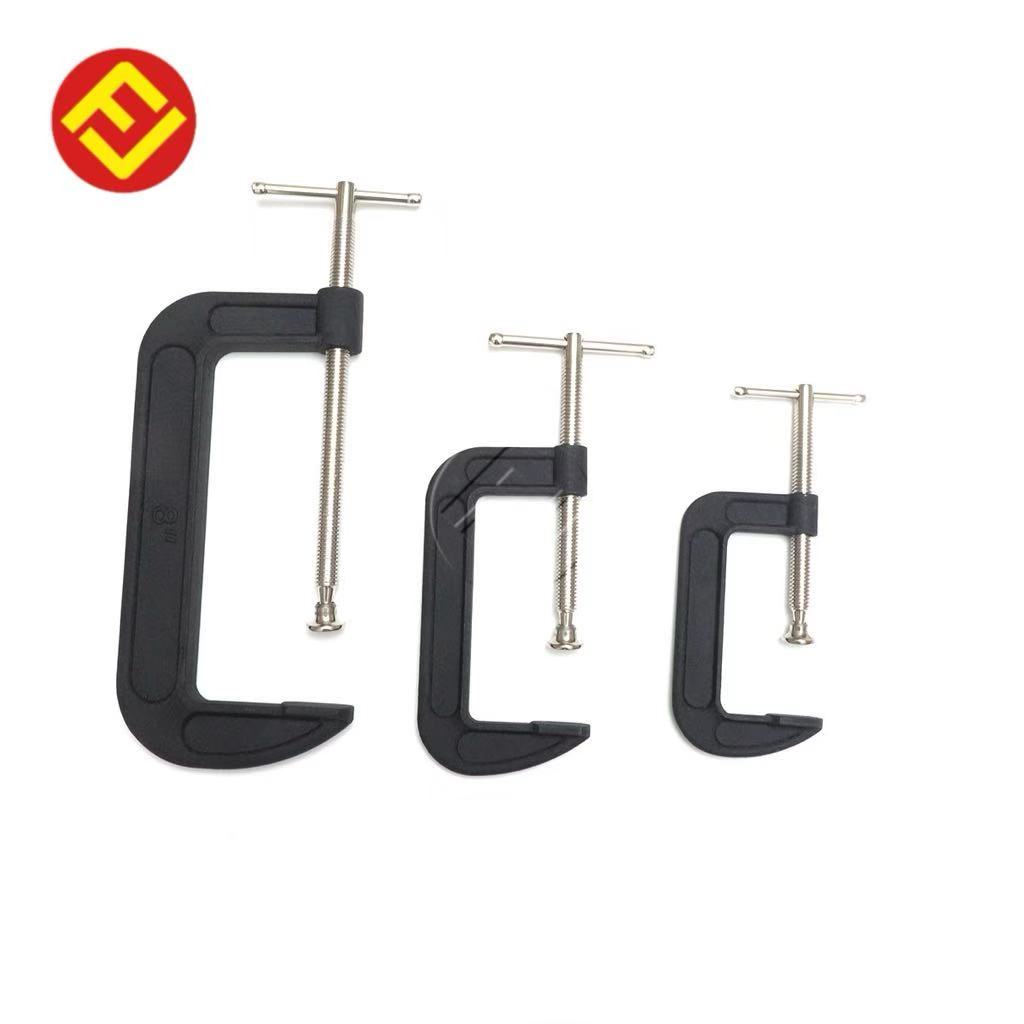
When procurement managers and workshop owners look for the bestF-Clamps/light-duty-f-clamp"> light-duty f-clamps for professional and do-it-yourself woodworking projects, they have to make a big choice that affects both productivity and product quality. With exact holding pressures between 600N and 1500N, these special clamping tools don't damage delicate materials like softwoods or veneered panels. Modern light-duty f-clamps are made from bendable cast iron and steel rail parts with precisely machined screw rods. They are both affordable and effective, which is why they are essential for installing cabinets, putting together furniture, and doing detailed carpentry work in professional workshops and production settings.


Specifications |
||||
| Specification | Total Length (mm) | Total Width(mm) | Clamping Length(mm) | Clamping Width (mm) |
| 6 Inch | 248 | 110 | 160 | 60 |
| 12 Inch | 395 | 110 | 308 | 60 |
| 18 Inch | 550 | 110 | 460 | 60 |
| 24 Inch | 700 | 110 | 615 | 60 |
| 30 Inch | 850 | 110 | 765 | 60 |
| 36 Inch | 1000 | 110 | 915 | 60 |
Understanding Light-Duty F-Clamps: Definition, Types, and Materials
The light-duty f-clamp is a technical answer made for situations where controlled pressure is more important than maximum force. Unlike heavy-duty clamps made for making structural steel, these clamps focus on what engineers call "delicate rigidity"—enough holding power to keep workpieces in place without damaging the fibers or leaving marks on the surface.
Core Structural Components
A good clamping tool is built around a flat steel rail with carefully cut serrations that engage a moving jaw mechanism. For the best flex resistance, the rail is usually 15 mm wide and 5 mm deep. The fixed jaw and moving head are made of zinc alloy or cast iron that can be shaped. This choice of material gives it the right balance of strength and weight so that it can be used with one hand without compromising its structural integrity. The screw rod goes through the slide head, which has a swivel pad that can adjust to slightly different angles on the workpiece surfaces. This is a useful feature that keeps finished materials from getting damaged by point loading.
Material Impact on Performance and Longevity
Whether you choose rails made of steel or flexible cast iron has a direct effect on both how long they last and what they can be used for. Malleable iron is very strong and doesn't break easily when it's loaded, and it stays light enough to be used over and over again during production shifts. Steel rails that have been hardened to HRC 30-35 provide the serration strength needed to stop the most common type of failure, which is jaw slippage under long-term pressure. In toxic conditions, surface finishes are very important. Zinc-plated versions meet ASTM B117 salt spray standards for wet conditions common in coastal manufacturing facilities, while painted finishes offer basic protection that works well in climate-controlled workshops.
Sizing Considerations for Optimal Performance
In order to choose the right clamp measurements, you need to know how throat depth affects rail bending. Sizes range from 6 inches (160 mm clamping length) to 36 inches (915 mm clamping length), and each design meets a different set of needs. Smaller units work best in tight areas where several clamps need to be used next to each other on lines that are less than 2 inches wide. Larger sizes are better for gluing up panels and putting together cabinet face frames, but buyers should be aware that deeper throat depths on light-duty f-clamp rails make the cantilever bend more, which lowers the maximum gripping force that can be used before the jaws become misaligned.
Comparing Light-Duty F-Clamps: Features, Benefits, and Use Cases
Knowing the difference between the different types of clamping tools helps procurement workers match the skills of equipment with the needs of the company. The comparison goes beyond just force levels and looks at things like ergonomics, operating speed, and the total cost of ownership over thousands of clamping rounds.
Performance Characteristics Across Clamp Categories
Light-duty f-clamps are different because they have a measured force range of 50–150 kg. This stops a common problem in furniture manufacturing: glue starvation, which happens when too much pressure squeezes adhesive off of joint surfaces. This range of controlled pressure works great for delicate tasks like lutherie, where evenly applying pressure is needed to clamp soundboards to guitar ribs without damaging tonewoods. Heavy-duty options provide much higher forces needed for metalworking, but they add extra weight that makes operators tired during repeated cabinet assembly tasks where hundreds of clamps are placed every day.
With quick-release mechanisms on a light-duty f-clamp, you give up some of your maximum force power in exchange for working speed. These versions work well in high-volume production settings where the time it takes to set up and take down equipment has a direct effect on productivity. Traditional screw-adjust types let you finetune the pressure more precisely and usually cost 30–40% less per unit, which is an important thing to think about when you're setting up whole production plants.
Ergonomic Design and Operator Efficiency
Because clamping tasks are so physically demanding, ergonomic features are more than just for relaxation; they have a direct effect on how much can be made and how safe workers are. Modern styles use grips made of two different materials: polypropylene for the structure and thermoplastic rubber (TPR) for the covering. This design transfers the most force from rotating the wrist to turning the spindle while reducing hand fatigue caused by friction. The zinc-alloy jaw design makes the tool lighter (40–60% lighter than similar malleable iron), which means that assembly line workers can keep working hard during long shifts without getting repetitive strain injuries.
When workshop managers look for clamps to use when making furniture, they should look at the clamping specs along with the handle width and grip texture. Handles made to be used while wearing gloves have a rougher surface and a slightly bigger diameter so that thick work gloves won't slip off while tightening.
Application-Specific Advantages
For some businesses, light-duty f-clamp standards are very useful. Professionals who install cabinets like the narrow jaw shape because it lets them use multiple clamps on face frame stiles without mechanical interference, which is a problem that often happens with bigger heavy-duty models. Controlled pressure keeps stress cracks (crazing) from happening during solvent welding, which is helpful for architectural model makers who work with acrylic and styrene. Damage like this is often caused by heavy clamps applying too much compressive force during glue curing.
When edge-gluing panels for tabletops in woodworking, light-duty f-clamps are needed because they spread pressure evenly across their 60mm holding width. When narrow-jaw clamps put pressure on certain places along glue joints, the edges bow. This constant touch stops that from happening.

How to Choose the Best Light-Duty F-Clamp for Your Business Needs?
Instead of using maximum capacity models as a starting point, choices about what to buy should be based on the recorded operating needs of the light-duty f-clamp. This method minimizes both the original investment and the long-term costs of running the business, while also making sure that the equipment fits the needs of the workshop.
Critical Evaluation Criteria
Specifications for grip strength must match the width and density of materials used in normal production runs. The clamping force needed by shops that make cabinet parts from 3/4-inch plywood is different from that needed by shops that make real wooden furniture. Most light-duty f-clamp types have a throat width of 60 mm, which fits most cabinet face frame sizes and keeps the rails rigid so that movement doesn't cause the jaws to become misaligned. If a buyer wants to buy a certain model, they should make sure that the jaws stay aligned parallel under the recommended loads. Jaws that aren't aligned parallel can eject workpieces, which makers call "spitting."
The longevity of a material goes beyond its initial building and includes how it wears in parts that move. The parts of the system that get worn out the most are the clutch plates that engage the rail serrations. Hardened steel handles on high-quality units keep their grip even after thousands of rounds. Specifications for buying things should include slip resistance tests where rated loads cause no measurable movement after application. This proves that the materials used for the clutch plates and serrations are hard enough to meet practical needs.
Supplier Reliability and Support Infrastructure
For large-scale purchases of light-duty f-clamp, vendors need to be able to do more than just provide high-quality Products" target="_blank" style="color:blue" >products. They also need to be able to offer a wide range of customization options and quick expert help. When unexpected project needs come up, suppliers with large stock supplies (measured in thousands of tons) can fill pressing orders quickly and avoid production delays. Suppliers who can support dynamic production settings are able to deliver standard configurations within 24 to 48 hours and custom specs within 7 to 15 days. Suppliers who can only support predictable, scheduled buying patterns are not able to do this.
The total cost of ownership is affected by the availability of technical help. This is done by making sure that specifications are properly matched and that application advice is given to avoid mistakes. When vendors offer specific dimensional data, load testing certifications, and application engineering support, procurement teams can make the best choices for tools without having to go through expensive trial-and-error buying processes.
Brand Considerations and Quality Standards
Established names like Bessey, IRWIN, DeWalt, and Jorgensen offer tested performance and large distribution networks. However, other makers that meet ISO9001 quality management standards offer similar functions at prices that are competitive. The certification shows that uniform production processes were followed, such as checking the dimensions of materials and following guidelines for performance testing. Instead of depending only on a brand's image, buyers should look at real test data. They should look at specs like rail deflection under load, spindle torque capacity, and finish durability measures.
FLA Industrial & Trading Co., Ltd. is an example of a company that has been making things for almost 40 years and has strict quality control. By using advanced casting, forging, and cutting techniques, they make light-duty f-clamps that meet international standards and keep their prices low enough for bulk purchases. The company's ISO9001 certification proves that they have structured quality management across all of their more than 1,000 product standards. This gives customers peace of mind that the quality will be the same even when they place a lot of orders.
Maintenance, Durability, and Cost Optimization of Light-Duty F-Clamps
Using proper upkeep to make tools last longer gives a clear return on investment by cutting down on the number of times they need to be replaced and avoiding production delays caused by broken equipment. Understanding how things wear down and following preventative care guidelines can help keep buying costs safe while keeping production quality high.
Essential Maintenance Protocols
Pay close attention to the grooved rail surface because it directly affects how well it resists slippage when it's loaded. Keeping the serrations clear of wood glue and finish overspray helps keep the friction that is needed for the clutch to connect reliably. Instead of chemicals that might leave behind residues, dry wire brushes should be used for cleaning. An odd problem with greasing is that light oiling stops rust from forming, but too much oiling makes the clutch slip. Maintenance instructions should say to use dry lubricants based on Teflon lightly on threads and not at all on grooved rail surfaces or clutch contact areas.
Screw rod threads work better when they are cleaned and lightly oiled on a regular basis. This keeps them running smoothly without sticking. Regularly checking swivel pads for damage or wear is important for workers because worn-out pads focus pressure on a few places instead of spreading it out over the workpiece's sides. For a small cost, replacement pads keep final materials from getting damaged that are worth a lot more than the cost of the pad itself.
Common Operational Errors
The most common overuse of a light-duty f-clamp is over-tightening, which happens a lot when workers switch from hand clamping to pneumatic or driven systems. Too much force can forever change the shape of rail profiles, which can mess up the position of the jaws so that they are not parallel. Straightening attempts will not fix this problem. When a steel rail bends past its yield point, the structure of the metal undergoes work hardening, which makes weak areas that are likely to break under future loads. Operational training should stress that light-duty f-clamps work best when they are placed correctly and there are enough of them, not when they have the most force applied to each unit.
When things aren't lined up right during application, pressure isn't spread out evenly, which hurts both the workpieces and the clamp devices. Before applying a lot of pressure, workers should make sure that both jaws are in touch with the workpiece surfaces in a straight line. This stops the rotational loading that bends screw rods and breaks swivel pads.
Strategic Procurement for Cost Optimization
When you buy in bulk, you can get better deals that lower the price per unit by a lot. However, buyers have to weigh the benefits of number discounts against the costs of keeping goods and the space needed for storage. When you look at how things were used in the past, you can find out how much they were actually used, which helps you decide how much to order. Mixing order compositions between commonly used sizes and small amounts of specialized measurements makes the best use of material while still making sure that all project needs are met.
Building relationships with makers that allow customization gives you the freedom to use their products in unique ways without having to pay the high prices that come with one-time purchases. When suppliers can make jaw shapes or throat levels that aren't standard and have lead times of 7 to 15 days, they can quickly adapt to changing production needs. This feature is especially helpful for original equipment makers (OEMs) whose designs may call for clamping tool sizes that aren't available in normal catalogs.
Customer Insights and Market Reviews: Real-World Feedback for 2024
Getting feedback from professionals who work with wood, make furniture, and install cabinets is a good way to make sure that buying decisions are useful. In the 2024 market, there are clear patterns developing around certain performance traits that have a direct effect on how efficiently products are made and how well they are made.
Performance Ratings Across Industry Segments
When making furniture, grip consistency and maintaining straight jaws are always rated as top priorities. This shows how important even glue pressure is for keeping joints from breaking and finish flaws from happening. Professional cabinet installers stress the importance of lightweight construction and comfortable handles that allow workers to stay productive even when dozens of clamps need to be placed overhead or at odd angles. In these review parts, people strongly prefer zinc-plated finishes that can handle the wetness that is common in building sites. Users say that these finishes last a lot longer than painted ones in damp conditions.
OEM assembly operations value speed, which is why they choose light-duty f-clamp models with smooth screw action that let them make quick changes to the position of the parts without having to turn the handle too much. Production managers say that even small changes in the time it takes to set up a light-duty f-clamp (measured in seconds per unit) can have a big effect on the amount of work that can be done each day.
Emerging Technology and Innovation Trends
New products are mostly made from blend materials that are lighter but still do a good job of holding things together. In jaw building, advanced polymer materials strengthened with fiberglass are now used for special tasks where metal contact could damage finish details. These materials are about as strong as standard zinc alloy, but they are more resistant to chemicals than most wood treatments and glues.
Tighter tolerances in screw rod threading and rail serrations are made possible by improvements in precision production. This makes operation smoother and needs less upkeep over the span of the equipment. Manufacturers of good products can now get thread tolerances as close to 0.05 mm, which means there is no backlash and smaller pressure changes are possible. This is especially useful in lutherie and precision cabinets.
Market Positioning and Value Propositions
More and more companies are realizing that application-matched specs are more cost-effective than maximum-capacity tools for light-duty tasks in 2024. Procurement workers are happier when they choose tools that are rated correctly for the needs at hand instead of over-specifying based on theoretical maximum requirements. This change shows that people have grown up and learned that binding tools with too much capacity add weight, cost, and waste to operations without improving performance.
Engineering-driven procurement teams prefer to buy from companies that are clear about all of their specifications and post thorough load testing data, material approvals, and dimensional limits. This documentation lets you confidently match specifications and cuts down on the number of trials you have to do when sellers only give you basic capacity rates without any supporting technical data.

Conclusion
To choose the best clamping options for professional woodworking and industrial tasks, you have to weigh technical requirements against operational needs and budgetary limitations. Light-duty f-clamp types provide exact holding pressure that is perfect for installing cabinets, putting together furniture, and doing detailed carpentry. They also have the ergonomic features that are needed to keep workers productive throughout shifts. Instead of automatically choosing the largest options, good procurement choices match the type of material, its size range, and its performance scores with the recorded needs of the workflow. Procurement pros get reliable tools that meet both short-term project needs and long-term operating efficiency by comparing providers based on quality certifications, inventory depth, customization options, and how quickly they respond to technical support requests.
FAQ
What size light-duty f-clamp works best for cabinet face frame assembly?
When building a cabinet face frame, you usually need 12 to 18-inch types that have enough reach for normal stile widths and keep the rails rigid so they don't bend. The 60mm throat depth fits most frame stock sizes, and these middle-sized light-duty f-clamps can be used on narrow rails without causing mechanical problems between units next to each other.
Can these clamps be used for metalworking or welding applications?
Most of the time, light-duty f-clamp types work better for working with wood than with metal. Most units have zinc alloy jaws and protective pads that will bend near welding sparks, and the force values aren't strong enough for most metal assembly tasks. Drop-forged heavy-duty clamps with copper-plated parts that don't stick to spatter are needed for welding.
How do I prevent clamps from loosening during overnight glue-ups?
When working properly, quality units keep 95% of the applied force for 24 hours. Loosening that seems to be caused by clamp failure is often actually caused by wood compression or glue absorption lowering joint volume. Check to see if the rail serrations and clutch plates are worn, and make sure that there are enough clamps to apply pressure evenly across the whole glue joint.
What maintenance extends clamp service life most effectively?
Dry wire brushes can be used to clean the rail serrations and remove any glue buildup. Screw threads should only have a small amount of dry Teflon lube applied, and light-duty f-clamps should be kept in places with low humidity. Don't over-tighten, because that can forever bend the rails, and check the swivel pads often for wear that would cause the pressure to build up and damage them.
Partner with FLA Industrial & Trading Co., Ltd. for Reliable Light-Duty F-Clamp Solutions
Workshop managers and purchasing agents looking for a reliable light-duty f-clamp provider can find everything they need at FLA Industrial & Trading Co., Ltd. Because we've been making metal tools for almost 40 years, our partners in the Fortune Global 500 trust our quality control for their production processes. We don't have any supply delays that affect project timelines because we have over 2,000 tons of goods ready to ship right away and can make products to your exact specs in 7 to 15 days. Our ISO9001-certified production methods make sure that every clamp, from 6-inch compact models to 36-inch panel assembly configurations, meets strict performance standards. This is done by carefully inspecting the materials, precision-machining them, and trying them under a lot of weight. Get in touch with our technical team at sales@flaindustrial.com to talk about your specific needs and find out how our rail building of malleable cast iron and steel can meet your needs for sturdiness at a price that is competitive at the bulk level.
References
Industrial Clamping Systems: Engineering Principles and Applications (2023). Society of Manufacturing Engineers Technical Publication.
Wood Industry Quality Standards for Adhesive Bonding and Clamping Pressure (2024). Woodworking Machinery Industry Association Research Report.
Ergonomic Tool Design for Repetitive Manufacturing Operations (2023). Journal of Industrial Ergonomics and Safety, Volume 47, Issue 3.
Material Science in Hand Tool Manufacturing: Cast Iron and Steel Alloy Applications (2024). International Journal of Tool Engineering, Volume 18, Issue 1.
Procurement Best Practices for Industrial Tooling and Equipment (2024). B2B Manufacturing Supply Chain Quarterly, Spring Edition.
Quality Management Systems in Hardware Manufacturing: ISO9001 Implementation Case Studies (2023). Global Manufacturing Standards Institute Annual Review.