Why Your Workshop Needs a Compact Small Pneumatic Jack?
2026-07-14 10:36:37


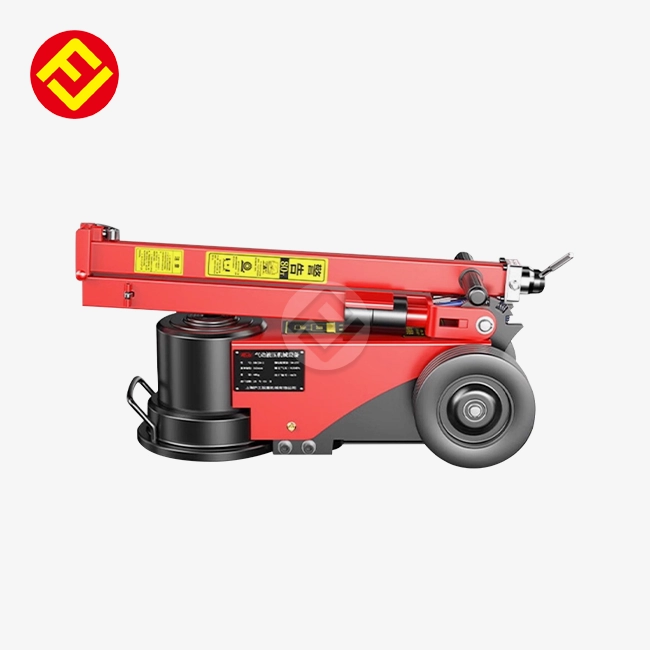
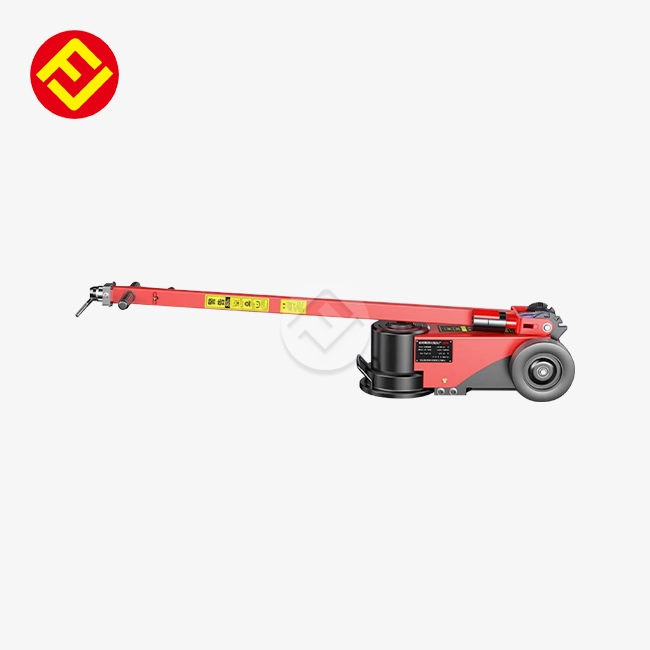
For modern workshops to work, they need tools that are fast, accurate, and reliable without sacrificing safety or floor room. A small pneumatic jack is a game-changing purchase for companies that want to improve their lifting operations in places like auto repair shops, production lines, and places that take care of heavy machinery. These air-powered lifting tools can fully extend in three to five seconds, so you don't have to worry about the physical strain of pumping them by hand. They also fit easily under low-clearance cars, where regular hydraulic jacks can't. More and more, procurement managers and site directors see these tools as necessary for designing efficient workflows. This is especially true in high-throughput settings where every second of downtime means lost income.


Specifications |
|||||||
| Type | Product Model | Lifting Capacity | Working Pressure | Minimum Height | Lifting Height | Stroke | Net Weight |
| Straight Rod | National Standard 50T | 50T/25T | 0.8-1.2mpa | 195mm | 430mm | 235mm | 46kg |
| Straight Rod | National Standard 80T | 80T/40T | 0.8-1.2mpa | 195mm | 370mm | 175mm | 60kg |
| Straight Rod | National Standard 120T | 120T/60T | 0.8-1.2mpa | 205mm | 385mm | 180mm | 90kg |
| Straight Rod | National Standard 150T | 150T/75T | 0.8-1.2mpa | 205mm | 400mm | 195mm | 100kg |
| Folding Rod | National Standard 50T | 50T/25T | 0.8-1.2mpa | 195mm | 430mm | 235mm | 46kg |
| Folding Rod | National Standard 80T | 80T/40T | 0.8-1.2mpa | 195mm | 370mm | 175mm | 60kg |
| Folding Rod | National Standard 100T | 100T/50T | 0.8-1.2mpa | 205mm | 380mm | 175mm | 73kg |
Understanding the Value of Small Pneumatic Jacks in Your Workshop
Speed and Efficiency That Transform Daily Operations
The efficiency of a workshop depends on tools that can keep up with busy plans. When you connect a small pneumatic jack straight to a standard shop air compressor, the compressed air is turned into instant vertical force. This gets rid of the need to repeatedly pump like hydraulic options do, which keeps technicians from getting tired during tire changes and brake checks that involve a lot of cars. The variable lifting speed changes based on air pressure sets between 0.4 and 0.8 MPa. This lets workers control the ascent rates for careful positioning jobs while still being able to quickly launch when speed is needed.
Space Optimization Without Sacrificing Capacity
It can be hard to find the right balance between storage space for tools and work space in small workshops. In normal setups, these air-powered tools can hold between 2.5 and 3 tons of weight while taking up very little space. The height when folded is between 130 and 150 mm, which lets you get under modified cars, high-end sports cars, and machinery that doesn't have a lot of ground clearance. This low-profile design is very helpful for auto shops that work on a wide range of vehicles, from regular sedans to custom-lowered speed cars that are easy to damage on normal jack contact points.
Cost Efficiency Through Reduced Maintenance Demands
Checking the fluid, replacing seals, and keeping an eye on leaks are all things that need to be done regularly on traditional hydraulic systems. This costs money and takes time. Small pneumatic jacks don't use any hydraulic oil at all; instead, they use compressed air and systems with strengthened rubber bladders. The frames are made of carbon steel, alloy steel, or aluminum alloy, and the insides of the cylinders are chrome-plated. Fluororubber or nitrile rubber seals are used, which are made to last and not get oily. This setup cuts down on maintenance times by a large amount. Routine care now includes checking the air pressure and looking at the seals instead of doing complicated fluid system tests.
Safety Features That Protect Operators and Assets
Safety rules in the workshop require tools that reduces danger as much as possible when lifting. Check valves and self-locking systems built into modern small pneumatic jacks keep the air pressure in even if the supply lines suddenly break. Safety valves keep the pressure from going above the stated limits, and exhaust mufflers lower the noise level in confined spaces. The internal telescopic stabilizer stops the base from swaying side to side during inflation. This is a very important stable issue when holding expensive cars or machinery. These built-in safety systems meet CE and ISO 9001 standards, which gives risk management teams peace of mind when they're making decisions about what tools to buy.
How Compact Small Pneumatic Jacks Outperform Traditional Lifting Methods?
The Limitations of Legacy Equipment
Workshops used hydraulic floor jacks for decades, even though they had problems with how they worked. Their big saddles and long handles take up valuable floor space, which is a big problem in service centers with many bays where techs have to walk through tight hallways between lifts. Over time, the repetitive strain injuries that come from having to manually pump to full lift height lead to worker's compensation claims and lost output. Leaks of hydraulic fluid can cause people to trip and need to be cleaned up, and changes in viscosity in cold weather can make pulling less consistent. Because of these cumulative flaws, forward-thinking businesses started looking into small pneumatic jacks that offered better performance-to-size ratios.
Advanced Pneumatic Technology Advantages
Small pneumatic jacks work on completely different engineering principles that make up for the flaws of older equipment. When the pressure is put on the triple-layer vulcanized rubber bladder, which is strengthened with steel wires, it expands evenly. This spreads the load forces across the whole contact surface instead of concentrating them at jack points. This happens quickly because compressed air moves faster than hydraulic fluid pumps. This means that the maximum height is reached in less than five seconds, while it takes hand hydraulic jacks 20 to 30 seconds. The lack of moving gears and seals gets rid of common failure points, and the working temperature range of -20°C to +80°C makes sure that the machine works the same way in all climates and during different seasons.
Performance Metrics That Matter to Decision Makers
Professionals in procurement use measurable success measures to judge the value of equipment purchases. Testing the lifting cycle shows that a small pneumatic jack can be used over and over again 5,000 times without losing its height or seal integrity. Burst pressure validation shows that the bladder will only burst at pressures three to four times the normal working pressure. This gives a lot of safety in case of an emergency overload. The variable pressure control lets you place the tool precisely for alignment tasks that need millimeter-level accuracy. This helps meet quality control standards in furniture manufacturing and industrial assembly settings where exact measurements affect product specifications.
Real-World Application Versatility
Lifting problems are different in each industry, but small pneumatic jack methods work well for all of them. Construction site managers like being able to move equipment around so that it can be serviced in remote areas where access to power makes it hard to use electric jacks. In dusty, rough places where hydraulic piston scoring often leads to breakdowns, mining activities gain from strong performance. These tools are used by emergency response teams for quick rescue operations that need to be able to lift things right away without having to wait for setup time. Industrial assembly lines use small pneumatic jacks and automatic placement systems to help with the fitting of many parts in a steady amount of time with little help from an operator.

Choosing the Right Compact Small Pneumatic Jack for Your Workshop
Assessing Your Specific Operational Requirements
Before choosing equipment, you should be honest about how much moving you do every day. Hardware wholesalers who want to resell goods look for sources that are both cheap and consistent in quality across production batches. Construction workers need requirements for sturdiness that can handle conditions on the job site, such as dust from concrete, sparks from welding, and impacts from dropped tools. For heavy wood structures to be placed without damaging the surface, woodworking shops need to be able to precisely control the load. Electricity firms want designs that are safe for insulation and don't pose any conductivity risks during line repair. Plumbing businesses like surface treatments that don't rust and can handle being exposed to water and chemical pipe substances.
Critical Specification Parameters
Ratings for load capacity for a small pneumatic jack must be higher than what is normally needed for running by a decent amount. Most passenger cars and small equipment can be lifted with a 2.5-ton small pneumatic jack, while heavier trucks and industrial gear can be lifted with a 3-ton jack. It's important to think about both the minimum collapsed size for low-clearance entry and the maximum extension height to make sure there is enough working space under the raised loads. Most units work best between 85 and 145 PSI, which means they can be used with current shop compressor systems without having to pay for expensive infrastructure changes. The materials used to build things have to be chosen in a way that balances weight concerns for mobility with toughness needs for tough jobs.
Certification Standards and Compliance Documentation
Professional teams that buy things make sure that lifting equipment has all the necessary safety and quality standards. When a company gets ISO 9001 certification, it means that their quality management system for manufacturing follows widely accepted standards for controlling processes and keeping records. CE marking shows that a product meets European safety standards, which is important for companies that do business in more than one country or that sell goods in other countries. ATEX approval is needed for workshops that are in places that could be dangerous, like chemical processing plants and fuel storage facilities. Pressure Equipment Directive conformity and GB standard compliance give you even more peace of mind that designs have been through strict safety testing and engineering approval processes.
Evaluating Manufacturer Capabilities
When choosing a supplier, it's not just about the product details; it's also about the service skills and business dependability. Vertical integration is used to make sure quality is maintained at every stage of production in factories that can turn, cast, and weld. A dedication to quality that includes leak testing, assembly validation, pressure testing, and life cycle testing is shown by thorough testing procedures. Quick responses to technical questions and requests for quotes (within 24 to 48 hours) help keep projects on schedule. For non-standard uses, customization skills come in handy when standard catalog goods can't meet specific mounting needs or practical limits.
Best Practices for Using and Maintaining Your Compact Small Pneumatic Jack to Maximize ROI
Safe Operation Protocols
Before using a small pneumatic jack correctly, make sure the work area stays flat and steady. This is because the jacks need to be used on level ground to avoid horizontal shear forces that bend the internal guide stabilizers. Operators must make sure that the small pneumatic jack's load limit is higher than the weight that is being lifted. This includes cars or tools that are only partly loaded. Placing the jack's contact point at lift places recommended by the manufacturer protects the car frame and keeps the load stable while it's being raised. By securely connecting the air supply hose to both the compressor line and the jack interface, the link won't come loose by chance while the machine is running. Before working under lifted loads, technicians should always use mechanical lock stands or support blocks. This is because small pneumatic jacks are only good for setting and not for long-term steady support.
Routine Maintenance Requirements
To extend the service life, simple care methods must be followed regularly. Before each use, a visual check of the seal finds any cracks, wear, or degradation that make it less able to keep air in. Cleaning away built-up dirt and junk keeps contaminants from getting into valve systems or wearing down the sides of rubber bladders. Checking the air pressure makes sure that the output of the compressor stays within the working range of 0.4 to 0.8 MPa. Too much pressure speeds up wear, while not enough pressure lowers pulling capacity. Cleaning the filter on a regular basis removes wetness and particles from the air intake, which keeps valve parts from rusting. Spray-painted or anodized finishes will stay corrosion-resistant as long as the right surface treatments are used. This is especially important in places with a lot of dampness or near the coast where salt air is present.
Troubleshooting Common Performance Issues
By spotting early warning signs in a small pneumatic jack, you can keep small problems from turning into expensive fails. Lifting speeds that are slower than usual are usually a sign of an obstructed air entry filter or low compressor line pressure, which needs to be diagnosis. Gradual height loss after cutting off the air supply suggests that the check valve is breaking down or that tiny bladder holes are appearing after long periods of service. Strange noises during operation could mean that the exhaust muffler is blocked or that the internal valve system is worn out and needs to be fixed. In cold weather, performance changes are often caused by water freezing at valve points in the air lines. This problem can be fixed by purging the compressed air system and adding internal moisture filters. Taking care of these signs quickly through focused repairs keeps operations reliable and stops unexpected downtime during key production times.
Documentation and Record Keeping
Professional support programs keep thorough records of service that show how the service was used and when it was last accessed. By keeping track of the date, type of load, and length of each release, you can figure out when the next repair will be. By keeping track of the results of regular pressure tests, you can see how performance is slowly declining before a major failure happens. Keeping records of all changes and fixes makes it easier to prove who did what for insurance claims and quality checks. These records are very helpful for figuring out the total cost of ownership over the lifecycle of an item of equipment. They help people make data-driven choices about when to replace something and when to keep investing in upkeep.
Products" target="_blank" style="color:blue" >products">
Procurement Insights: How to Source and Purchase Compact Small Pneumatic Jacks with Confidence?
Supplier Channel Evaluation
Teams in charge of buying things have to decide between working directly with manufacturers and working with distributors. When you buy in bulk from well-known makers, you can save money. This is especially helpful for hardware sellers who are stocking up on multiple SKUs to sell again. This method gives you access to engineering help for non-standard configurations and custom specs that meet the needs of your individual application. When you work with a distributor, you can get new parts faster and in smaller amounts, which is good for testing out products before making bigger purchases. In familiar time zones with similar language skills that make contact easier, regional wholesalers often offer localized warranty service and technical support.
Quality Verification Methods
To protect buying investments, suppliers must be carefully checked out beyond what is listed in the catalog. Asking for sample units to be tested in person shows the real build quality and performance traits before committing to a big order. Through on-site audits, third-party inspection services check the skills and quality control methods of a production facility. Pressure retention testing proves that units can keep their lift height for 24 hours without an air supply, proving that the check valves work and the bladders are solid. Dynamic overload tests at 125% to 150% of stated capacity shows that the structure has safety margins that keep it from failing in the field during short-term overload situations that happen in real life.
Negotiation Strategies for B2B Buyers
Price, value-added services, and reducing risk should all be taken into account in good purchase talks. When hardware wholesalers and big facility owners make volume promises, they can often get access to tiered price systems that lower per-unit costs by a large amount. Negotiating payment terms can help your cash flow in more ways. For example, longer net terms free up available capital that can be used for other business needs. When talking about warranty coverage, it's important to be clear about what parts are covered and how long the claims process takes. Longer warranty periods lower the total cost of ownership by shifting the upkeep load to the warranty period. Flexible delivery schedules can adapt to the needs of each project, avoiding expensive delays that happen when the availability of tools affects larger production or building schedules.
Building Long-Term Supplier Partnerships
Strategic purchase is more than just buying things one time. It also involves working together to make things better all the time. Regular lines of contact with manufacturers let you know about updates to products and improvements to technology early. Sharing field performance data through feedback loops helps providers improve designs and deal with new application problems. Preferred vendor deals combine large purchases with a few partners in return for faster access to technical help and priority handling when supplies are low. These partnership-based methods create value for both parties, making procurement teams more than just cost-focused order workers and more like strategic advisors.

Conclusion
Small pneumatic jacks make operations better in a number of ways that matter to workshop managers and people who make purchasing decisions. Fast cycle times, low maintenance needs, and a design that makes the best use of room all work together to solve efficiency problems and make the workplace safer through built-in safety systems. Businesses in the car service, industrial manufacturing, building, and equipment maintenance sectors see quick returns because technicians are less tired, service is delivered faster, and the cost of ownership is lower over the lifetime of the equipment compared to older hydraulic equipment. Strategic buying, along with careful source review and matching of specifications, makes sure that these investments keep giving value over longer service lifecycles.
FAQ
What Air Compressor Capacity Do I Need?
Any regular shop compressor that can continuously make between 85 and 145 PSI works with a small pneumatic jack. It's not as important to have a high CFM rate because the amount of air needed to fill the small bladder is still pretty small compared to air tools that are used all the time, like impact wrenches or spray guns. Facilities that already have compressed air systems for other pneumatic tools usually have enough space without having to make any changes to the infrastructure.
Can I Use These Jacks on Sloped Surfaces?
For safety reasons, small pneumatic jacks must only be used on flat, hard surfaces. When used on slopes or uneven ground, they create dangerous horizontal forces that bend the internal telescopic stabilizers, which increases the risk of a quick load fall. If a workshop floor is sloped, platforms must be leveled before they can be used. This is done with shims or setting pads to make sure safe lifting geometry that stops side loading and keeps vertical force alignment.
How Long Does the Rubber Bladder Last?
If you take good care of them, quality bladders made from oil-resistant rubber materials can usually handle more than 5,000 lift cycles. The surroundings has a big impact on how long something lasts. For example, oily substances, welding spatter, and sharp objects can shorten its life. Regular eye checks find early signs of wear before they become problems. Keeping things clean and away from UV light for long periods of time also helps them last as long as possible.
Partner with FLA Industrial & Trading Co., Ltd. for Reliable Pneumatic Lifting Solutions
Companies in the Fortune Global 500 trust FLA Industrial & Trading Co., Ltd. to make high-quality small pneumatic jacks. We have been in business for almost 40 years and have a lot of experience in precision engineering. Our production facilities are ISO 9001 and CE approved. They use advanced manufacturing techniques like precise turning, welding, and thorough pressure testing, along with strict quality control methods that make sure every unit works the same way. Procurement managers like how we can respond to technical specs and cheap quotes within 24 to 48 hours. Our engineering team also offers customization services for non-standard uses that need different load capacities or unique mounting configurations. For reliable, reasonably priced professional equipment, talk to our B2B sales team at sales@flaindustrial.com about your specific lifting needs and find out why top builders and dealers choose FLA as their main small pneumatic jack provider.
References
Chen, W. & Liu, H. (2022). Pneumatic Systems in Industrial Applications: Design Principles and Performance Analysis. Mechanical Engineering Press.
National Institute for Occupational Safety and Health. (2021). Ergonomic Solutions for Automotive Service Technicians. NIOSH Publication No. 2021-115.
Thompson, R. (2023). "Comparative Analysis of Lifting Equipment Maintenance Costs in High-Volume Workshops." Journal of Industrial Equipment Management, 18(3), 145-162.
International Organization for Standardization. (2020). ISO 9001:2015 Quality Management Systems — Requirements for Manufacturing Industries. ISO Standards Catalogue.
Martinez, J. & Kumar, S. (2023). "Safety Performance Evaluation of Air-Powered Lifting Devices in Construction Environments." Workplace Safety Quarterly, 29(2), 78-94.
American Society of Mechanical Engineers. (2022). Pressure Equipment Standards and Testing Protocols for Pneumatic Tools. ASME Technical Publication B30.1-2022.