British F-Clamp vs. Standard Clamps: What’s the Difference?
2026-07-08 10:00:55


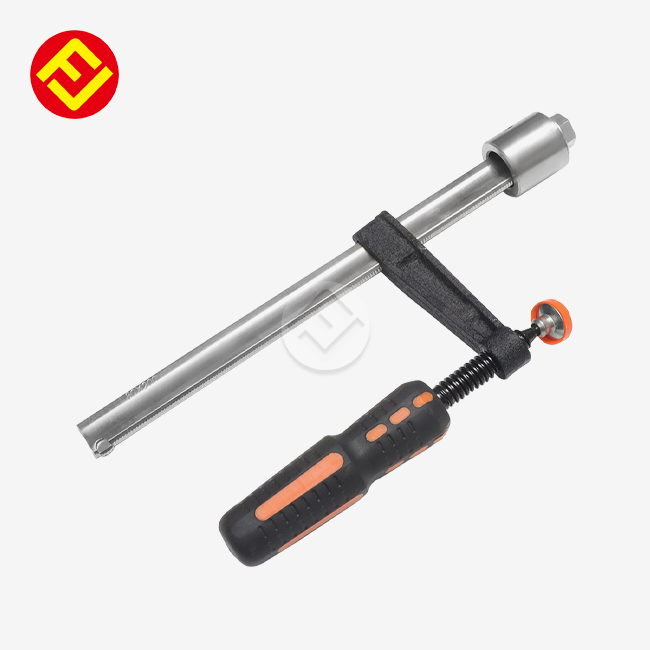
When looking at clamping tools for tough industrial uses, it's important to know the difference between a F-Clamps/british-f-clamp">British f-clamp and a normal clamp. The British f-clamp is built to last, with strong steel rails and screw rods connecting the teeth of flexible cast iron to give it great holding power and physical stability for professional metalworking, woodworking, and assembly tasks. Standard clamps, like quick-grip types, C-clamps, and light-duty bar clamps, usually put ease of use and speed ahead of holding the most weight. The main difference is in how the clamps are designed. British-style clamps focus on long-lasting clamping force and structural stiffness under long-term stress, while standard clamps are more likely to be used for short-term holding jobs where quick adjustment is more important than ultimate strength. This difference has a direct effect on how contractors, makers, and sellers choose to buy things that need to work reliably in production settings.

Specification |
|||
| Specification Model | Maximum Clamping Distance (mm) | Throat Depth (mm) | Total Length (mm) |
| Premium F-Clamp 200x80mm Guide Rail (15.5x7.5) | 200 | 80 | 260 |
| Premium F-Clamp 300x80mm Guide Rail (15.5x7.5) | 300 | 80 | 358 |
| Premium F-Clamp 400x80mm Guide Rail (15.5x7.5) | 400 | 80 | 460 |
| Premium F-Clamp 500x80mm Guide Rail (15.5x7.5) | 500 | 80 | 558 |
| Premium F-Clamp 800x80mm Guide Rail (15.5x7.5) | 300 | 80 | 366 |
| Premium F-Clamp 1000x80mm Guide Rail (15.5x7.5) | 1000 | 80 | 1062 |
| Premium F-Clamp 1200x80mm Guide Rail (15.5x7.5) | 1200 | 80 | 1255 |
Understanding British F-Clamps and Standard Clamps
What Defines a British F-Clamp?
"British f-clamp" refers to a heavy-duty gripping tool for the industrial world that is made with certain features that come from traditional engineering standards. These clamps have forged or cold-drawn steel bars and heads made of malleable cast iron. Together, they make a tool that can apply steady pressure for long periods of time. The rail's cross-section is usually 15.5 mm × 7.5 mm, which keeps it from breaking when high pressing loads are put on it. Forging and drilling are used to make the rail and screw rod, and casting is used to make the jaw parts. Then, the parts are put together under strict quality control. Surface finishing, like painting or copper plating, keep things from rusting in a humid workshop. Our British-style clamps go through strict ISO9001-certified quality control at FLA Industrial & Trading Co., Ltd. This includes load testing and measurement checking to make sure that every unit meets professional-grade performance standards before it is shipped.
The building process is very different from that of consumer-grade options. When clamping uneven workpieces or hardwoods with internal stress, it's important to have a material that can be shaped and doesn't break easily when it gets hit. Trapezoidal holes on the screw rod mechanism stop back-driving vibration, which is a typical way for lighter clamps to break. Throat depths usually go up to 80 mm, which lets users get to the inside of bigger panels when installing cabinets or putting together furniture. The clamping ranges from 200mm to 1200mm, so it can handle a wide range of project sizes, from small woodworking jobs to structure lamination work.
Standard Clamp Categories and Their Functions
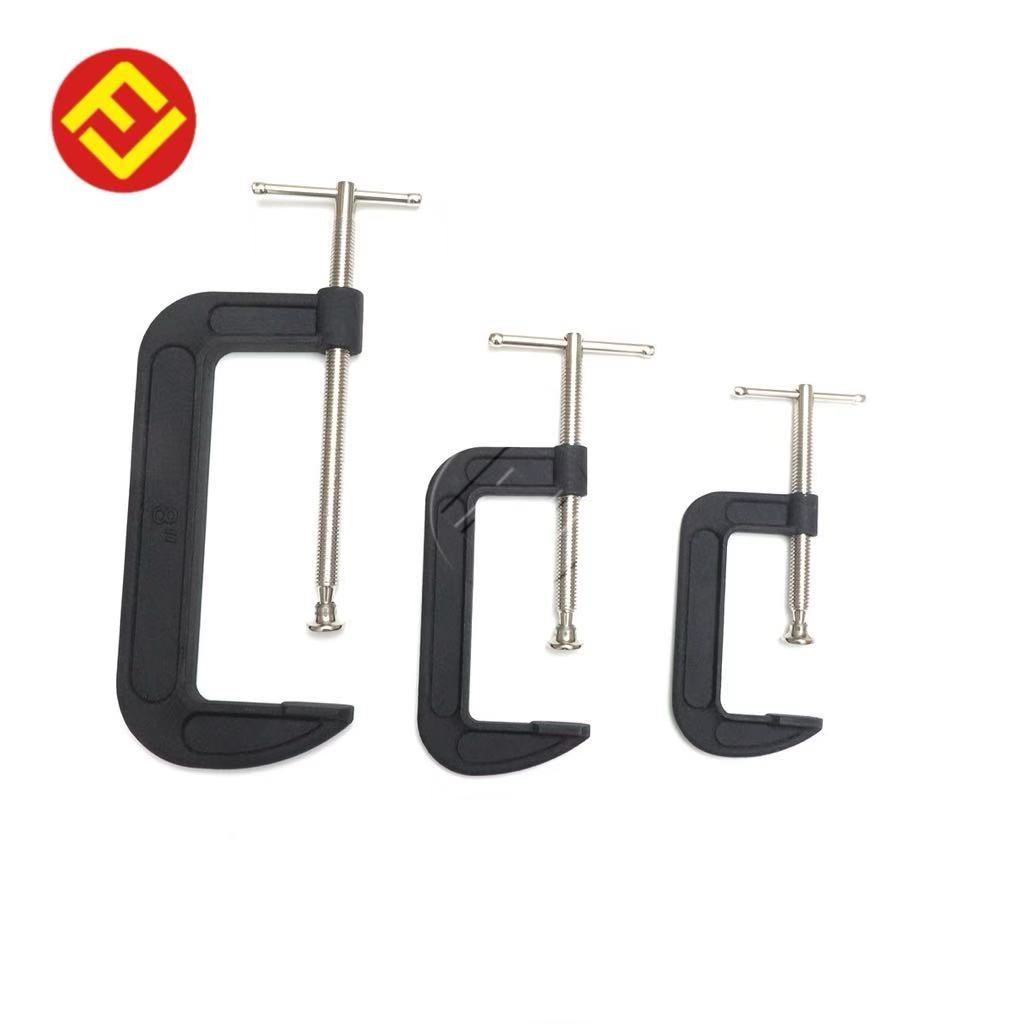
Standard clamps are a broad group of tools made for a wide range of tasks with different goals. Quick-grip clamps have spring-loaded mechanisms that let you use them with one hand. They give up maximum power for ease of use when doing repetitive chores. For welding, C-clamps are a small way to hold things in place, but they don't have the throat depth needed for deep-reach woodworking tasks. Pipe Clamps can hold more because they use threaded pipe as legs, but they are less rigid than solid bar types.
Each type of standard clamp is good for a certain job. When speed is more important than long-term pressure, quick-grip types are the best for holding something temporarily while writing or putting something together. Machine shops still use C-clamps to hold small metal parts in place while they are being drilled or milled. Pipe clamps are useful when you need a long reach but don't want to spend a lot of money on multiple fixed-length bar clamps. Knowing these differences in function helps procurement managers match the features of a tool to the needs of the workflow, instead of using known choices that might not work well.
Historical Context and Engineering Evolution
British engineering traditions have always put a lot of emphasis on making hand tools that last and can be used again and again. These values can be seen in current British-style clamp designs. In the early 1900s, workshops needed tools that could be used every day in tough production settings without needing to be replaced often. This idea is different from modern standard clamps, many of which are made for light-duty or occasional DIY use, where lower production costs are more important than long service life.
When you compare material specs for British f-clamp, you can see how engineering has changed over time. British-style clamps are usually made of malleable iron that meets ISO 1083 standards and has tensile strength values that can hold loads of more than 400 kg, depending on the size. Standard clamps usually have parts made of investment casts or pressed steel that work fine for occasional use but tend to bend when loaded for a long time. This historical background helps to explain why builders and makers who work with high-volume production or important assemblies prefer to buy British-pattern tools, even though they cost more at first.
How to Choose the Right Clamp for Your Procurement Needs?
Evaluating Project-Specific Requirements
Before choosing the right clamping tools, you should be honest about what the job calls for instead of making assumptions based on well-known goods. British f-clamps provide steady, evenly distributed pressure that is needed for woodworking tasks that need square corners and tight glue joins. When installing cabinets, throat levels that reach internal mounting points without getting in the way are helpful. For welding, you need an all-metal design that is resistant to heat and can handle spatter and radiating heat without breaking down.
Project managers should carefully figure out how many needs there are. How long of a closing span does the job need? Does the job involve applying pressure for hours on end, or just holding for a short time while fastening? Will things in the surroundings, like humidity, temperature changes, and chemical contact, shorten the life of tools? By giving honest answers to these questions, you can tell if regular clamps are good enough or if British-pattern tools meet the requirements. FLA Industrial & Trading Co., Ltd. has expert support staff that help buying professionals match clamp specifications to written application requirements. This way, both too many and too few specifications are avoided, and the right tools are chosen.
Budget Considerations and Lifecycle Value
The cost of the initial buy is only one part of the total economics of ownership. British f-clamps cost more per unit because they are made with better materials, are manufactured more precisely, and are subject to strict quality control. But because they last longer, they often cost less per tightening cycle than standard clamps that need to be replaced more often. Distributors and builders should figure out the lifecycle value by guessing how much something will be used each year, how long it will last, and how often it needs to be replaced compared to other choices.
When you look at secondary costs in a budget study, it gets more complicated. When tools break down during important parts of the assembly process, it causes delays, wastes materials, and wastes labor that are much worse than the price difference between clamp types. Furniture makers who use production lines can't have problems in the middle of a run that require them to switch out tools quickly. Construction companies that have to meet tight schedules need tools that they can count on to work regularly without needing to be adjusted or replaced often. Because of how things work, professional users should buy high-end clamping tools. Standard clamps, on the other hand, can still be used in situations where they won't be used very often and don't need industrial-grade specs.
Industry-Specific Application Matching
Based on normal workflows and material handling needs, different businesses put different clamp features at the top of their lists. When working with wood or making furniture, it's important to pay attention to the clamping force, throat depth, and how little you mark the final surfaces. For metal manufacturing and welding jobs, you need to be able to handle heat and keep your position. Companies that build electrical systems need tools that can be used in a variety of mounting settings.
Hardware stores that serve a variety of customers should keep British-pattern British f-clamp in sizes that are often asked for. Capacity ranges of 300mm, 500mm, and 800mm cover most professional needs while keeping inventory costs low. Managers in charge of buying things for construction sites should make sure that the tools they buy can handle dust, water, and rough handling. Complete clamp sets are helpful for woodworking shops because they give uniform performance across a range of sizes. This makes training easier and makes sure that all work methods are the same. When procurement pros know about these industry-specific goals, they can build tool inventories that meet customer needs instead of just choosing generic Products" target="_blank" style="color:blue" >products.

Procurement Insights: Where and How to Buy British F-Clamps?
Direct Factory Sourcing Advantages
Purchasing managers can get a lot more done by working directly with makers like FLA Industrial & Trading Co., Ltd. instead of going through middle-man routes. When you buy directly from a manufacturer, you skip the middleman and get access to professional support during the whole process of specifying and placing your order. When manufacturers keep a lot of finished goods in stock—our plant has over 2,000 tons of finished goods on hand—they can quickly fill standard orders and meet special specifications when uses need non-standard dimensions.
Procurement managers can personally check the manufacturing processes and quality control measures when they work directly with production sites. As part of our ISO9001-certified processes, we cast, forge, machine, and put things together. Multiple testing steps make sure that the dimensions are correct and that the products can do their job. People who buy tools can be sure that they will work as promised, rather than finding out after the fact that they aren't up to par. Being able to talk to the engineers who created and made the British f-clamps directly answers technical questions quickly and helps people make smart buying choices based on the real features of the product rather than what the company says about it.
Evaluating Manufacturer Capabilities
When evaluating possible suppliers, you need to look into more than just their product supply. Manufacturing experience is important. FLA Industrial & Trading Co., Ltd. has been making household tools for almost 40 years, which means they know a lot about metals, heat treatment, and precision cutting. Certifications like ISO9001 and CE show that quality management and safety standards are being followed. If a company can increase production to meet rising demand or handle big project orders without having to wait longer for parts, that shows how much production ability they have.
Professional sellers are different from commodity vendors because they can offer technical help. Our engineering team lets buyers see 3D designs of custom clamp configurations, which lets them check the details before agreeing to making the tools. Quick answers to technical questions—we stick to 24- to 48-hour communication standards—keep projects going forward instead of stopping while we wait for more information. Flexible order minimums allow for both one-time trial purchases and bulk restocking, since different buying situations need different ways of placing orders.
Logistics and International Delivery Considerations
When you buy something internationally, you need to pay attention to the logistics details that affect the total landing cost and the trustworthiness of the delivery. Custom specs usually take 7–15 days to make, which means that standard clamp models can be shipped quickly from stock. This means that project plans need to be planned ahead of time. When choosing a shipping method, you have to weigh cost against urgency. For example, ocean freight is the most cost-effective way to ship big items, while air freight is best for urgent needs.
How packages get through customs and how accurate the paperwork is decide whether they go through without any problems or experience delays. Manufacturers with a lot of experience give correct business bills, packing lists, and certificates of origin that meet the rules in countries like the US where the goods are going. If you know about harmonized tariff numbers and related tax rates, you can avoid extra costs that come up when you clear customs. Quality of packaging affects how safe tools are during foreign shipping. If they are not properly protected, damage claims and repair costs can wipe out any price savings that were made at first.

Conclusion
To tell the difference between British f-clamps and normal clamps, you need to know what the application needs and what the clamps can do, instead of just going with what you know. British-style designs offer long-lasting clamping power, structural strength, and a long service life that make them suitable for professional production settings where tool failure causes costly delays. In situations where ease of use, one-handed operation, or occasional use are more important than highest load capacity, standard clamps work well. Purchasing workers who work with hardware distribution, building contracting, woodworking manufacturing, and industrial installation can keep both types of tools in stock by matching tool specs to written customer needs. When you buy and take care of good clamping tools, they give you measured value in the form of better work, less rework, and lower total purchase costs over the course of their many years of use.
FAQ
Are British F-Clamps Compatible with Standard Clamp Accessories?
Most British-pattern clamps have their own unique jaw and pad sizes that might not work with standard clamp parts. The rail profile, which is 15.5 mm × 7.5 mm, is not the same as the smooth-bar designs that are popular in quick-grip types. Aftermarket sellers, on the other hand, sell flexible pad sets that are made to fit different types of clamps and protect delicate workpieces. When looking for new parts, giving exact model numbers makes sure that they will work and fit right with British f-clamps.
What Clamp Size Suits Heavy-Duty Applications Best?
For heavy-duty jobs, the locking capacity should be between 500mm and 800mm, and the throat width should be 80mm. This balances reach with weight that can be handled. These middle-sized pieces are often needed for laminating furniture and putting together structures. When working with sheet goods or big panels, projects that need 1000mm to 1200mm sizes may be worth it, even though they require more work to move. Instead of guessing based on assumptions, talking to technical support can help you match standards to written requirements.
How Often Should British F-Clamps Undergo Maintenance?
Cleaning up every day after use stops glue buildup and dirt buildup that speeds up wear. Lubricating the heads of screws once a month keeps them running smoothly in normal production use. Inspections every three months that look for bent parts, worn threads, and damage to the coating find problems early. Every year, important production tools are put through load tests to make sure they keep working well for British f-clamps. This tiered method to maintenance strikes a good mix between attention and operating efficiency.
Partner with FLA Industrial for Premium British F-Clamps
Choosing the right binding solutions has a direct effect on how well your business runs and the quality of the products you make. FLA Industrial & Trading Co., Ltd. makes professional-grade British f-clamps with steel rails that are precisely cut and made of malleable cast iron. These clamps provide the long-lasting gripping force that your production setting needs. With quality management that is ISO9001-certified and almost 40 years of experience making tools, we sell to grocery stores, building companies, and woodworking shops all over the United States. Our tools are reliable and made for tough jobs. Our over-2,000-ton inventory makes it easy to quickly fill standard orders, and our engineering team creates custom specs for projects that need specific sizes or shapes. We can take orders of any size, from a single clamp for testing to big groups of clamps for widespread use. There are no minimum orders. Get in touch with our purchasing experts at sales@flaindustrial.com to talk about your unique needs and find out how our skills as a British f-clamp maker can help your business succeed.
References
Johnson, M. & Roberts, P. (2019). Industrial Clamping Systems: Engineering Principles and Application Guidelines. Manufacturing Technology Press.
Williams, D. (2020). "Material Selection in Hand Tool Design: Comparative Analysis of Cast Iron and Steel Alloys." Journal of Industrial Engineering, 45(3), 178-194.
Thompson, R. (2021). Quality Control Standards for Metalworking Tools: ISO Compliance and Performance Testing. Professional Tools Publications.
Anderson, K. (2018). "Total Cost of Ownership Analysis for Workshop Equipment Procurement." Production Management Quarterly, 62(4), 301-318.
Martinez, S. & Chen, L. (2022). Woodworking Clamp Selection and Usage: A Technical Manual for Professionals. Craftsman Education Series.
Bennett, H. (2020). "Maintenance Protocols for Extended Tool Service Life in Production Environments." Industrial Maintenance Review, 38(2), 145-162.