Coupling Grooved Fittings Simplify Fast Pipe Installation in Fire Systems
2026-08-10 10:21:07


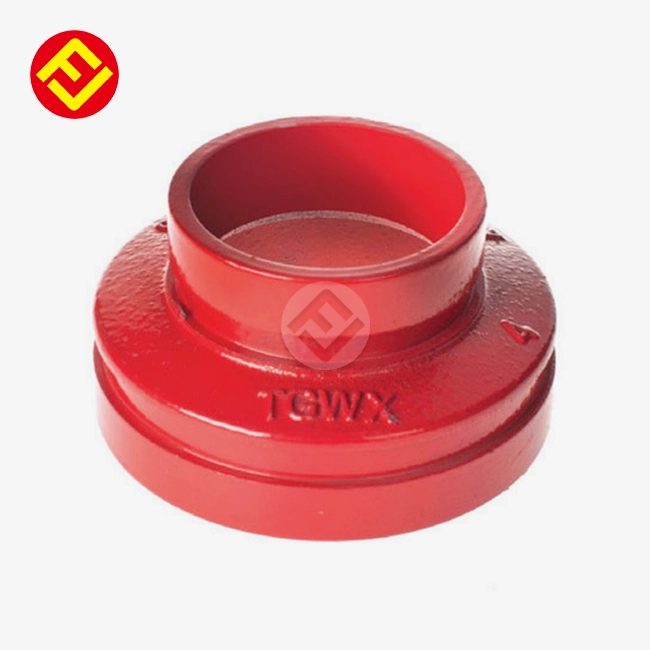
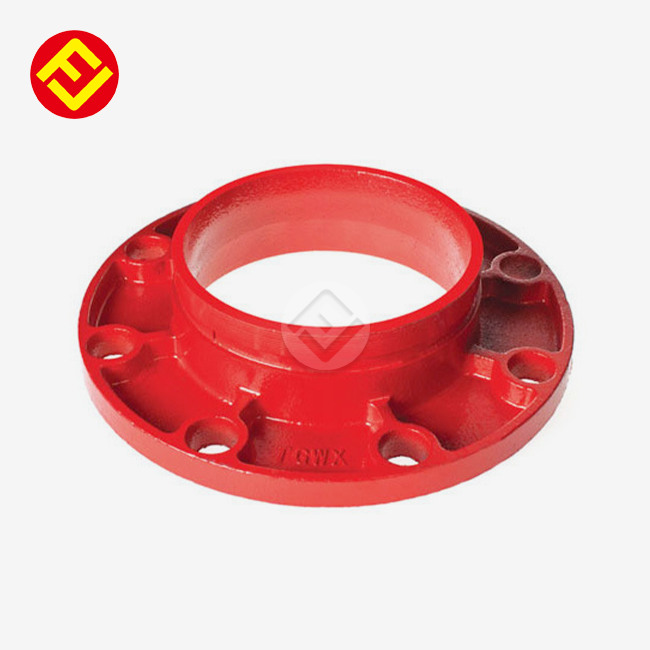
In modern fire protection infrastructure, coupling grooved fittings have emerged as the preferred mechanical joining solution that transforms how we approach pipe installation. Unlike traditional welding or threading methods, these innovative connectors engage a circumferential groove on pipe ends through ductile iron housing segments and pressure-responsive gaskets, creating leak-tight seals within minutes. For procurement managers and construction engineers overseeing fire suppression projects, coupling grooved systems deliver three critical advantages: drastically reduced installation time, elimination of hot work hazards, and built-in flexibility that accommodates thermal expansion and seismic movement—all while maintaining the high-pressure integrity demanded by life-safety systems.


Specifications |
||||
| Specification | Size (inch) | L(mm) | H(mm) | Diameter(mm) |
| 1 | 33 | 98 | 42 | 54 |
| 1/2 | 48 | 114 | 43 | 69 |
| 2 | 60 | 127 | 43 | 82 |
| 2 | 76 | 145 | 44 | 99 |
| 3 | 89 | 159 | 44 | 112 |
| 4 | 108 | 186 | 47 | 133 |
| 4 | 114 | 192 | 47 | 140 |
| 5 | 133 | 214 | 48 | 161 |
| 5 | 140 | 221 | 48 | 167 |
| 6 | 159 | 245 | 49.5 | 189 |
| 6 | 165 | 251 | 49.5 | 195 |
| 6 | 168 | 254 | 49.5 | 198 |
| 8 | 219 | 324 | 59 | 254 |
| 10 | 273-1.6 | 416 | 61 | 316 |
| 10 | 273-2.5 | 416 | 62 | 317 |
| 12 | 325-1.6 | 467 | 61 | 370 |
| 12 | 325-2.5 | 469 | 62 | 372 |
Understanding Grooved Coupling Fittings in Fire Systems
The use of grooved mechanical piping is an advanced engineering technique that has become the foundation of modern fire protection systems in business, industry, and government settings.
Core Components and Material Engineering
Our Coupling Grooved fittings at FLA Industrial & Trading Co., Ltd. are made up of carefully crafted parts that work together. The housing parts are made from ductile iron that meets ASTM A536 Grade 65-45-12 standards and has a tensile strength of more than 65,000 psi. Our rubber gaskets are made of EPDM compounds that can withstand temperatures from -30°F to +230°F. They have a C-shaped design that works better as the pressure inside the gasket rises. Track-head bolts hold the system together and make the pipe groove mechanically connect with the assembly. This way of thinking about design gets rid of the need for skilled welders and makes sure that thousands of installations give the same, reliable results.
Rigid Versus Flexible Configurations
For system design, it's important to know the difference between fixed and variable coupling types. Rigid couplings have a tongue-and-groove housing geometry that stops any movement in any direction. They work similarly to welded joints in situations where alignment must be maintained. On the other hand, flexible joints let you decide how much they bend, usually up to 4 degrees of rotation and up to 0.5 inches of linear expansion per joint. When it comes to fire protection systems that go across several floors in tall buildings, flexible couplings work like built-in expansion joints. They handle changes in temperature and building settlement without putting stress on the spray heads or standpipe connections.
Roll Groove Versus Cut Groove Methods
Grooving itself has an effect on the stability of the system. Roll grooving is a way to make a gap in a standard-wall pipe without cutting it down. This keeps the pipe's original wall thickness and structural strength. This method works with Schedule 10 and Schedule 40 pipes, which are often used in fire systems. Cut grooving tools make a groove on the outside of the pipe. This is needed for heavy-wall Schedule 80 pipe or when the linings inside the pipe must not be disturbed. Both methods meet ANSI/AWWA C606 standards for dimensions, which means that all of our Products" target="_blank" style="color:blue" >products will work with each other. At our facilities, we keep specialized grooving equipment to offer full pipe preparation services. We deliver installation-ready parts that cut down on the amount of work you have to do on-site.
Comparing Grooved Couplings with Alternative Pipe Connection Methods
When procurement professionals look at joining technologies for fire safety uses, they need to think about more than just the cost of the initial parts. Connection methods are often very different when you look at how much they cost to install, how long they take to complete, and how much upkeep they need over time.
Grooved Systems Versus Welded Connections
Although welded pipe joints have been used for many years, they pose a lot of problems in current building sites. Welding needs certified technicians, hot work permits, fire watchers, and enough airflow, all of which can slow down work in occupied buildings or dangerous areas. Setting up, welding, cooling, and inspecting a single joint takes 45 to 60 minutes. With simple hand tools, our Coupling Grooved kits make the same connection in three to five minutes. In addition to speed, grooved systems get rid of weld flaws like partial entry or porosity that weaken the pressure integrity. For workers who are in charge of installing multiple fire risers, this means that the projects can be finished weeks earlier than with welded options.
Flanged Joint Comparisons
Flanged connections allow for easy disassembly, but they take up a lot more space and weigh a lot more. A 6-inch flanged joint with nuts and a gasket weighs about 95 pounds, while a grooved coupling of the same size only weighs 18 pounds. Because grooved fittings are so small, they allow for routing flexibility that isn't possible with flanged assemblies in crowded mechanical rooms where every inch counts. There are also big differences in how hard they are to install. For example, flanged joints need precise bolt torque sequences that can be checked with calibrated wrenches, but grooved couplings only need simple pad-to-pad contact that can be seen without any special tools.
Threaded and Push-Fit Technologies
Threaded connections can only be used for smaller diameters because they require a lot of work, and the joint stability can be affected by shaking. Threading takes away a lot of wall material, which makes the pipe weaker and requires thread compound to be applied, which can bring contamination. Even though push-fit systems are quick, they usually don't allow pressures higher than the 175 to 300 psi that are normal for fire standpipes. Depending on the size and style of the housing, grooved mechanical joints can usually handle 300 to 1,000 psi working pressures. This is enough to meet the strict requirements of high-rise fire protection with a lot of safety room.

Procurement Considerations for Grooved Coupling Fittings
When specifying and finding grooved piping parts, it's important to pay attention to technical details and supplier skills that have a direct effect on how the project turns out.
Material Selection and Pressure Ratings
We make Coupling Grooved parts out of both ductile iron and carbon steel at FLA Industrial & Trading Co., Ltd. Each has its own benefits. For general fire service uses, ductile iron is better at resisting impacts and keeping its shape. For certain high-pressure situations, carbon steel versions offer better strength-to-weight ratios. Our range of products has working pressure levels that range from 300 psi for general-use tasks to 1,000 psi for high-pressure fire pumps and standpipe systems. Properly matching the material to the hydraulic formulas of the system ensures both code compliance and cost optimization. For example, selecting too high of a pressure class raises procurement budgets for no reason.
Surface Protection Options
Corrosive conditions require the right choice of finish. We have three coatings that are designed to protect against different types of exposure. Standard paint finishes work well for setups inside of climate-controlled rooms. Epoxy powder coating makes mechanical rooms more resistant to chemicals that are used for cleaning or mild air pollution. Hot-dip galvanizing according to ASTM A153 gives the best rust protection for outdoor projects, coastal areas, or industrial sites with harsh atmospheres. The galvanizing process adds a zinc layer that is metallurgically bound and about 3.5 mils thick. This layer lasts for decades without needing to be maintained, even in harsh circumstances.
Supplier Evaluation and Lead Time Management
Working with a well-known manufacturer is important for the project's success. FLA Industrial & Trading Co., Ltd. has been making things for almost 40 years and keeps 2,000 tons of standard-sized couplings in stock so that common specifications can be shipped right away. Our ISO 9001-certified factories usually ship custom or non-standard configurations within 7 to 15 business days. For each production batch, we provide full documents, such as material certificates, pressure test results, and dimension confirmations. When you ask for a quote, our engineering team replies within 24 to 48 hours with thorough specifications and 3D models to help you with design development and value engineering.
Certification and Compliance Verification
Fire safety measures have to meet strict government standards. Our curved fittings have been approved by UL and FM, which means they meet the installation standards set by NFPA 13 for automatic fire systems. For foreign projects, the CE mark shows that the product meets European safety standards. Each shipment comes with certification paperwork that can be linked to specific heat numbers. This meets the quality control needs of general contractors and insurance companies. This complete certification package speeds up the approval process and gets rid of delays during the inspection steps for procurement managers in charge of large-scale projects.
Installation and Maintenance Guidelines for Grooved Couplings in Fire Systems
The long-term dependability and safety of fire defense systems are directly related to how well they are installed and maintained.
Step-by-Step Installation Procedures
Preparing the pipe correctly is the first step to achieving a reliable Coupling Grooved installation. The groove dimensions for a Coupling Grooved connection must stay within the limits specified by ANSI/AWWA C606. In standard designs, the groove width should be approximately 0.650 inches with a tolerance of ±0.030 inches. Before assembling the pipes, inspect the groove quality carefully and reject any pipes with incomplete grooves, excessive roll marks, or dimensional inconsistencies. Apply the manufacturer-recommended gasket lubricant to both the gasket and pipe surface when installing a Coupling Grooved system, and avoid petroleum-based products because they can damage EPDM materials. Place the gasket over the pipe end and connect the pipe sections properly. Position the coupling housing segments around the joint so that the housing keys engage with the pipe grooves. After installing the bolts, tighten them by hand first, then continue tightening gradually in a cross-pattern sequence until the housing pads achieve full metal-to-metal contact. This pad-to-pad contact provides a clear visual confirmation for a properly installed Coupling Grooved connection, reducing installation errors and ensuring consistent joint quality regardless of installer experience. A correctly installed Coupling Grooved system delivers reliable performance, secure sealing, and long-term durability in piping applications.
Maintenance Best Practices and Inspection Protocols
Fire alarm systems work in standby mode for long periods of time, so they need to be checked on a regular basis. We suggest eye inspections of coupling housings every six months to look for signs of rust development, gasket extrusion, or bolt loosening. In places with a lot of shaking, like near pump equipment, checks every three months are a good idea. During inspections, make sure that the pipe hasn't moved in a way that would put too much stress on the coupling assembly and cause it to bend too far. Grooved couplings are easy to take apart for repair jobs like replacing gaskets or rotating pipes. This can be done in minutes without having to cut or weld anything. For systems that go through a lot of thermal cycles, you should check the flexible couplings once a year to make sure the gasket keeps compressing and closing properly.
Common Installation Errors and Prevention
Several mistakes during installation weaken the joints. If you use the wrong gasket compound for the fluid being moved, it will fail early. EPDM gaskets work best for water-based fire protection, while nitrile gaskets work best for systems that are contaminated with oil. When gaskets aren't oiled enough, they tear during assembly, creating leak paths right away. If you tighten the nuts past the point where the pads touch, the seal may not work as well because the housing shape will be distorted. Our technical support team offers on-site assembly training to make sure that your crews understand these important details and complete every part correctly the first time.
Future Trends and Optimizing Fire System Performance with Grooved Couplings
Material science advances and digital integration are helping the grooved pipe business move forward by making installation faster and better over time.
Advanced Material Development
New metal formulas claim to be lighter and more resistant to corrosion. Nickel and molybdenum are added to advanced ductile iron grades to make them 40% more resistant to corrosion in the air compared to normal grades. This could mean that seaside installations can last longer. As gasket technology improves, compound blends that are more resistant to chemicals and work better in a wider range of temperatures are being used more often. These blends can also be used in situations where fire protection and process piping are needed together. Our materials engineering team at FLA Industrial & Trading Co., Ltd. keeps an eye on these changes and uses tried-and-true improvements in our production processes to give buying organizations that are on the cutting edge of technology options.
Digital Integration and Predictive Maintenance
More and more, smart building systems use monitoring technologies to keep an eye on the state of the pipe network in real time. When building management systems connect pressure sensors and flow meters, they can find unusual drops in pressure that could mean the gasket is wearing down before leaks can be seen. Some makers are looking into adding RFID tags to coupling assemblies so that goods can be tracked automatically and repair records can be kept. These technologies are still in their early stages of acceptance, but they show the way toward truly clever fire protection infrastructure that keeps things running smoothly and protects people as much as possible.
Sustainability and Lifecycle Cost Benefits
Environmental concerns are becoming more and more important in buying choices. When grooved systems are installed, they don't give off any welding fumes or volatile organic compounds (VOCs). This helps LEED certification goals and worker health efforts. The ability to take parts apart lets them be used again during building renovations, which keeps materials out of landfills. Total ownership costs are much lower than for welded alternatives over a 30-year building lifecycle because the systems don't need as much maintenance and can be changed more easily. These lifetime benefits make it clear why grooved mechanical piping systems should be chosen by procurement professionals who have to weigh initial funds against long-term running costs.

Conclusion
Coupling Grooved fittings are a revolutionary technology that solves the main problems that come up when installing and maintaining fire safety systems. Grooved couplings provide measurable benefits in terms of safety, schedule, and cost. They do this by mechanically joining parts together in a way that eliminates hot work hazards, cuts labor needs by 50% or more, and allows systems to move freely. We at FLA Industrial & Trading Co., Ltd. have been making things for 40 years and have a wide range of products made from ductile iron and carbon steel with finishes that can be customized. This makes us a trusted partner for fire protection pipe needs. Our dedication to quality through ISO 9001 processes, our large inventory that is always available, and our quick expert help all work together to make sure that your projects go smoothly and without any delays.
FAQ
Can grooved couplings connect different pipe materials?
Pipes made of steel, ductile iron, copper, and even some plastics can be joined together with grooved mechanical joints that have the right grooved connections. This adaptability makes it easier to change the system during renovations, when new pipes need to connect to existing infrastructure. The material of the gasket has to be able to stick to both the pipe surfaces and the fluid being sent through them. Before installing materials that don't mix, talk to technical experts at FLA Industrial & Trading Co., Ltd. to make sure that the materials will work with your application.
What maintenance do high-pressure fire systems require?
High-pressure fire protection systems that work above 175 psi need to have their couplings checked more often than regular systems. Visual checks should be done every three months to make sure the housing is still solid, the bolts are still tight, and the seal hasn't come out. After any system pressure or flow tests, you should check all of the connections again because the pressure rise could show poor installations that need to be fixed. Keep detailed inspection logs of the conditions of the couplings to find patterns that need to be fixed before they fail.
How do supplier lead times compare across manufacturers?
Lead times vary a lot depending on how the manufacturer stores their inventory and how much they can make. The lead time given by major foreign names is usually between 4 and 8 weeks for standard goods and longer for custom configurations. Our 2,000-ton inventory at FLA Industrial & Trading Co., Ltd. lets us ship common sizes right away, and our production capacity means that we can meet your unique needs in 7–15 business days. This ability to quickly respond is very helpful when project deadlines are slashed or when unexpected design changes mean that materials need to be ordered quickly.
Partner with FLA Industrial & Trading Co., Ltd. for Reliable Coupling Grooved Solutions
For your fire safety projects, you need a Coupling Grooved maker that blends technical know-how with quick service and good value. Every ductile iron and carbon steel connection FLA Industrial & Trading Co., Ltd. makes is backed by our nearly 40 years of accurate manufacturing experience and ISO 9001, CE, and UL/FM certifications, which meet the strictest requirements. Our technical team is ready to help you make choices about what to buy by giving you quick quotes, doing custom engineering for non-standard needs, and providing full product documentation that makes the approval process easier. Contact Us at sales@flaindustrial.com right away to talk about your project needs and find out how our grooved piping solutions can help you save time and money on total ownership costs. You can look through our full catalog of products at flaindustry.com and request technical data sheets that are tailored to your unique fire safety needs.
References
1. American Water Works Association. ANSI/AWWA C606: Grooved and Shouldered Joints. Denver: AWWA Standards, 2021.
2. National Fire Protection Association. NFPA 13: Standard for the Installation of Sprinkler Systems. Quincy: NFPA Publications, 2022.
3. Parisher, Roy A. and Robert A. Rhea. Pipe Drafting and Design, 3rd Edition. Houston: Gulf Professional Publishing, 2012.
4. American Society for Testing and Materials. ASTM A536: Standard Specification for Ductile Iron Castings. West Conshohocken: ASTM International, 2020.
5. Nayyar, Mohinder L. Piping Handbook, 8th Edition. New York: McGraw-Hill Professional, 2019.
6. Factory Mutual Research Corporation. FM Approval Standard 1680: Couplings Used in Grooved Piping Systems. Johnston: FM Global, 2018.
YOU MAY LIKE