Why Use Elbow Groove Fittings for Industrial Pipe Routing?
2026-08-10 10:21:16


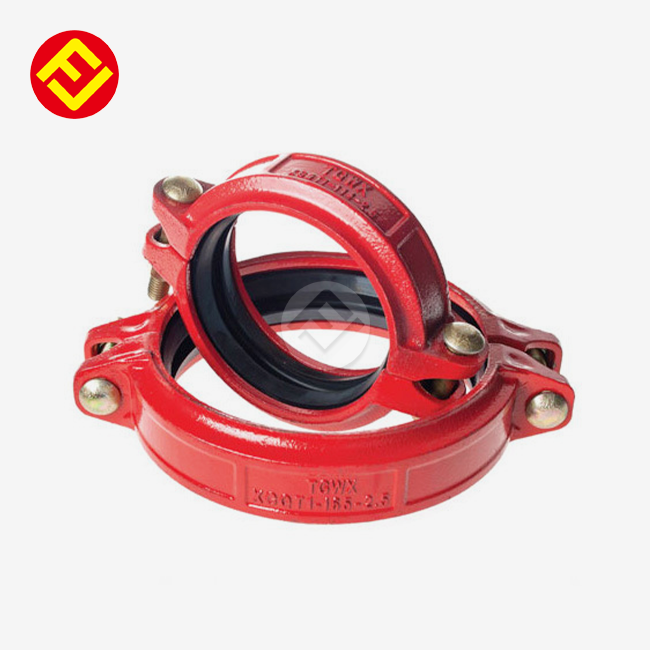
Elbow groove fittings provide a practical and efficient solution when changing the direction of industrial piping systems. These grooved mechanical fittings eliminate the need for welding or threading, reducing installation time dramatically while maintaining superior pressure resistance and leak-proof performance. Industries such as fire protection, HVAC, water supply, and industrial waste management rely on these fittings because they combine rapid assembly with long-term reliability. Available in 90° and 45° configurations, grooved elbows accommodate tight routing requirements while meeting stringent safety and performance standards across diverse applications.

Specification |
|||
| Nominal Diameter (mm) | Steel Pipe Outer Diameter(mm) | Nominal Pressure(MPa) | Unit |
| 50 | 60 | 2.5 | Piece |
| 65 | 76 | 2.5 | Piece |
| 80 | 89 | 2.5 | Piece |
| 100 | 114 | 2.5 | Piece |
| 125 | 140 | 2.5 | Piece |
| 150 | 165 | 2.5 | Piece |
| 200 | 219 | 2.5 | Piece |
Understanding Elbow Groove Fittings: Definition and Technical Insights
What Are Grooved Elbow Fittings?
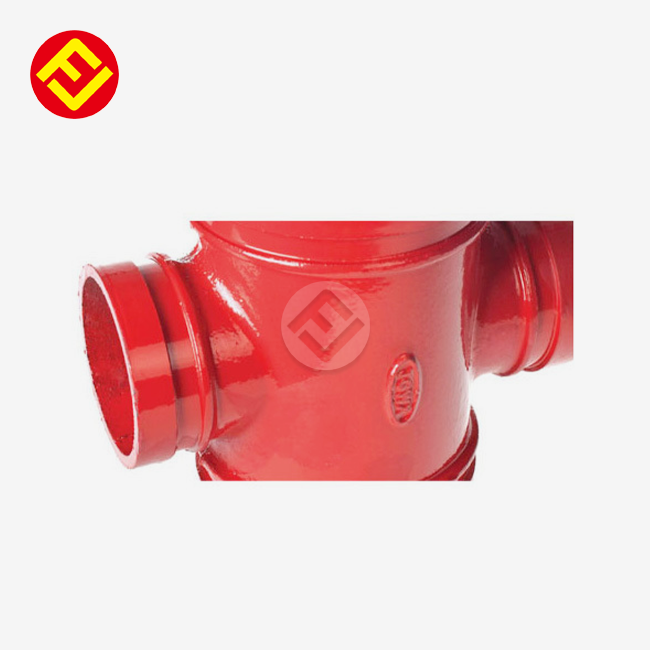
An Elbow Groove fitting is a special kind of pipe connector that is used to change the flow of fluid in a mechanical grooved piping system at certain angles. These fittings are different from regular welded or threaded elbows because they have precisely machined holes on both ends that fit mechanical connections and elastomeric seals. This design makes a strong, leak-proof joint without using hot work, which is very important for safety and efficiency in modern factories and construction sites. The grooves are either rolled out or cut to accurate measurements, usually following AWWA C606 or manufacturer-specific standards that make sure all system parts work together.
The technical benefit comes from the shape of the groove. When you put a coupling over two pipe ends or fittings with grooves, the housing keys lock into the slots, and a gasket squeezes together to make a pressure seal. This mechanical joint allows for limited linear and angular movement, which is important for large-scale installations that need to deal with thermal expansion, earthquakes, and structural settling.
Material Composition and Standards Compliance
Most Elbow Groove valves are made from ductile iron that meets ASTM A536 Grade 65-45-12 standards or carbon steel that meets the same structural standards. Ductile iron has a tensile strength of at least 65,000 psi and can't be damaged by impact, so it's perfect for tough business and industrial uses. Different types of carbon steel give high-pressure systems more strength, and both can have protective surface treatments like hot-dip galvanization or epoxy powder coating, which is what ASTM A153 calls for.
Casting, precise cutting, and high-quality coating methods are all used in manufacturing. Dimensional checks are done on each fitting to make sure that the groove depth, width, and pipe diameter all meet the requirements. This careful attention to detail makes sure that the connection is lined up correctly and stops common failure modes like gasket blowout or housing mismatch. Certifications like ISO 9001, UL, FM, and CE prove that the manufacturing process and produced goods meet international safety and quality standards. This gives procurement teams faith in the choices they make about the supply chain.
Angle Options and Dimensional Range
Standard Elbow Groove elbows come in two angles: 90° and 45°. This lets you deal with a variety of route issues. The 90° elbow changes the direction of flow in a straight line. It is often used in tight spaces or where pipes need to go around structural elements. The 45° elbow makes flow changes smoother and reduces friction loss. It is preferred in systems that need to be hydraulically efficient or where changes in direction are slow, keeping turbulence to a minimum.
Standard sizes range from 50 mm to 200 mm in nominal diameter, but some makers can make custom sizes to meet the needs of a specific job. For normal business uses, nominal pressure ratings usually reach 2.5 MPa. Higher-rated choices are available for industrial processes that need more pressure capacity. Because of this, procurement managers can choose parts that perfectly match the parameters of their system without over-engineering or lowering safety gaps.
Comparing Elbow Groove Fittings with Alternative Pipe Connections
Grooved Versus Welded Connections
Welded joints have long been thought to be the best and most permanent way to join things together. Butt weld and socket weld joints make strong metal bonds that can stand up to high temperatures and pressures. But these methods need trained welders, hot work permits, fire watch staff, and post-weld checks, which all add to the cost of labor and make projects take a lot longer than planned. Welded joints also make assemblies that can't be taken apart or changed, which makes maintenance and changes harder in the future.
These problems aren't present with Elbow Groove mechanical links, which are just as strong. Modern grooved systems designed for fire safety usually have working pressures higher than 300 psi, and some connections can hit 1,000 psi or more. Pipe cutting, shaping, and fitting assembly are the only tasks needed for installation. These are tasks that semi-skilled workers can do with basic training. This makes a huge difference in the amount of work that needs to be done and gets rid of the fire risks that come with welding in occupied buildings or near flammable materials. When changes need to be made to the system, grooved joints make it easy to take apart and put back together quickly, reducing downtime and keeping parts usable.
Grooved Versus Flanged Systems
Flanged links have been shown to be reliable in industrial settings, and they make it possible to take apart a system for repair purposes. For big lines and high-pressure situations, flanges work well because the seal can be chosen to work best with that media. But flanged systems need a lot of room for the bolt rings, extra care with the torque steps, and regular checks to make sure the gasket doesn't wear out and the bolts don't come loose.
Elbow Groove fittings take up less room than flanged connections of the same size, which is helpful in crowded mechanical rooms or underground installations. The link design spreads stress evenly around the pipe's outside, and the mechanical housing keeps the gasket's compression constant. This gets rid of the uneven loading that can happen when flange bolts are not torqued properly. Grooved systems are also easier to install quickly—installing a connection only takes minutes, while carefully tightening a bolt on a flange takes time. It's also easier to check for maintenance issues because visible checks can quickly confirm the coupling's stability without taking it apart.
Threaded Connections and Their Limitations
Threaded pipe joints are still commonly used for small-diameter tasks, like in home and light business plumbing. Threading gives low-pressure devices enough strength and lets them be put together in the field without special tools. However, threaded joints have some flaws that make them less useful in industry. Cutting threads takes away metal from the pipe wall, which lowers the pressure that it can hold. Over time, vibration can make threaded joints loose, which can cause leaks. Takedowns often damage threads, making them useless for future use.
Elbow Groove systems take care of all of these problems. The groove only takes away a small amount of material and doesn't change the thickness of the pipe wall in pressure-critical areas. Mechanical joints lock securely and don't come away when they're vibrated. Multiple disassemblies and reassemblies can happen without damaging any parts, which supports repair rounds and system reconfigurations. Because of these benefits, grooved connections are the best choice for medium- to large-diameter pipes in business and industry settings where dependability and long-term costs are more important than initial material costs.

Why Industrial Clients Prefer Elbow Groove Fittings: Advantages and ROI
Installation Speed and Labor Efficiency
One of the main reasons industrial clients choose Elbow Groove systems is that they are easy to install quickly. For traditional welding, you need time to get work permits, set up your welding tools, do the welds, let them cool down, and check the work afterward. Taking all of these steps into account, a single welded elbow could take several hours of skilled work. On the other hand, grooved elbows are easy to install and only take minutes once the pipes are cut and grooved, which can be done quickly with portable grooving tools.
This improves the speed of installation, which directly lowers the cost of the project. Construction managers can use smaller teams with less specific training, which greatly lowers the cost of labor. The time it takes to go from breaking ground to system completion is cut down because projects are finished faster. When retrofitting existing buildings that are still being used during construction, getting rid of hot work permits and the safety rules that go with them means less damage to building users and business operations. When these things come together, they make for a big return on investment, especially on big jobs with hundreds of joints to finish.
Maintenance Accessibility and System Flexibility
Industrial pipe systems need to be maintained, have parts replaced, and be rearranged every so often to keep up with changing operating needs. When this happens, Elbow Groove systems work best because each joint is a union point. Maintenance teams can disconnect a coupling, take out a piece of pipe or a fitting, and make repairs or changes without having to cut and re-weld.
This adaptability is useful in fields like chemical manufacturing, medicines, and food preparation, where cleaning and sanitizing require regular access to equipment. In the same way, HVAC systems benefit because it's easier to do seasonal maintenance on chillers, pumps, and air handlers when pipe connections can be opened and closed quickly. Being able to change the way systems are set up without making any lasting changes also helps with building expansions and process upgrades. This protects financial investments and extends the useful life of piping infrastructure.
Pressure Performance and Leak Resistance
Some critics think that mechanical joints can't hold as much pressure or stop leaks as welded joints. This is not true because of modern Elbow Groove devices. When properly specified and installed, high-performance couplings can handle pressures that meet or go beyond what is normally required in the industrial world. The elastomeric gasket makes a strong seal that can handle small pipe misalignment and deflection. This makes it more resistant to leaks than hard-soldered joints, which can break under stress.
These skills are backed up by field success data. For sprinkler mains and branch lines, Elbow Groove fittings are often used in fire protection systems, which are one of the safest uses of electricity. These systems are put through strict hydrostatic tests at 200 psi or higher, and grooved joints always pass without leaking. When used in HVAC systems, grooved connections can handle loops of cold and hot water that are heated and cooled and vibrated without breaking down over time as some bonded systems do. Procurement engineers and project managers need systems that work perfectly for decades, and this proven dependability gives them confidence.
Material Versatility and Application Range
Depending on the connection form and gasket choice, Elbow Groove fittings can work with pipes made of carbon steel, stainless steel, copper, and other metals. Because of this, engineers can choose the best materials based on the properties of the fluid, the surroundings, and their budgets. Standard water delivery and HVAC systems work well with carbon steel pipes and fittings that are epoxy-coated and grooved. Combinations of stainless steel work well in acidic settings or for clean-up tasks. When installed outside or in places with a lot of humidity, galvanized finishes protect against corrosion better.
Fire sprinkler systems, potable water distribution, HVAC heating and cooling loops, industrial process pipes, compressed air systems, and wastewater transportation are just some of the many uses for this versatile material. Because Elbow Groove systems can be used in a lot of different trades and building systems, procurement teams can make them the same. This makes it easier to keep track of supplies, train workers, and do upkeep. Because they make operations more efficient, grooved fittings are a smart choice for building managers and construction executives who want to get the most out of their money over the long run.
How to Select and Procure the Right Elbow Groove Fittings for Your Project
Evaluating Technical Requirements
Understanding the needs of the project is the first step to successful buying. The pressure and temperature of the system set the standard for choosing the right Elbow Groove fittings and couplings. Pressures of 150 to 300 psi are common for fire protection systems. Pipes used in industrial processes may need ratings of 1,000 psi or higher. When choosing a gasket material, temperature plays a role. EPDM gaskets work well in most water-based systems up to 230°F, while high-temperature gaskets are designed to handle steam and hot oil.
Material choices are also affected by how well they work with fluids. Epoxy-coated ductile iron valves keep water quality high and stop corrosion in potable water lines. For chemical process lines, parts made of stainless steel and seals that work with them and don't let certain media through may be needed. The environment also plays a role. For example, galvanized or stainless steel finishes are needed for outdoor installations near the coast to protect against salt spray and humidity. By carefully looking at these factors, procurement professionals can come up with detailed specifications that help choose suppliers and make sure the goods supplied meet the needs of the application.
Supplier Assessment and Quality Verification
There's more to picking a trustworthy provider than just comparing product specs. Manufacturers with a good reputation show what they can do by showing licenses, test results, and client references. ISO 9001 approval means that quality management systems have been in place for a while and are making sure that production standards are always met. UL and FM approvals specifically verify fire safety parts, which is important for building code and insurance compliance. The CE mark shows that the product meets European safety standards, which is important for international projects or exports.
In addition to certificates, buying teams should ask for material test results that prove the castings' chemical make-up and mechanical qualities. Dimensional inspection reports make sure that the shape of the grooves matches the tolerances that were set. Records from pressure tests show that sample lots can handle the estimated working pressures with enough room for error. When possible, visits to manufacturing facilities give first-hand information about how things are made, how quality is checked, and how much inventory is kept. These steps protect you from buying low-quality Elbow Groove Products" target="_blank" style="color:blue" >products that could damage the system and cause expensive problems after installation.
Strategic Procurement Considerations
Managing costs, ensuring quality, and making sure the supply line is reliable are all important parts of effective buying. When you buy standard sizes in bulk, you can usually get better deals, but you need to make sure you have enough space to store and handle your goods. Building connections with suppliers who can both deliver items from stock and make custom orders gives you options: standard parts can be shipped right away, and special orders can be made within a fair amount of time.
Managing lead time becomes very important for planning projects. When unexpected needs come up, building delays can be avoided if suppliers keep a lot of supplies on hand. Custom Elbow Groove fittings usually take seven to fifteen days to make, so it's important to plan ahead when buying non-standard parts. When choosing a provider, you should also think about the terms of payment, the warranty, and the availability of expert help. A responsive seller who gives quick quotes, technical models, and advice on how to use the product adds value beyond the price of the product. They help the project succeed through a knowledgeable relationship rather than through transactional sales of goods.
Installation and Welding Best Practices for Elbow Groove Joints
Proper Groove Preparation and Verification
For an Elbow Groove joint construction to go well, the pipes must be properly prepared, and grooves must be made. To get straight ends, pipes must be cut correctly with the right cutting tools, like grit saws, band saws, or specialized pipe cutters. To keep the seal from getting damaged during assembly, burrs and sharp edges need to be taken off. Roll grooving and cut grooving are two ways to make grooves in pipes. Roll grooving cold-forms a groove without removing material, and cut grooving machines a precise channel into the pipe wall.
Dimensional verification stops problems with installation and failures that could happen. "Go/No-Go" gauges quickly make sure that the diameter, width, and depth of the groove meet the requirements. When paperwork needs to record exact measures, vernier calipers are the best tool for the job. It's also important to check where the groove is in relation to the pipe end, since the coupling won't work properly if the gaps are too big. These quick checks keep you from having to redo work in the field and make sure that parts work the way they were supposed to.
Coupling Installation Techniques
Installing a coupling is a simple process that keeps the joint's structure. After checking for damage, gaskets should be oiled with water or an approved lube to make fitting easier and make sure they seat properly. The seal slides over one end of the pipe and is placed so that it crosses over the joint. The ends of the pipes are joined together, and the gasket is placed in the middle of the groove. When the coupling housings are put in place around the seal, the housing keys fit into the holes.
When tightening bolts, you need to pay attention to what the maker says. To keep the seal compressed evenly, bolts should be tightened gradually and evenly, switching between nuts as needed. Tightening something too much can damage seals or bend housings, while loosening something too little can cause leaks. A visual check of the housing proves that the keys fully engage the holes and that the gasket edges can still be seen around the outside of the housing, which shows that it is in the right place. Some connection designs call for metal-to-metal contact between housing parts. This creates a positive stop that stops over-compression.
Quality Assurance and System Testing
Inspections and tests done after installation make sure the system is working properly before it is turned on. Visual inspection finds problems that are easy to see, like missing bolts, damaged coatings, misaligned parts, or gaps that show the assembly wasn't done right. Testing the joint's strength under stress with hydrostatic pressure at 1.5 times the working pressure shows that it is solid. The test usually lasts for several hours, which gives any slow leaks time to show up. During testing, people should carefully look at all the joints for signs of moisture that the seal has failed.
In serious situations, advanced testing methods are used in addition to eye and physical inspection. Radiographic examination can find flaws inside cast Elbow Groove fittings, but this is usually only done for very important systems. Ultrasonic testing checks the thickness of a material and can find flaws below the surface. Keeping track of all inspections and tests creates a quality record that can be used to support warranty claims and make sure that regulations are followed. This organized way of making sure quality saves investments, makes sure people are safe, and boosts trust among everyone involved in the project.

Conclusion
Elbow Groove fittings are great for industrial pipe handling because they are easy to install and maintain, work well under pressure, and can be made from a variety of materials. These fittings get rid of the need to weld, which cuts down on labor costs by a huge amount and allows for system changes over the lifecycle of a facility. The technical skills allow the company to meet strict safety standards for fire protection and work on a wide range of projects, from HVAC to industrial processing. Having links with suppliers that offer both a wide range of products and the ability to make things to order is valuable for procurement teams. Grooved systems are a great choice for construction contractors, facility managers, and industrial operators who want to maximize operational excellence and long-term value. They last for decades with little to no maintenance if they are installed correctly and according to best practices.
FAQ
Can Grooved Elbows Handle High-Pressure Applications?
Elbow Grooves: Can they handle high-pressure uses? Depending on the coupling choice and pipe schedule, modern Elbow Groove systems can handle a wide range of pressures. Standard commercial couplings that are standard usually have a working pressure of 300 psi, which is good for fire protection, HVAC, and water transport systems. Industrial stiff couplings can handle pressures of 500 to 1,000 psi or more, which means they can be used for process pipes, compressed air, and high-pressure water services. Making sure that the system pressure and coupling ratings are matched correctly is important for safe and reliable performance.
What Gasket Materials Work with Different Fluids?
EPDM seals can be used in most water-based systems up to 230°F. This includes systems that use drinkable water, chilled water, and regular heating. Nitrile seals work well with chemicals and oil-based goods. For high-temperature uses, you might need special gaskets that can handle steam or hot oil. Use the manufacturer's compatibility charts to find the right gasket material for your system's fluids and temperatures.
Are Grooved Fittings Compatible Across Different Manufacturers?
Cross-compatibility is usually possible with Elbow Groove fittings and joints that are made to standard groove specs. Standards like AWWA C606 make sure that dimensions are always the same. But for important high-pressure jobs or to keep the guarantee valid, it's usually best to use fittings and couplings from the same maker. This makes it clear who is responsible for what. The procurement requirements should list the allowed makers and make it clear if mixing brands is okay.
Partner with FLA Industrial & Trading Co., Ltd. for Reliable Grooved Piping Solutions
FLA Industrial & Trading Co., Ltd. is ready to help you with your purchasing needs when your project needs reliable Elbow Groove fittings that are made with high-quality materials. We have been making high-quality malleable iron pipe fittings for almost 40 years, so we know what performance standards matter to building builders, facility engineers, and purchasing managers in North America and around the world.
Our Elbow Groove fittings have joints that are precisely cut, are made of long-lasting ductile iron and carbon steel, and have epoxy or galvanized coats that protect them and make them last a long time. Our goods meet the safety and quality standards your projects need because they are certified to ISO 9001, UL, FM, and CE standards. We keep a lot of standard sizes in stock so they can be shipped right away. For special orders, we can also make things to order and have them delivered in 7–15 days. Hardware dealers, builders, and industrial operators trust us as a source because we offer technical support, affordable prices, and quick contact (usually within 24 to 48 hours).
Get in touch with FLA Industrial & Trading Co., Ltd. at sales@flaindustrial.com right away to talk to our experienced team about your grooved fitting needs. Visit flaindustry.com to see all of our products and learn why top companies choose us as their go-to manufacturer and supplier of grooved fittings.
References
1. American Water Works Association. (2016). AWWA C606: Grooved and Shouldered Joints. Denver: AWWA Standards.
2. American Society of Mechanical Engineers. (2018). ASME B16.9: Factory-Made Wrought Buttwelding Fittings. New York: ASME Press.
3. Grinnell Company. (2019). Grooved Mechanical Piping Systems: Design and Installation Manual. Providence: Grinnell Technical Publications.
4. National Fire Protection Association. (2020). NFPA 13: Standard for the Installation of Sprinkler Systems. Quincy: NFPA Press.
5. Steel Tube Institute. (2017). Mechanical Grooved Piping Systems: Technical Guide for Specification and Installation. Glenview: STI Publications.
6. Underwriters Laboratories. (2021). UL 213: Standard for Rubber Gasketed Fittings for Fire Protection Service. Northbrook: UL Standards & Engagement.