Do Grooved Couplings Require Special Tools for Installation?
2026-04-02 10:29:12


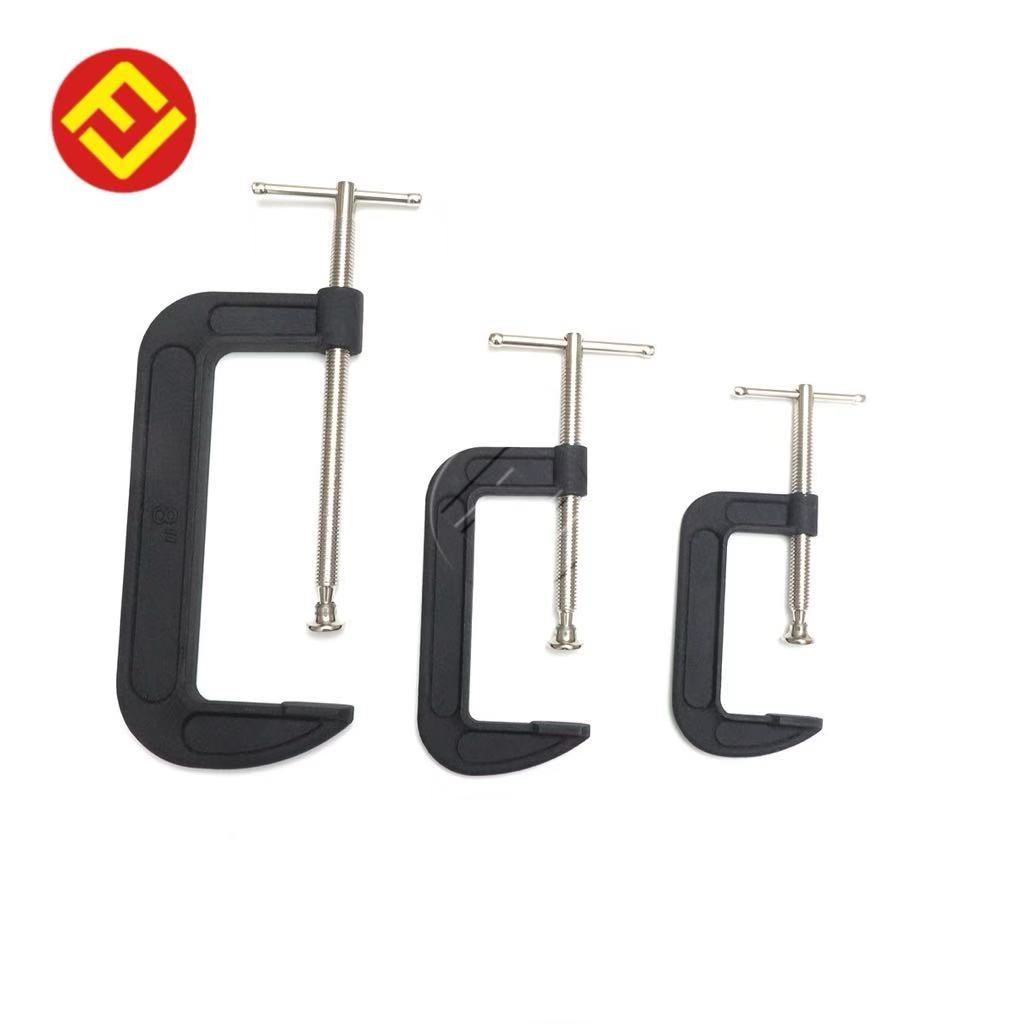
Usually, normal mechanical tools are enough to install grooved connections instead of very specialized tools. To make sure the pipe joints are safe, the coupling grooved system uses simple tools like groove cutters, torque wrenches, and alignment devices. Standard tools are fine for most jobs, but specialized installation tools can make the job faster and more accurate, especially for systems with a large diameter or high pressure. This simplified method makes grooved systems different from welding or flanging methods, so building teams can use them without having to spend a lot of money on specialized tools.
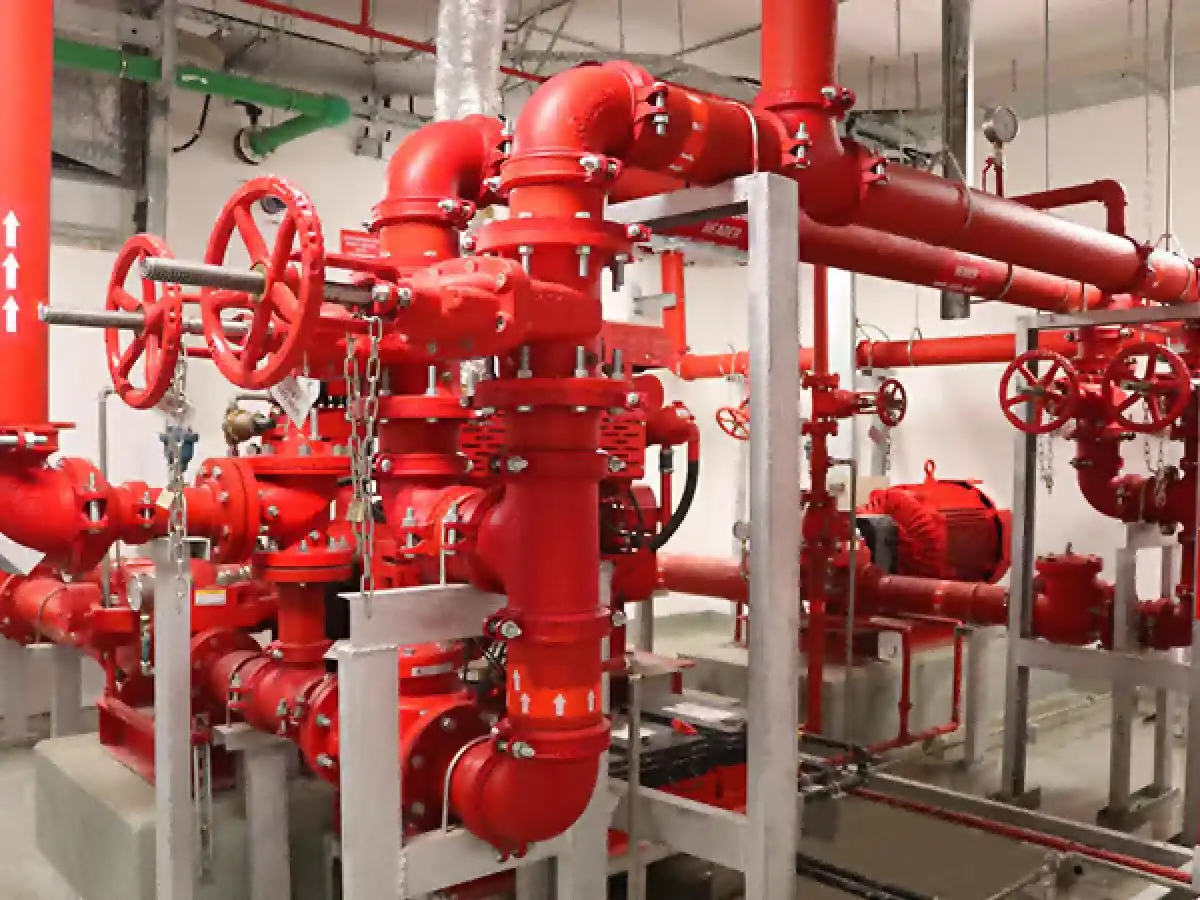
Understanding Grooved Couplings and Their Installation Requirements
Fundamental Design Principles of Grooved Systems
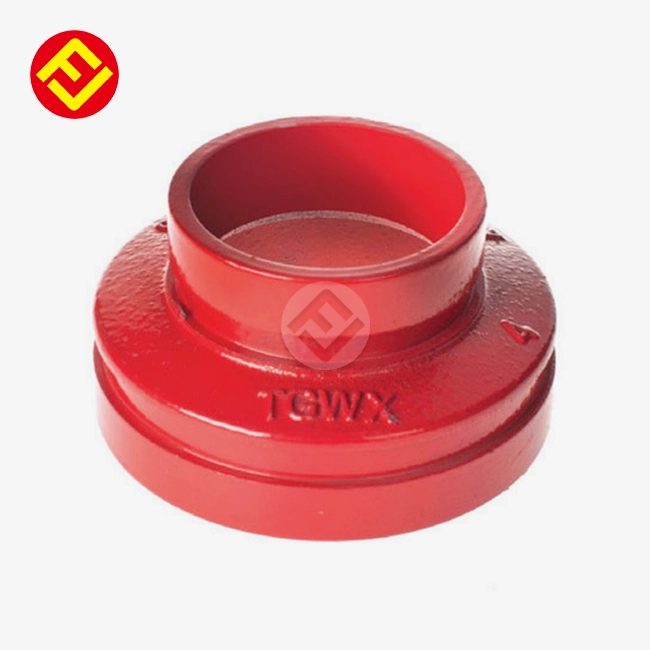
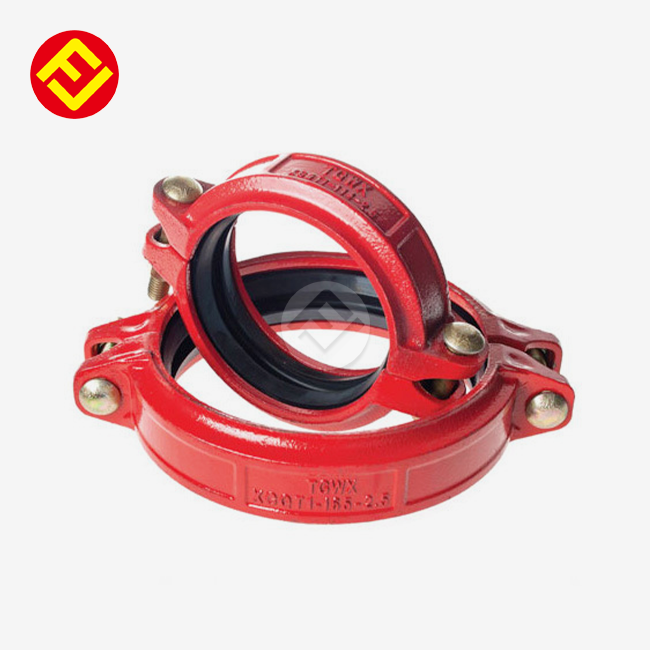
A grooved coupling works by connecting pipes automatically through a gap on the ends of the pipes. This is held in place by a coupling housing and a gasket. The engineering behind these systems depends on a groove around the outside, which can be either roll-grooved or cut-grooved, that fits into cast iron housing pieces. Using pressure-responsive rubber gaskets, this mechanical interlock makes a leak-tight seal without the need for fusion or complicated building steps.
Established makers lead the market with a wide range of design options. They come in materials like stainless steel and malleable iron. During installation, curved pipe ends are usually lined up, seals are put in place, and clamps are tightened to secure the joint. These new coupling grooved designs use ASTM A536 Grade 65-45-12 ductile iron housings, which were chosen because they have a minimum tensile strength of 65,000 psi and last a long time in harsh industrial situations.
Installation Process and Requirements
The fitting process starts with properly preparing the pipes. For standard wall thickness, pipes are given roll grooving, and for heavy wall uses, they are given cut grooving. Roll grooving keeps the strength of the pipe by not taking away any metal, while cut grooving works for sealed pipes where metal growth is not possible. When buying teams know about these preparation methods, they can better choose the right grooving tools for their needs.
Standard mechanical tools are fine, but unique tools can speed up and improve the accuracy of fitting, especially for pipes with a large diameter. To make sure that Products" target="_blank" style="color:blue" >products work with a wide range of pipe uses and that quality standards are met, procurement managers need to know these requirements inside and out.
Comparing Installation Tools: Grooved Couplings vs Other Coupling Types
Simplified Tooling Advantages
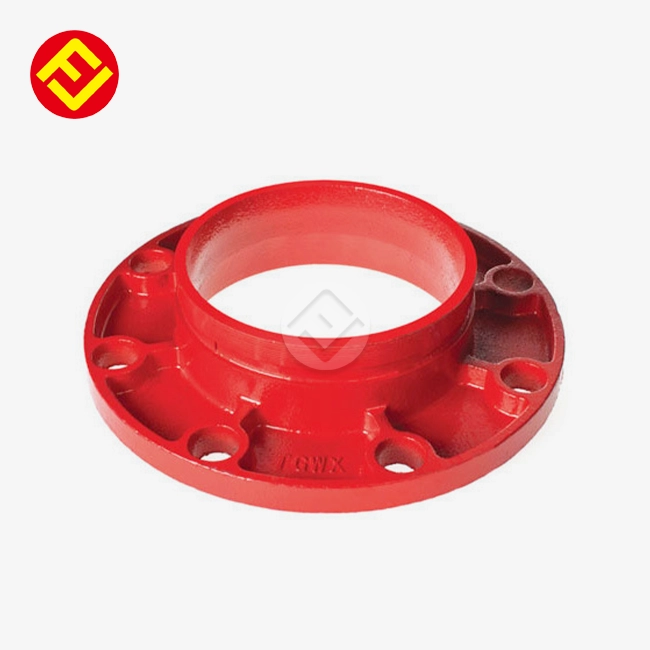
When compared to bonded, flanged, or threaded couplings, grooved couplings are much easier to install and require fewer tools. For welding, you need special tools like welding machines, electrodes, and trained, qualified welders. For flanged joints, you need gasket alignment tools, multiple bolt insertion devices, and torque sequencing equipment. Pipe Threading Tools, cutting oils, and precise positioning devices are needed for threaded joints.
Grooved coupling make fitting easier by using fewer parts and making the process go faster. Studies show that grooved setups are three to five times faster than welding and twice as fast as flanging. This means that labor costs and project timelines are cut by a huge amount. Getting rid of hot work makes installation possible in dangerous areas where welding isn't allowed, giving safety-conscious places more ways to use their products.
Operational Efficiency Benefits
This simpler method increases site output while lowering the need for expert labor. Professional-level repairs can be done by construction teams using commonly available mechanical tools, which means they don't have to rely on highly skilled techs as much. When comparing grooved systems to flanged assemblies, which need precise torque sequence, grooved systems are easier to check for quality because they only need "pad-to-pad" housing contact, not torque specs.
These practical benefits give procurement pros reliable, cost-effective solutions that keep structures in good shape and speed up project finish times.
Benefits and Design Features That Impact Installation Tools
Advanced Material Properties and Tool Selection
Flexible seals, modular clamps, and pressure-rated materials are used in new coupling grooved designs that make complex tooling less necessary. These improvements make the joints more flexible and long-lasting while also making fitting easier. EPDM gaskets that can handle temperatures from -30°F to +230°F work better for closing, while Nitrile gaskets are better for oil and gas uses because they can handle chemicals better.
Materials like ductile iron are very strong, which affects the choice of tool because of the need for strength and force. Because these materials are naturally strong, normal impact drivers and socket wrenches can be used to apply the right amount of torque without the need for hydraulic tensioning equipment, which is common in high-pressure flanged uses.
Design Innovation and Installation Efficiency
Modern coupling designs use pressure-responsive gasket technology, which makes the closing system stronger by using pipe pressure inside the coupling. When compared to static seal systems, this self-energizing feature makes installation less precise, so standard alignment tools can do a professional job. The form of modular housing makes it easy to take apart for maintenance without damaging the pieces, which supports green maintenance methods.
Proper tool use is closely linked to preventing leaks because it ensures proper gasket tightness and joint stability. When purchasing teams know how design features affect the need for tools, they can choose products that make installation and upkeep go more smoothly, which saves money over the product's entire lifespan in industrial settings.
Practical Guide: Tools Needed for Efficient Grooved Coupling Installation
Essential Tool Categories
The following tools represent the core requirements for professional grooved pipe coupling installation. Each category serves specific functions that ensure proper joint assembly and long-term performance reliability.
- Groove Cutting Equipment: Roll grooving machines for normal wall pipes and cut grooving tools for heavy wall uses. These tools make the ring around the outside that fits into coupling housings.
- Gasket Installation Tools: These are specialized spreaders and placement tools that keep the gasket from getting damaged while it's being put together. The right placing of the gasket is essential for a leak-tight seal.
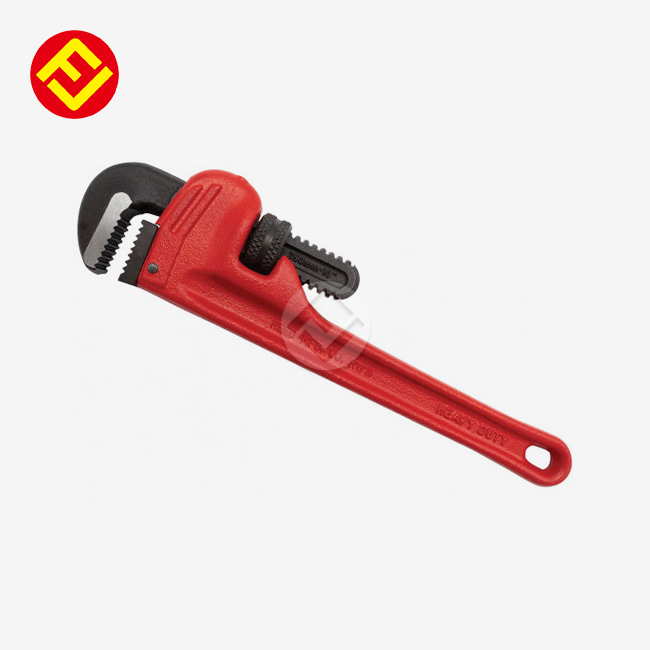
- Torque Application Tools: impact drivers, socket wrenches, and torque wrenches that are the right size for the coupling bolts. Depending on the size of the coupling, most setups need 50 to 75 foot-pounds of power.
- Alignment Equipment: Pipe alignment clamps and centering devices make sure that the pipes are in the right place before the coupler is installed. Misalignment is one of the main reasons why installations go wrong.
These important tools give building crews everything they need to install grooved couplings professionally on a wide range of pipe types and in a variety of situations.
Specialized vs. Generic Tool Considerations
Basic maintenance tasks can be done with general mechanical tools, but more precise work can be done with unique tools. Manufacturers often make special tools that work best with their own connection designs. This makes setups with a lot of parts more efficient. Managers of procurement should weigh the cost, availability, and fit of tools when they are in charge of different types of pipe systems.
Best practices for installation include making sure the pipes are lined up correctly, handling the gaskets carefully so they don't get damaged, and using the right force values as specified by the maker. To keep the coupling grooved working for a longer time and keep operations running smoothly, regular maintenance needs certain checking tools, such as torque verification equipment and gasket condition assessment devices.
Procurement Insights: Sourcing Tools and Grooved Couplings for B2B Buyers
Strategic Supplier Evaluation
Professionals in global business-to-business buying can get grooved couplings and assembly tools from reliable sources, approved dealers, and specialized sellers. When you compare providers based on wait times, bulk buying benefits, and the ability to customize, you can be sure that they will meet your project's technical needs and deadlines. Modern industrial projects are very complicated, so providers need to have a lot of scientific knowledge and be able to help customers quickly.
Well-known companies keep a lot of products in stock that all have the same groove sizes, which are set by ANSI/AWWA C606. This makes sure that simple applications can be done with products from different names. But coupler housings and gasket systems are still owned by manufacturers, so when planning to buy them, you need to pay close attention to their specs.
Quality Assurance and Certification Standards
When comparing well-known brands, it's important to look at things like product certifications, tool compatibility specs, and performance records to make sure the quality and dependability. Following international quality standards and government rules is shown by ISO 9001 approval, UL/FM listings, and CE compliance signs. For important uses like fire safety systems and high-pressure manufacturing processes, these approvals become even more important.
Strategic planning for purchases and choosing the right suppliers can help you save money and make sure that your supply chain is ready for big industrial projects. Knowing how coupling specs and needed tools work together helps procurement teams make smart choices that meet both short-term project needs and long-term business needs.
FLA Industrial & Trading Co., Ltd. is a good example of this all-around method because they have been making things for almost 40 years, keep more than 2,000 tons of inventory on hand, and respond to quotes and technical specs within 24 to 48 hours.
Conclusion
Grooved couplings are the best combination of ease of installation and performance stability. They can be installed with normal mechanical tools instead of highly specialized equipment. The coupling grooved technology gets rid of the need for complicated tools that are needed for welding or flanging. It also provides better joint stability through mechanical locking systems. Procurement pros can make smart choices that improve project speed and long-term operating success by knowing what tools are needed, how to install them, and what materials are required.
FAQ
Can grooved couplings be installed without specialized tools?
Yes, grooved couplings can be installed using standard mechanical tools including socket wrenches, impact drivers, and basic alignment equipment. The system design specifically eliminates the need for welding equipment, hydraulic tensioning devices, or precision torque sequencing tools required by other coupling methods. Standard groove cutting equipment and gasket installation tools represent the primary specialized requirements.
What are the most common installation challenges?
Misalignment is the biggest problem during installation, which is usually caused by not enough pipe support or bad planning. The second most common problem is damage to the gasket during installation. This is usually caused by rushing the building process or not using enough grease. When you use the right amount of torque, you avoid both over-tightening and not enough tension, which ensures the best performance without damaging the parts.
How often should grooved coupling maintenance occur?
For normal uses, visual checking should happen once a year. More frequent checks are suggested for important systems or tough environments. Because it is replaceable, the gasket can often be changed without having to shut down the machine. Checking the torque every three to five years helps keep the joint compressed properly and stops it from becoming loose due to changes in temperature.
Partner with FLA Industrial & Trading Co., Ltd. for Superior Coupling Solutions
Streamline your piping installations with our premium coupling grooved systems engineered for reliability and efficiency. Our ductile iron and carbon steel couplings, featuring painted, epoxy coated, or hot-dip galvanized finishes, deliver exceptional performance in firefighting and water supply applications. With ISO 9001, CE, and UL/FM certifications, our products meet the highest industry standards while our experienced team provides comprehensive technical support from design through installation. Contact our coupling grooved supplier experts at sales@flaindustrial.com to discover how our nearly 40 years of manufacturing expertise can optimize your procurement strategy.
References
American Water Works Association. "ANSI/AWWA C606 Standard for Grooved and Shouldered Joints." Denver: AWWA, 2019.
National Fire Protection Association. "NFPA 13: Standard for the Installation of Sprinkler Systems." Quincy: NFPA, 2022.
Mechanical Contractors Association of America. "Grooved Piping Systems Installation Guidelines." Rockville: MCAA, 2021.
American Society for Testing and Materials. "ASTM A536 Standard Specification for Ductile Iron Castings." West Conshohocken: ASTM International, 2020.
International Code Council. "International Plumbing Code Chapter 6: Water Supply and Distribution." Washington: ICC, 2021.
Pipe Fabrication Institute. "Technical Bulletin on Grooved End Preparation and Installation Practices." Springdale: PFI, 2020.