How Does a Grooved Coupling Work?
2026-04-02 10:29:16


A coupling grooved operates through a mechanical pipe joining system that utilizes a circumferential groove cut or rolled into the pipe end, which interfaces with a two-piece housing assembly containing an elastomeric gasket. When the housing segments clamp around the grooved pipe ends, the gasket creates a pressure-responsive seal while the housing keys lock into the grooves, forming a secure mechanical connection. This innovative design eliminates the need for welding or threading, providing rapid installation capabilities that can reduce connection time by up to 75% compared to traditional methods. The system's effectiveness stems from its ability to distribute stress evenly around the pipe circumference while maintaining flexibility for thermal expansion and system vibration.


Understanding Grooved Couplings: Function and Design
The fundamental principle behind grooved coupling technology centers on mechanical interlock rather than fusion-based connections. The system comprises three essential components that work in harmony to create reliable pipe joints.
Core Components and Materials
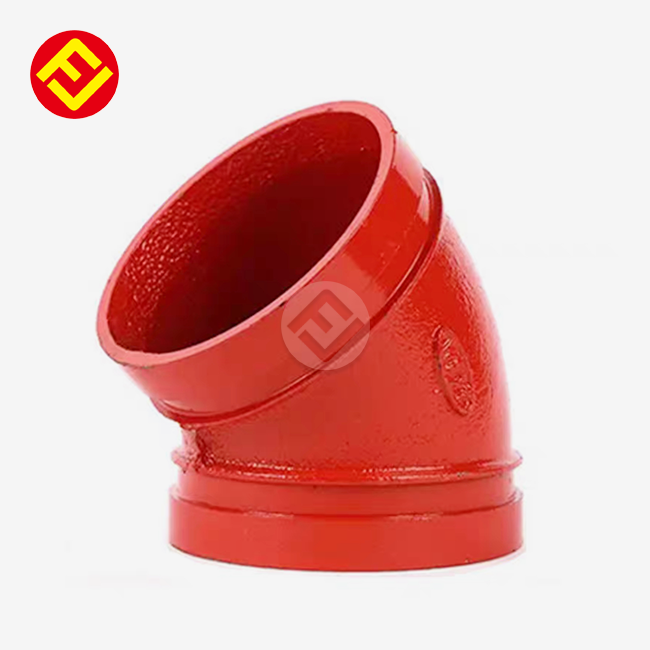
The grooved coupling system is held together by the housing unit, which is usually made of ASTM A536 Grade 65-45-12 ductile iron. This choice of material has a minimum tensile strength of 65,000 psi and a minimum yield strength of 45,000 psi, which means that the structure will stay strong even in the harshest circumstances. At FLA Industrial & Trading, our housing parts are carefully made and then machined to make sure they are within ±0.005 inches of their original size.
The closing element is a rubber gasket made of EPDM (Grade E) compounds for use in water service environments that are -30°F to +230°F or Nitrile (Grade T) materials for use in oil service environments that are -20°F to +180°F. The gasket's C-shaped design makes a pressure-responsive seal, which means that as the internal pressure rises, the seal works better instead of worse.
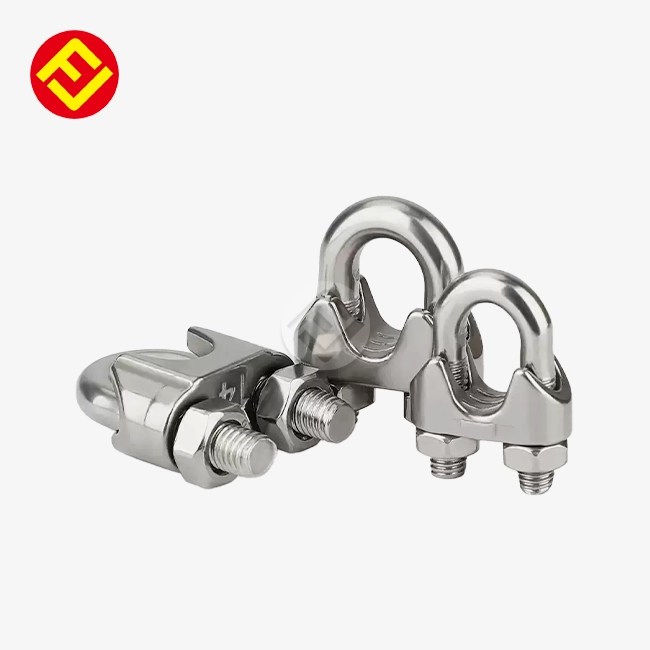
Track-head bolts and hex nuts finish off the assembly. They are made of carbon steel that has been zinc-plated or stainless steel for places where corrosion is a problem. These screws give the housing the clamping force it needs to stay in place in the pipe holes.
Advanced Design Engineering
The modern grooved coupling design uses complex engineering ideas to solve problems that come up in real life. The groove shape is based on ANSI/AWWA C606 standards, and it has exact depth and width measurements that make it compatible with all systems while keeping the structure's integrity. Roll grooving keeps the thickness of the pipe wall by cold-forming the groove, while cut grooving takes away material in situations where the pipe can't expand.
The housing key design makes several contact points inside the groove. This spreads mechanical loads over a larger surface area than threaded connections, which focus stress at the thread roots. In dynamic uses, this load spread makes stress cracking and fatigue failure much less likely.
Key Types of Grooved Couplings and Their Applications
Understanding the distinction between rigid and flexible grooved coupling designs enables procurement professionals to select optimal solutions for specific operational requirements.
Rigid Grooved Coupling Systems
Rigid couplings have a tongue-and-groove housing contact that stops the pipe from moving once it is fitted. This makes the connection as stiff as a welded joint. These systems work great for things that need to be perfectly lined up and bend very little, like vertical steps in tall buildings or process pipes that need to be very stable in their dimensions.
The rigid design has more metal-to-metal contact areas than just the groove engagement, which makes the structure stronger for long pipe runs and big loads that are pushed together. A lot of the time, municipal water distribution systems ask for rigid couplings for underground uses where shifting dirt could stress on flexible connections.
Flexible Grooved Coupling Solutions
Controlled linear and rotational movement is possible with flexible grooved coupling designs that keep the seal's integrity. Depending on the pipe width and maker specs, these systems have housing shapes that allow up to 4 degrees of angular deflection and 0.75 inches of linear expansion per joint.
Because they are flexible, these couplings are very useful in areas where buildings could move during shocks and break hard pipe systems. Flexible couplings are especially useful in HVAC uses because they can be used at equipment links and double as both expansion joints and vibration isolators, so you don't need to buy separate expansion bellows.
Specialized Applications Across Industries
Fire protection systems use grooved couplings the most because they have to meet NFPA 13 standards and the technology can remove the need for hot work in crowded buildings. The ability to install quickly comes in handy during retrofit jobs where keeping the building as quiet as possible is very important.
Industrial process applications leverage grooved couplings for their maintenance advantages in environments requiring frequent system modifications. Mining companies use these systems to move slurry, and the fact that they can quickly spin pipe sections spreads out wear patterns and increases the system's useful life. Chemical processing plants value the technology's compatibility with unusual metal pipe materials that are hard or impossible to weld in the field.
Grooved Couplings vs Other Pipe Connection Methods: Making the Right Choice
Procurement decisions benefit from comprehensive analysis comparing grooved couplings against alternative pipe joining technologies across multiple performance criteria.
Installation Efficiency and Labor Cost Analysis
Installing a grooved coupling takes about a quarter as many hours of work as installing a soldered link of the same size. Two techs can make a standard 6-inch grooved joint in less than 10 minutes. The same welded connection, on the other hand, takes 45 to 60 minutes plus time for cooling. This level of speed directly leads to lower project costs and faster finishing times.
Grooved connections can be made by plumbers, pipefitters, or general maintenance workers without welding certifications. This means that no expert trades are needed for the installation process. This flexibility is especially helpful in rural areas where qualified welders might not be easy to find.
Performance Under Operating Conditions
Comparing pressure ratings shows that grooved couplings work as well as or better than flanged connections and are better at stopping vibrations. Standard grooved systems can handle working pressures between 300 PSI and 1,000 PSI, based on their size and design. For more difficult tasks, there are also high-pressure versions that are available.
Because grooved pipe coupling systems are mechanically flexible, they are very useful in situations where temperatures change quickly. Welded connections can get stress cracks from repeatedly expanding and contracting, but grooved couplings can handle these changes because they are built that way.
Maintenance and Lifecycle Considerations
When it comes to system upkeep and changes, grooved connection systems are the best. Maintenance workers can check the integrity of the link visually without taking it apart, and the design's ability to be taken apart lets them replace a pipe piece or change the way the system works without having to cut anything.
Being able to take apart and put back together links keeps the system's value while the building is being renovated or when equipment is being upgraded. This feature is especially useful in leased buildings where renters have to return the spaces to their original settings when their lease is up.
Installation, Maintenance, and Best Practices for Grooved Couplings
When grooved coupling systems are installed and maintained correctly, they work better and last longer, and they don't break down in common ways.
Systematic Installation Procedures
Preparing the pipe and making sure the groove sizes meet ANSI/AWWA C606 standards is the first step in the fitting process. Using special tools to measure the depth of the groove makes sure it works with the chosen coupling design. Pipe ends need to be cleaned to get rid of cutting grease, dirt, and other things that could get in the way of the gasket closing.
When installing a gasket, it's important to pay close attention to how to align and grease it. The gasket has to fit perfectly inside the housing gap, not bending or stretching. Builder-specified oils make sure that gaskets work properly and stop chemical problems that could lead to failure too soon.
To make sure that stress is spread out evenly, housing fitting must be done in a certain order. The housing pieces are only loosely attached before they are fully aligned. This lets the gasket automatically center itself. By gradually tightening the bolts in a cross-pattern, the seal stays in place and the necessary "pad-to-pad" contact between the housing pieces is made.
Preventive Maintenance Protocols
On a regular basis, the state of the gasket, the alignment of the case, and the tightness of the bolts should all be checked. Visual signs of seal expansion or housing separation can mean there are problems that need to be fixed right away. Monitoring vibrations can find coupling movement that goes beyond what was planned.
Because grooved joints are replaceable, they are easy to clean thoroughly during maintenance shutdowns. This feature is especially useful in process applications where a pile of product could slow down the system or contaminate later runs.
Troubleshooting Common Installation Issues
Leakage usually happens because the seal wasn't installed correctly, the bolts weren't tightened enough, or the grooves were different sizes. The first step in a systematic evaluation is to look at the line of the housing and the position of the gasket. Small changes can often fix sealing problems without taking the whole thing apart.
Too much pipe movement could mean that the joints are too small or that the temperature is rising faster than what was intended. These problems can be fixed by choosing a flexible connection or adding more expansion joints without affecting the structure of the system.
Procurement Considerations for Grooved Couplings
To get the best total cost of ownership and project success, strategic buying of grooved coupling systems needs to look at more than just unit price.
Supplier Evaluation and Quality Assurance
When choosing a manufacturer, you should give more weight to companies that have a lot of engineering experience and a track record of doing well in tough situations. Our 40 years of experience making pipe fittings and mechanical connections at FLA Industrial & Trading gives us the knowledge to help with complicated projects from the beginning stages of planning to the final stages of finishing.
Quality licenses like ISO 9001, UL/FM, and CE marking show that a company is committed to meeting foreign standards and that their Products" target="_blank" style="color:blue" >products can be trusted. These licenses are especially important for projects that need to follow rules or get insurance approval.
Inventory Management and Lead Time Optimization
Product availability and shipping plans that can be relied on are important for the successful completion of a project. Standard setups can be shipped right away from our 2,000-ton inventory, while custom options usually ship within 7–15 working days.
Buying in bulk can save you a lot of money on big tasks or maintenance that needs to be done all the time. But procurement professionals have to weigh the costs of keeping inventory against the money they could save and make sure that gaskets are stored properly to keep their purity.
Technical Support and Engineering Services
Full expert support is helpful for complex applications throughout the whole project lifetime. When you ask a technical question, our engineering team answers quickly and sends you quotes, weight confirmations, and 3D plans within 24 to 48 hours. This feature is very useful for jobs that need to be finished quickly and may need design changes or custom solutions.
By making parts in non-standard sizes and shapes, you can use them in a variety of situations while still being compatible with standard hole measurements. This ability to customize can get rid of the need for expensive changes to be made in the field or system redesigns.
Conclusion
Coupling grooved technology represents a mature, proven solution for pipe joining applications across diverse industrial sectors. The mechanical interlock design provides installation efficiency, operational flexibility, and maintenance advantages that translate directly to reduced total cost of ownership. Understanding the fundamental principles, application considerations, and procurement factors enables informed decision-making that optimizes system performance while minimizing project risks. As building codes increasingly emphasize safety and sustainability, grooved coupling systems continue to evolve with enhanced materials, expanded pressure ratings, and improved sealing technologies that meet tomorrow's infrastructure challenges.
FAQ
What is the difference between rigid and flexible grooved couplings?
Rigid couplings prevent pipe movement through tongue-and-groove housing design, creating connections equivalent to welded joints. Flexible couplings allow controlled linear and angular movement, accommodating thermal expansion, settling, and seismic activity while maintaining seal integrity.
How do I determine the correct groove type for my application?
Roll grooving suits standard wall pipes (Schedule 40/10) by preserving pipe strength through cold forming. Cut grooving applies to heavy wall pipes (Schedule 80) or lined pipes where metal expansion is not feasible, though it reduces pipe wall thickness.
What are the visual inspection criteria for proper installation?
Proper installation achieves "pad-to-pad" contact where housing bolt pads touch completely around the circumference. Gasket position should be centered with no visible extrusion beyond the housing edge. Gap measurements exceeding manufacturer specifications indicate inadequate bolt tension.
Partner with FLA Industrial & Trading Co., Ltd. for Superior Grooved Coupling Solutions
Experience the difference that four decades of manufacturing expertise brings to your pipe joining applications. FLA Industrial & Trading Co., Ltd. delivers premium coupling grooved solutions engineered from ductile iron and carbon steel materials, featuring multiple finish options including painted, epoxy coated, and hot-dip galvanized surfaces for optimal corrosion protection. Our comprehensive product line serves fire protection, HVAC, and industrial applications with ISO 9001, CE, and UL/FM certifications ensuring regulatory compliance and performance reliability. Ready to optimize your piping systems with proven grooved coupling technology? Contact our technical team at sales@flaindustrial.com for customized solutions, rapid quotes, and engineering support that keeps your projects on schedule and within budget.
References
American National Standards Institute. "ANSI/AWWA C606-17: Grooved and Shouldered Joints." American Water Works Association, 2017.
National Fire Protection Association. "NFPA 13: Standard for the Installation of Sprinkler Systems." NFPA Publications, 2022.
American Society for Testing and Materials. "ASTM A536-84: Standard Specification for Ductile Iron Castings." ASTM International, 2019.
Mechanical Contractors Association of America. "Grooved Mechanical Couplings for Fire Protection Service: Installation and Maintenance Guidelines." MCAA Publications, 2021.
International Organization for Standardization. "ISO 14692: Petroleum and Natural Gas Industries - Glass-reinforced Plastics (GRP) Piping." ISO Publications, 2017.
Building Officials and Code Administrators International. "International Building Code: Chapter 29 - Plumbing Systems." ICC Publications, 2021.