Exploring Swing Check Valve Maintenance Practices
2026-04-03 12:14:59


Exploring Swing Check Valve Maintenance Practices represents a critical knowledge area for industrial procurement professionals managing pipeline systems across diverse sectors. In order to keep the system reliable and avoid expensive backflow problems, the 6 swing check valve is an important part. Effective repair plans have a direct effect on how well operations run, how long equipment lasts, and how well the whole system works. These valves are used all over the world to keep expensive pumps, compressors, and equipment further down the line from being damaged by reverse flow. Procurement managers can make better decisions about valve choices, supplier partnerships, and long-term running costs when they know the right way to do upkeep.
Understanding Swing Check Valve Basics and Maintenance Needs
Core Components and Operating Principles
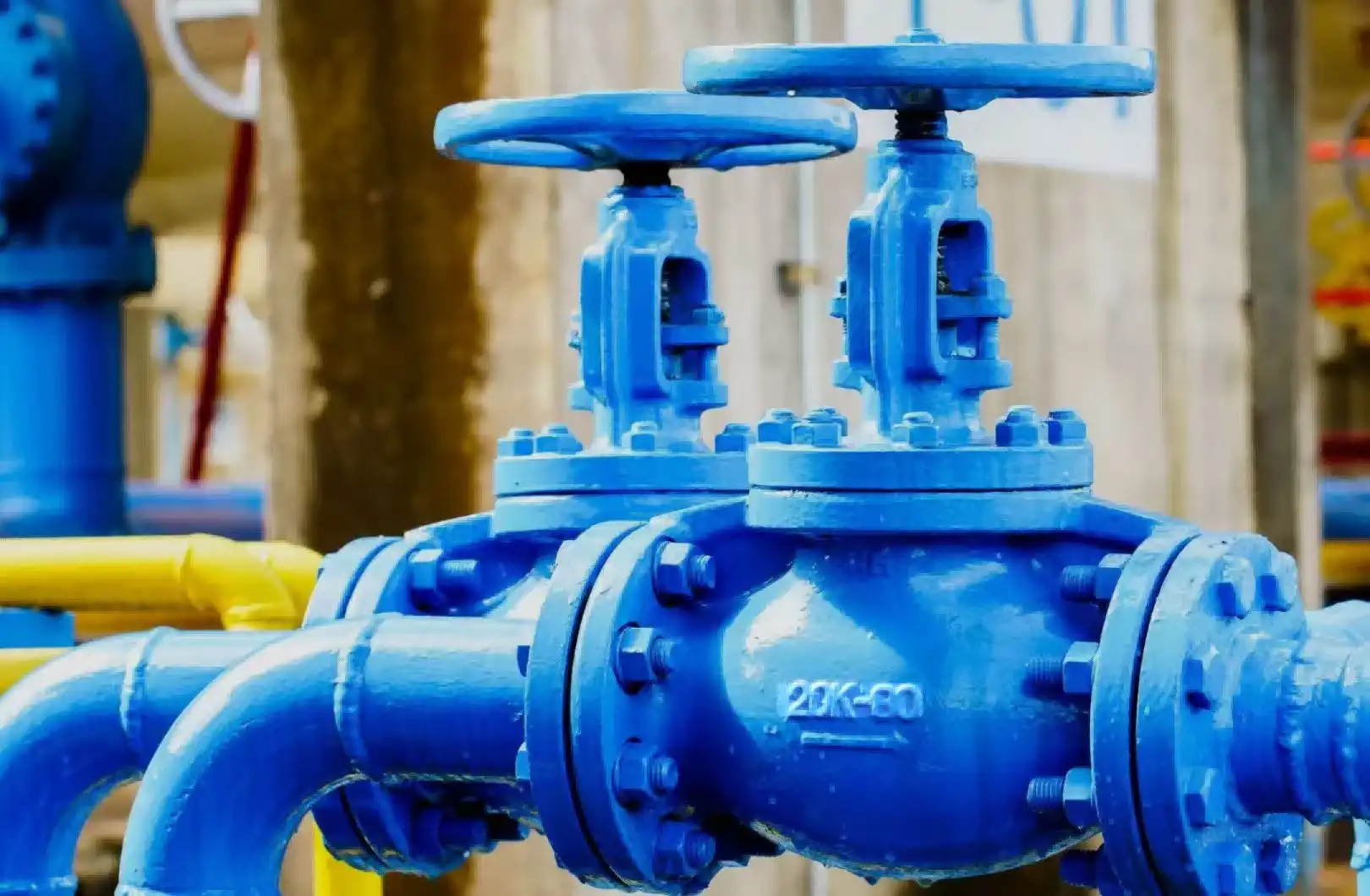
Swing check valves work with a simple but effective system that lets fluid run in one way but stops it from flowing backwards. The valve body has a disc inside that is attached to a hinge pin. The disc swings away from the seat when forward pressure is applied and back to seal the seat when flow stops or changes direction. This gravity-assisted design doesn't need any extra power, which makes it perfect for industrial use that goes on all the time.
The 6 swing check valve has a small body and seating areas that are precisely made to make sure they close well. The valve body, disc assembly, hinge pin, seat ring, and hood are some of the most important parts. Each part is very important for keeping the valves working right and keeping the system from breaking down.
Common Operational Challenges
Swing check valves are put through a lot of stress in industrial settings, which over time can reduce their performance. Changes in temperature, pressure, and the properties of the fluid all affect how long a valve lasts. If debris builds up around the hinge mechanism, the disc may become stuck, and acidic media may damage the closing surfaces.
Knowing about these problems helps maintenance teams come up with effective solutions that make valves last longer and stop them from breaking down when they least expect it. Monitoring valve performance markers like pressure drop across the valve and strange noises it makes while it's working can help find problems early on so they can be fixed.
Why Regular Maintenance Matters
In industrial sites, preventive maintenance programs cut down on unexpected downtime and the costs that come with it by a large amount. Swing check valves that protect important pieces of equipment like fire pumps or process pumps need to be checked regularly to make sure they work properly in an emergency.
The main goals of maintenance work are to keep the closing function working properly, make sure the disc works smoothly, and stop internal parts from breaking down. When you take care of your valves, they will last for years without breaking down and protect expensive equipment upstream from damage caused by reverse flow.
Systematic Approach to Swing Check Valve Maintenance
Environmental and Operational Assessment
Understanding the unique working conditions each swing check valve goes through is the first step in coming up with good maintenance plans. Conditions like fluid temperature, pressure ranges, flow rates, and the properties of the media all affect how often repair needs to be done. Valves that work with acidic fluids need to be inspected more often than valves that work with clean water.
Planning upkeep is also affected by things in the environment, like the temperature, humidity, and exposure to pollution. For placements outside, extra safety steps need to be taken, while controlled environmental conditions inside may help indoor valves last longer between service visits.
Root Cause Analysis of Common Failures
Finding patterns of failure helps maintenance teams fix the problems at their roots instead of just repairing broken parts. Hinge pin wear is often caused by not lubricating them enough or using them too many times. Leaking seats can be a sign of bad fitting, heat stress, or normal wear that needs to be replaced.
6 swing check valve units usually break because the disc gets stuck, the seat wears down, or there are issues with the hinge mechanism. Knowing these failure modes lets you do focused maintenance tasks that fix specific weaknesses while making the best use of resources.
Best Practice Maintenance Protocols
Visual checks, performance tests, and replacing parts on a set plan are all important parts of maintenance programs that work. Visual inspections should check the outside for signs of rust, leaks, and good fitting conditions. Performance testing makes sure that the disc can move and lock properly in real-world situations.
When to lubricate valves depends on how they are designed and where they are used. Some swing check valves have grease ports that let you grease the hinge pins and joints from time to time. Others depend on media lubrication or need to be taken apart to repair internal parts.
Schedules for replacing parts take into account what the maker says, how the machine has been used in the past, and performance trends. More often than metal parts like valve bodies or discs, gaskets, O-rings, and other soft things need to be replaced.
Implementation Checklist for Maintenance Teams
For repair plans to work, they need clear steps and ways to keep track of how well valves are working over time. Checklists for maintenance should include specific things to check, standards for acceptance, and steps to take to fix problems that are found. Documentation helps find patterns and find the best repair times based on real facts about how things work.
Training programs make sure that people who work in repair know how to do things right and follow safety rules. For valves with complicated designs, you might need special tools or methods that require more training and licensing. Teams stay up to date on best practices and maker suggestions by getting training information on a regular basis.
Maintenance Tips According to Swing Check Valve Types (Focusing on 6-Inch Valves)
Flanged Valve Considerations
When using flanged 6 inch valve, you need to pay extra attention to the bolt torque specs and the soundness of the gasket. The right seal should be chosen based on the temperature, pressure, and chemical interaction needs of the fluid. Checking the flange surfaces on a regular basis makes sure they are properly sealed and stops leaks that could mean there are problems inside the valve.
Bolt torque verification stops both under-tightening, which can lead to leaks, and over-tightening, which can damage seals or flange faces. Specifications for torque depend on the size of the flange, the pressure number, and the material of the seal. Following the manufacturer's instructions will make sure that the joint works well and that valve parts don't get damaged.
Threaded Connection Maintenance
When installing a threaded 6 swing check valve, you need to pay close attention to the state of the threads and the seals. Using thread glue stops galling and makes sure the seal works right. Visual inspection finds thread damage that could weaken the installation or make it harder to take off later.
To make sure the pipe is strong enough and seals well, the thread contact should meet industry standards. Not engaging enough weakens the joint, and engaging too much can hurt parts inside the valve or stop the disc from moving.
Material-Specific Care Requirements
Although stainless steel valves are very resistant to rust, they need to be maintained in a certain way to keep the surface shine and stop contamination. Some types of stainless steel can develop localized rust when exposed to chlorine, which means they need to be inspected and cleaned more often.
Cast iron valves are very durable and don't cost too much, but they need to be kept away from places that are likely to rust them. Regular inspections of the coating and touch-up paints stop rust from forming, which could damage the valves or contaminate the system fluids.
When used in toxic settings, carbon steel valves need to be protected to keep them strong and affordable. To keep the valve's rust resistance over its useful life, internal coats or linings may need to be checked and replaced on a regular basis.
Choosing the Right Swing Check Valve Supplier for Long-Term Support
Evaluating Supplier Capabilities
By choosing providers with a wide range of expert support services for swing check valve, you can be sure that the valves will be installed correctly and work well for a long time. Suppliers with a lot of experience can help with application, size, and material choice based on specific working conditions. Their knowledge helps you avoid common fitting mistakes that could hurt the performance of the valve or shorten its life.
Quality production methods have a direct effect on how reliable valves are and how often they need to be maintained. Suppliers who follow ISO9001 standards show that they are dedicated to maintaining quality throughout the whole production process. Other approvals, such as CE, UL, and FM, show that a product meets industry standards and government rules.
After-Sales Support Assessment
Maintenance teams can quickly fix valve problems without having to wait for long periods of downtime when extra parts are readily available. Suppliers that have been around for a while keep common wear parts in stock and can send new parts when needed. Supporting documentation, such as maintenance guides and detailed drawings, helps maintenance teams service valves correctly over the course of their lifetime.
Technical support services help fix problems that are specific to an application and make valves work better. As system needs change, suppliers with experienced tech teams can help with problems, make suggestions for changes, and offer upgrade options.
Warranty and Service Considerations
A full guarantee shows that the seller trusts the quality of the product and protects the customer's investments. The warranty should cover the ingredients, the work, and how well the product works in normal circumstances. If there are any quality problems during the warranty time, they will be fixed quickly if the warranty methods are clear.
Service features, like field help and repair services, make the product more valuable after the original buy. On-site support from suppliers can help with complicated setups or give expert troubleshooting when valves stop working.
Conclusion
Good swing check valve repair practices have a direct effect on the dependability of industrial systems, the costs of running them, and the life of the equipment. Valve programs that work well are built on three things: knowing the basics of valves, using systematic upkeep methods, and choosing the right providers. In many different types of businesses, the 6 swing check valve has been shown to work well for stopping overflow. Choosing the right materials, following upkeep rules, and working together with suppliers can all help a valve work at its best throughout its entire service life. Comprehensive repair plans that balance cost-effectiveness with reliability standards are good for procurement workers because they make sure that systems always work well and reduce unplanned downtime and the costs that come with it.
FAQ
How often should swing check valves be inspected?
How often you inspect relies on how the system is used, the type of fluid used, and how important the application is. As a general rule, visual inspections should be done every three months for important uses and once a year for normal working conditions. In harsh settings or with corrosive media, checks may need to be done once a month to ensure reliable performance.
What are the warning signs that indicate urgent valve repairs?
Some important warning signs are leaks that can be seen from the outside, strange noises when the system is working, pressure drops across the valve, and water hammer events. If you notice any of these signs, you should look into them right away to keep your tools from breaking or the system from failing.
Can proactive maintenance improve valve pressure ratings?
Proactive maintenance keeps the design pressure levels the same, but it can't raise them above what the maker says is safe. Regular maintenance protects the integrity of the valve and makes sure that it stays in line with the original pressure rates for the whole service life.
Partner with FLA Industrial & Trading Co., Ltd. for Reliable Valve Solutions
Enhance your fluid control system reliability with professional-grade swing check valves from FLA Industrial & Trading Co., Ltd. With almost 40 years of experience making things, we can offer great 6 swing check valve options for tough industry uses. We keep more than 2,000 tons of stock ready to ship right away, and special orders are finished in 7 to 15 business days. Our Products" target="_blank" style="color:blue" >products are certified by ISO9001, CE, UL, and FM, and they are used by Fortune Global 500 companies all over the world. They give your processes the quality guarantee they need. Email our professional team at sales@flaindustrial.com for help choosing the right valves, help with upkeep, and low prices. As a reputable 6 swing check valve manufacturer, we give your projects the dependability and efficiency they need.
References
American Society of Mechanical Engineers. "ASME B16.34: Valves - Flanged, Threaded, and Welding End." ASME International Standards, 2021.
American Petroleum Institute. "API 598: Valve Inspection and Testing Standards for Industrial Applications." API Publishing Services, 2020.
Valve Manufacturers Association. "Industrial Valve Maintenance Best Practices Manual." VMA Technical Publications, 2022.
International Organization for Standardization. "ISO 5208: Industrial Valves - Pressure Testing of Metallic Valves." ISO Standards Catalogue, 2021.
National Association of Corrosion Engineers. "NACE SP0110: Wet Hydrogen Sulfide Refinery Environmental Check Valve Selection and Maintenance." NACE International, 2020.
Flow Control Network. "Comprehensive Guide to Check Valve Applications and Maintenance Strategies in Industrial Systems." Flow Control Magazine Technical Reference, 2023.