Ensuring Elevator Safety with Cast Steel Guide Rail Clamps
2026-07-09 11:08:40


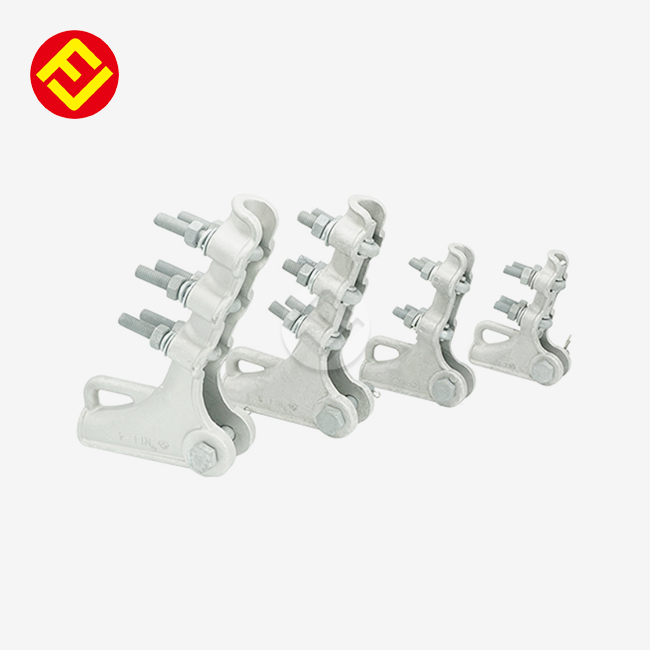
When vertical transportation methods don't work, terrible things can happen. Cast steel elevator guide rail clamps act as silent guards, holding the guide rails firmly in place on the shaft brackets during emergency stops and rapid accelerations. These carefully planned parts, made from top-notch materials like ASTM A216 WCB, give elevator cars the strength they need to move safely from floor to floor. These clamps are much stronger than alternatives that break easily, but they are also flexible enough to handle dynamic loads and vibrations. This makes them an essential part of modern elevator safety systems in apartment buildings, business buildings, and industrial facilities.

Specifications |
||
| Product Specification | Nominal Thread (M) | Nominal Length(mm) |
| 3K | 3 | 12-40 |
| 13K | 13 | 12-40 |
| 18K | 18 | 16-50 |
| 24K | 24 | 16-50 |
| K (12-40 Screw/Flat/Washer) Complete Set | 3(12-40 Screw) | [12-40 Screw) |
| 3K (12-40 Screw/Flat/Washer) Complete Set | 13(12-40 Screw) | [12-40 Screw) |
| 8K (12-40 Screw/Flat/Washer) Complete Set | 18(16-50 Screw) | (16-50 Screw) |
| 4K (12-40 Screw/Flat/Washer) Complete Set | 24(16-50 Screw) | (16-50 Screw) |
Understanding Cast Steel Elevator Guide Rail Clamps
What Makes Cast Steel the Preferred Material Choice?
The types of materials used to make cast steel elevator guide rail clamps have a direct effect on how safe they are. Cast steel has a unique mix of qualities that neither stamped sheet metal nor cast iron can match. These parts can handle the huge forces that are created when safety gear engages during emergency stops because their tensile strength is over 450 MPa and their yield strength is over 250 MPa. The managed hardness range of 140 to 190 HB makes sure that the grip is strong without hurting the cut rail surface.
The bending qualities of cast steel—which are usually greater than 20%—make it very flexible and keep it from breaking suddenly when it's hit with shock loads. In earthquake zones, where buildings move and stress patterns change quickly, this trait is very important. The material is very easy to weld, which also makes it easier to attach brackets securely when installation conditions require unique solutions.
Core Design Features Optimized for Safety
These days, cast steel elevator guide rail clamps have strengthened rib designs that make the best use of weight and strength. These geometric improvements spread loads evenly across touch areas, stopping stress concentration places that could lead to cracks. Precision casting lets you make parts with inside shapes that are too complicated to make by forging or milling alone.
At FLA Industrial & Trading Co., Ltd., we use modern investment casting and sand casting methods to make sure that our Products" target="_blank" style="color:blue" >products are accurate to within ISO 7465 standards. CNC machining is used on each clamp to make sure that the jaw profile stays in full touch with T-profile rails in T75, T89, T127, and T140 designs. This accuracy stops point-loading stress spikes that speed up component wear.
Material Grades and Load Specifications
It is important for procurement managers who are looking at clamp specs to know how material grade affects performance. Our clamps, which are made from cast steel of grade ZG230–450, work well in a wide range of situations. The name means that the material must have a minimum tensile strength of 450 MPa while still being flexible enough to absorb shock.
Different clamp types can hold different amounts of weight. Our range goes from 8K to 24K specifications, so it can fit everything from small home lifts to large commercial freight systems that can handle Class C loads. To match specifications correctly, you have to figure out dynamic loads like the car's weight, the number of passengers it can hold, balance forces, and the safety factor gaps required by EN 81 standards.
Installation and Maintenance Best Practices
Pre-Installation Inspection Protocol
Before putting any cast steel elevator guide rail clamps in place, site managers should check a number of important factors. Make sure that the rail shapes and clamp specs match. Putting together parts that don't work together properly can weaken the structure. Check that all the fixing surfaces are clean and get rid of any paint overspray, oil residue, or concrete dust that might get in the way of the screws fitting properly.
Use accurate measure tools to check the position of the cast steel elevator guide rail clamps brackets. When bolts aren't lined up right, they put uneven loads on clamps, which speeds up wear and causes shaking problems. Check to see if the shaft wall bolts meet the load-bearing standards set by the building code. For legal compliance, you should write down these pre-installation checks as part of your quality assurance records.
Secure Fitting Techniques and Tooling
For proper fitting, calibrated torque wrenches are needed to get the bolt tightness that the maker specifies. When bolts are not torqued properly, they can move and rust, and when they are torqued too much, the threads could strip or the clamp could bend. Our full assembly sets come with bolts (grade 8.8 or higher), flat washers, and lock washers that are all designed to work together as a single unit.
Place the clamps so that the loads are spread out evenly across the rail joint. There should be no gaps or edge loads in the jaw shape; it should touch the whole width of the rail. Put spacers between rails where heat expansion concerns mean that they need to be able to move vertically but not laterally. This sliding-type arrangement is very useful in big buildings where the temperature changes a lot.
Maintenance Schedules and Corrosion Prevention
How often elevators are inspected depends on how often they are used and the weather. Commercial setups that get a lot of use should be checked every three months, while household systems may only need to be checked every six months. When you inspect something, look for surface rust, loose bolts, strange wear patterns, and any signs that a crack is starting to form.
Hot-dip galvanized finishes are better at resisting rust; ASTM B117 standards say they usually last more than 700 hours of salt spray tests. This safety is very important in humid shafts or sites near the coast. Different types of painted finishes need to be inspected and fixed more often. Keep track of all the results of inspections and repair tasks so that you can see patterns in performance and guess how long a part will last.
Compliance with International Safety Standards
Before they can be installed, elevator parts must pass strict safety tests. Our goods are certified to meet the safety standards set by the European Union (EN81) and ISO9001, which are used by many places around the world. These certifications make sure that the quality of the manufacturing process stays high and that the end goods meet certain performance standards.
People who work in procurement should always ask for certificates of materials and results on non-destructive tests. Magnetic particle screening can find tiny cracks on the surface that can't be seen with the naked eye. X-rays or ultrasounds show internal porosity or shrinkage gaps that could grow and cause fatal fails. Reliable providers give you these high-quality papers as normal, not as extras that you can choose to get.

Comparison and Selection Guidelines for Elevator Guide Rail Clamps
Cast Steel Versus Alternative Materials
Knowing the pros and cons of different materials helps buyers make smart choices that fit their needs and their budget. Cast iron clamps are cheaper at first, but they can't handle impacts well enough for high-speed lifts or earthquake uses. Because they are flimsy, they are more likely to break under shock loads that cast steel can handle by stretching.
Stainless steel is better at resisting corrosion in harsh settings, like chemical plants or marine systems. However, because the material is much more expensive and needs to be machined in a more complicated way, it is not economically viable for normal uses where properly treated cast steel works well. Forged steel parts are very strong, but they can't be designed as easily or as cheaply as casting methods can, especially for shapes that aren't simple.
Selecting Clamps Based on Operational Parameters
The right cast steel elevator guide rail clamps specs are based on the elevator's weight and speed. Ultra-high-speed passenger elevators in skyscrapers that go faster than 4 m/s need different load rates than light domestic systems that move at 1 m/s. When systems are at high speeds, they create more aerodynamic buffeting and rail resonance, which needs better damping qualities that come from the mass and material properties of cast steel.
The environment also affects the choice of material. Outdoor observation lifts are exposed to high temperatures and water, so they need to be hot-dip galvanized to protect them. The problems with rust are similar in underground parking lifts. Indoor climate-controlled systems may work fine with painting finishes as long as they are inspected and touched up on a regular basis as part of the care plan.
OEM Components Versus Aftermarket Options
Original equipment maker parts are guaranteed to work with other parts and usually come with a full warranty. But high prices and long wait times can make project budgets and plans less flexible. When buyers check the material certifications and the correctness of the measurements, aftermarket providers that offer ISO-certified options are a cost-effective option.
Total lifetime costs, not just the original buy amount, should be used in the risk-benefit analysis. When cast steel elevator guide rail clamps aren't up to par and need to be replaced too soon, they cause safety risks, problems with following the rules, and costly emergency fixes. At FLA Industrial & Trading Co., Ltd., we keep a large stock of standard specs and can quickly make custom products for non-standard needs. This way, we can give the dependability of OEM quality along with the responsiveness of the aftermarket.
Procurement Strategies for Global B2B Buyers
Identifying Reputable Manufacturers and Exporters
Qualifying suppliers is the first step in a good buying process. Look for makers with a lot of experience in the field. For example, our nearly 40 years of experience making hardware shows that we have the knowledge we need to regularly deliver quality parts. When orders get bigger, production capacity matters. Facilities that keep a lot of inventory can fill regular orders right away while still being able to do special work.
Geographic factors weigh the costs of shipping against the supply of goods in the area. When buying in bulk, direct ties with manufacturers often offer better prices than multi-tier distribution chains. But well-known area dealers can get replacement parts to you faster and make handling easier for smaller orders.
Price Benchmarking and Lead Time Management
Clear prices should take into account types of materials, desired finishes, certification needs, and order amounts. Usually, prices that are too low don't mean the products are good or that quality control isn't good enough. Ask for detailed quotes that list these factors so that you can compare sellers accurately.
Expected lead times are very different for normal catalog items and custom setups. We keep more than 2,000 tons of standard cast steel elevator guide rail clamps in stock so they can be shipped right away. Our specialized engineering skills allow us to make unique parts in 7 to 15 days, which is a lot faster than the usual time frames in the industry. This response helps builders stick to their plans and building managers keep elevator downtime to a minimum during retrofit projects.
Customization Capabilities and Technical Support
Sometimes, complex building plans or non-standard elevator layouts need different clamp shapes. Manufacturers that give in-house technical help, 3D models, and fast prototyping add a lot of value above and beyond just supplying parts. Our expert team helps with design advice, checking measurements, and load studies to make sure that the best parts are chosen for each application.
Full help is given for cast steel elevator guide rail clamps throughout the whole buying process. When you ask us a technical question, we answer within 24 to 48 hours with thorough drawings and specifications that help you plan your job correctly. This quickness comes in handy when project workers are working under tight deadlines or need to answer questions about compatibility during the installation phase.
Case Studies and Real-World Applications
Enhanced Safety in High-Rise Commercial Installation
Our T89 cast steel elevator guide rail clamps were chosen for the 45-story elevator system of a big city office building project. The engineering team chose our hot-dip galvanizing parts after looking at load estimates that showed peak dynamic forces during safety gear engagement were more than 12 kN per clamp position. Vibration tracking after installation showed that our precision-engineered clamps kept the rails aligned within 0.5 mm, even when they were running at 5.0 m/s.
We added a lot of value to the project by delivering 800 clamp units in the short amount of time allowed for building. Our ready supplies and efficient arrangements kept us from having to deal with costly delays that would have pushed back the building's planned occupancy date. Even though the building is near the coast, regular maintenance checks done three years after installation show little to no wear and no rust development.
Cost Savings Through Preventive Maintenance
An industrial building with heavy-duty freight lifts had problems with the positioning of the guide rails that kept happening, which meant that service had to be interrupted often. An investigation showed that the original cast iron clamps had microcracks from being loaded and unloaded by forklifts over and over again. The building changed all of the clamps with our 18K cast steel elevator guide rail clamps, which are rated for Class C stress conditions.
The change got rid of unplanned downtime, which saved the center about 40 hours of lost work each year. In addition to improving operations right away, the longer-lasting clamps shortened the time between big checks from once a year to every two years. This lower frequency of upkeep more than made up for the higher cost of the original parts within the first year of use.
Solving Corrosion Challenges in Humid Environments
Within five years of being built, a private high-rise in a tropical climate had premature clamp rust that made the structure less stable. The original parts didn't have enough surface protection for the shaft's high humidity. As an alternative, we chose cast steel elevator guide rail clamps that had been hot-dip galvanized to get a layer that was at least 85 microns thick.
Later checks over the next seven years showed that the rust had not progressed much. For proper grounding, the zinc layer kept the base metal from getting wet while still letting electricity flow through it. This case shows how choosing the right surface treatment has a direct effect on the lifecycle of a component and the cost of building upkeep.

Conclusion
Elevator safety depends on the structural stability of guide rail systems, which makes choosing the right parts a very important procurement choice. Cast steel elevator guide rail clamps are strong, flexible, and reliable enough to be used in home, business, and industry settings. These parts will last for decades if they are made from the right materials, installed by professionals, and kept in good shape. Global buyers gain from working with experienced makers who offer technical know-how, quality certifications, and quick customer service throughout the entire procurement process. Buying approved clamps that meet the right specifications saves both the safety of passengers and the long-term profitability of the business.
FAQ
How often should guide rail clamps be inspected?
How often an elevator is inspected relies on how often it is used and the weather outside. Commercial systems that get a lot of traffic should be checked by trained experts every three months. Most residential systems need to be inspected every six months. Every installation should be thoroughly checked once a year, and any changes in clamp condition, bolt torque, or rust should be recorded. Keep accurate records so that you can set baselines for success and spot trends of decline that need to be fixed.
Are cast steel clamps compatible across different elevator brands?
Cast steel elevator guide rail clamps need to fit certain rail shapes, not just any elevator maker. Standardized rail shapes like T75, T89, and T127 can use clamps that work with them, no matter what car maker made them. Check the measurements, like the rail's width, the flange's thickness, and the design of the fixing holes. Some private systems use non-standard profiles that need parts made by a certain maker. Always make sure it works before you order.
What safety standards should people looking to buy check?
Suppliers you can trust will give you ISO9001 quality control certification, which shows that their manufacturing methods are consistent. EN81 compliance proves that European safety standards for elevators are being followed, which are known all over the world. Ask for material certificates that prove the steel grade and non-destructive testing results that prove the internal health. These approvals protect buyers from the risk that comes with using parts that don't meet standards.
Partner with a Trusted Cast Steel Elevator Guide Rail Clamps Supplier
Choosing the right source for cast steel elevator guide rail clamps affects the success of the project, the need to follow safety rules, and the cost of upkeep over time. Every part FLA Industrial & Trading Co., Ltd. makes is the result of nearly 40 years of experience making high-quality parts. Our production sites are ISO9001-certified and follow strict quality standards. We also offer reasonable prices that respect your budget. We offer solutions that are suited to your needs, whether you need 50 pieces or 5,000 units. We keep over 1,000 product specs in stock and can make custom products quickly. Email our experienced team at sales@flaindustrial.com to talk about the needs of your project, get technical specs, or get full quotes. We get back to you within 24 to 48 hours with the information you need to make smart choices about buying.
References
American Society of Mechanical Engineers. ASME A17.1/CSA B44: Safety Code for Elevators and Escalators. New York: ASME Standards, 2019.
International Organization for Standardization. ISO 7465: Passenger Lifts and Service Lifts - Guide Rails. Geneva: ISO Technical Committee, 2021.
European Committee for Standardization. EN 81-20: Safety Rules for the Construction and Installation of Lifts. Brussels: CEN Publications, 2020.
National Association of Elevator Contractors. Elevator Maintenance Manual: Structural Components and Safety Systems. Conyers: NAEC Educational Programs, 2018.
Strakosch, George R. and Robert S. Caporale. The Vertical Transportation Handbook, Fourth Edition. Hoboken: John Wiley & Sons, 2010.
Zhu, Changming and Liu Xiaoming. Modern Elevator Engineering: Design, Manufacturing and Installation. Beijing: China Machine Press, 2017.