Heavy-Duty American F-Clamp: Essential Tool for Woodworking & Metal Fabrication
2026-07-15 10:34:17


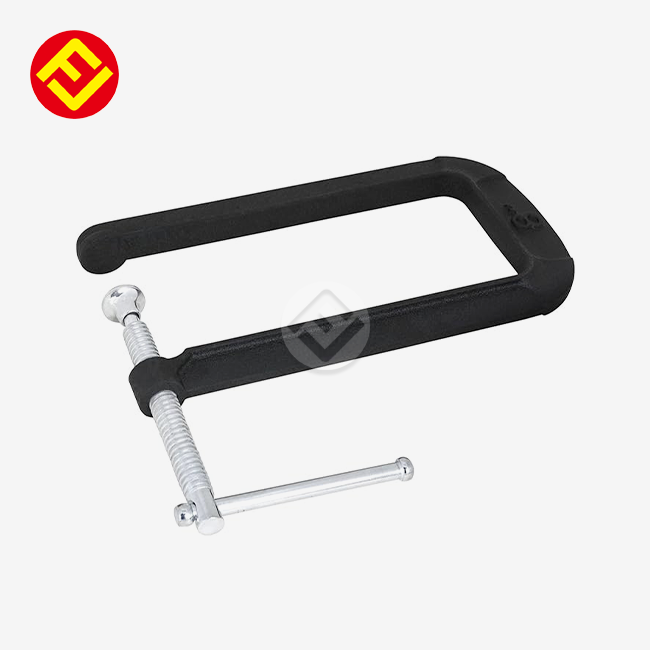
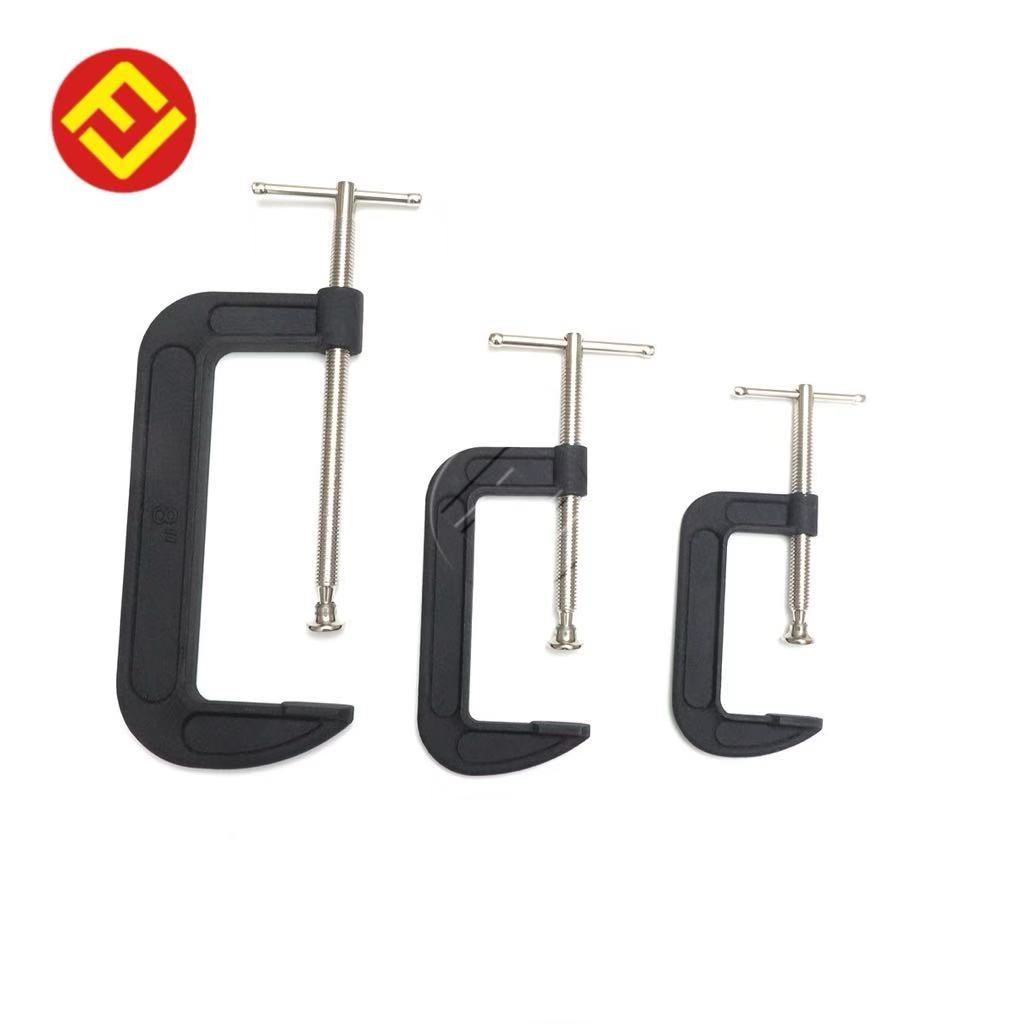
The F-Clamps/heavy-duty-american-f-clamp">heavy-duty American f-clamp is an essential tool for workers in metal production shops and woodworking shops who need to hold things securely. This industrial-grade clamping tool is made of cast iron that can be shaped and precision-engineered steel tracks and screw rods. It is very strong and can be used for tough tasks like installing cabinets and welding. Unlike regular light-duty clamps, these strong clamps can hold more than 600 pounds without deforming. This makes them essential for contractors, furniture makers, and hardware distributors who value long-lasting and consistent performance across all of their operations.


Specification |
|||
| Model | Overall Length(mm) | Shearing Capacity(mm) | Standard |
| 6 Inch | 150 | Ordinary | American Style |
| 10 Inch | 250 | Ordinary | American Style |
| 12 Inch | 300 | Ordinary | American Style |
| 18 Inch | 450 | Ordinary | American Style |
| 24 Inch | 600 | Ordinary | American Style |
| 30 Inch | 750 | Ordinary | American Style |
| 36 Inch | 900 | Ordinary | American Style |
Understanding Heavy-Duty American F-Clamps
What Defines a Heavy-Duty F-Clamp?
Professional-grade f-clamps are different because they are made of better materials and are more precisely engineered. The basic structure is made up of cast iron jaws that can be shaped and medium-carbon steel tracks, usually 1045 grade steel, which doesn't break under heavy pressure. This design fixes some of the biggest problems with lighter tools, like jaw racking during high-torque tasks, bar bowing that damages the structure of flat panels, and sliding arm slips during tasks with a lot of shaking. The serrated rail design—which usually has six serrations per inch—works with a strengthened steel clutch plate to stop the rear from sliding, which is very useful for plant managers who are in charge of long production cycles.
Material Selection and Manufacturing Standards
For the fixed and moving jaws, the manufacturing process starts with making malleable iron, which has a high strength-to-weight ratio and is resistant to impact. Forging and grinding are used to get the steel rail to the exact dimensions needed for the screw to work smoothly. To improve working efficiency, ACME threaded screws allow fast force transfer without binding. This helps building site managers who can't afford equipment delays. FLA Industrial & Trading Co., Ltd. follows ISO9001 approval standards during production, making sure that every part meets strict requirements before it is put together. The two finish choices—painted for workshops inside or zinc-plated for resistance to rust in damp places—make the tools last longer in a wider range of industrial settings.
Selecting Appropriate Clamp Size and Capacity
Throat depth and opening ability are important features to consider when buying something. Standard throat depths are between 2.5 and 5 inches, and opening sizes run from 6 inches to over 60 inches, based on the type. Hardware wholesalers who buy to resell should know what their customers want. For example, cabinet installers need 12 to 24-inch models for regular work, while furniture factories need 30 to 36-inch models for gluing up big panels. The clamping force, which is defined in pounds of pressure, should match the strength of the material and the complexity of the joint. When using hardwood laminations in woodworking projects, stronger clamping forces are needed than when using softwood frames. Production engineers need to make this clear when planning purchases.
Comparing Heavy-Duty American F-Clamps with Other Clamping Solutions
Performance Metrics Across Clamp Types
There are different locking devices that are used for different tasks. C-clamps have small shapes that work well in tight areas, but they don't have the throat depth needed for cabinet assembly. Bar clamps let you reach farther, but the bars often bend when they're loaded with more than 400 pounds. Pipe Clamps are cost-effective because they can be used with different lengths of pipe, but they don't offer precise alignment like set jaws made of flexible iron. Quick-release systems value speed over long-term pressure, so they can't be used for welding fixtures that need to stay in place even when the metal expands due to heat. The heavy-duty American f-clamp strikes a balance between these factors by allowing for customizable depth, strong clamping force, and structural stiffness that keeps the squareness of the piece even after long glue curing times.
Brand Considerations for B2B Procurement
Different value ideas are emphasized by the top heavy-duty American f-clamp clamping tool makers. Purchasing managers who care about the dependability of the supply chain will be interested in Irwin tools because they have a long history and are widely available through delivery networks. German engineering precision and tighter manufacturing tolerances make Bessey goods appealing to woodworking shops, where physical accuracy has a direct effect on the quality of the final product. DeWalt and Milwaukee have built their f-clamps into larger communities of cordless tools. This makes it easier for workers to buy things when they only have one brand in stock. Stanley's Products" target="_blank" style="color:blue" >products are a good mix of low cost and good performance for general building uses. When procurement heads look at suppliers, they shouldn't just look at unit specifications; they should also look at warranty terms, the availability of replacement parts, and the ability to handle large orders. This is where well-known companies like FLA Industrial have a competitive edge thanks to their nearly 40 years of experience in the market.

How to Use and Maintain Heavy-Duty American F-Clamps for Optimal Performance?
Proper Setup and Operational Protocols
Correctly placing the clamps is the first step to getting the most out of them. Place the fixed jaw against the surface of the stationary workpiece. Make sure that the jaw face is fully in touch with the surface to evenly spread the pressure. Move the moveable jaw along the steel rail until it touches the other surface. Slowly turn on the screw mechanism. A common mistake is over-tightening, which can deform soft materials or cause stress cracks in rigid alloys. When electrical engineers work with insulated parts, they need to make sure that pressing pressure doesn't damage the protective layers. Place clamps so that the screw threads don't come into direct contact with the flame when you're welding metal pieces together. Thermal expansion can break the mechanism.
Routine Maintenance Requirements
Maintenance schedules have a direct effect on how long tools last and how consistently they work. Use a wire brush and liquid cleaner to clean the rail serrations after every work session to get rid of sawdust, metal filings, and cement leftovers. Debris builds up and stops the clutch plate from engaging properly, which leads to sliding problems that maintenance bosses say cause tools to break down too soon. Once a month, wipe off the extra light machine oil that you put on screw threads to keep dust from becoming a problem. Check the connection points for the swivel pad every three months. In industrial settings, crimped ball-joint designs work better than snap-on versions because they hold on better when loading angles aren't straight. As per ISO quality control standards, worn clutch plates should be replaced when static load testing shows pressure loss of more than 5% after 24 hours of holding.
Troubleshooting Common Issues
Slippage under maximum load is usually caused by worn serrations or dirty rail surfaces, not by problems with the design itself. Most grip problems can be fixed by following cleaning procedures instead of replacing the broken parts. Permanent bar bending means that the load is higher than the yield strength. This usually happens when breaker bars or extension pipes are used on the screw handle. These kinds of actions void maker guarantees and make it harder to keep things straight, which is necessary for precise woodworking. Thread binding during adjustment points, not enough lubrication, or cross-threading during rapid setup can all be fixed by making sure providers provide proper maintenance plans and operator training programs.
Procurement Guide for Heavy-Duty American F-Clamps
Sourcing Channels and Supplier Evaluation
There are several ways for business-to-business buyers to get industrial fixing tools, and each has its own benefits. When it comes to big sales, direct maker relationships offer the best unit costs. This is especially true when setting up OEM partnerships for private-label needs. Industrial distribution platforms allow for centralized purchasing across a wide range of tool categories. This makes the buying process easier for site workers who are in charge of keeping track of a variety of equipment inventories. Suppliers that specialize in woodworking choose products that meet the exacting standards that furniture factories need. When purchasing managers look at possible suppliers, they should check the paperwork for material certifications, output capacity, and quality control testing methods. Asking for sample units to test their performance in-house keeps you from having to buy expensive bulks of tools that don't work right.
International Logistics Considerations
When you use global sources for heavy-duty American f-clamp, shipping times and customs rules change, which can affect the schedule for your project. When shipped from Asia, containers usually take 30 to 45 days to get to the West Coast of the United States and up to 60 days to get to the East Coast. Air freight cuts down on travel time but greatly raises the cost per unit, which is only worth it for urgent substitute orders. When shipping things by sea, zinc-plated finishes are better because they can handle the humidity better than painted ones. To speed up customs processing, make sure that sellers give you the right HS code classification and material safety data sheets. Established manufacturers with decades of international experience are better able to handle these challenges than younger companies that are just entering the market, which makes things easier for buying teams.
Custom Manufacturing and OEM Opportunities
Custom manufacturing partnerships help businesses that need clamps that are made just for them. Changes to the throat levels allow for different workpiece shapes, and special finish mixtures protect against certain weather conditions. OEM agreements let hardware distributors sell different goods under their own names, which gives them an edge in local markets. Tool wholesalers who sell to professional builders can use custom engraving and packing to help with their brand recognition projects. For these kinds of agreements to work, both sides must agree on clear specifications, ways to approve prototypes, and standards for quality that are acceptable. When it comes to design freedom, manufacturers who can do everything themselves—from casting and forging to final assembly—are better than those who have to rely on outside parts.
Why Choose FLA Industrial's Heavy-Duty American F-Clamps?
Superior Manufacturing Standards
FLA Industrial & Trading Co., Ltd. has been making clamping tools for almost forty years and is very good at what they do. Before going into production lines, our malleable cast iron goes through a strict material check. This makes sure that only approved alloys that meet the mechanical property requirements make it to the casting step. As steel rails are forged, they go through rounds of thermal treatment that make the grain structure more regular. This leads to better fatigue protection under cyclic loads. Precision machining keeps limits for thread pitch consistency within 0.002 inches, which gets rid of the binding problems that come with cheaper options. By being very careful when making things, these clamps always work well in harsh conditions like welding shops, building sites, and furniture companies.
Through recorded checkpoints, our ISO9001-certified quality control system keeps an eye on every step of the production process. Static load testing shows that every clamp can hold its maximum pressure for 24 hours with less than 2% creep, which is better than the norm in the business. Bar displacement analysis shows that the elastic return to zero after the maximum number of load cycles. This means that the tool's dimensions will stay stable throughout its service life. Testing the hardness of the clutch plate confirms that the Rockwell values are right for engaging serrated rails without premature wear or brittle breakage. These verification methods give project engineers the performance guarantee they need when choosing tools for important tasks.
Proven Industry Performance
When oak is laminated, our clamps help keep the joints straight, which is better than other clamps that use hydraulic glue pressure, which can cause lesser tools to bow. Metal manufacturing shops say that setup time is shorter because screws work smoothly and hold strong during tack welding processes. Contractors who install cabinets like the ergonomic design of the handles because they keep operators from getting tired after long periods of use, which directly affects labor output measures. These real-world results come from making design improvements based on feedback from customers and application engineering knowledge gained from thousands of installations around the world.
Our dedication goes beyond delivering products by offering full support services. Technical help makes it easier for procurement teams to match clamp specs to application needs. This keeps tools from not being able to meet practical needs, which can be expensive. Shipping plans that are flexible can handle both large container orders for sellers and smaller restocking amounts for individual workshops. Warranty programs protect buyers' investments and encourage good maintenance habits by giving more coverage for care methods that have been written down. This all-around approach to customer partnerships has won FLA Industrial the trust of both Fortune Global 500 partners and local companies. This has made FLA Industrial a reliable source for clamping solutions in North America, Europe, and Australia.

Conclusion
The heavy-duty American f-clamp is still an important tool for professionals who work with wood and metal and need to hold things securely. Industrial-grade models are different from market models because they are made with better materials, are more precisely engineered, and go through strict quality control. Choosing the right throat depth and locking capacity for the job guarantees the best performance, and following the care instructions will keep it working for a long time. When purchasing these tools, procurement professionals should look at the manufacturer's making skills, quality certifications, and support services, in addition to the unit specs. The all-around method FLA Industrial takes when making clamping tools gives hardware stores, building companies, and factories the dependability and consistent performance they need for their work.
FAQ
What clamping force should I specify for hardwood furniture assembly?
Glue-ups on hardwood usually need between 600 and 800 pounds of tightening force to get the joint to squeeze properly without deforming the wood. Heavy-duty American f-clamps can handle these forces because they are made of pliable iron. Lighter clamps, on the other hand, may have bars that bend, which lowers the quality of the seam. Check that the clamps you choose have a fixed load capacity listed. Also, don't go over these limits with mechanical advantage tools that can bend the bar permanently.
Can these clamps withstand welding environment temperatures?
Unlike plastic-bodied quick-release clamps, the steel and pliable iron design can handle the heat that comes from welding. To protect ACME threads from direct weld sparks, place clamps in the right place. Molten metal layers can stop the adjustment mechanism from working. Copper-coated screw types offer better protection in areas with a lot of dust, but standard zinc-plated models work fine as long as they are properly placed and cleaned after use.
How do I prevent clutch plate slippage during high-pressure operations?
Most of the time, dirty rail serrations cause slippage, not a broken clutch plate. Clean the steel rail with solvent and a wire brush to get rid of oil, sawdust, and cement dust that are getting in the way of proper contact. If the slippage doesn't go away after cleaning the clutch plate well, check for wear—rounded sides mean it needs to be replaced. When used correctly, high-quality clamps have hardened steel clutch plates that keep their grip for thousands of gripping rounds.
Partner with a Trusted Heavy-Duty American F-Clamp Manufacturer
Woodworking shops, manufacturing facilities, and building sites all get more done when they have reliable clamping options. FLA Industrial & Trading Co., Ltd. makes heavy-duty American f-clamps that meet strict industry standards by combining decades of experience in manufacturing with strict quality control. Our wide range of products, with sizes ranging from 6 to 36 inches, is used by hardware stores, builders, and factories in North America and other countries. The two finish choices and production standards that are ISO9001-certified make sure that the product works the same way in all kinds of environments. Email our team at sales@flaindustrial.com to talk about your particular application needs, get technical specs, or look into choices for buying in bulk. As an established heavy-duty American f-clamp seller with relationships in many different industries, we can give your business the quality products and excellent customer service it needs.
References
Anderson, M. (2021). Industrial Clamping Systems: Design and Application in Modern Manufacturing. Technical Publishing House.
Carpenter's Union Training Institute. (2020). Woodworking Tool Selection and Maintenance Protocols. Professional Development Series.
Jenkins, R. & Williams, T. (2019). Metallurgy of Hand Tools: Material Science Applications in Durable Equipment. Engineering Press International.
National Association of Manufacturers. (2022). Quality Standards for Industrial Hand Tools and Clamping Devices. Industry Standards Publication.
Peterson, L. (2020). Metal Fabrication Best Practices: Fixturing and Workholding Solutions. Industrial Technology Review.
Woodworking Industry Association. (2021). Comparative Analysis of Clamping Force Requirements in Furniture Manufacturing. Technical Research Report.