How Do Coupling Grooved Designs Improve Pipeline Installation Efficiency and Joint Performance?
2026-07-27 14:56:36


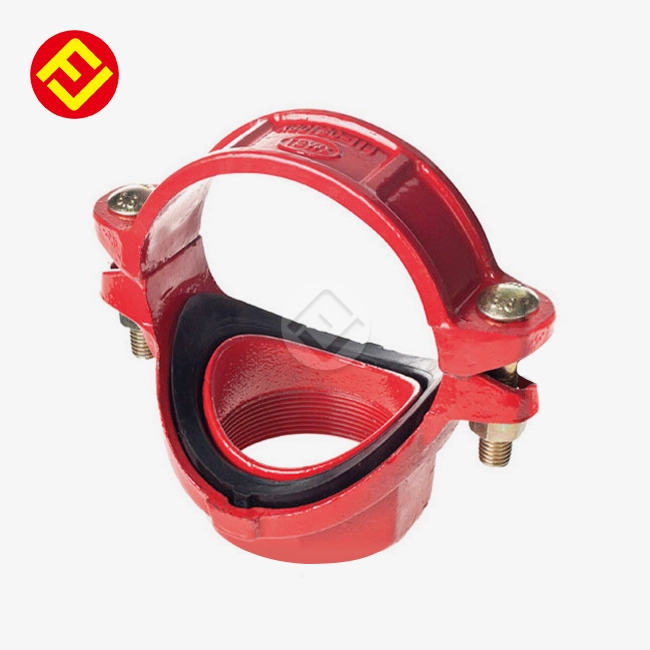
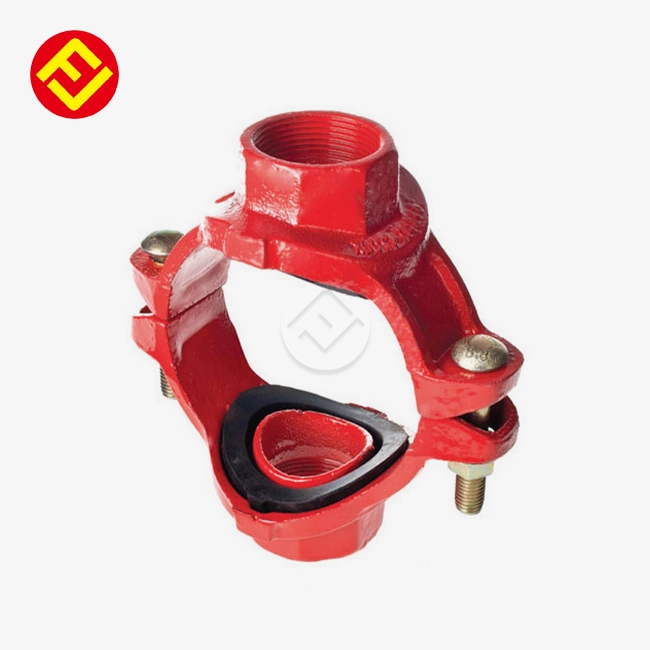
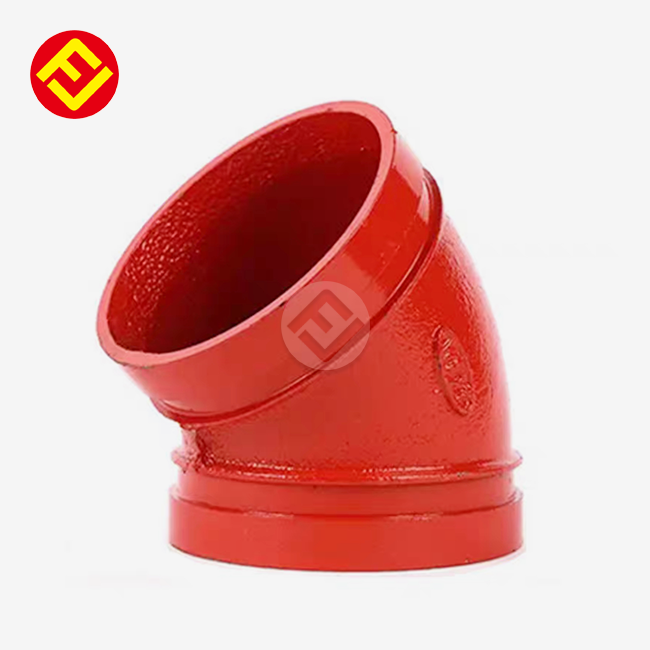
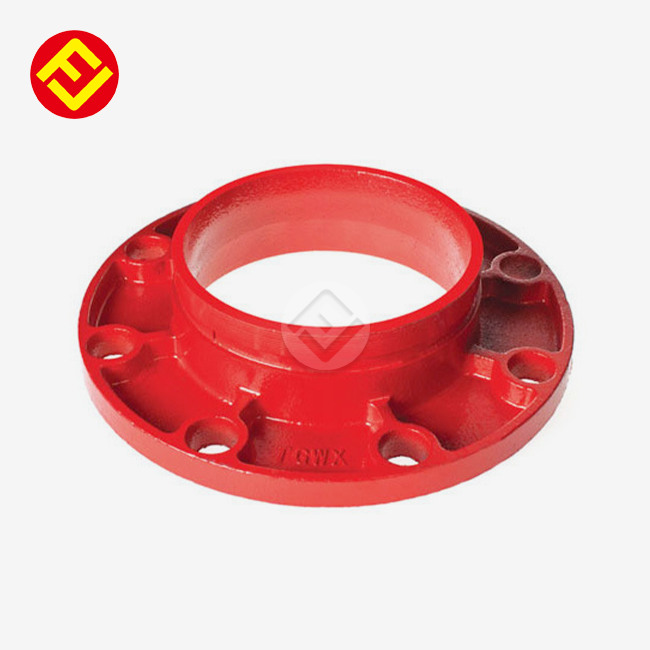
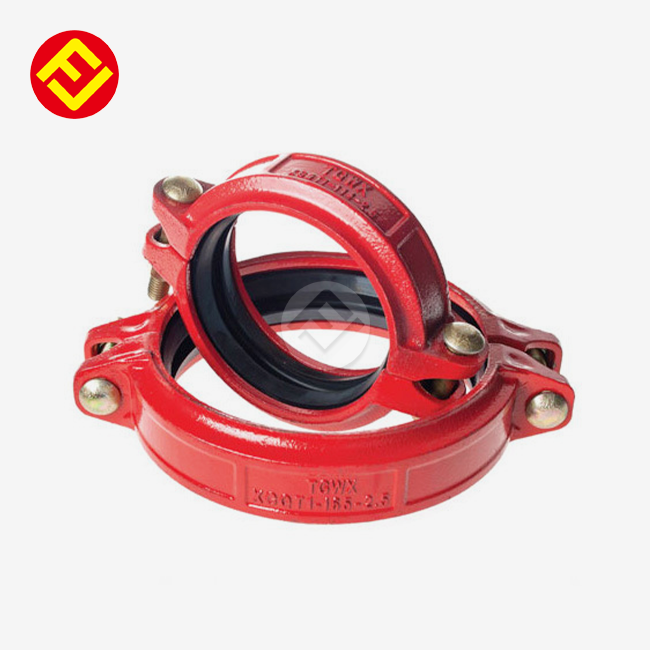
Coupling grooved designs revolutionize pipeline installation by eliminating traditional welding requirements and reducing labor intensity by up to 50%. These mechanical joining systems use a roll-formed or cut groove on pipe ends that engage with ductile iron housings and pressure-responsive gaskets, creating secure, leak-tight seals in minutes rather than hours. The technology addresses critical industry challenges: it removes fire hazards associated with hot works, accommodates thermal expansion and seismic movement through inherent flexibility, and enables rapid system modifications without destructive cutting. This makes grooved pipe connections the preferred choice for fire protection, HVAC, and industrial fluid systems where speed, safety, and reliability determine project success.


Specifications |
||||
| Specification | Size (inch) | L(mm) | H(mm) | Diameter (mm) |
| 1 | 33 | 98 | 42 | 54 |
| 1/2 | 48 | 114 | 43 | 69 |
| 2 | 60 | 127 | 43 | 82 |
| 2/2 | 76 | 145 | 44 | 99 |
| 3 | 89 | 159 | 44 | 112 |
| 4 | 108 | 186 | 47 | 133 |
| 4 | 114 | 192 | 47 | 140 |
| 5 | 133 | 214 | 48 | 161 |
| 5 | 140 | 221 | 48 | 167 |
| 6 | 159 | 245 | 49.5 | 189 |
| 6 | 165 | 251 | 49.5 | 195 |
| 6 | 168 | 254 | 49.5 | 198 |
| 8 | 219 | 324 | 59 | 254 |
| 10 | 273-1.6 | 416 | 61 | 316 |
| 10 | 273-2.5 | 416 | 62 | 317 |
| 12 | 325-1.6 | 467 | 61 | 370 |
| 12 | 325-2.5 | 469 | 62 | 372 |
Understanding Grooved Coupling Designs and Their Key Features
Modern grooved coupling systems are a big step forward in the engineering of mechanical pipe joining. Our Coupling Grooved Products" target="_blank" style="color:blue" >products at FLA Industrial & Trading are made up of carefully engineered parts that fit together to make strong, long-lasting connections in a wide range of industrial settings.
Core Components of Grooved Coupling Systems
There are three important parts that make up a grooved connection that all work together. ASTM A536 Grade 65-45-12 ductile iron is used to make the housing pieces, which have a minimum tensile strength of 65,000 psi. These housings have track-head bolts that fit into the groove around the outside of pipe ends that have already been prepared. This is the most important part of the seal: the rubber gasket. It has a pressure-responsive C-shaped design that makes the seal stronger instead of weaker. As required by ANSI/AWWA C606 standards, our manufacturing process includes casting, precise machining, and careful surface treatment to make sure that the dimensions are accurate.
Material Selection and Performance Characteristics
Material choices have a direct effect on how long a system lasts and how reliably it works. We can make Coupling Grooved options out of both malleable iron and carbon steel. Because it is more resistant to pressure, ductile iron stays strong even when the temperature changes from -30°F to +230°F. Different types of carbon steel are stronger for high-pressure uses. Surface finishes like painting, epoxy coating, or hot-dip galvanising keep things from rusting in harsh conditions. Following the steps in ASTM A153 for hot-dip galvanisation makes a strong metal bond that is better at withstanding water, chemicals, and rough conditions than simple covering methods.
Certification Standards and Compliance Requirements
To make sure the quality of grooved couplings, strict adherence to international standards is needed. Our goods have UL/FM listings, CE safety compliance marks, and ISO 9001 quality management certifications that prove they work with fire protection systems. These certificates are more than just paper documents; they are the result of thousands of hours of pressure testing, measuring, and analysing materials. Every batch is tested hydrostatically to make sure it meets pressure ratings that range from 300 PSI to 1,000 PSI, depending on the size and use. This system for certification gives purchasing managers peace of mind that goods will do what they're supposed to do in important infrastructure projects.
How Do Grooved Coupling Designs Optimize Pipeline Installation Efficiency?
Grooved coupling technology is different from traditional joining methods because it is faster to install and uses less labour. When you look at the field assembly needs for different types of connections, the practical benefits are clear right away.
Elimination of Hot Work Requirements
Traditional welded connections make projects a lot harder to do. When you weld, you need trained welders, a fire watch, dangerous fumes, and hot work permits, all of which slow down the project schedule. Grooved connection fitting, on the other hand, gets rid of all of these problems. Project engineers and site supervisors like that our systems can be installed without sparks, flames, or harmful emissions. This is especially helpful in places like occupied buildings, oil refineries, and wood processing plants where getting rid of fire risks is a must. Instead of fusion bonding, the mechanical interlock design uses a bolted assembly that can be put together quickly and easily. This lowers the cost of insurance and the work needed to meet regulations.
Quantifiable Labor and Time Savings
Studies done in the field show that installing grooved couplings is 3–5 times faster than welding and about twice as fast as installing flanged connections, and for Coupling Grooved, a typical 4-inch pipe connection that takes 45 minutes to weld (including setup, welding, cooling, and checking) only takes 10 to 12 minutes with grooved technology, and on large projects, labour costs drop significantly, allowing construction companies working on high-rise buildings or industrial facilities to allocate skilled workers to other critical tasks while the easier installation process also lowers the skill level required without compromising joint quality. With grooved technology, a normal 4-inch pipe connection that takes 45 minutes to weld (including setup, welding, cooling, and checking) only takes 10 to 12 minutes. When working on big projects, labour costs go down by a lot. Instead of committing teams to repetitive joining tasks, construction companies working on high-rise buildings or industrial facilities can use skilled workers on other important tasks. The easier installation process also lowers the level of skill needed, so more people can work on the project without lowering the quality of the joint.
Flexibility for System Modifications
Because grooved couplings are modular, they change how maintenance is done. Our grooved joints can be taken apart and put back together without using cutting tools or replacing pipes, which are needed for soldered systems. As the needs of the facility change, maintenance supervisors can rotate pipe sections to spread out wear in rough service, replace parts during short shutdown windows, or change how the system is set up. This flexibility is very useful in mining, where slurry pipes wear down unevenly, and in HVAC systems, where seasonal changes in equipment require quick piping reconfiguration. Visual inspection, which confirms correct installation through pad-to-pad housing contact, gets rid of the need to guess and speeds up quality verification.

Enhancing Joint Performance with Grooved Coupling Design Innovations
Joint stability decides how reliable a system will be after decades of use. It is the engineering innovations that go into grooved coupling designs that make them better at connecting things than other methods.
Advanced Gasket Technology and Seal Performance
The pressure-responsive gasket design is a major step forward in the field of sealing technology. Our C-shaped gaskets get tighter as the internal pressure rises, while static seals get weaker when the pressure changes. We have Nitrile gaskets (Grade T) for oil uses from -20°F to +180°F and EPDM gaskets (Grade E) for water services from -30°F to +230°F. When choosing a gasket material, chemical compatibility, temperature ranges, and how the material reacts to changes in pressure are all things that are taken into account. This smart way of closing explains why grooved couplings are better at stopping leaks than threaded connections that use tape or compound sealants or flanged joints that rely on keeping the bolt pressure up.
Accommodation of Thermal Movement and Vibration
Changes in temperature, machine vibration, and structure settlement all put constant mechanical stress on pipeline systems. When you use rigid joining methods, these pressures are directly transferred to the pipe walls. This leads to fatigue breakdowns and early system degradation. Flexible grooved couplings work as spread-out expansion joints all over the system. Within the limits of its design, the gasket can both compress and expand, taking in linear expansion and contraction without putting stress on lines nearby. This feature is very important in situations where the temperature of the chilled water changes a lot or where the pump discharge lines are hit by hydraulic shocks and mechanical vibrations. This stress reduction is appreciated by electrical engineers and maintenance supervisors who work on utility infrastructure because it increases the system's overall life expectancy.
Comparative Performance Analysis
When comparing the performance of different types of connections, grooved couplings always come out on top in a number of ways. Leak resistance tests show that grooved joints keep their seals even when the pressure changes, which breaks threaded connections. Comparing strengths show that properly placed grooved connections can withstand pull-out forces of more than 10,000 pounds on 4-inch pipes. This is about the same as welded joints, but grooved connections have the extra benefit of controlled flexibility. When lifecycle costs include installation labour, easy entry for upkeep, and the ability to change the system, the cost-benefit analysis favours grooved technology. Grooved connections are becoming the standard way to join steel pipe systems in more and more fields, from petrochemical processing to municipal water supply.
Making the Right Procurement Decisions for Grooved Couplings
Choosing the right supplier relationship and product specs is important for the success of a project. Purchasing managers and procurement engineers have to look at more than just unit prices when making decisions.
Supplier Evaluation Criteria
When it comes to grooved couplings, product reliability and customer service after the sale are strongly linked to a brand's reputation, and for Coupling Grooved, established companies consistently check product quality, invest in new products, and keep their guarantee promises, and when looking at possible sources, you should look at their making skills, such as the quality of the castings, the accuracy of the machines they use, and the surface treatment methods they use. Established companies always check the quality of their products, put money into new products, and keep their guarantee promises. When looking at possible sources, you should look at their making skills, such as the quality of the castings, the accuracy of the machines they use, and the surface treatment methods they use. Our FLA Industrial & Trading facility has high-tech casting tools and keeps 2,000 tonnes of stock on hand, so we can ship standard products right away and deliver custom products in 7–15 working days. It's also important to have good technical help. Our engineering team gives you quotes, weight confirmations, and 3D plans within 24 to 48 hours, so your projects stay on track.
Balancing Cost and Customization Options
For grooved coupling projects, volume procurement strategies need to balance a lot of different factors. Competitive pricing and reliable supply chain are made possible by wholesale purchase frameworks and relationships with original equipment manufacturers (OEMs). Even though unit costs go down as order volumes go up, product holding costs must still be taken into account when making purchases. Standard items can be shipped right away from stock, but custom-shaped parts and sizes that aren't standard need to be worked out with an expert. Our customisation skills include meeting the particular needs of each project, such as changing the length of the housing, using special sealing compounds, or choosing a different finish. Procurement leaders like that we can offer both catalogue products and engineered solutions through a single supplier relationship. This makes managing vendors easier and makes sure that all system parts work together.
Material and Specification Alignment
By matching product specs to application needs, problems in the field and poor performance can be avoided. The thickness of the pipe wall determines whether roll grooving or cut grooving is needed. Schedule 40 and Schedule 10 pipes can use roll grooving, which keeps the full wall strength, but Schedule 80 or lined pipes may need cut grooving. Which housing style to use—rigid or flexible—depends on whether the system needs to be able to move in a controlled way. The material of the gasket has to match the chemistry of the fluid, the temperature range, and the pressure levels. Our technical consultation services help plant managers and production experts make sure that specifications are met before placing an order. This lowers the chance of purchasing mistakes that cause delays in the project's finish.

Best Practices for Grooved Coupling Installation and Maintenance
If you install and take care of grooved coupling systems the right way, they will work better and last longer. By following the manufacturer's instructions, you can be sure that the engineering benefits will be seen in the field.
Installation Procedure and Quality Verification
Getting the pipe ready is the first step to installing a grooved coupling correctly. Groove sizes must be exact and meet ANSI/AWWA C606 standards. Even small changes in groove depth or width can make it impossible for the housing to connect properly. Use a non-petroleum oil that the maker recommends on gaskets before installing them. Products that are based on petroleum chemically attack EPDM gaskets and cause them to fail early. Place the seal over the ends of the pipes, making sure it stays in place without moving. Place the housing pieces in place and finger-tighten the bolts before fully tightening them. For most applications, the standard way to check for correct installation without using torque wrenches is to make sure that the housing bolt pads touch each other completely. This simplified quality check speeds up installation while still meeting standards for dependability.
Proactive Maintenance and Inspection Protocols
Regular inspections find small problems before they get worse and cause the system to fail. During regular facility walkthroughs, corrosion in the housing, gasket extrusion, or bolts coming loose from vibration can be seen. Set up thorough checks once a year or every six months, based on how often the service is needed. Make sure the bolts are tight and that the pads are still touching each other. During system shutdowns, check the state of the gaskets at points that can be reached. In demanding situations, replacing the gasket every 10 to 15 years prevents leaks that happen out of the blue. Maintenance teams like grooved coupling systems because they let them change parts without having to cut the pipe. To do this, they just need to loosen the nuts, move the housing pieces away from the joint, replace the gasket, and put the system back together. This easy access for maintenance means less downtime and lower long-term costs for running the business.
Troubleshooting Common Installation Challenges
When work teams know where problems usually come from, they can quickly fix problems in the field. Leaking joints are usually caused by not lubricating the gasket properly, installing it in the wrong way, or not tightening the bolts all the way. If housing segments won't make pad-to-pad contact, it means that the groove dimensions are wrong, the housing size was chosen incorrectly, or the gasket isn't lined up correctly. Vibration noise from installed couplings could mean that the bolt torque is too low or that hard coupling types are needed instead of flexible ones. Standardised procedure checks—using go/no-go tools to confirm groove measurements, making sure the gasket type fits the needs of the application, and making sure the right lubrication is used—eliminate most installation problems. Our technical support team helps with hard-to-solve problems and keeps projects moving forward by giving advice.
Conclusion
Coupling Grooved technology greatly enhances the efficiency of pipeline installation by allowing quick mechanical assembly that eliminates the risks of welding and lowers the amount of work that needs to be done. The pressure-responsive gasket design and flexible housing system make the joint better able to handle changes in temperature and mechanical stresses than other connection methods. For execution to go well, suppliers must be carefully chosen, specifications must be aligned, and best practices for installation must be followed. FLA Industrial & Trading is a reliable partner for hardware stores, construction companies, and industrial procurement teams because we have been making products for almost 40 years and have a wide range of products that meet over 1,000 specifications. We promise that our quality management and technical support will help your projects get the speed improvements and dependability that grooved coupling systems offer.
FAQ
What distinguishes rigid from flexible grooved couplings?
Rigid couplings have tongue-and-groove housings that tightly clamp the ends of pipes, making joints that look like welded or flanged connections but don't let the pipes move. Through gasket compression, flexible connections let you control how much they expand or contract linearly and how much they bend at an angle. When maintaining balance is very important, like with riser ties, choose rigid styles. Choose flexible types when thermal expansion, seismic activity, or shaking accommodation is important. This includes long horizontal runs and links for mechanical room equipment.
Can grooved couplings handle the same pressure as welded joints?
When installed correctly, grooved couplings can handle as much pressure as or more than welded connections in the same situations. Standard systems can handle working pressures between 300 PSI and 1,000 PSI, based on the size and weight class of the housing. The mechanical interlock and pressure-responsive gasket design make leak-tight seals that stay strong even when pressure changes, which would normally break other types of connections. UL and FM ratings prove that the grooved connection works well in fire safety systems where failure would have very bad results.
How does gasket material selection affect system performance?
How well the gasket compound works with the system fluids determines how long the seal lasts and how well it stops leaks. In a wide range of temperatures, EPDM gaskets can be used for water, air, and weak chemicals. Nitrile gaskets are used for oils, petroleum products, and hydrocarbon services. When you use gasket materials that don't work well together, they break down chemically, swell, or harden, which causes the seal to fail. Gasket grades should always be chosen based on the fluid chemical and working temperature ranges.
Partner with FLA Industrial & Trading for Superior Grooved Coupling Solutions
Pipe systems that work well in fire safety, HVAC, and industrial settings are built on high-quality grooved connection parts. As a well-known Coupling Grooved maker that has been making products for almost forty years, FLA Industrial & Trading gives procurement managers and project engineers the quality products, customisation options, and technical support they need. Before they are shipped, our ductile iron and carbon steel couplings go through strict measurements, pressure tests, and material checks to make sure they meet ISO 9001, CE, and UL/FM certification standards. Email our engineering team at sales@flaindustrial.com to talk about the details of your project and get quick quotes within 24 to 48 hours. You can also access our 2,000-ton inventory for instant delivery or custom solutions made to fit your special needs.
References
1. American Water Works Association. "ANSI/AWWA C606: Grooved and Shouldered Joints." Standards for Mechanical Pipe Coupling Systems, 2020 Edition.
2. National Fire Protection Association. "NFPA 13: Standard for the Installation of Sprinkler Systems." Fire Protection Piping Requirements and Grooved Coupling Specifications, 2022.
3. American Society for Testing and Materials. "ASTM A536: Standard Specification for Ductile Iron Castings." Material Properties and Performance Requirements for Pipe Fittings, 2019.
4. Mechanical Contractors Association of America. "Labor Productivity Studies in Commercial Piping Installation." Comparative Analysis of Joining Methods, 2021.
5. Factory Mutual Research Corporation. "FM Approval Standard 1680: Couplings Used in Systems for Fire Protection Service." Performance Testing and Certification Requirements, 2018.
6. Building Services Research and Information Association. "Technical Note: Grooved Mechanical Couplings for Building Services." Installation Best Practices and Performance Data, 2020.