How Fire Protection Valves Enhance Safety Measures?
2026-04-22 11:06:25


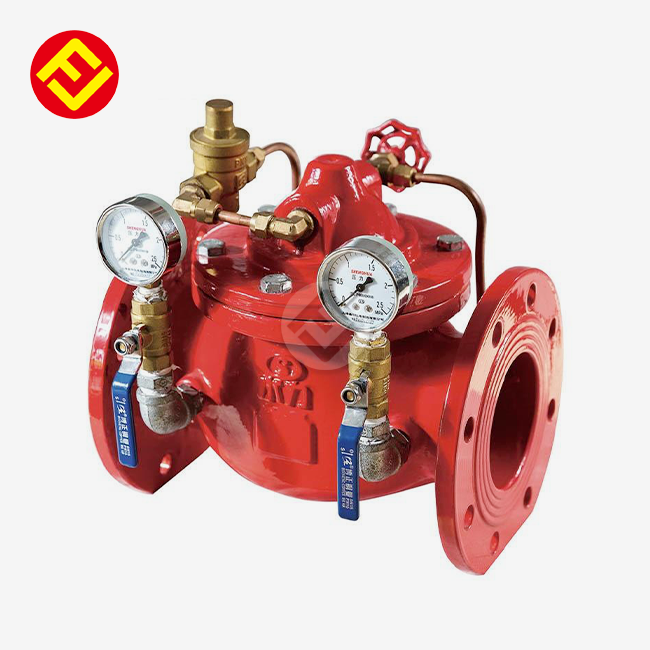
Fire protection valves make things safer by controlling the flow of water to fire hydrants and pumps in an emergency. The fire protection flanged valve stands out because it has strong, fixed links that keep leaks from happening even when the temperature and pressure are very high. These valves make it easy to quickly disconnect parts of the system for repair without lowering total safety. They are also built to last, usually from ductile iron or carbon steel, so they work reliably even after years of not being used, which is a common problem in fire safety infrastructure.
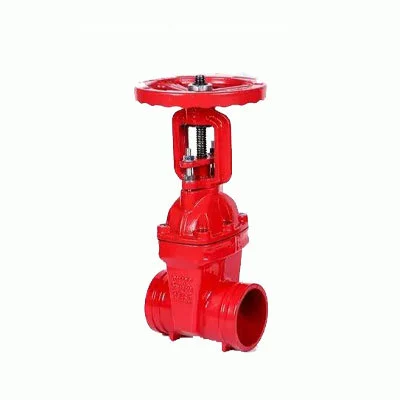
Understanding Fire Protection Flanged Valves and Their Role in Safety
Fire safety systems need parts that work perfectly when they're needed, even if they haven't been used for a long time. For this difficult job, flanged valves made for fire safety are used. They are engineered and made of materials that are specifically chosen to handle the problems that come up in emergency water supply systems.
What Makes Flanged Connections Essential for Fire Systems?
When it comes to large-diameter fire mains, flanged links are better mechanically than threaded or welded joins. The fixed flange design spreads force evenly across the joint, which can handle the water hammer effects that happen when fire pumps quickly turn on. This design also lets the system be taken apart in the field for repairs or checks without having to cut any lines. This is very useful for places that can't afford to be closed for long periods of time. Standard flange designs that meet ANSI B16.1 or EN 1092-2 make sure that different system parts work with each other. This makes it easier for workers working on complicated projects to buy and install the parts they need.
Core Valve Types and Their Specific Applications
In fire prevention networks, different valve designs meet different practical needs. Most main supply lines use gate valves with outside screw and yoke (OS&Y) designs. This is because their rising stems make it easy for emergency workers to see where the valve is located. The gate is fully surrounded by vulcanised EPDM rubber in the robust wedge design, which makes a bubble-tight seal even when dirt or rust particles are in the line, which can happen in systems that have been idle for months.
Butterfly valves are a small alternative to gate valves that can be used in places where the long body of a gate valve would be hard to install. Because they work with a quarter-turn, they can be activated more quickly, which makes them good for alarm check valve units and flood system control points. Backflow, which could damage pump impellers or lower system pressure, is stopped by check valves that are put on the lines that let the pump exit. Before getting UL or FM approval stamps, each type of valve goes through strict hydraulic shell testing at pressures up to twice the maximum working pressure, which is usually 500 PSI or higher. This is done to make sure the structure is solid.
How Valve Operation Principles Support Emergency Response
The dependability of fire safety valves depends on design features that fight the wear and tear that comes with being stored static for a long time. Stainless steel ends don't rust like carbon steel parts do when they come into touch with metals that aren't the same. Bronze seat rings have a stable closing surface that keeps its shape even when the temperature changes. Because of these technical features, valves can open all the way in seconds when wheels are turned by hand or signals are sent to motors. This lets a lot of water flow through, which is needed to charge sprinkler networks or provide standpipe connections in tall buildings.
Key Safety Features and Standards of Fire Protection Flanged Valves
Fire safety valves are very complex pieces of engineering that are the result of decades of learning from mistakes made in the field and in the lab. When buying workers know about these features, they can choose equipment that really protects instead of just meeting basic safety standards.
Critical Safety Engineering in Valve Construction
One of the most important efficiency qualities for a fire fighting valve is thermal protection. When temperatures drop to -20°C or rise to 120°C, valves that are near fire pump rooms or that are out in the open must keep their seals intact. The fusion-bonded epoxy (FBE) layer that is put on valve bodies does two things: it stops rust on the outside in hard settings and gets rid of internal tuberculation that slows flow over time. The dry film thickness of this layer is usually more than 250 microns. This was proven by holiday tests that use high-voltage tools to find tiny pinholes.
Fail-safe devices keep systems from failing in terrible ways. Built-in pressure release features in valve bodies stop situations where there is too much pressure, which could cause pipes to burst. When someone who isn't supposed to be there tries to close an OS&Y valve stem, a tamper switch on the stem sets off a warning. This lets site managers know about any possible security breaches or accidental shutdowns. These buttons are linked to building management systems, which keep track of all the times the valve positions were changed.
Navigating Global Certification Requirements
Checking whether valves are legal to put in certain places depends on whether they meet recognised standards. UL 262 approval means that valves have been through a lot of tests, such as 500-cycle endurance tests under pressure. FM Approvals under Class 1120 and 1130 standards prove that automatic sprinkler systems work. The conditions that valves must work in are set by NFPA standards, especially NFPA 13 for designing fire systems and NFPA 25 for checking processes.
For foreign projects, the approval process gets trickier. If something has a CE mark on it, it means it meets European safety standards. However, some countries may require more testing. Classification groups like Lloyd's Register or Det Norske Veritas must certify valves that will be used in the maritime industry. When procurement teams work with makers that hold a lot of foreign certifications, they don't have to wait for and pay for tools to be re-certified for each project site. This saves time and money.
Material Selection Impact on Long-Term Performance
The choice of material has a big impact on how long a valve lasts in tough working conditions. Cast iron is cheaper for most uses, but it isn't strong enough against impacts in places that are subject to mechanical stress or freezing temperatures. Ductile iron that meets ASTM A536 Grade 65-45-12 has a tensile strength that is about twice as high as cast iron. This makes it the best material for high-pressure uses and underground fire mains. Carbon steel valves are used in specific high-temperature areas or systems that use cooling solutions that could rust iron alloys.
The valve trim, which includes the seats, wedges, stems, and clamps, needs the same amount of care. High-velocity flow doesn't wear away bronze seat rings. Galvanic rusting happens when metals that are not the same touch each other in water. Stainless steel stem materials stop this from happening. It's important to choose the right fasteners. Stainless steel bolts keep their holding force even when exposed to corrosives, but zinc-plated carbon steel fasteners may break down in sea or chemical plant settings, causing flange leaks.
Installation, Maintenance, and Common Issues of Fire Protection Flanged Valves
The right way to place valves and do regular upkeep is directly related to how well they work in the few emergency situations they were made to handle. The most common ways that fire prevention systems fail can be stopped by doing these things in a planned way.
Step-by-Step Installation Best Practices
Before the valve even gets to the spot, the fitting process starts. By looking over the submission plans, we can be sure that the model that was asked for meets the system's needs for pressure rating, end connections, and materials. When the valve is delivered, inspectors make sure that it is orientated correctly and that the flow direction arrows that are cast into the body are in line with it. They also look for damage from shipping. To keep dirt from getting on the flange sides, protective caps stay on them until just before fitting.
To prepare a flange for a fire protection flanged valve, the connecting sides must be cleaned with wire brushes to get rid of scale, old gasket material, and rust Products" target="_blank" style="color:blue" >products. Any surface flaws bigger than 1/32 inch need to be machined out to keep the seal from crushing and leaking. Full-face gaskets are used for flat-face flanges and ring gaskets are used for raised-face designs. Gasket selection is based on system requirements. Lubricating bolts with an anti-seize substance makes them easier to remove later and makes sure that correct torque values are translated into the right gripping force.
Alignment steps stop the stress on the valve body that could break casts or bend sealing surfaces. The weight of the valve is supported by temporary supports that are not linked to the pipes. Installers make sure that the flange sides are aligned within the limits set by the maker, which are usually 1/16 inch for every foot of valve length. Tightening bolts is done in a star pattern, with the force being increased gradually until it reaches the required level (usually 50 to 100 foot-pounds, based on the width of the bolt). After each pass, the alignment is checked. As part of the final check, the gasket tension sight around the full flange edge must be confirmed visually.
Maintenance Protocols That Extend Service Life
NFPA 25 sets check rates based on how valves are supervised. Visual checks done once a week make sure that the OS&Y stems are still fully open and that the tamper switches are not set off. As part of monthly checks, practical tests of the tamper switch are also done. Every year, full-cycle operations involve closing and opening each valve several times to keep the seats from sticking together and make sure the system works smoothly across the entire motion range.
When to lubricate depends on the climate and how the valves are designed. OS&Y stems need to have grease applied to the uncovered threads once a year, or more often in environments that are likely to rust. Avoid over-greasing because too much oil makes things dirty. To make sure that emergency entry can be gained, the buried valve boxes that protect underground valves need to be cleaned. Corrosion tracking looks at the stability of the external coating. If the FBE coating gets damaged, it needs to be fixed right away to stop it from wearing away faster.
System flushes get rid of sediment that could get stuck in valve seats or make it hard for valves to seat properly. When flushes are done before the annual valve cycle, garbage doesn't get stuck when the valves close. Post-flush checks make sure there are no leaks at the filling boxes or flange joints. Most stem leaks can be fixed by making small changes to the packing.
Troubleshooting Common Operational Problems
Leakage problems show up in different ways, and each one points to a different issue. Weeping around packing boxes is usually a sign that the packing gland nuts are loose or that the packing material is worn out and needs to be replaced. Leaks from flanges can be caused by loose bolts, broken seals, or rusted flange walls. Seat leakage, which can be seen as a small flow when the valves are fully closed, can be caused by dirt on the closing surfaces or worn-out flexible wedge material.
A bigger problem is when the valve sticks. Mineral layers from hard water can bind together internal parts, and rust on the outside can stop stem threads from moving. If you try to operate the valve forcefully, you might break its parts. To fix the problem, carefully apply penetrating oil, rock the piece gently back and forth to break the rust bonds, and be patient. For safety reasons, valves that can't be opened by hand need to be serviced by a professional.
Damage from corrosion can be seen on metal surfaces by flaking covering, rust stains, or pits. Surface rust on outside parts can be stopped by wire brushing and painting over it. If pressure-retaining parts get deep pits or rust, they need to be replaced because fixes can't always bring them back to their original state. Inspections done on a regular basis can find rust early on, so it can be fixed before it leads to expensive repairs.
Procurement Strategies and Best Practices for Fire Protection Flanged Valves
Strategic buying methods match the valve's specs to the needs of the project while keeping an eye on prices, timelines, and relationships with suppliers. Smart buyers know that when quality, support, and dependability are taken into account, the lowest price doesn't always mean the best overall value.
Aligning Specifications with System Demands
Clear technical specs for a fire fighting valve based on hydraulic estimates and system design papers are the first step in a good buying process. To allow for water hammer transients, pressure rates must include safety margins above the highest expected system pressures. When choosing a size, you have to weigh the flow capacity needs against the fitting room and cost issues. The type of material used depends on the climate. For example, ductile iron is used for underground uses, epoxy-coated cast iron is used for dry pipe systems, and carbon steel is used in high-temperature settings.
The standards for certification depend on the area and type of building. High-rise apartment buildings might need equipment that is FM-approved, but UL-listed equipment can be used in business projects. Regional standards add another level of difficulty to international tasks. Making detailed design papers that spell out all the requirements avoids pricey mistakes and makes sure that the equipment supplied meets the needs of the installation.
Evaluating Supplier Reliability and Capabilities
Supplier selection is more than just choosing a good product. It also includes choosing a supplier with good service and a stable business. Manufacturers that have been around for a long time and have specialised in fire safety for decades bring technical knowledge that helps with difficult uses. Their expert support teams help solve design problems, provide paperwork for submission, and give help with execution. The trustworthiness of delivery depends on how much they can make. Suppliers with dedicated production lines for fire protection goods are better at keeping quality standards and meeting deadlines than those who treat fire valves as extra products.
Quality systems that are approved to ISO 9001 show organised ways to keep production consistent. Traceability paperwork that connects individual valves to test results and material certifications gives customers peace of mind and meets audit standards. Terms of the warranty show how confident the maker is in the product; full covering over a number of years with easy claims procedures shows a real commitment to quality.
Managing Lead Times and Delivery Logistics
Standard valve setups usually take two to six weeks to make, while special specs can take eight to twelve weeks or even longer, based on how complicated they are. Early involvement of suppliers in design development helps find things that take a long time to make, so buying can begin while other details are finalised. Trusted buffer stock programs with suppliers hold supplies for long-term users, protecting against sudden project speedups.
As projects get closer to the installation phase, delivery planning becomes very important. Valves that come too early take up storage room and could get damaged; valves that arrive too late cause building plans to slip, which costs a lot. Deliveries that are staged to match the order of building make the best use of money and space. The quality of the packaging affects the state of the shipped item. For example, wooden crates or foam-padded boxes protect valve bodies and flanges from hits that could break castings or damage sealing surfaces.
Total arrival costs for heavy goods are affected by goods management in a big way. When different valve types are shipped together in one package, the cost of shipping each unit is lower. Understanding Incoterms makes it clear who is responsible for what in foreign purchases. For example, the EXW, FOB, and DDP terms all have different cost and risk ratios that affect the overall project budgets.
Conclusion
Because they are specially made, meet strict licensing standards, and work reliably in emergencies, fire protection flanged valve make things safer. Flanged links give high-pressure fire systems the mechanical stability they need while also making upkeep easier, which keeps the systems working for a long time. The choice of materials, the right way to place them, and the regular upkeep schedules for these important parts decide whether they work as planned when lives rely on them. When it comes to value, strategic buying methods that focus on quality, certification compliance, and source skills are better than strategies that look for the lowest price. Facility managers, engineers, and procurement workers can make choices that really protect people and property when they understand the technical details and working needs.
FAQ
What makes OS&Y fire safety valves different from NRS valves?
Outside Screw and Yoke (OS&Y) valves have stems that rise when the valve opens, showing the position right away. This is required for major fire water supply lines by most codes. Non-Rising Stem (NRS) designs keep stems inside bonnets, making them good for placements underground where post indicator valves show position from the outside. In an emergency, OS&Y designs make it easy to quickly check the state, and NRS valves save vertical space in places that are tight on space.
Is it possible to switch between flanged valves that have different pressure standards?
Most of the time, direct swapping between standards like ANSI and PN grades doesn't work, even when the pressure powers are the same. Different standards have different bolt hole shapes, sizes, and spacing, which makes it impossible to fit the flanges correctly. When you try to push links that don't work together, you create leak lines and stress hotspots. You can choose flanges that match the standard for the pipes you already have or use adapter flanges that are made specifically for standard changes, but they cost more and could fail.
How often should you check the fire safety valves?
NFPA 25 calls for reviews every week or once a month, based on how the valves are supervised, to check their position and make sure the tamper switch works. Every year, operating tests include full cycling, which means stopping and opening again to make sure everything works. Inspection records that are written down meet the needs of the fire marshal and show that proper care was taken. For emergency entry, buried valves need access boxes to be checked more often.
Partner with FLA Industrial & Trading Co., Ltd. for Reliable Fire Protection Solutions
To get fire safety valves that are legal and last a long time, you need to work with experienced makers who know both product engineering and application needs. FLA Industrial & Trading Co., Ltd. has been making fire safety parts for almost 40 years and makes flanged valves that meet UL, FM, and ISO 9001 standards. We can supply fire protection flanged valves made of ductile iron and carbon steel, with specific pressure values from 150 to 600 PSI and sizes from 2" to 12". Within 48 hours, we send you technical specs and 3D design files, which speeds up the time it takes to finish your job. Our anti-corrosion protection technology makes the valves last longer, even in tough settings, and our quality control system makes sure that every valve passes hydraulic testing before it is sent out. Email our team at sales@flaindustrial.com to talk about the needs of your project and find out how our technical help can make the buying process easier.
References
National Fire Protection Association. NFPA 25: Standard for the Inspection, Testing, and Maintenance of Water-Based Fire Protection Systems. 2020 Edition.
Underwriters Laboratories. UL 262: Standard for Gate Valves for Fire-Protection Service. Current Edition with Revisions.
Factory Mutual Research Corporation. FM Approval Standard 1130: Swing Check Valves for Fire Protection Service. Technical Guidelines.
American Water Works Association. AWWA C550: Protective Interior Coatings for Valves and Hydrants. Standards for Corrosion Resistance.
American Society of Mechanical Engineers. ASME B16.1: Gray Iron Pipe Flanges and Flanged Fittings. Dimensional Standards.
International Code Council. International Building Code: Fire Protection Systems Requirements. Chapter 9 Provisions for Fire Safety Equipment.