How Safe is a Pneumatic Jack to Operate?
2026-04-22 11:06:37


When used properly, pneumatic jacks are generally safe tools. This is especially true for the small pneumatic jacks that are used in factories and car shops. These air-powered lifting tools have a lot of safety features, like pressure regulators, built-in safety valves, and exhaust mufflers, that control the flow of compressed air and keep the load from dropping suddenly. They are made of long-lasting materials like carbon steel and alloy steel, and their barrels are chrome-plated so they work reliably in temperatures from -20°C to +80°C. If the user is properly trained, the machine is maintained regularly, and the load limits are followed, hydraulic jacks are safer than human ones when it comes to preventing injuries and making repeated lifting jobs much easier on the body.
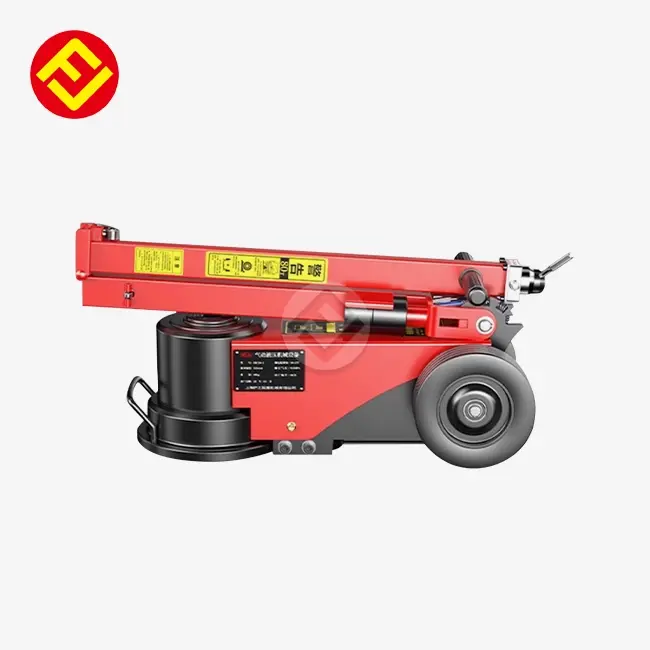
Understanding Pneumatic Jacks and Their Safety Fundamentals
Pneumatic jacks use compressed air to lift things safely, making them an option to systems that are only mechanical in many workplace settings. Procurement managers and site leaders can make better decisions about safety items for the workplace when they know how these tools work.
How Pneumatic Jacks Work
The basic idea behind air-powered lifting equipment is simple: compressed air flows into a sealed cylinder through a standard line connection and pushes against an internal piston that rises to lift things. During the lift cycle, the system keeps the pressure steady, which makes the action smooth and reliable. Pneumatic systems, on the other hand, use simple air pressure (0.4 to 0.8 MPa) and connect directly to existing shop compressor lines. This is different from hydraulic systems, which depend on the mechanics of fluids and the possibility of seal degradation. This design gets rid of worries about oil contamination in places that process food or have clean rooms, where hydraulic fluid leaks would cause big problems with following the rules. The speed of the lift changes depending on how much air pressure is applied. This lets workers change how prompt the lift is for sensitive setting tasks or quick lift jobs. Because they are so flexible, pneumatic systems are especially useful on assembly lines, where cycle times have a direct effect on how efficiently goods are made.
Key Safety Components in Modern Pneumatic Jacks
Every properly made air jack has a number of important safety features that work together to keep people and tools safe. Safety valves are the main way to keep things from getting too pressurised. If the pressure inside goes above the design limits, the valves will automatically let the extra air out. Exhaust mufflers control the noise that is made when air is released, which protects ears and stops rapid, uncontrollable drops that could happen if releasing wasn't limited. Pressure valves keep the pulling force constant even if the main compressor line changes. This makes sure that the performance is always reliable. Chrome plating on the inside of the cylinder prevents rust and cutting that could weaken the seal. Fluororubber or nitrile rubber seals can handle oils and shop chemicals. Good units also have strengthened base plates that spread the weight of the unit evenly and keep it from tipping over on mostly flat areas. These built-in safety features are the result of decades of engineering progress. They address failure modes that have been seen in millions of lifting cycles in harsh industrial settings.
Types of Pneumatic Jacks and Their Safety Profiles
Different types of air jacks are used for different tasks and each has its own safety issues that need to be thought through. Bottle-style air jacks have small bases and vertical lifting columns, which makes them perfect for working under cars or other machines where room is limited. To keep them from becoming unstable during growth, you have to pay close attention to how the load is distributed across their narrow base. Trolley-style units have wheels and horizontal arms that let operators place equipment before lifting it. This keeps workers' backs from getting sore and prevents mistakes in placing. Because they have a wide base and cross-linked arms, scissor-style air jacks are very stable. This makes them good for pulling heavy things where moving could be dangerous. Air bag jacks are a type of air lifting equipment that uses strengthened rubber bladders instead of pistons. This makes it possible to enter loads with very little ground space. Each type goes through its own set of tests. For example, pressure testing makes sure that the structure is strong enough to handle the rated loads, and life cycle testing models thousands of lift/lower cycles to find possible weak spots before the goods reach customers.
Common Safety Risks and How to Avoid Them When Using Pneumatic Jacks?
Even mini air jack that are well-designed can be dangerous to use if they are not kept up properly. Identifying these threats and putting in place organised ways to stop them saves both people and equipment investments.
Overloading and Capacity Violations
The most common reason why air jacks break is that they are used beyond their stated limit. Each unit has a certain load rate that is based on technical math and physical tests. Exceeding these limits puts too much stress on structure parts that are meant to be flexible. When you 'just quickly lift' a heavy load, you might bend the piston rods, crack the cylinder bodies or cause catastrophic seal failures that cause loads to fall without notice. When buying things, procurement managers should make sure that operations have jacks that can lift at least 20% more than what is normally needed. This gives them a safety window in case they guess the load wrong. Putting signs on tools that show the load number directly helps workers make smart choices at the point of use. During regular training, it should be emphasised that capacity ratings take into account dynamic forces that happen during lifting. For example, a 3-ton steady load can produce much higher forces if the jack touches it unevenly or lifts quickly. Supervisors on the job site play a big part by setting clear rules like making sure the weight is checked before moving starts, especially for parts or tools that aren't known.
Air Pressure Failures and Supply Interruptions
Compressed air systems sometimes lose pressure or stop getting air altogether because of problems with the compressor, broken lines, or repair work. When the power goes out, hydraulic jacks keep the load in place because the fluid can't be compressed. But with pneumatic jacks, the load can slowly move down as air leaks past seals or tiny flaws. Good units have check valves that keep air in the cylinder when the supply pressure drops. This keeps the lift height until the user releases the load on purpose. During pre-operation checks, quickly cutting the air supply hose while the jack holds a test load is one way to check this safety feature. For several minutes, the load should stay still without any noticeable drop. Operations should never rely on air pressure alone to hold things steady during work activities; anything workers put their feet on must be secured with automatic lock stands or blocks. By making this a non-negotiable procedure, the biggest risk in moving activities is taken away. Also, maintenance teams should put pressure gauges in key places in systems that distribute compressed air. This way, workers can check that there is enough supply pressure before they start lifting things.
Instability and Tipping Hazards
When loads move while being lifted or when they are used on uneven ground, small pneumatic jack can tip over, causing sudden and dangerous load drops. When the jack is fully raised, its height extends, making it have a tall, narrow shape that gets less stable as the height goes up. When the load centers aren't lined up with the jack's central axis, side forces can build up and push the base off-center. Preparing the surface is the first step in keeping things from moving around. Jacks should only be used on hard, level surfaces that are free of oil, dirt, and other things that could move. The area of the base plate directly affects how stable it is; bigger bases are less likely to tip over, but they are harder to move around. Before starting lift operations, operators should carefully place jacks so that lift points line up directly with the center of the jack. Metal-on-metal contact, which could let loads slide side to side while being raised, is avoided by rubber padding or protection caps on the lift points. When lifting cars, checking the manufacturer's instructions for the right lift points keeps body panels and chassis parts from getting damaged, which could cause the load to bend and become unstable.
Maintenance Tips That Enhance Safety and Longevity
Systematic repair plans have a direct effect on the safety and useful life of gas jacks. When you take care of your tools, they work the way you expect them to, but when you don't, they break down in dangerous ways.
Routine Inspection and Air Supply Quality
Checks done every day before an operation catch problems as they start to form before they lead to crashes or downtime. Operators should look over the whole jack to see if there are any cracks in the cylinder body, bent piston rods, or broken base plates. If they find any, the jack should be taken out of service right away. By checking all of the air fittings and hose connections, you can make sure that the systems are tight and don't leak. This keeps the pressure working well. The quality of the compressed air that goes into pneumatic jacks has a big impact on how long the seals last and how well the internal parts are working. Air that is tainted with water condensation speeds up internal rust. This is especially true for chrome-plated cylinders, where surface wear makes the seal less effective. Putting internal moisture filters in place and daily cleaning of receiver tanks get rid of water before it gets to pneumatic tools. Oil that leaks from oiled compressors can damage plastic seals that aren't made to handle oil, but this problem usually only happens with older compressor models. Modern manufactured compressor oils don't cause as many problems with seal compatibility, but it's still a good idea to mention seal materials when buying them. For example, fluororubber is more chemically resistant than normal nitrile rubber, which is another layer of protection. Particles from broken air lines damage seals and score cylinder walls, so it's important to keep the input filter clean. It is much cheaper to replace filter elements at the manufacturer-recommended times than to replace seals too soon or repair the cylinder.
Lubrication and Seal Preservation
Mini air jack seals need to be properly oiled so that they stay flexible and close well for as long as they are used. A lot of good units come already oiled with synthetic greases that are made to work with seals and work in a wide range of temperatures. Only approved lubricants should be used for reapplication during regular maintenance. Generic greases may contain solvents or additives that damage seal materials, making them grow, harden, or fail early. Before storing something for a long time, operators should put thin layers of grease on the uncovered piston rods to stop rust that makes the surface rough, which hurts the seals when the machine is used again. Depending on the type of seal, it needs a different kind of oil. Fluororubber seals can handle oil better than nitrile ones, but both work best with pneumatic tool oils that are made for use in air systems. Too much greasing can also be a problem because thick grease builds up and attracts rough dust particles that speed up wear. Documentation for maintenance should keep track of greasing activities, including times and Products" target="_blank" style="color:blue" >products used. This makes maintenance teams accountable and makes sure that everyone follows the same rules.
Recognizing Warning Signs and Component Replacement
Pneumatic jacks need professional service or part replacement when a number of signs appear. Damage to the seal that can be seen, like cracks, tears, or lasting distortion, removes the pressure limit that is needed for safe operation. Fluid or thick oil buildup around seals could mean that the lube isn't compatible or that the seals are wearing out too quickly, leaving room for leaks. If your piston rods have scratches, scores, or rust pitting, each stroke will damage the seals more and more, which will speed up failure. Chrome covering that flakes off or shows through to the base metal is no longer protecting and will rust quickly in damp places. Base plate warping or weld cracks show that the structure isn't as strong as it should be because of too much stress. Using a jack with broken frames in service could cause it to fail catastrophically under loads that it was safe to handle before. Controlled over-pressure tests should be done on a safety valve's operation on a regular basis to make sure these important safety devices work at the right pressure levels. Setting up repair plans for parts based on what the maker says and how much they are actually used stops service life extensions that go beyond what is safe. When procurement teams are looking at providers, they should give more weight to companies that offer new parts that are easy to find and have clear part numbers and technical paperwork. If seals or other specialised parts become unavailable, equipment is useless.
Selecting Reputable Suppliers and Certified Brands
There is a wide range of quality in the air jack market, from high-quality units that are precisely made to meet international standards to low-quality ones that don't have basic safety features. Procurement workers keep their companies safe by setting strict requirements for suppliers, focusing on things like safety standards and factory quality systems. ISO9001 recognition means that suppliers follow written quality control methods and have regular audits. However, this doesn't mean that the products are safe on their own. The CE mark shows that a product meets European safety standards for safety equipment, such as the pressure equipment standards that apply to gas cylinders. ATEX licensing is needed to work in places that could explode, like chemical processing plants or grain handling facilities, where regular electrical equipment could set off flammable vapours or dust. Minimum safety standards for pressure tanks and air parts are set by pressure equipment guidelines (PED) and state standards (GB in China). When suppliers make things that meet these standards, they test them for bursts, wear, and damage, which confirms the figures used in the design. Instead of just asking for general comments about a product's capabilities, purchasing managers should ask for proof of approval and records of pressure tests for particular amounts of the product. Supplier factory checks, which can be done directly or by a third-party service, make sure that the way things are made actually matches how they are written down. Long-term relationships with suppliers help institutions learn more about certain product lines. This lowers the risks of shopping compared to buying from new sellers all the time based on price alone.
Conclusion
The safety of small pneumatic jack relies on many linked factors, such as how the equipment is designed, how operators are trained, how it is maintained, and how it is bought. Good air-powered lifting tools have tried-and-true safety features like pressure control, automatic release valves, and long-lasting construction that keep people safe when used according to the instructions. Knowing about common risks like overloading, pressure fails, and instability helps businesses come up with good ways to stop them by using the right processes and tools. Regular maintenance that protects the integrity of the seals and the structure's condition increases the safe service life and stops fails caused by wear and tear. Procurement professionals make the workplace safer by choosing properly rated tools from reputable makers with clear quality systems and quick technical support. Rapid cycle times, less user tiredness, and clean operation are some of the practical benefits of hydraulic jacks. These benefits boost productivity and safety when companies follow the right procedures for selection, training, and maintenance.
FAQ
Can hydraulic jacks hold weight for a long time?
Pneumatic jacks shouldn't hold loads for long periods of time without extra mechanical support. Because air can be compressed, it can slowly fall as tiny seals break or as temperature changes affect pressure. Quality units have check valves that keep the unit in place while you do long-term jobs like inspecting or adjusting it. These valves keep the pressure low when the air source is cut off. If you need to work under heavy loads, you need automatic jack stands or blocks that can hold the weight on their own. This way, the air jack is only used as a lifting tool and not as support equipment. This method works for all types of lifting equipment—even hydraulic jacks can have seal failures or cylinder leaks that cause loads to fall without warning.
What kind of pump works best with air jacks?
Most air jacks can handle pressures of 0.6 to 0.8 MPa (85 to 115 PSI), which is what most shop pumps can do. The volume capacity (CFM number) of a jack is less important than for continuous-use air tools because the jack only uses air for a short time when it lifts something and then doesn't do anything else. A 20-gallon receiver tank with a 5 CFM compressor is enough for occasional jack use, but for high-volume activities, a bigger tank is needed to keep the pressure steady for many users at the same time. The quality of the air has a bigger impact on how long a compressor lasts than its size. Using moisture separators, filters, and regularly draining the receiver tank stops pollution that harms seals and other internal parts.
How can I be sure that a gas jack is safe?
Manufacturers that are legit show proof that they follow safety standards by providing approval documents. Ask for copies of the ISO9001 quality system certificates, CE marking declarations, and pressure equipment compliance statements that are special to the types of jacks you are thinking about. Labels or nameplates that are permanently attached to a product should show approval marks, rating capabilities, and information about how the product was made. Safety claims are backed up by reports from third-party testing labs that have been approved by the government. When evaluating a provider, be sure to ask specific questions about testing methods like wear cycle testing, burst pressure validation, and seal performance verification. You should also ask to see test records. Manufacturers with a good reputation welcome technical questions and give detailed answers. On the other hand, vague answers about safety tests are a sign of quality problems that should make you be careful.
Partner With FLA Industrial & Trading Co., Ltd. for Reliable Pneumatic Jack Solutions
Picking the right small pneumatic jack provider has a big effect on the safety of your operations and the cost of your tools over time. When we make an air-powered lifting option, FLA Industrial & Trading Co., Ltd. uses almost 40 years of experience in the business. We serve building companies, hardware stores and industrial makers in North America, Europe and Australia with our wide range of over 1,000 specs for hardware tools, Woodworking Clamps, electrical line tools and malleable iron pipe fittings. Precision spinning, casting, and welding are used to make our hydraulic jacks. After they are made, they go through strict leak testing, pressure validation, and life cycle verification to make sure they meet the standards for ISO9001 and CE certification. Our engineering team offers full technical support, which includes confirming your 3D design, optimising parameters for your unique needs, and creating custom solutions for non-standard situations. If you call our team at sales@flaindustrial.com to talk about your gas lifting equipment needs, you will get full prices and specs within 24 to 48 hours.
References
American National Standards Institute (ANSI). "Safety Requirements for Portable Automotive Lifting Devices." ANSI/ALI ALOIM:2020 Standard for Automotive Lifts.
Occupational Safety and Health Administration (OSHA). "Powered Industrial Trucks and Lifting Equipment: Safety Guidelines." U.S. Department of Labor Publication 3388, 2019.
International Organization for Standardization. "Pneumatic Fluid Power — Cylinders — Acceptance Tests." ISO 6430:2018 Standard Documentation.
Society of Automotive Engineers (SAE). "Service Jack Performance Requirements." SAE J1493 Standard Specification, Revised 2021.
European Committee for Standardization. "Safety of Machinery — Pressure Equipment Directive Compliance for Pneumatic Systems." EN 982:2019 Technical Standards.
National Institute for Occupational Safety and Health (NIOSH). "Preventing Worker Injuries and Deaths from Mobile Crane and Lifting Equipment Operations." DHHS Publication No. 2020-142, Centers for Disease Control.