How to Choose High Quality Grooved Flange Adaptors?
2026-07-31 15:01:15


Choosing a high-quality grooved flange adaptor requires careful evaluation of material specifications, pressure ratings, and manufacturing precision. These transition fittings combine the speed of grooved connections with the reliability of traditional flanged interfaces, making them indispensable in fire protection, HVAC, and industrial piping systems. Superior adaptors utilize ductile iron construction meeting ASTM A536 standards, feature pressure-responsive gasket technology, and provide corrosion-resistant coatings. Understanding these fundamentals enables procurement managers and engineers to select components that deliver long-term performance, minimize installation time, and ensure system integrity under demanding operational conditions.


Specification |
||||
| Type | Model (DN) | Pipe Outer Diameter | Material Options | Surface Treatment |
| Standard | DN65 | 76mm | Ductile Iron / Carbon Steel | Epoxy Coating/ Galvanized |
| Standard | DN80 | 89mm | Ductile Iron / Carbon Steel | Epoxy Coating/ Galvanized |
| Standard | DN100 | 114mm | Ductile Iron / Carbon Steel | Epoxy Coating/ Galvanized |
| Standard | DN125 | 140mm | Ductile Iron / Carbon Steel | Epoxy Coating/ Galvanized |
| Standard | DN150 | 165mm | Ductile Iron/ Carbon Steel | Epoxy Coating/ Galvanized |
| Standard | DN200 | 219mm | Ductile Iron / Carbon Steel | Epoxy Coating/ Galvanized |
Understanding Grooved Flange Adaptors and Their Key Features
What Defines a Grooved Flange Adaptor?
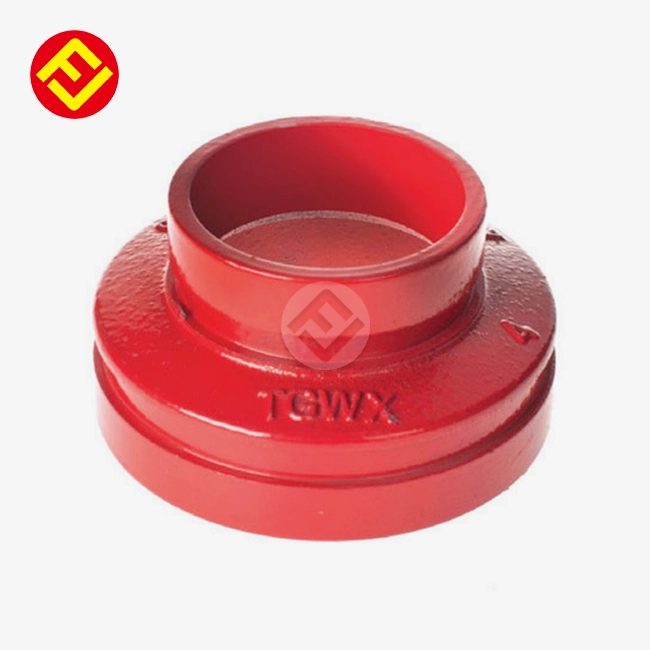
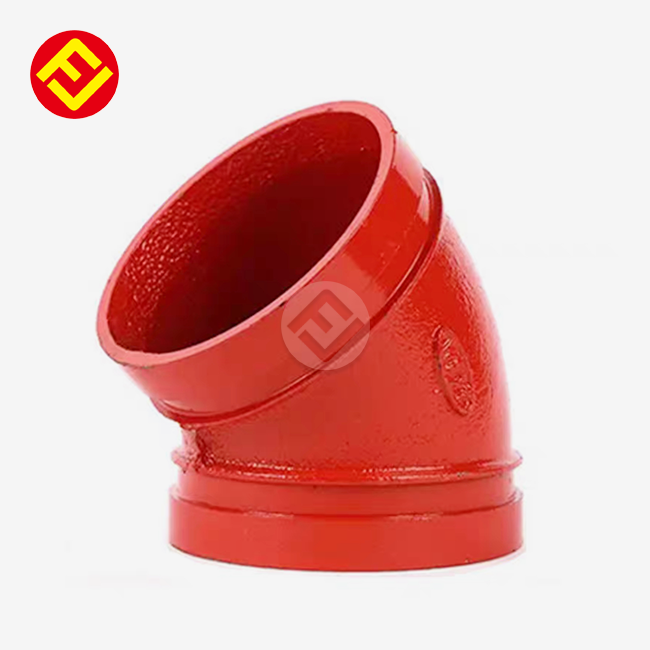
It connects grooved-end pipe systems to flanged equipment like pumps, valves, and meters. It does this by using a special kind of fitting called a Grooved Flange Adaptor. Welded flanges need skilled workers and hot work permits, but this part has a split-housing design that engages the pipe groove physically while showing a flat flange face with standard bolt hole shapes that meet ANSI Class 125/150 or PN10/PN16 standards. The two-part design uses both grooved and flanged connections to give you the most options. It also lets you turn the piece 360 degrees before tightening the bolts to make sure they are perfectly lined up with the equipment bolt holes.
Core Design Advantages
The tech behind these adaptors solves important problems in the business world. The ability to change pipe sizes quickly and effectively lowers their diameter while keeping their flow characteristics. This is very helpful when connecting pipes with different schedules or working with equipment that has non-standard inlet dimensions. Better materials, like ductile iron that meets ASTM A536 Grade 65-45-12 and carbon steel construction, make it last longer and be stronger than standard cast iron options. Ductile iron has a minimum tensile strength of 60,000 psi, which means it can handle high pressures and mechanical stress well.
Corrosion protection through red epoxy coating and galvanised choices works very well in a wide range of settings. Fusion-bonded epoxy coats are about 80 to 100 microns thick and meet UL/FM fire safety standards. On the other hand, hot-dip galvanisation according to ASTM A153 provides better safety in sea and chemical processing settings. When compared to bare metal options, these surface treatments make things last a lot longer.
Installation and Operational Benefits
Quick installation is still one of the most important features. The grooved end makes assembly quick, and the flange end lets you connect things with bolts. This way, you don't have to worry about welding, and the labour costs are up to 60% less than with welded flanges. Advanced casting and machining allow for precise engineering that results in tight tolerances and reliable sealing. Accurate measurements ensure that the gasket is compressed properly and the system works without any leaks. The hinged or clam-shell design makes it easier to place around existing pipes, which is especially helpful for retrofits where limited room makes it hard to get to the pipes.
Core Criteria for Selecting High-Quality Grooved Flange Adaptors
Material Composition and Metallurgical Standards
Pressure Ratings and Performance Standards
The working pressure capacity must match the design specs of the machine. Standard units with a rating of 300 psi (20.7 bar) work well for most fire safety and HVAC tasks. Heavy-duty models with a rating of 365 psi (25 bar) are used for industrial process lines. Every production batch should be tested hydrostatically at 1.5 times the maximum working pressure to make sure the housing is solid and the gasket seal works well. If the adaptor has UL 213, FM 1680, or VdS 2109 certifications, it means it meets foreign safety standards for fire protection devices.
Gasket Technology and Sealing Mechanisms
When the system pressure goes up, pressure-responsive synthetic rubber gaskets make a triple-seal effect that makes the system less likely to leak. Grade T Nitrile gaskets are used for hydrocarbon fluids and petroleum Products" target="_blank" style="color:blue" >products, while Grade E EPDM gaskets are used for water and fire protection systems that work between -34°C and +110°C. ISO 6182 guidelines for gasket compression set testing make sure that the rubber stays flexible over time and stops dry rot. An anti-rotation nib on the sealing face stops the gasket from coming out in vacuum or surge pressure situations. This keeps the seal's integrity throughout its working lifetime.
Dimensional Accuracy and Compatibility
Checking the bolt circle diameter (BCD) makes sure that it fits with the equipment flanges. ANSI B16.1 Class 125 flanges and EN 1092 PN16 flanges have different bolt hole spacing, so it is very important to get the right standard when you are buying. To make sure a solid fit, the groove-key's width measurement must exactly match the pipe groove's dimensions. Deviations bigger than 0.5 mm can make it harder for the load to be distributed, which can cause gaskets to fail early or stress fractures in the housing.

Comparing Market Options: Choosing Between Grooved Flange Adaptors and Alternatives
Performance Comparison with Traditional Flange Types
For welded flanges to be made, certified welders, hot work permits, and a post-weld inspection are needed. This makes the project take longer and cost a lot more in labour. Slip-on flanges need careful pipe preparation and welding on both sides. Threaded flanges, on the other hand, have lower pressure values and need pipe thread cutting, which makes the pipe walls weaker. These problems are solved by grooved adaptors, which use mechanical fastening to achieve the same level of strength in a much shorter amount of time.
When installation time, labour needs, and ease of maintenance access are all taken into account, grooved systems have a lower total cost of ownership. A Grooved Flange Adaptor can be put in place in 5 to 8 minutes, while a normal 6-inch welded flange link needs 45 to 60 minutes to properly weld and cool. During multi-phase construction projects, these time savings lead to big cost savings and faster commissioning schedules.
Evaluating Manufacturing Quality Standards
Manufacturers with a good reputation use ISO 9001 quality control systems and look for third-party certifications that show they meet industry standards. Adaptors with the UL or FM approval marks have been through a lot of tests, such as going through different pressures and temperatures and checking that they can handle a mechanical load. These certifications give procurement teams a real quality guarantee that goes beyond what the maker says.
When it comes to consistency of size, automatic CNC machining processes are better than human production methods. Coordinate measuring machine (CMM) checks of important measurements make sure that bolt hole placement is accurate within 0.5 mm, which stops problems during installation in the field. With X-ray inspection, investment casting or ductile iron foundries can find internal porosity or inclusion defects that weaken the structure.
Bulk Procurement and Customization Considerations
Using manufacturers who offer OEM customisation services is helpful for big projects. For special uses, custom groove profiles, gasket materials made to work with certain chemicals, or non-standard flange drilling patterns can be used to make solutions that fit those needs. Bulk purchasing deals offer lower prices for large orders, and lot-controlled production tracking makes sure that the quality of all packages is the same.
When building jobs have to be finished on time, supply chain reliability is very important. Lead times are kept to a minimum by manufacturers who keep enough common sizes and drill patterns in stock, and costly project delays are avoided by manufacturers who can speed up production. Building ties with makers who have more than one distribution point cuts down on shipping costs and transit times for projects in North America.
Installation, Maintenance, and Best Practices for Longevity
Step-by-Step Installation Protocol
Before starting the installation process, make sure the pipe groove dimensions are correct by using a groove gauge to check that the depth and width are as specified by the manufacturer. Thoroughly clean the pipe gap, getting rid of any mill scale, dirt, or rust that might stop the gasket from fully engaging. Check the seal for cuts, nicks, or contamination, and replace any parts that are broken before putting it together.
When installing a Grooved Flange Adaptor, place the pipe around the adaptor housing so that the seal is fully in the groove channel. Use the adaptor's ability to rotate to line up the bolt holes with the ring that fits. Put bolts through both ends and tighten the nuts by hand first. Tighten the bolts on the matched flange in a star pattern to make sure that the gasket is compressed evenly. This will stop the flange ear from breaking, which can happen when the bolts are tightened one at a time. To ensure metal-to-metal contact at the bolt pads, torque the housing bolts to the manufacturer's specifications, which are usually between 60 and 100 ft-lbs depending on the adaptor size.
Common Installation Pitfalls to Avoid
It is important to be careful when mating grooved adaptors with raised-face flanges. Even though they work together, the flat adaptor surface touching the raised flange face needs the right seal to keep the flange ears from breaking. When raised sides are more than 1/16-inch high, some workers add thin sandwich washers to spread the load out evenly.
When you connect adaptors directly to wafer-style check valves or butterfly valves, you shouldn't use a mating flange surface because the wafer components sit inside the bolt circle. This arrangement stops the gasket from closing properly and can hurt valve parts. To keep the seal strong, put a flanged spool piece between the adaptor and the wafer valve.
Maintenance Schedules and Inspection Protocols
Visual checks should be done every three months to look for external corrosion, coating damage, or gasket extrusion that could mean the installation wasn't done right or that the system pressure went out of range. Checking the torque on bolts once a year keeps them from coming loose from vibrations or changes in temperature. This is especially important in pump rooms where mechanical stresses are common. By inspecting the gaskets every six months while the system is shut down, problems with the compression set or chemical breakdown can be found early on, before leaks happen.
When temperatures change quickly, it's important to keep in mind that pipes and equipment expand at different rates. The adaptor acts as a hard connection point, but there are movable grooved joints or expansion loops next to it that allow for thermal movement. This keeps stress from building up at the adaptor. Recording the dates of installation and the serial numbers of components makes it possible to schedule replacements ahead of time based on the service life suggestions made by the maker.

Making the Final Decision: Purchase and Procurement Guidelines
Aligning Specifications with Application Requirements
To match adaptor specs to project needs, you must first write down system parameters like working pressure, temperature range, fluid properties, and flange standards of equipment that is connected. Use the pressure-temperature rating tables that makers give you to choose the right adaptor types. For fire safety systems, parts must be UL/FM listed. In industrial settings, chemical resistance or high temperature capabilities may be more important.
The groove measurements are set by the pipe size and schedule and need to be checked against converter compatibility charts. Because Schedule 10 pipe has thinner walls than Schedule 40 pipe, the groove shapes are different, which changes how the pipes interact with each other mechanically. Make sure that the adaptor's groove specification matches the pipe schedule that is being installed to avoid problems with incompatibility in the field.
Supplier Evaluation and Procurement Strategy
Suppliers you can trust show they can make things by having facility certifications, quality documentation, and technical support resources available. Ask for mill test records (MTRs) that show the material's makeup and the results of tests on its mechanical properties. Suppliers who offer full traceability from where the raw materials come from to where the finished goods are inspected make the whole supply chain accountable.
Being clear about lead times makes it possible to accurately schedule projects. Suppliers who keep popular setups in stock usually ship within days. However, special or large-volume orders may take 6 to 8 weeks to make. For multi-phase construction projects, setting up blanket purchase orders with scheduled releases balances the costs of keeping inventory with the needs of meeting project delivery deadlines.
Quality Control Verification Points
When inspection methods come in, they should check the accuracy of measurements for important parts like the bolt circle diameter, groove width, and flange thickness. Using magnetic gauges to measure the thickness of the coating confirms that the corrosion protection meets requirements. Before installation, samples from each production lot are put under pressure to make sure they work well with water.
Compliance certificates, material test reports, and pressure test records are some of the documents that are usually needed for business building. Suppliers who offer complete quality packages make the process of approving submissions easier and show that they are committed to being open and honest. For high-stakes projects that need extra quality assurance, third-party inspection services offer independent confirmation.
Conclusion
To choose good Grooved Flange Adaptors, you have to weigh the technical specs, production standards, and supplier's skills against the needs of the project and the limits of your budget. Reliable performance is built on ductile iron that meets ASTM A536 standards, pressure-responsive seal technology, and following UL/FM approvals. Knowing the benefits over traditional welded flanges, such as how fast they can be installed, how easy they are to maintain, and how much they cost overall, helps people make smart buying decisions. Following the manufacturer's torque specs during installation and performing regular maintenance will extend the system's useful life and keep it safe and running smoothly in fire protection, HVAC, and industrial piping uses.
FAQ
Can grooved flange adaptors accommodate thermal expansion in piping systems?
The adaptor makes a strong link between a grooved pipe and a flanged piece of equipment. Grooved pipe systems naturally allow some movement, but thermal expansion needs special support in the form of flexible couplings or expansion loops placed next to the adaptor. If you don't deal with thermal movement, stress can build up at the transition point, which could lead to gasket failure or housing damage in high-temperature situations.
How do I determine compatibility between ANSI and PN flange standards?
Even though they have the same pressure ratings, ANSI Class 150 and PN16 flanges can't be used together. The number of bolt holes, circle widths, and hole shapes are very different between these standards. Before you buy, you should always compare the specs of the equipment flange to the drilling patterns for the adapter. When you try to push flanges that don't fit together, you end up with dangerous setups where the bolts don't fully connect, and the sealing surfaces aren't lined up correctly, which guarantees leakage.
What gasket material should I specify for different applications?
With great resistance to ozone and weathering, EPDM gaskets are used in fire protection, HVAC systems, and drinkable water systems from -34°C to +110°C. Nitrile gaskets can be used with natural gas, hydraulic fluids, and gasoline products, but they can't handle high temperatures. For aggressive fluids, chemical processing may need Viton or PTFE gaskets. Check out chemical compatibility charts to find the right gasket elastomers for different types of fluids and operating conditions.
Partner with FLA Industrial & Trading Co., Ltd. for Premium Grooved Flange Adaptors
When looking for curved pipe transition fittings, the success of the project depends on how reliable the supplier is and how consistent the products are. Every Grooved Flange Adaptor that FLA Industrial & Trading Co., Ltd. makes is backed by our ISO-certified quality processes and partnerships with Fortune Global 500 companies. We have been making products for almost 40 years. Our ductile iron adaptors have sides that are precisely machined, housings that have been tested under pressure, and coatings that are resistant to rust and meet international standards for fire safety and industry. No matter if you need standard ANSI configurations or custom-drilled patterns for unique equipment, our engineering team is here to help you with the whole process, from specification to installation. Please email our sales team at sales@flaindustrial.com to talk about your project needs with a reliable Grooved Flange Adaptor maker that is dedicated to providing unbeatable value and performance.
References
1. American Society of Mechanical Engineers. (2020). ASME B16.1: Gray Iron Pipe Flanges and Flanged Fittings: Classes 25, 125, and 250. ASME Standards Committee.
2. ASTM International. (2019). ASTM A536-84: Standard Specification for Ductile Iron Castings. ASTM Technical Committee A04.
3. Factory Mutual Research Corporation. (2018). FM Approval Standard 1680: Couplings Used in Fire Protection Service. FM Approvals LLC.
4. International Organization for Standardization. (2021). ISO 6182-1: Fire Protection—Automatic Sprinkler Systems—Requirements and Test Methods for Sprinklers. ISO Technical Committee 21.
5. National Fire Protection Association. (2022). NFPA 13: Standard for the Installation of Sprinkler Systems. NFPA Standards Council.
6. Underwriters Laboratories. (2017). UL 213: Standard for Rubber Gasketed Fittings for Fire-Protection Service. UL Standards & Engagement Division.