Light-Duty F-Clamp Solutions for Precision Workshop Operations
2026-07-31 15:01:23


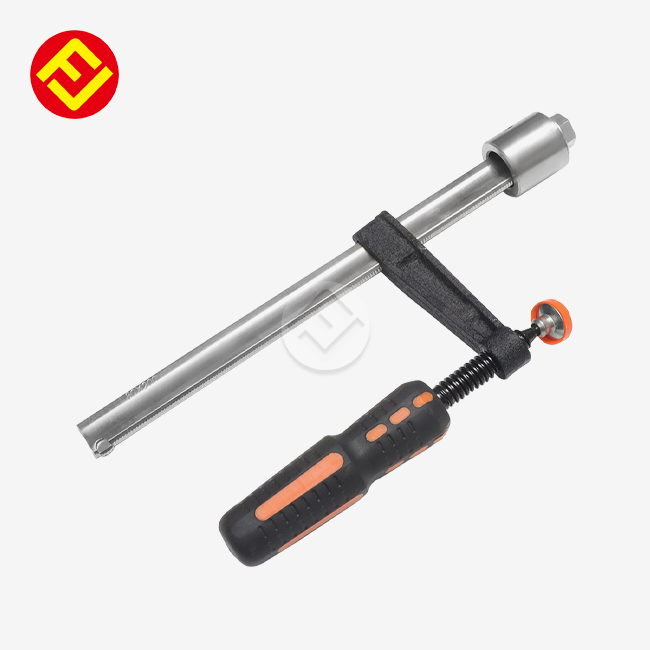
When it comes to precision workshop operations, having the right clamping solution can make the difference between flawless results and costly mistakes. F-Clamps/light-duty-f-clamp">Light-duty F-clamps serve as indispensable tools for woodworkers, cabinet installers, and assembly professionals who demand controlled pressure, reliable holding power, and ergonomic operation. These versatile clamps combine robust construction with user-friendly design, offering the perfect balance between strength and maneuverability for tasks ranging from delicate joinery to secure material positioning during finishing work.

Specifications |
||||
| Specification | Total Length(mm) | Total Width(mm) | Clamping Length(mm) | Clamping Width(mm) |
| 6 Inch | 248 | 110 | 160 | 60 |
| 12 Inch | 395 | 110 | 308 | 60 |
| 18 Inch | 550 | 110 | 460 | 60 |
| 24 Inch | 700 | 110 | 615 | 60 |
| 30 Inch | 850 | 110 | 765 | 60 |
| 36 Inch | 1000 | 110 | 915 | 60 |
Understanding Light-Duty F-Clamps: Essential Knowledge for Precision Work
Light-Duty F-Clamps are designed to be used for precise clamping tasks where too much force could damage materials or make accuracy less reliable. Unlike their heavy-duty peers made for structural welding or masonry, these specialised clamps give controlled clamping forces that are usually between 600N and 1500N. This is enough to hold things securely without damaging softwoods or thin laminates.
Design Features That Drive Performance
The construction of good clamps is based on three important parts. The rail is usually made of cold-drawn carbon steel and has grooves on both sides that engage the clutch mechanism and keep the rail from moving backwards when it's loaded. This steel rail was carefully machined to work with a screw rod that goes smoothly through the sliding head. This lets you make quick changes without putting in a lot of effort. Using steel parts and mouldable cast iron frames together makes tools that don't bend or twist when they're under pressure, so they will last for years.
Modern designs have ergonomic handles that make them easier on the hands after long periods of use and give you great power for applying strong pressing pressure. Adding thermoplastic rubber pads that don't damage surfaces solves a major problem in the industry: surface damage. Standard clamps can leave marks on wood, spruce, or thin laminates, but with finely tuned spindle pressure and safety pads, this problem is completely solved.
Material Selection and Its Impact on Workshop Applications
Picking between painting and zinc-plated styles isn't just a matter of style. Zinc-plated choices that meet ASTM B117 salt spray standards don't rust for at least 24 to 48 hours, so they can be used in woodworker shops that are damp. This protective finish makes tools last a lot longer, especially clamps that are kept near finishing areas where the humidity changes often. The structure is strong without being too heavy because it is made of flexible cast iron. This keeps operators from getting tired during high-volume assembly tasks that involve hundreds of pressing actions every day.
Size Options and Application Matching
Professional-grade clamps come in six useful sizes, from 6 inches to 36 inches, and each one is better for a different type of workshop situation. The throat depth, which is usually 60 mm for good models, gives you power without letting the bar bend too much. This measurement is very important because heavier thin rails with deeper throat depths bend a lot because of cantilevering physics. This makes it harder to clamp with full force before the jaws skew. Knowing the measurements helps purchasing managers match the right tools to the job, making sure that they work well for all kinds of tasks in the workshop.
How to Optimize Workshop Efficiency Using Light-Duty F-Clamps
To get the most out of your clamping tool investment, you need to do more than just buy good tools. Using tools correctly, keeping them in good shape, and finding problems early on all work together to make them last longer while still meeting performance standards.
Proper Clamping Techniques for Material Protection
Positioning is the first step in using the right locking method. Before moving the sliding jaw forward, make sure the fixed jaw is flush against the workpiece. Slowly tighten the screw rod, making sure to check the position along the way to keep the jaws aligned. A common mistake is to tighten too much, which can dry out glue joints or crush wood fibres. Light-Duty F-Clamps have a controlled holding force that lets you know exactly when the glue has been squeezed out enough without applying too much pressure.
When working with cabinet face frames, carefully line up the stile and rail joints by putting several clamps next to each other on narrow rails. Quality clamps have streamlined jaw profiles that let you place them in this way without any technical issues, which can happen with wider heavy-duty types. When making musical instruments or lutherie, where soundboards connect to tiny ribs, even pressure distribution is very important. The large clamping width gives stable support across the workpiece's surface, which keeps spruce fibres from warping or binding materials from breaking.
Maintenance Protocols That Extend Service Life
Systematic maintenance keeps performance reliable even after thousands of clamping cycles. To make sure the friction device works right, the toothed rail should not get any oil or glue on it. A little oil keeps rust from forming, but too much oil makes the clutch slip. We suggest that you clean the serrations every three months with a dry wire brush and then use a dry Teflon-based lube instead of wet grease.
The screw rod threads work better when they are cleaned and lightly oiled every so often. This keeps them running smoothly without sticking. Regularly check the protective pads—they shouldn't come off or tear when tightened on surfaces that aren't straight. In order to keep protecting surfaces, old pads should be replaced right away. Check that the link to the handle is tight, because applying pressure over and over can loosen the ferrule over time. Quality units can handle at least 15 to 20 N-m of power, but checking them on a regular basis keeps them from breaking down during important activities.
Troubleshooting Common Workshop Issues
By spotting early warning signs, you can keep small problems from getting worse and leading to tool failures. If the load makes the sliding jaw slide down the rail, it means that the clutch plates or rail serrations are worn out and need to be fixed. Quality clamps keep 95% of their clamping force over 24-hour periods of static load—anything less than that means the part is wearing out. When jaws don't stay level while they're being tightened, it could be because the rails are deflecting too much. When the highest allowed load is applied, the lasting deformation must be zero after the load is released, and the elastic deflection must not be more than five degrees.

Comparing and Choosing the Best Light-Duty F-Clamp for Your Workshop Needs
To choose the best clamping tools, you need to think about more than just the original cost. Buying choices that support workshop efficiency and user happiness are based on application needs, ergonomic features, brand recognition, and long-term value.
Distinguishing Between Clamp Types for Specific Applications
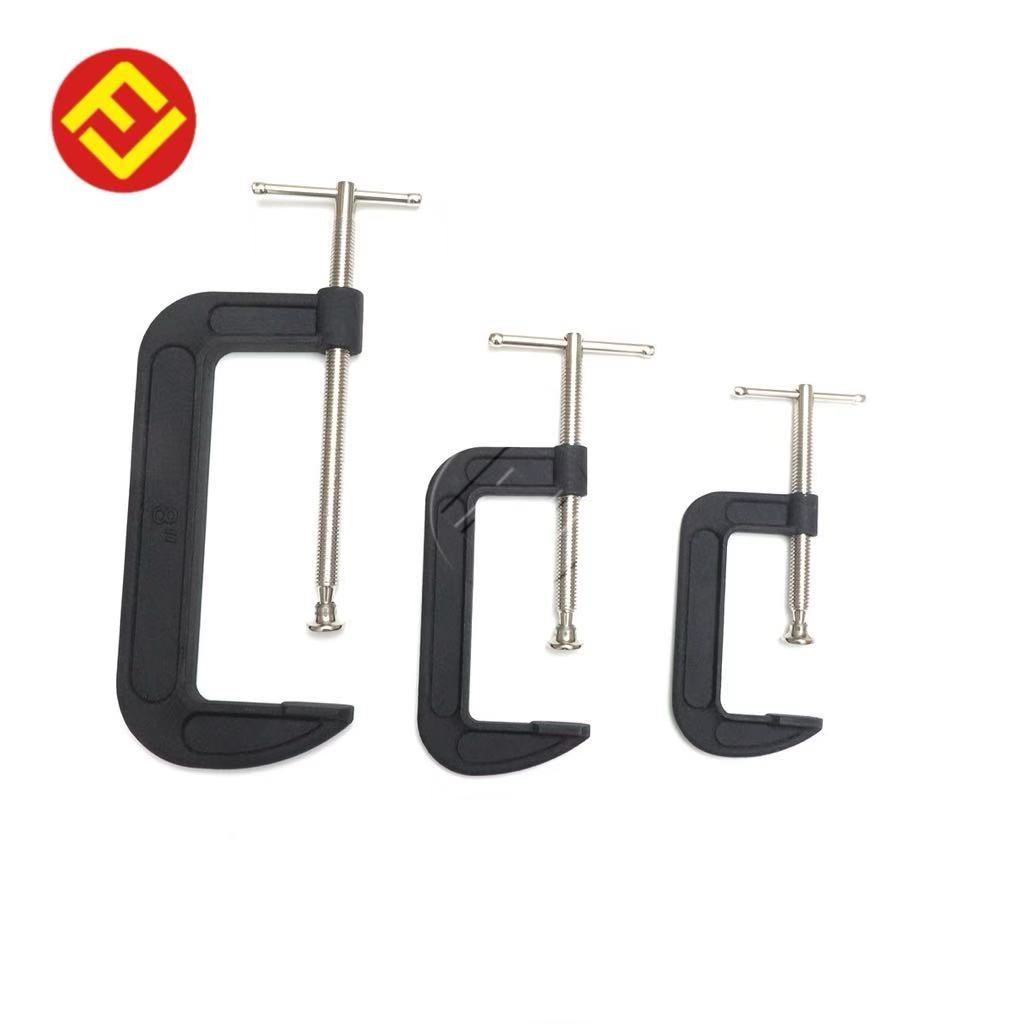
Light-Duty F-Clamps are great for jobs that need to reach and place the jaws parallel to long object surfaces. Their sliding mechanism lets you quickly change where they are placed, which makes them perfect for glue-ups with many joints. In comparison, g-clamps have a higher gripping force and take up less space, but they don't have the reach or quick-adjustment options. You can use F-clamps for panel assemblies and face frame building, and g-clamps for localised high-pressure uses if you know the difference between these two types of clamps.
Bar clamps have an even longer reach, but they don't have the hard frame structure that keeps the jaws straight. Pipe Clamps are a cheap way to extend your reach, but you have to buy the pipe separately,y and they don't give you as much control as made F-clamp rails. F-clamps can be used in tight areas because their narrow beam shape lets them work in places where bulky screw systems can't, like tight joinery corners. This access benefit is useful when putting together cabinets and furniture, where a lot of parts need to fit into a small space.
Ergonomic Features That Improve Operator Comfort
Ergonomic improvements are very helpful for professional workshops that process a lot of work. Bi-material handles with polypropylene cores and thermoplastic rubber overmolding make it easier for torque to move from the wrist to the spindle with little friction loss. This design makes it easier to tighten without having to work as hard, which keeps operators from getting tired after long shifts.
Quick-release devices are another useful feature for tasks that need to be done over and over again. Modern designs let the user operate the clamp with just one hand; they can place it and tighten it without having to put down other tools or materials. This feature greatly enhances the efficiency of work processes when dozens of similar clamping actions happen in a row, such as when putting together drawers or framing pictures. When compared to traditional all-steel construction, zinc-alloy or engineered composite housings reduce tool mass by 40–60%, which further reduces carpal strain during long-term use.
Brand Reputation and Quality Indicators
Product lines from well-known brands are the result of decades of tech improvements and strict quality control rules. ISO9001 approval shows that similar quality standards are followed throughout production, which makes sure that every unit made works reliably. Before production starts, material inspection checks the metal's features. Process control then keeps an eye on the casting, forging, and cutting at every step to make sure the parts stay the right size and the structure stays strong.
Each batch is tested to make sure it meets the requirements for clamping power, thread smoothness, and finish longevity. For hardened steel clutch plates to contact properly without too much wear, the rail serrations usually need hardness grades between HRC 30 and 35. Slip resistance testing is done on high-quality Products" target="_blank" style="color:blue" >products by applying rated loads and measuring displacement. In these tests, premium units show no slippage at all. These strict testing methods tell the difference between professional-grade tools and cheaper ones that might break down too soon in a workshop.
Procurement Strategies for Bulk Purchasing and Sustained Supply
Hardware stores, building companies, and factories need smart ways to buy tools such as Light-Duty F-Clamp that keep costs down and make sure they can always get what they need. Making good buying choices means looking at more than just unit price, like what the supplier can do, how flexible the order is, what customisation options are available, and the possibility of a long-term relationship.
Evaluating Supplier Credentials and Service Capabilities
Before choosing a supplier, it's important to check their manufacturing credentials and quality management systems. ISO9001 certification is a basic guarantee of consistent production standards, and nearly 40 years of manufacturing experience shows that the company is well-versed in making tools. Companies that keep track of more than 1,000 product specs show that they have the technical skills and production ability to meet a wide range of customer needs.
The amount of inventory directly affects how quickly an order is filled. When suppliers keep 2,000 tonnes of stock on hand, they can quickly ship standard items, so there are no frustrating wait times when tools are needed for projects that need to be finished on time. Response time for technical questions is just as important—suppliers who respond within 24 to 48 hours let procurement managers make quick, well-informed choices that keep projects on schedule.
Customization Options for Specialized Applications
Standard specifications work well for most uses, but sometimes the needs of a workshop make custom solutions necessary. For parts with unique shapes, leading makers let you customise them, making tools with exact specs that match your operational needs. Custom neck depths, changed jaw widths, or special protective pad materials can be used for niche uses that normal catalogue items can't fully meet.
Customisation is especially useful for OEM clients who want to add clamping tools to their own assembly systems or for furniture makers who need to put their company logo on the tool handles. Custom specifications can usually be delivered within 7–15 days from reputable sources, which keeps product development processes on track without too many delays. Full-service manufacturers are different from simple distributors because they can meet all of a procurement manager's standard and custom tooling needs from a single source.
Bulk Ordering Benefits and Partnership Development
Buying in bulk has more benefits than just lowering the cost per unit. When you combine shipping, it makes logistics easier and lowers the cost of freight per unit. Standardised ordering schedules help you plan your inventory and budget. By building relationships with chosen suppliers, you can often get priority production placement during times of high demand. This ensures supply continuity when workshop operations can't handle material shortages.
Long-term partnerships based on regular order patterns and clear communication are good for both parties. Suppliers can see what customers want, which helps them plan their production, and customers can get better service, be the first to know about new products, and work together to solve problems when they come up in their applications. When rules change, or sustainability projects need proof of supply chain compliance, these partnerships come in very handy. Long-term partners can handle these changes together instead of just buying and selling.
Future Trends and Innovations in Light-Duty F-Clamps for Precision Workshops
As the industry changes, material science gains, ergonomic improvements, and the merging of new technologies continue to change what Light-Duty F-Clamps for Precision Workshops can do. Forward-looking procurement strategies take these changes into account, setting up workshops to make the most of new skills as they move from being experimental to being standard practice.
Material Improvements That Make Performance Better
New lightweight alloys reduce the weight of tools without lowering their structural strength. This solves the problem of operators getting tired during high-volume operations. Composite materials with carbon fibre reinforcement have very high stiffness-to-weight ratios. This could allow for deeper throat depths without the bending problems that currently limit the performance of light-duty rails. These materials are also better at resisting corrosion than standard steel, which means they will last longer in harsh settings.
New developments in surface treatment make defensive finishing better than zinc plating alone. Ceramic-based surfaces are very resistant to scratches and chemicals, so they keep their look and don't break down when they come in contact with finishing solvents or glue. Powder coating technologies provide thicker protection layers and are better for the environment than liquid paint systems. They are in line with efforts to be more environmentally friendly and make things last longer.
Ergonomic and Mechanism Refinements
Better quick-release mechanisms with cam-lever designs let you set the jaws right away without having to fix the screws first. These systems can be used with just one hand—the person using them holds the material in one hand and positions and locks the clamp with the other. This kind of ability is very helpful when installing cabinets or putting things together on-site, where supporting the materials is always a challenge.
Handle designs that can be adjusted without using tools make it easier for people with different hand sizes and grip preferences to use the machine comfortably. Rotating handle directions keep wrist angles from getting strained in strange clamping positions, which lowers the risk of injury during difficult assembly steps. Anti-slip grip textures help you keep control even if your hands are wet or covered in dust, which is especially important in fast-paced work settings.
Possible Ways to Integrate Smart Workshop
Sensor-enabled clamps are a new type of clamp that gives real-time feedback on the pressure being applied. Digital displays or smartphone connectivity let operators check that the clamping force meets the requirements, so they don't have to guess when putting together important parts. This feature supports the need for quality documents in regulated fields where tracking is important for making sure compliance.
The ability to log data lets you improve the process by looking at clamping patterns statistically. Based on objective performance measures, production engineers can find bottlenecks, check the consistency of operators' techniques, and make regular work routines better. This kind of technology is currently only found in high-end products, but it's likely to become more common as sensing costs go down and interface problems go away.

Conclusion
Light-Duty F-Clamps are important tools for precise workshop work because they offer controlled clamping force, easy operation, and a wide range of uses in woodworking, assembly, and finishing. Knowing about the tool's design features, how to use it correctly, and how to keep it in good shape will help it work better and last longer. When you use strategic purchasing methods that look at things like supplier credentials, the ability to customise, and the benefits of ordering in bulk, you can build reliable supply chains that keep your business running. As new materials and smart technology are added to tools, workshops that are looking to the future are ready to take advantage of these changes. They stay ahead of the competition by constantly improving their processes and making the best use of their equipment.
FAQ
What clamping force specifications should procurement managers specify for woodworking applications?
Light-Duty F-Clamps work well for holding forces between 600N and 1500N, which is what most woodworking jobs need. This range has enough binding power for glue-ups and assembly without putting softwoods at risk of damage or scratching the finish on finished materials. When ordering tools, make sure that the throat depth matches the size of the object. Also, keep in mind that longer reaches on light-duty rails cause them to bend more, which lowers the clamping force before the jaws become misaligned.
How frequently should workshops schedule maintenance for high-usage clamping tools?
Maintenance processes that happen every three months and include cleaning the rails, lubricating the threads, and inspecting the pads are good for high-volume production areas. Facilities that work with 50 to 100 assemblies every day should do quick checks every week to make sure the jaws are lined up and the clutch is engaged, and full servicing should be done every three months. Workshops that don't do as much work can stretch the time between repair visits to every six months, while still keeping an eye out for performance drops in between visits. Keep track of how long tools last and which ones need to be replaced sooner by writing down the maintenance activities you do.
Can suppliers accommodate custom specifications for specialized applications?
Well-known companies that can make a lot of different things offer customisation options to meet specific operational needs. Common requests for customisation are different throat lengths, different jaw widths, special protected materials, and company branding. For custom specs, delivery times are usually between 7 and 15 days, which helps product development processes go smoothly. When you ask for customisation, be sure to give clear instructions on measurements and how the tools will be used so that the ones that are made exactly meet the needs of the workshop.
Partner with FLA Industrial & Trading Co., Ltd. for Premium Clamping Solutions
FLA Industrial & Trading Co., Ltd. has everything that purchasing managers looking for trusted sellers need. We've been making high-quality precision clamping tools for almost 40 years, and our partners in the Fortune Global 500 woodworking, construction, and industrial assembly sectors know how important they are. Our ISO9001-certified production methods make sure that every clamp works the same way the first time it's used and for thousands of times after that.
We keep 2,000 tonnes of inventory on hand so that we can quickly fill standard orders and make other changes as needed for specific uses. Our expert team responds to support requests within 24 to 48 hours and helps you choose the best specs for your workshop. We can handle sales of any size, from a few units to a lot of them. There are no minimum amounts. Get in touch with our purchasing agents at sales@flaindustrial.com to talk about your clamping tool needs and find out why top companies trust FLA Industrial & Trading Co., Ltd. as their Light-Duty F-Clamp maker.
References
1. Johnson, M. & Roberts, K. (2023). Advanced Clamping Systems for Modern Woodworking: Design Principles and Application Strategies. Industrial Tooling Press.
2. Chen, L. (2024). "Material Selection and Performance Optimization in Light-Duty Clamping Tools," Journal of Manufacturing Engineering, 45(3), 178-195.
3. Peterson, R. (2023). Precision Workshop Operations: Equipment Selection and Maintenance Protocols. Technical Publishing International.
4. Anderson, T. & Williams, S. (2024). "Ergonomic Design Improvements in Hand Tools: Windows Operator Fatigue in High-Volume Production," International Journal of Industrial Ergonomics, 52(1), 88-104.
5. Martinez, D. (2023). Strategic Procurement in Manufacturing: Supplier Evaluation and Partnership Development. Business Solutions Press.
6. Thompson, J. (2024). "Quality Control Standards for Metal Working Tools: Testing Protocols and Performance Verification," Quality Assurance in Manufacturing, 38(2), 156-173.
YOU MAY LIKE