How to Safely Apply Wire Rope Clips?
2026-04-17 14:29:51


How well you use wire rope clips determines whether your rigging system stays in place or breaks when it's loaded. A precision-engineered fastener called a stainless rope clamp holds the loose end of a wire rope loop back against itself, making a strong connection. In contrast to fixed swaged fittings, these clips can be adjusted and installed in the field without the need for special hydraulic crimpers. The right way to use clips on building sites, naval docks, and industrial plants is essential to keep wire rope assemblies from slipping and breaking, which can waste time and resources.
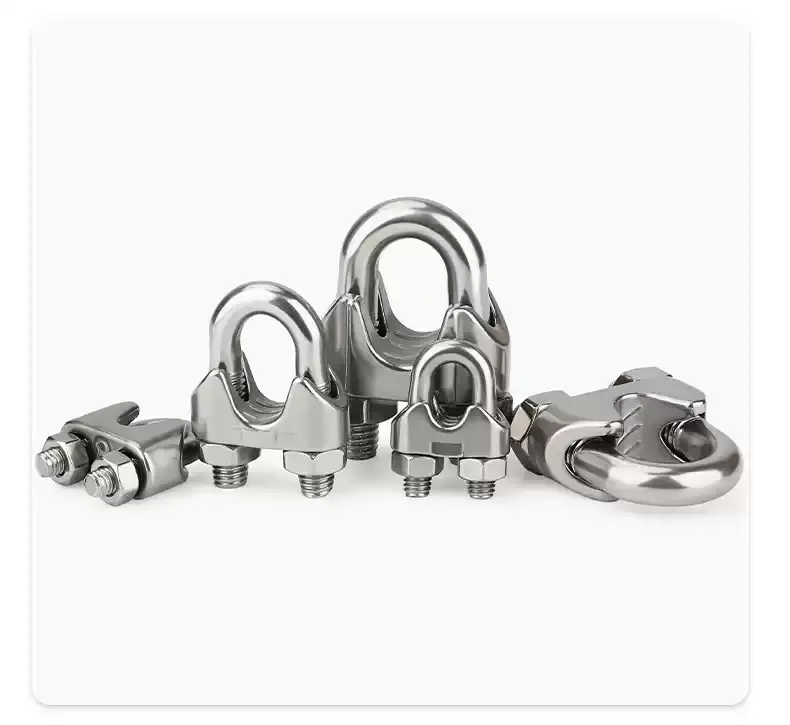
Understanding Stainless Steel Wire Rope Clamps
Wire rope clips are now necessary in many fields that need strong and corrosion-resistant hardware. Knowing how they were built and what materials were used helps buying managers make smart choices.
Key Components and Construction
There are three important parts that work together to make up every wire rope clip. The saddle is a bent bridge piece that sits against the rope on the other side. The U-bolt goes around one side of the rope. These parts are held together by two heavy-duty nuts, which create force that holds the wire in place. Quality is very important here; the saddle's internal groove needs to be an exact fit for the rope's width. Precision casting, forging, and drilling are some of the manufacturing processes that make sure the dimensions are correct, which keeps the rope from getting crushed or not having enough grip.
Material Grades: 304 vs. 316 Stainless Steel
Choice of material has a direct effect on performance and durability. Grade 304 stainless steel has about 18% chromium and 8% nickel, which makes it very resistant to rust in air. It can be used in most workplace settings and in light outdoor contact. Grade 316 stainless steel has an extra 2% to 3% molybdenum added to it, which makes it much more resistant to salt attack and pitting rust. 316-grade gear is needed in marine settings, seaside building sites, and chemical processing plants. The molybdenum presence makes a passive protective shell that can stand up to ocean spray, industrial pollutants, and acidic vapours that would break down weaker metals in months.
Types and Industry Applications
Different types of clamps are useful for different tasks. Standard U-bolt clips are used most of the time because they are reliable and don't cost much. When the load changes, double saddle clips spread the pressure more evenly across the rope, which protects each strand. Custom solutions, like non-standard rope sizes and specialised load rates, are made to fit the needs of each job. Marine-grade clips are used for standing rigging and safety lifelines in shipbuilding. When both function and style are important, architectural firms choose shiny stainless steel clips for wire railing systems. Industrial lifts, installing utility lines, and mining all have different external stresses that need to be taken into account when choosing clips.
Common Installation Errors and Their Consequences
Even good stainless steel clamp gear doesn't work if it's not put correctly. Most people still make the mistake of turning the saddle and U-bolts around, which lowers the grip's effectiveness by up to 40% and crushes the load-bearing rope section. When there aren't enough clips for the thickness of the rope, it slips off before it should under working loads. Over-tightening deforms the rope strands, while under-tightening lets them relax over time through shaking and load cycles. Using clips beyond their rated capacity or in acidic places that aren't right for their grade of material speeds up the failure process. Teams can set up proper installation procedures once they are aware of these problems.
Step-by-Step Guide on How to Safely Apply Wire Rope Clips?
Following the right steps for fitting guarantees the strongest hold and the safety of operations. This methodical technique takes into account all of the important factors.
Selecting the Right Clamp Size and Quantity
Use the manufacturer's instructions to exactly match the clip size to the rope width. A rope with a diameter of 3mm to 6mm usually needs at least three clips. A rope with a diameter of 8mm to 19mm usually needs at least four clips that are spread out properly. The environment affects the choice of material. For example, 316 grade stainless steel is required for saltwater exposure, while 304 grade may be fine in protected industry areas. Compare the working load limits to how much you are actually adding, making sure to use the right safety factors. For heavy-duty tasks or situations with shock loading, you should use more clips than what is recommended. Extreme temperatures, chemical exposure, and UV rays are all selection variables that buying teams must compare to the project requirements.
Proper Clip Orientation: The Critical Rule
"Never saddle a dead horse" is a saying in business that sums up the right way to look at things. The saddle is always on the live (load-bearing) end of the rope, and the U-bolt is always on the dead (tail) end. The U-bolt can't crush the active rope strands that carry operating loads because of this arrangement. When reverse is done wrong, compression forces build up on the working rope fibres, which leads to early failure through strand breaking and less flexibility. A visual check makes sure the saddle is in the right place before it is tightened. The single most common reason why rope clips fail in the field can be avoided by teaching installation teams this basic rule.
Spacing and Torque Requirements
Clip distance is based on a standard formula that is based on the width of the rope. Place the first clip about one saddle width from the end of the rope loop. This is called the thimble or eye splice. Along the dead end, put the next clips six to seven rope diameters apart. This spread keeps stress from building up in one place while increasing grip over the right length of rope. The torque numbers given by clip makers depend on the size of the clip, but the most common range is 15 to 65 foot-pounds. Using measured torque tools makes sure that the bolts are tightened evenly and not too much. Thread oil stops galling, which is a common sticking problem in stainless steel bolts, and keeps torque data accurate.
Initial Loading and Retightening Protocol
This small stretching of wire rope clip clamp when it is first stretched is known as "constructional stretch." The rope's width slightly reduces after being under the working load for a few hours or going through a few load cycles. For this settlement to stay in place, the clip needs to be tightened again. Plan to tighten it again within 24 hours of the first load, and then check again after a week of regular use. For quality assurance records, write down the force numbers and review dates. Regular maintenance checks can find nuts that are coming loose, the start of rust, or rope wear next to clips. Unexpected breakdowns can be avoided by setting up regular check plans based on how much the system is used and how harsh the surroundings is.
Installation Tips and Long-Term Maintenance to Maximize Clamp Performance
When something is installed correctly, that's just the start of its long and effective life. Regular servicing keeps safety gaps intact.
Systematic Inspection Schedules
How often you need to check something depends on how bad the job is and how exposed it is to the surroundings. For marine systems, eye checks should be done once a month for the first year. After stable is proven, checks should be done every three months. For indoor workplace uses, checks may only need to be done every six months or so. Checklists for inspections should include things like checking the pressure on the nuts, the state of the rope next to the clips, the appearance of surface rust, and any deformations in the structure. Photographic records set baselines that can be used to spot changes that happen over time. Maintaining records of inspection results and correcting actions in maintenance logs shows that care is being taken and finds repeated problems that need design changes.
Addressing Environmental Challenges
Even though stainless steel is naturally resistant to rust, it needs to be managed in a way that prevents corrosion from happening. Regular rinsing with fresh water gets rid of salt crystals that build up chlorides in cracks. Anti-seize additives that are put on threads during fitting stop galling and make upkeep easier in the future. Sulphur dioxide or hydrogen sulphide in industrial air speeds up rust by making acids. Coatings that protect or better metal can lessen these effects. When the temperature changes, the gear and rope expand and contract at different rates. The right number and spacing of clips can handle these changes in size without putting too much stress on the system. Customised security plans are possible when you know about the natural factors that are unique to a place.
Storage and Handling Best Practices
Proper storage before installation protects the purity of gear. Climate-controlled storage keep out the condensation that makes stainless steel surface stains. Keep carbon steel things separate from stainless steel parts to keep them from getting rusty. The original packaging keeps things clean and safe until they are used. Handling bulk packages with care is important, as dropped clips can get tiny cracks that are hard to see but weaken the structure. Tracking materials back to their lot numbers lets you return specific items if problems show up, which protects project quality and safety records.
Conclusion
For safe stainless rope clamp application, you need to choose the right material, fix it correctly, and keep it in good shape. A lot of the time, basic practices like matching the clip grade to the surroundings, following saddle orientation rules, using the manufacturer's torque specs, and retightening after the first load are what make the difference between safe setup and catastrophic failure. Quality gear from well-known brands is the base, and skilled installation and regular checks make sure it will work for a long time. These rules are used for a wide range of projects, from naval docks to artistic tension structures. The best way for procurement teams to help their companies is to put proven sources, detailed specs, and recorded quality control ahead of low starting costs.
FAQ
Just how many wire rope clips do I need to do the job right?
Minimum number of clips is based on rope thickness. For cables 3mm to 6mm wide, you need at least three clips. For ropes 8mm to 19mm wide, you need at least four. More clips are needed for uses with larger sizes or that are very important. Along the dead end, put them six rope diameters apart. Using fewer clips than recommended greatly weakens the binding power, posing serious safety risks.
Can stainless rope clamps handle being in saltwater without extra protection?
Because they are made of a metal with molybdenum added, Grade 316 stainless steel wire rope clips don't rust in saltwater. The inactive chromium oxide covering keeps chloride cracking from happening. Regular cleaning with fresh water gets rid of salt buildup, which extends the life of the product. Grade 304 stainless steel works well in mild coastal settings, but it is more likely to get stained on the surface. For the longest life, marine uses should select 316 grade.
How much force should I use to tighten rope clips?
Specifications for torque depend on the size of the clip and the brand. Ranges usually go from 15 foot-pounds for small clips to 65 foot-pounds for bigger ones. For exact numbers, look at the manufacturer's instructions. Using measured torque tools makes sure that the tightening is always the same. Thread oil can help keep torque values correct and stop galling. Tighten again after the first load, when the rope's width has been slightly reduced by tension.
Partner with FLA Industrial & Trading Co., Ltd. for Premium Stainless Rope Clamp Solutions
To make high-quality assembly gear, you need factory partners with a lot of experience who know how to both make great Products" target="_blank" style="color:blue" >products and treat customers well. The marine, building, and industrial sectors around the world trust FLA Industrial & Trading Co., Ltd.'s nearly 40 years of precision stainless rope clamp manufacturing. Our 304 and 316 stainless rope clamps go through strict quality control measures like spectrochemical analysis, measurement checking, and load testing. Our expert team is here to help you from the planning stage all the way through delivery, whether you need standard sizes shipped right away or specs designed to fit your exact needs. Our reasonable pricing, benefits for large orders, and ISO 9001-certified production methods are advantageous to procurement managers looking for dependable stainless rope clamp providers. Get in touch with our team at sales@flaindustrial.com to talk about your project needs and get specific quotes based on our track record of success in tough situations.
References
American Society of Mechanical Engineers. (2019). Wire Rope Users Manual. ASME Press.
Occupational Safety and Health Administration. (2018). Rigging Equipment for Material Handling. U.S. Department of Labor Publication.
Wire Rope Technical Board. (2020). Wire Rope Clip Installation Guidelines and Safety Standards. Wire Rope Technical Board Industry Manual.
International Organization for Standardization. (2017). ISO 2408: Steel Wire Ropes for General Purposes – Minimum Requirements. ISO Standards Catalogue.
Crane Manufacturers Association of America. (2021). Specifications for Wire Rope and Rigging Hardware. CMAA Technical Publication.
National Association of Corrosion Engineers. (2019). Corrosion Resistance of Stainless Steels in Marine Environments. NACE International Technical Report.