The Role of Fire Protection Valves in Sustainable Safety
2026-04-17 14:29:54


Fire protection valves are the most important part of any fire suppression system because they exactly control the flow of water in an emergency. The fire protection flanged valve is one of the best connection types because it has a strong structure and doesn't leak when used in high-pressure situations. It is easy for these specialised parts to work with sprinkler and water networks in businesses, factories, and other important structures. Their strong construction from cast iron, malleable iron, or carbon steel makes them last a long time and meet strict safety standards. When procurement workers know how these valves work within long-term safety standards, they can make choices that protect people and property while minimising running costs over many years of service.
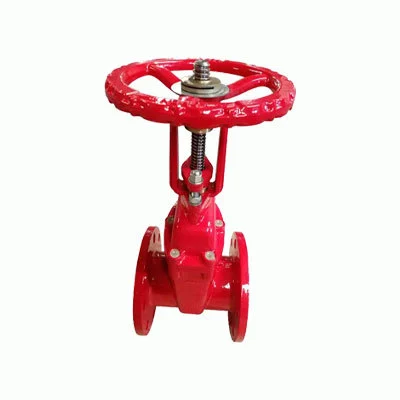
Understanding Fire Protection Flanged Valves: Function & Types
Fire control systems need parts that don't do anything for long periods of time but work perfectly when they do need to. Valve technology made for these uses is very different from flow control devices used in other industries.
Why Flanged Connections Matter for Fire Safety Systems?
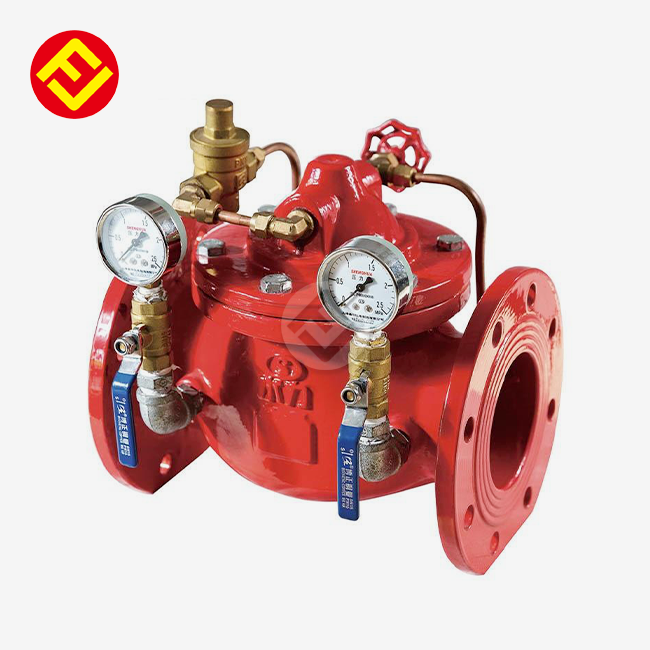
When it comes to large-diameter fire safety pipes, flanged end links are better mechanically than threaded or welded joints. The bolted unit spreads stress evenly across the connection surface, so it can handle 150 to 600 PSI system pressures without the risk of the seal blowing out. This way of connecting makes maintenance easier because techs can take apart valve sections without having to cut pipes or mess up nearby system parts. The face-to-face measurements are in line with ANSI B16.10 standards, which means they will work with current structures when they are being upgraded or added to.
Installers like how flanged valves perfectly fit into pipe systems because their bolt hole shapes match ANSI Class 125/150 or PN10/16 standards. The layer that prevents rust put on valve bodies makes them last longer in damp places where water pools between checks. This layer of protection keeps rust particles from getting into fountain heads, which could change the way the sprinklers spray when they are turned on.
Comparative Analysis of Valve Types in Fire Protection
Different types of valves have different functions in fire control networks, and each one works in a certain way.
Gate Valves with the OS&Y Style
Outside Screw and Yoke (OS&Y) gate valves are the most common type used for fire safety because the rising stem makes it easy to see where the valve is located right away. First responders can see across a room to see if the water flow is still open. With its EPDM rubber covering and strong wedge design, the seal works well even when dirt gets into the flow path. Full-bore design doesn't let pressure drop, so engineers can keep the hydraulic formulas they use to make sure sprinklers cover enough area.
Butterfly Valves for Space-Constrained Installations
Because they take up less room than gate valves, quarter-turn butterfly valves can be used in machinery rooms that aren't very big. The disc spins in a way that is perpendicular to the flow, which lets the system shut down quickly for repair. Modern designs have safety switches that set off alarms if someone shuts the valve without permission. This keeps the system from being accidentally shut down.
Ball and Globe Valves in Specialized Applications
Ball valves work great in situations where they need to be used often, but they are usually used for drain connections instead of main separation points in fire fighting valve systems. When inspectors check the system pressure and flow rates as part of their yearly maintenance, globe valves precisely limit the flow in test lines.
These valve technologies work together in stacked fire protection systems, with each one placed in a way that meets the needs of function and usability.
Material Selection and Industry Standards Compliance
Ductile iron that meets ASTM A536 Grade 65-45-12 has a higher tensile strength than regular cast iron. It can also handle thermal shock when cold water runs quickly through lines that are hot. The structure of carbon steel is good for high-pressure industry uses where the working conditions are harsher than those for a home fire system. According to AWWA C550 guidelines, the Fusion Bonded Epoxy (FBE) layer has a dry film thickness of more than 250 microns. This stops rust that could weaken valve bodies over many years of use.
Valve parts with certification marks show that they meet recognised safety standards. The UL 262 listing makes sure that valves meet the strict fire safety standards set by Underwriters Laboratories. When insurance companies look at property risk profiles, FM approval under Class 1120/1130 norms gives them peace of mind. These approvals aren't just pretty badges; they show that the seat has been tested for leaks at pressures up to 875 PSI and that the shell has been tested for hydraulic pressures.
Material Test Reports (MTR) that show the metal makeup back to casting runs should be included in valve paperwork, according to procurement managers. This ability to be tracked is very important for investigating after an accident if a failed valve caused damage to property.
Choosing the Right Fire Protection Flanged Valve for Sustainable Safety
To choose the right valve specs, you have to balance the needs of the current project with long-term goals for sustainability that lower costs and damage to the environment over the product's life.
Matching Valve Specifications to System Requirements
System pressure rates, temperature ranges, and flow factors set the scientific standards that are used to choose valves. Because barometric pressure rises by about 0.433 PSI per vertical foot, a 12-story office building needs different pressure levels than a one-story warehouse. Engineers figure out how much pressure is needed at the highest sprinkler head and then work backwards to find valve pressure levels that are safe.
Operating temperature issues go beyond what is normally found in the environment. Valves in parking garages that aren't warm have to work effectively at -20°C, while those near boiler rooms have to be able to handle temperatures close to 120°C. The material for the valve body and the seal compounds must stay strong through these temperature ranges without breaking down or becoming weak.
Flow capacity estimates show whether designs with full ports or smaller ports meet hydraulic needs. Full-port valves don't limit flow at all; the pipe's internal width stays the same through the valve body. This design stops pressure drop that could hurt sprinkler performance in faraway system zones where water pressure naturally drops.
Flanged versus Threaded Connections: Strength and Maintenance Factors
The way a connection is made affects both the cost of installation and the ease of long-term upkeep. Threaded valves are good for small-diameter jobs up to 2 inches where flanges can't be used because of lack of room. When the link is bigger than this, flanged joints are better for the structure and worth the extra cost.
The bolted flange assembly for a fire pipe valve spreads mechanical stress across several screws instead of putting all the weight on the pipe threads, which could break when the assembly is vibrated or heated and cooled. Maintenance crews can check flanged valves without having to use special pipe-cutting tools. This cuts down on system downtime during repairs or component upgrades. This flexibility is useful in buildings where fire safety systems need to keep working while different parts of the construction are being done.
The choice of gasket between the flange faces affects the chemical compatibility and stability of the seal. Non-asbestos fibre gaskets work well with normal wet pipe systems. EPDG rubber gaskets, on the other hand, can handle temperature expansion in dry pipe systems that switch between air flow and water flow.
Importance of UL-Listed Products and Supplier Reliability
Certification status tells the difference between real fire safety parts and industrial valves that are sold for life-safety purposes when they are not meant to be used for that purpose. For UL rating, makers have to send their goods to be tested by a third party to make sure they work in a fire. As part of the ranking process, the plant is inspected to make sure that quality control methods are still in line with samples that have been tried.
When choosing a supplier, you have to look at their production skills beyond what is listed in the catalogue. Companies with ISO 9001 certification have quality management systems that keep track of Products" target="_blank" style="color:blue" >products from the time they are received for review to the time they are tested for quality. Quick answers to technical questions and help with 3D designs speed up project planning, which helps buying managers meet tight building deadlines.
Customisation options for OEMs let them meet the specific needs of projects that normal catalogue goods can't. Manufacturing needs to be able to adapt to different pressure grades, metal formulas for toxic conditions, and changed sizes for aftermarket uses. When suppliers offer to work with engineers on developing specifications, they become strategic partners instead of just transactional sellers. They help the project succeed by fixing technical problems.
We at FLA Industrial & Trading Co., Ltd. have been making things for almost forty years, so we know a lot about how fire prevention parts work in a wide range of situations. Our engineering team responds within 24 to 48 hours to questions about technical specs, unique designs, and changes to dimensions. This helps buying workers who have to make quick decisions about important building projects.
Maintenance and Installation Best Practices for Fire Protection Flanged Valves
Installing fire safety valves correctly and following regular care steps are important for making sure they work well for the many years they are supposed to last.
Step-by-Step Installation Procedures
Before installing the valve, make sure that the flange sides are still clean and not harmed. Surface flaws or trash stuck between gaskets can lead to leaks that damage the system's integrity. Installers should check the position of the bolt holes before putting the valve bodies together, because uneven flanges show stress in the pipe upstream, which could damage the valve bodies.
Pay close attention to the centring between the flange edges when placing the gasket. When bolt pressure is put on an off-center gasket, it may push outward, causing uneven compression that can cause leaky leaks. Tightening the bolts follows a star pattern instead of a circle path. This makes sure that the gasket is compressed evenly, which stops it from twisting.
The torque requirements for fire fighting valve flange bolts depend on the width of the bolt and the type of material it is made of. Over-torqueing breaks seals or bends bolt threads past their elastic limits, while under-tightening lets vibrations loosen over time. Calibrated torque tools take the guessing out of the job and give reliable results that meet the manufacturer's requirements.
Routine Inspection and Maintenance Protocols
According to NFPA 25 guidelines, fire protection valves must be inspected at least once a week or once a month, based on whether automatic control checks the position of the valve. These checks make sure that the OS&Y stems stay fully open and that the safety switches work properly.
As part of the annual full-operation testing, each valve is closed all the way and then opened again to make sure that the disc or wedge hasn't stopped up from mineral deposits or rust. This practice moves the oils around on the stem threads and makes sure that the valve's working mechanism works smoothly without getting stuck. Inspectors write down how many turns are needed to stop the valve. This sets a standard for finding future damage.
Every five years, hydrostatic testing makes sure the structure is still solid by applying 200 PSI of pressure to separate valve parts for two hours and watching for pressure loss. Any quantifiable loss of air means there is a leak inside the valve that needs to be fixed before it can be used again.
Corrosion tracking looks at how well the coating is holding up, especially at the stem penetrations and flange faces where water can get in and speed up the rusting process. Minor surface rust can be fixed by wire brushing and applying a touch-up treatment, but large damage needs to be fixed by replacing the valve to avoid a catastrophic failure.
Troubleshooting Common Valve Issues
The most common problem with valves is stem leaking, which is usually caused by the packing gland becoming loose during temperature cycles. Tightening packing nuts by quarter-turn steps generally stops small leaks without having to shut down the system. Too much tightening raises the working force and speeds up stem wear, so changes should stop as soon as the leak stops.
If the valve disc isn't lined up right, it leads to partial closing, which can be found by looking for seat leaks. This problem usually happens when something gets stuck in the valve body or the stem corrodes, stopping the disc from moving all the way. Disassembly and cleaning may be able to get it working again, but broken sitting areas need to be machined by an expert or the part needs to be replaced.
When the operating force goes up, it means that there is internal rust or material buildup on the stem threads. Using approved thread additives to lubricate returns smooth operation, but persistent resistance shows advanced wear and needs valve replacement before a catastrophic failure happens during emergency operations.
These repair tasks make valves last longer and make sure they can be used reliably in an emergency. Inspection records that are written down show that rules were followed and show that proper care was taken in lawsuit cases after fires.
Conclusion
Fire protection flanged valve are important investments in infrastructure that need to be carefully chosen based on technical needs, environmental goals, and lifecycle costs. For effective long-term performance in a wide range of settings, from business buildings to industrial facilities, flanged valve designs are important for maintaining structure integrity and making upkeep easy. The choice of materials, proof of certifications, and correct installation lay the groundwork for decades of reliable service. Routine upkeep keeps the valve working between emergency activations. Comparing the original prices to the total costs of ownership shows that high-quality parts are more valuable than cheaper ones because they last longer thanks to better materials and coats that protect them. New technologies like smart monitors and eco-friendly materials are making fire protection systems ready for changing rules and standards in the workplace.
FAQ
For fire protection flanged valves, what pressure values should I give them?
The system pressure needs depend on the height of the building and the pump's specs. Valve ratings of 175 to 200 PSI are common for low-rise buildings. High-rise buildings with multi-stage fire pumps may need ratings of 300 PSI or higher. To find the minimum valve values, add the standing pressure at the spray head with the flow pressure that is still present. Adding a 20% safety cushion lets pressure rise during pump startup happen without putting too much stress on the parts.
When it comes to fire safety systems, how do flanged valves and threaded joints compare?
When the width is more than 2 inches and structural loads and easy upkeep are important, flanged joints are the best choice. The bolted unit spreads stress evenly and lets you take it apart without breaking any pipes, which cuts down on repair downtime. When there isn't enough room for a flange, threaded joints are better for smaller diameter uses. When put correctly, both types of connections work consistently, but flanged designs are more common in business and industrial fire protection systems because they are easier to use and can recognise codes.
How often does NFPA 25 say that fire safety valves need to be serviced?
According to NFPA 25, valves that are not being watched must be visually checked once a week and automatically checked once a month to make sure they stay in the fully open state. Every year, each valve has to be fully closed and reopened to make sure it works smoothly and doesn't seize. Every five years, internal tests check valve parts for rust or wear that needs to be fixed. Keeping records of these checks shows that you are following the rules and doing your part to keep the system ready.
Partner with FLA Industrial & Trading Co., Ltd. for Reliable Fire Protection Valve Solutions
For decades, choices about buying fire protection flanged valves have an effect on safety and working economy. FLA Industrial & Trading Co., Ltd. has been making things for almost forty years and can help you with your project needs by providing customised solutions, quick technical support, and guaranteed quality. Our engineering team works together on non-standard valve designs and can give you 3D models and specs within 24 to 48 hours, which speeds up the buying process. Get in touch with our experts at sales@flaindustrial.com to talk about how our fire protection flanged valve manufacturer services can give your vital infrastructure the dependability and performance it needs.
References
National Fire Protection Association. (2020). NFPA 25: Standard for the Inspection, Testing, and Maintenance of Water-Based Fire Protection Systems. Quincy, MA: NFPA Publications.
American Water Works Association. (2019). AWWA C550: Protective Interior Coatings for Valves and Hydrants. Denver, CO: AWWA Standards.
Factory Mutual Global. (2021). FM Approval Standard Class 1120: Fire Protection Valves - Gate, Butterfly, Ball, and Plug. Johnston, RI: FM Approvals.
Underwriters Laboratories. (2018). UL 262: Standard for Gate Valves for Fire Protection Service. Northbrook, IL: UL Standards & Engagement.
American Society of Mechanical Engineers. (2020). ASME B16.10: Face-to-Face and End-to-End Dimensions of Valves. New York, NY: ASME Press.
International Code Council. (2021). International Building Code: Chapter 9 - Fire Protection and Life Safety Systems. Washington, DC: ICC Publications.