How Welding Table Clamps Work: A SImple Guide
2026-06-15 15:31:10


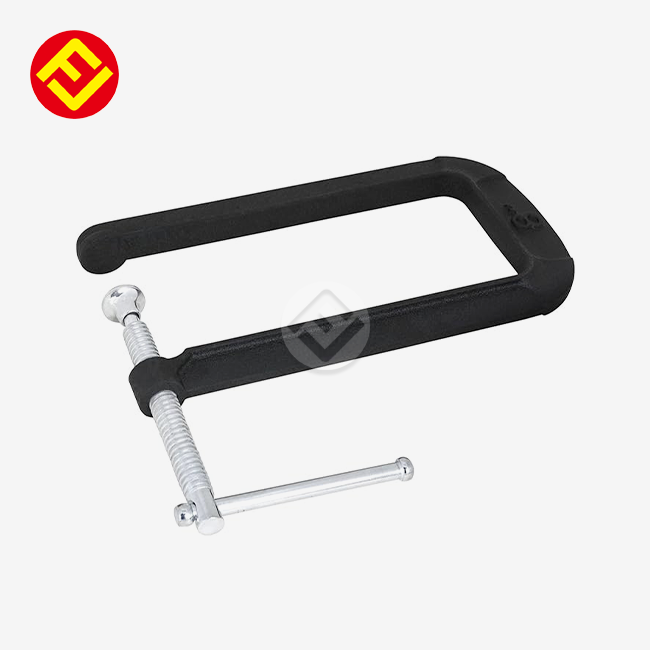
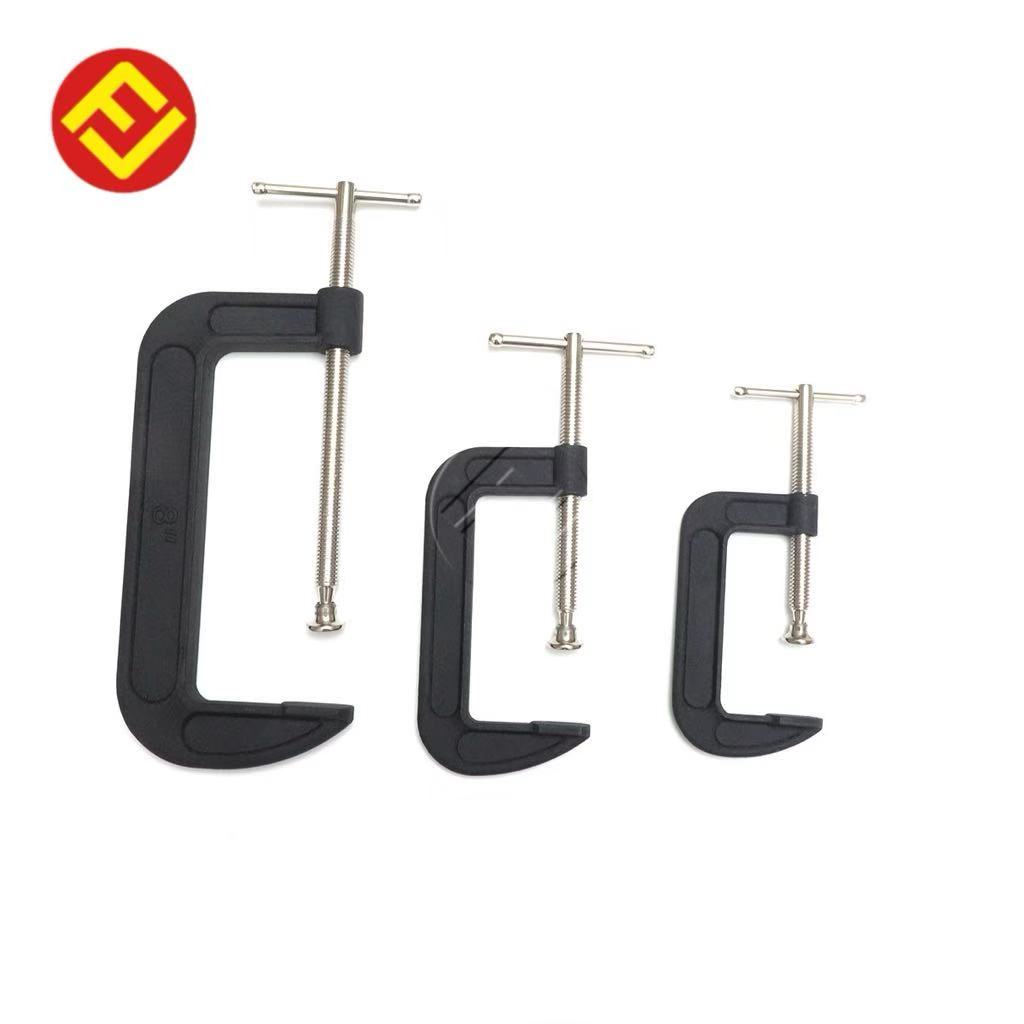
As mechanical fixturing tools, welding table clamps keep workpieces securely in place while metalworking. When you use the F-Clamps/16mm-welding-table-clamps">16mm welding table clamp, for example, the shaft fits into holes that have already been drilled in modular welding tables using a base-and-spindle system. The threaded spindle moves lower when you turn the handle, putting vertical pressure on the workpiece surface through a swivel pad. This design keeps things from moving while they are being cut, ground, or welded, so the measurements are always correct and the workers are safe during the whole manufacturing process.


Understanding 16mm Welding Table Clamps: Features and Functionality
Modern fabrication environments demand fixturing solutions that balance portability with holding strength. The standard 16mm welding table clamp achieves this equilibrium through thoughtful engineering that addresses real workshop challenges faced by contractors and production teams daily.
What Makes the 16mm Size Practical?
The 16mm diameter represents an industry-standard bore size compatible with most modular welding tables manufactured globally. This standardization means purchasing decisions become simpler when you need to scale operations across multiple workstations. Unlike proprietary systems requiring brand-specific accessories, these clamps integrate seamlessly with tables from various manufacturers, reducing inventory complexity for procurement managers overseeing diverse tooling environments.
Workshop spatial constraints often dictate equipment choices. The compact footprint of this clamp size allows positioning in tight corners and confined jig areas where larger 20mm or 28mm variants cannot physically fit. Electrical contractors working on panel assemblies particularly appreciate this advantage when routing conduit requires access from multiple angles without fixturing interference.
Core Construction Materials
Carbon steel variants deliver exceptional rigidity needed for heavy-duty steel fabrication. The material withstands torsional stress when clamping I-beams or thick plate stock without deflection. We manufacture these clamps using precision casting processes followed by CNC machining to achieve tight tolerances on critical dimensions like shaft diameter and thread pitch.
Malleable cast iron alternatives offer superior vibration damping properties valuable in grinding and plasma cutting applications where tool chatter affects surface finish quality. The material's inherent toughness prevents brittle fracture under impact loading—a common failure mode when clamps accidentally receive hammer blows during jig setup.
Both material options receive zinc-plated or powder-coated finishes that resist oxidation in humid environments. Plumbing contractors working with wet piping systems benefit from this corrosion protection, extending clamp service life beyond uncoated alternatives that develop surface rust within months of workshop exposure.
The Clamping Mechanism Explained
Understanding operational mechanics helps maintenance teams troubleshoot performance issues. The base component features a rail profile (typically 13.5×6.5mm or 22×10.5mm dimensions) that fits into table slots, preventing rotational movement during tightening. This anti-rotation design ensures applied force remains perpendicular to the workpiece rather than creating lateral slippage.
The threaded spindle converts rotational input from the T-handle into linear clamping force. Standard Acme thread profiles used in quality welding table clamps provide mechanical advantage ratios enabling operators to generate substantial holding pressure without excessive physical effort. Procurement engineers should verify thread specifications during supplier evaluation since coarse threads wear prematurely under frequent use.
Ball-joint pressure pads at the spindle tip accommodate angled workpiece surfaces up to approximately 15 degrees from horizontal. This articulation maintains full contact area even when clamping tapered components or slightly warped sheet metal, distributing pressure evenly to prevent material deformation.
How to Use and Maintain Your 16mm Welding Table Clamp?
Proper operational techniques directly influence both weld quality outcomes and clamp longevity. Training production staff on correct usage patterns reduces replacement costs while improving workplace safety metrics that matter to site supervisors managing contractor teams.
Step-by-Step Setup Process
Begin by inspecting the table bore for debris accumulation or previous weld spatter that could prevent full shaft insertion. Use a wire brush to clean holes before positioning clamps. Insert the clamp shaft vertically until the rail engages the slot completely—you should feel positive engagement with no wobble.
Position your workpiece allowing at least 10mm clearance between the clamp body and weld zone. This spacing prevents heat transfer that could anneal the spindle threads, causing premature wear. Rotate the handle clockwise while applying steady downward pressure. Avoid impact tightening with hammers, which damages the ball-joint mechanism and creates uneven clamping force distribution.
For aluminum workpieces, place a copper or brass shim between the pressure pad and material surface. This prevents galvanic reaction and surface marring that rejects finished parts during quality inspection. Hardware distributors serving aerospace fabricators should stock compatible shim sets as value-added accessories.
Essential Maintenance Practices
Daily cleaning removes grinding dust and metal particulates that infiltrate thread valleys. Use compressed air followed by solvent wiping before storage. This simple habit prevents abrasive contamination that accelerates wear on precision-machined threads.
Apply anti-seize compound to spindle threads weekly in high-volume production settings. Copper-based formulations withstand welding heat exposure better than petroleum lubricants that carbonize and create sticky residue. Maintenance supervisors should establish lubrication schedules matching production intensity—light users may extend intervals to monthly applications.
Quarterly inspection should include ball-joint articulation testing. Grasp the pressure pad and verify smooth multi-directional movement without excessive play. Worn joints require replacement to maintain proper contact geometry. We supply replacement pad assemblies separately, enabling field-level repairs without discarding entire clamp units.
Check shaft diameter annually using precision calipers. Measurements below 15.85mm indicate wear beyond acceptable tolerance, causing loose fit that compromises positioning accuracy. Procurement teams should factor replacement cycles into annual tooling budgets based on documented usage patterns.
Safety Protocols
Always wear leather gloves when adjusting clamps during welding operations. Metal components conduct heat rapidly, creating burn hazards even several inches from active weld zones. Site supervisors should enforce PPE compliance through regular safety audits documented for OSHA compliance.
Never exceed rated clamping force specifications attempting to secure oversized workpieces. Over-tightening stresses threads beyond yield strength, causing sudden failure that launches components across work areas. Match clamp capacity to job requirements—larger projects warrant stepping up to 20mm or 28mm sizes with higher force ratings.
Inspect for crack propagation around base castings quarterly. Hairline fractures indicate fatigue failure developing from repeated thermal cycling or impact abuse. Remove damaged clamps from service immediately to prevent catastrophic failure during operation.
Comparing 16mm Welding Table Clamps with Other Welding Clamping Solutions
Procurement decisions require objective performance comparisons across available fixturing technologies. Understanding capability differences helps align purchases with specific operational requirements rather than defaulting to familiar options that may not optimize workflow efficiency.
16mm Versus 20mm Mechanical Clamps
The primary differentiation involves clamping force capacity. Standard 16mm models generate approximately 2.5 kN holding force, adequate for sheet metal fabrication, light structural work, and woodworking applications. In contrast, 20mm variants deliver 5-7 kN, necessary when securing thick steel beams or absorbing cutting forces from heavy milling operations.
Workspace accessibility represents another consideration. The smaller throat depth of 16mm welding table clamps permits positioning closer to workpiece edges and inside confined geometries like tube frameworks. Furniture manufacturers welding chair frames particularly value this maneuverability when accessing internal joints without fixturing obstruction.
Cost differences typically range 30-40% between sizes when sourcing equivalent quality grades. Hardware wholesalers serving price-sensitive contractors can differentiate inventory by stocking 16mm units for general-purpose resale while maintaining limited 20mm stock for specialized customer requests.
Mechanical Clamps Versus Magnetic Systems
Magnetic clamps offer instant positioning without requiring pre-drilled table holes, appealing for field work where portability outweighs precision. However, magnetic holding force degrades with heat exposure during extended welding, creating safety hazards when workpieces unexpectedly shift mid-operation. Electrical utility companies performing maintenance welding on energized systems cannot risk magnetic interference with sensitive instruments.
Mechanical clamps maintain consistent holding force regardless of ambient temperature or electromagnetic fields. This reliability proves essential in robotic welding cells where programmed toolpaths assume fixed workpiece geometry. Position repeatability within 0.05mm becomes achievable with quality mechanical fixtures—an impossibility with magnetic alternatives.
Contamination resistance favors mechanical designs. Grinding dust and weld spatter accumulate on magnetic surfaces, reducing effective contact area and holding strength. The enclosed spindle design of threaded clamps isolates critical components from environmental contamination, extending maintenance intervals between servicing.
Quick-Release Versus Standard Designs
Quick-release mechanisms incorporate cam-lock or lever-actuated systems that enable single-motion clamping without repetitive handle rotation. Production environments with frequent changeovers benefit from reduced setup time—automotive exhaust fabricators report 40% faster jig loading when switching between part configurations.
However, quick-release designs introduce additional mechanical complexity and potential failure points. Procurement engineers should weigh convenience against long-term durability requirements. Standard threaded clamps contain fewer moving parts, translating to lower maintenance needs and extended service life in harsh environments where dust and debris compromise complex mechanisms.
Cost premium for quick-release functionality typically adds 60-80% to unit pricing. Construction contractors performing single-setup jobs spanning days find minimal value in this feature, making standard designs more economically rational. Conversely, job shops running mixed production with multiple daily setups achieve rapid ROI through labor savings offsetting higher initial investment.
Choosing the Best 16mm Welding Table Clamp for Your Business Needs
Strategic procurement extends beyond comparing technical specifications to encompass supplier capabilities, lifecycle costs, and operational compatibility factors that influence total cost of ownership across multi-year planning horizons.
Material Compatibility Considerations
Aluminum fabrication demands clamps with non-marring contact surfaces to prevent galvanic corrosion and aesthetic damage. Verify whether supplied pressure pads incorporate brass or polymer inserts rather than bare steel that leaves impression marks requiring secondary finishing operations. HVAC contractors working with thin-wall ductwork particularly benefit from protective contact designs.
Stainless steel workpieces require higher clamping forces due to material springback characteristics. Confirm force ratings match application demands—undersized clamps allow workpiece movement during welding, creating defective joints that fail quality inspection. Marine fabricators should prioritize corrosion-resistant clamp finishes since stainless projects typically occur in humid environments accelerating tool degradation.
Carbon steel applications tolerate standard clamp specifications without special accommodation. However, heavy plate work exceeding 12mm thickness may warrant upgrading to larger clamp sizes despite bore compatibility, purely to achieve adequate holding force preventing thermal distortion during multi-pass welding procedures.
Evaluating Supplier Credentials
ISO9001 certification validates systematic quality management throughout manufacturing operations. This third-party verification reduces procurement risk compared to uncertified suppliers lacking documented process controls. Request certificate copies during supplier evaluation, confirming scope coverage includes specific product categories rather than unrelated business units.
Production capacity influences delivery reliability during demand surges. We maintain 2,000 tons of raw material inventory enabling rapid response to bulk orders without extended lead times disrupting project schedules. Suppliers lacking adequate inventory buffers introduce supply chain vulnerability when contractors face penalty clauses for delayed project completion.
Customization capabilities differentiate strategic manufacturing partners from commodity resellers. Our engineering team develops modified clamp geometries accommodating non-standard table configurations or specialized workpiece requirements. This flexibility proves valuable when off-the-shelf solutions cannot address unique operational constraints encountered in complex fabrication scenarios.
Technical support availability impacts operational continuity. Responsive suppliers answering specification inquiries within 24-48 hours accelerate decision-making compared to vendors requiring weeks for simple clarifications. We provide 3D CAD models upon request, enabling virtual fitment verification before purchase commitments.
Bulk Procurement Strategies
Volume pricing structures typically activate at quantity thresholds around 100 units for standard configurations. Hardware distributors should negotiate tiered pricing agreements establishing predictable cost structures supporting competitive retail positioning while maintaining acceptable margin profiles.
Consolidated shipping reduces per-unit logistics costs when combining multiple product categories into container loads. Coordinate welding table clamp purchases with complementary tooling acquisitions—hand tools, electrical accessories, or pipe fittings—maximizing freight efficiency. Our logistics team optimizes pallet configurations minimizing dimensional weight charges that inflate international shipping expenses.
Payment terms influence working capital requirements. Standard 30-day net terms suit established distributors with healthy cash flow, while newer operations may require extended terms or progressive payment structures aligning outflows with inventory turnover cycles. Transparent financial discussions during negotiation establish mutually beneficial arrangements supporting long-term business relationships.
Quality assurance protocols should include receiving inspection procedures. Implement sampling plans measuring critical dimensions like shaft diameter and thread pitch, rejecting non-conforming batches before distribution into customer channels. This quality gate protects brand reputation and reduces warranty claim expenses eroding profit margins.
Real-World Cases and Benefits of Using 16mm Welding Table Clamps
Examining practical implementation outcomes provides tangible evidence supporting investment decisions. Documented case studies quantify operational improvements translating technical specifications into business value metrics that resonate with financial decision-makers evaluating capital equipment purchases.
Precision Automotive Exhaust Manufacturing
A mid-sized exhaust system manufacturer serving aftermarket performance segments faced quality challenges with stainless steel manifold production. Original fixturing using general-purpose C-clamps allowed workpiece shifting during TIG welding, creating misaligned flange bolt patterns that increased rejection rates to 12% of output.
After transitioning to precision 16mm table clamps with ball-joint pressure pads, positioning repeatability improved dramatically. The compact clamp profile enabled placement inside tight radius bends without torch access obstruction. Quality metrics improved within three production cycles—rejection rates dropped to 2.8%, recovering material costs exceeding $18,000 annually while eliminating rework labor consuming 6 hours weekly.
Setup time per fixture configuration decreased 35% compared to previous methods requiring multiple clamp adjustments achieving stable positioning. This efficiency gain increased daily throughput from 47 to 61 assemblies without additional labor hours, improving capacity utilization that deferred planned equipment expansion investments.
Educational Metalworking Programs
A technical college operating welding certification courses equipped student workstations with 16mm clamps replacing worn toggle clamps exhibiting excessive play. Instructors reported improved student confidence as workpiece stability eliminated frustration from shifting materials during initial skill development exercises.
The standardized clamp design simplified instruction since all stations utilized identical fixturing procedures. Students transitioning into industry employment demonstrated familiarity with professional-grade equipment matching employer workshop configurations, reducing onboarding time and improving job placement outcomes—a key performance metric for vocational programs.
Durability proved essential given intensive student use patterns involving frequent adjustments and occasional mishandling. After two academic years encompassing approximately 1,200 student-hours per clamp, inspection revealed minimal wear requiring no component replacements. This longevity validated procurement decisions prioritizing quality over initial cost savings from economy alternatives requiring replacement within single semesters.
Emerging Industry Trends
Material science advances introduce plasma-nitrided surfaces achieving 58-62 HRC hardness that dramatically extends service life in abrasive environments. Early adoption by high-volume fabricators demonstrates 3x longer thread life before replacement becomes necessary, reducing lifecycle costs despite 25% higher initial pricing.
Ergonomic handle designs incorporating cushioned grips reduce operator fatigue during extended setup sessions. Furniture manufacturers report decreased repetitive strain complaints following transition to ergonomically optimized 16mm welding table clamps, supporting workplace safety initiatives while maintaining productivity levels.
Modular quick-change systems allowing rapid pressure pad swapping accommodate diverse material types without maintaining separate clamp inventories. This versatility appeals to job shops serving varied customer bases requiring frequent reconfiguration between aluminum, steel, and composite material projects.
Conclusion
Welding table clamps represent foundational fixturing elements enabling precision metalworking across diverse industrial applications. The 16mm size delivers optimal balance between holding force, workspace compatibility, and economic value for medium-duty fabrication tasks. Understanding operational mechanics, maintenance requirements, and performance comparisons empowers procurement teams to make informed decisions aligning tooling investments with specific production requirements. Quality manufacturing backed by ISO9001 certification ensures reliable performance throughout extended service life, while supplier capabilities regarding customization and responsive support differentiate strategic partnerships from transactional vendor relationships. As fabrication technologies evolve toward automation and precision requirements tighten, investing in proven fixturing solutions establishes operational foundations supporting competitive advantage in demanding manufacturing environments.

FAQ
Can I use these clamps on System 28 tables with adapters?
Technically possible using reduction bushings, but not recommended for structural steel fabrication. The 16mm clamp generates approximately 2.5 kN force compared to 5-7 kN from native System 28 fixtures. Heavy beam work may exceed capacity, risking workpiece movement during welding. Reserve adapted configurations for lighter sheet metal or aluminum projects where force requirements remain within safe operating limits.
How do I protect threads from weld spatter damage?
Quality clamps incorporate enclosed spindle designs preventing direct spatter contact with threads. Apply anti-spatter spray to exposed surfaces before welding sessions, creating sacrificial barrier coatings that peel away during cleaning. Plasma-nitrided threads naturally repel molten metal adhesion better than standard heat treatment. Establish post-shift cleaning protocols removing residue before solidification bonds permanently to metal surfaces.
What is typical pressure pad service life?
In high-volume production exceeding 40 clamp cycles daily, consider pads consumable components requiring annual replacement. Ball-joint mechanisms wear from repeated articulation and impact loading. Quality clamps feature removable pad assemblies enabling field replacement without discarding entire units. Stock replacement pads as maintenance inventory, scheduling proactive changes during planned downtime rather than reacting to failures disrupting production schedules.
Partner with FLA Industrial & Trading Co., Ltd. for Premium Welding Table Clamp Solutions
Quality fixturing starts with experienced manufacturing partners who understand your operational demands. FLA Industrial & Trading Co., Ltd. brings nearly 40 years of expertise producing professional-grade 16mm welding table clamps and comprehensive hardware solutions. Our ISO9001-certified production facilities maintain rigorous quality standards ensuring dimensional accuracy and durability you can depend on for demanding fabrication environments. Whether you need standard configurations or custom engineered solutions, our technical team provides responsive support from initial specification through delivery and beyond. Contact our procurement specialists at sales@flaindustrial.com to discuss bulk pricing, custom OEM development, or technical specifications for your specific application requirements. As a trusted 16mm welding table clamp manufacturer serving Fortune Global 500 partners across construction, manufacturing, and distribution sectors, we deliver the quality, service, and value your business demands.
References
American Welding Society. (2021). Welding Handbook Volume 2: Welding Processes, Part 1. Miami: AWS Publications.
Hoffman, P. & Chen, L. (2019). Fixturing Fundamentals for Manufacturing Efficiency. Detroit: Society of Manufacturing Engineers Press.
International Organization for Standardization. (2020). ISO 9001:2015 Quality Management Systems – Requirements and Implementation Guidance. Geneva: ISO Central Secretariat.
Jeffries, M. (2022). Modern Metalworking Techniques for Industrial Fabrication. New York: Industrial Press Inc.
Thompson, R. & Garcia, J. (2020). "Comparative Analysis of Mechanical Versus Magnetic Workholding Systems in Production Welding." Journal of Manufacturing Technology, 45(3), 127-142.
United States Occupational Safety and Health Administration. (2023). Welding, Cutting, and Brazing Safety Standards. Washington: U.S. Department of Labor.