Are Pneumatic Bag Jacks Safe? A Technician’s Guide to Lifting and Supporting Vehicles
2026-06-15 15:31:24


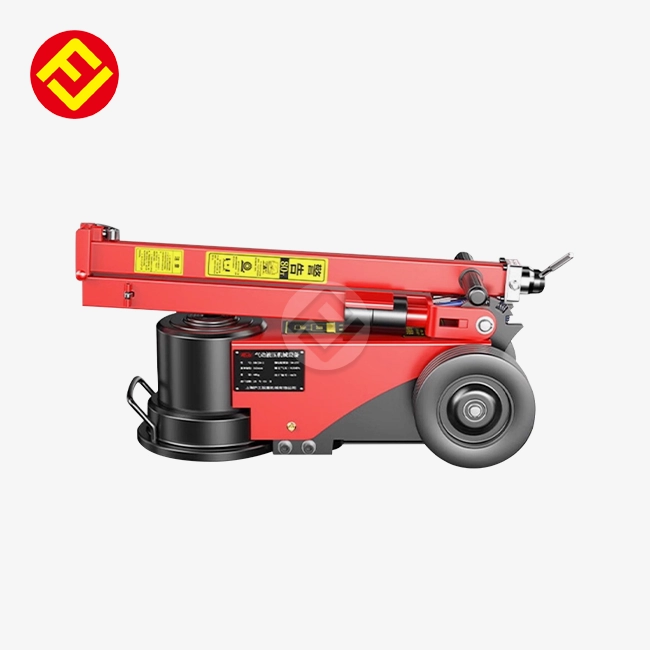
When looking at lifting tools for use with industrial vehicles, safety is the first thing that comes to mind. Pneumatic bag jacks, which are also called air-powered lifting systems, are safe to use as long as you follow the manufacturer's instructions and best practices in the industry. When it comes to safety, these compressed air devices are much better than traditional hydraulic systems. They can respond faster, don't risk oil contamination, and can lift safely on uneven surfaces. But their safety relies on how they are used, how often they are serviced, and how well people understand that they are meant to be used for dynamic lifting rather than long-term static support.


Understanding Pneumatic Bag Jacks: Design and Working Principle
For air-powered lifting technology to work, stronger rubber bladders must be inflated and deflated in a controlled way. Traditional bottle jacks use hydraulic fluid pressure or mechanical screw mechanisms to lift big loads quickly and smoothly. These systems, on the other hand, use compressed air.
Core Components That Enable Safe Operation
The main part of the system is the airbag assembly, which is made of vulcanised rubber strengthened with several layers of nylon cord or steel mesh. Because it is made of multiple layers, the bag can withstand forces inside that are higher than 1.2 MPa without losing its shape. Chrome-plated cylinders in high-quality units fight corrosion better and allow the piston to move smoothly over the entire service life. Fluororubber or nitrile rubber gaskets are usually used in the closing system. These gaskets keep the air out in a wide range of temperatures, from freezing to very hot in the summer.
Modern designs build important safety features right into the device for lifting. Built-in pressure release valves keep the bag from getting too inflated, which could weaken its structure. Controlling the release of compressed air is done by exhaust mufflers, which also protect workers from noise. The air hose link has quick-disconnect fittings that make setup quick while keeping connections safe while the system is running.
How Compressed Air Creates Controlled Lifting Power?
When squished air comes into the bag chamber, it makes the strengthened rubber spread out evenly. This expansion creates a lifting force that is spread out over the whole contact area instead of being focused in one place. Standard operating pressure is between 6 and 10 Bar, which is about 85 to 145 PSI. This is a pressure range that most commercial air compressor systems can handle.
The controlled inflation process makes it possible for techs to quickly and accurately change the height. With hydraulic jacks, you have to pump them over and over, which can take more than a minute. With air-powered systems, you can fully extend them in less than five seconds. In high-volume service settings, this quick response cuts cycle times by a huge amount.
Advantages Over Traditional Lifting Methods
There are many useful features built into air-powered lifting devices that make them useful in tough industrial settings. Since there is no hydraulic fluid, there is no chance of pollution. This is especially helpful when working near finished surfaces or in areas that are sensitive to the environment. The wide contact footprint evenly spreads the weight, keeping the jack from sinking into soft surfaces like asphalt or gravel, which is a common way for narrow-wheeled hydraulic units to break.
Another practical benefit is the ability to handle changes in temperature. When it's cold, hydraulic fluid viscosity changes a lot, which makes pumps less effective and slows down operation. Compressed air works the same no matter what the temperature is outside, so it can be used reliably even when the seasons change.
Safety Guidelines and Best Practices for Technicians
Knowing what the technology can and can't do is important for safely using air-powered lifting tools. There are clear benefits to these systems, but they need to be used according to set rules to keep people and equipment safe.
Pre-Operation Site Assessment and Preparation
Technicians should check the ground's steadiness and levelness before setting up any lifting equipment. Loose gravel, soft earth, or surfaces that slope make lifting less stable and increase the risk of tipping. When working on surfaces that might not be stable, put a hard platform under the pneumatic air jack to better spread the weight.
Check the vehicle or load to find the lift places suggested by the manufacturer. Placing the contacts correctly keeps the structure from getting damaged and makes sure that the weight is evenly spread across the airbag surface. When you lift something, the surface should be clean and have no sharp edges or protrusions that could poke holes in the rubber bag.
Critical Operating Parameters and Load Limits
Each air-powered lifting tool has a maximum load weight that should never be passed. These numbers take into account safety margins that are built into the design. Usually, the burst pressure needs to be at least three times the maximum working pressure. Trying to lift things that are heavier than what the structure can handle puts both the structure and the operator at risk.
There are clearance tolerances that affect the function of the internal telescopic stabiliser that stops movement to the side during inflation. When loads are centred, they move up and down, but if they are not centred, they can tilt or shift in a surprising way. Stability is maintained by keeping the load straight over the bag's center axis.
Essential Maintenance Protocols for Sustained Safety
Inspections done on a regular basis find possible problems before they become dangerous. A visual inspection should show any surface cracks, visible reinforcement cords, or wear and tear on the rubber. These signs mean that the item is nearing the end of its useful life and needs to be replaced right away. Quality units usually last between three and five years when they are used a lot in business, but being near welding sparks, sharp metal edges, or acidic fluids shortens their life.
Parts of an air system need to be checked on a regular basis to make sure they keep working right. When the check valve is working, a quick hose disconnect doesn't lead to uncontrolled lowering. The stability of the seal stops the load from settling without warning by stopping the slow loss of air. Manufacturers usually suggest checking for leaks on a regular basis, where the loaded jack can hold pressure for 24 hours with less than a 5% drop in pressure.
How you store things has a direct effect on how long they last. Keep units in a clean, dry place out of direct sunlight and away from high temperatures. Ultraviolet light breaks down rubber materials, making them less flexible and more likely to crack early.
The Critical Distinction Between Lifting and Supporting
Figuring out what pneumatic air jacks can and can't do safely is one of the most important safety rules. When loads need to be raised, work needs to be done, and then the load needs to be dropped within a short amount of time, these devices are great at dynamic lifting and positioning. They clearly aren't made to hold things in place for a long time.
As soon as a machine or vehicle hits the right height, jack stands or other mechanical locking devices must be put under it right away so that work can begin. Changes in temperature cause changes in air pressure, and tiny leaks can let things settle down slowly over long periods of time. If someone is working under an air-powered jack, you should never expect it to hold the load. This is an unacceptable safety risk, no matter how good the equipment is.
Pneumatic Bag Jack vs. Alternative Lifting Solutions: A Safety and Efficiency Comparison
When making a purchase choice, it's helpful to know how different lifting technologies stack up in terms of safety and how they work. Each method has its own benefits that make it better for a certain type of application.
Performance Analysis Across Lifting Technologies
For decades, hydraulic floor jacks have been the standard in the business because they reliably lift things with their mechanical advantage. Additionally, they offer great load stability for steady holding, but their pumping system needs consistent physical effort and time. There is a chance that hydraulic fluid will leak, which is bad for both safety and the environment.
Electric lifting systems give operators exact control with little work. They work well in clean, temperature-controlled places, but they might not be able to handle being outside or working in harsh circumstances. Because they are more complicated mechanically, they may need more maintenance than technologies that are easier.
Air-powered devices stand out because they can be set up and used quickly. The three- to five-second inflation cycle is much faster than manual hydraulic pumping. This is especially useful in high-throughput service areas where time directly affects income. Since there is no hydraulic fluid, there is no chance of contamination. This makes these units perfect for assembly line use where product cleanliness is important.
Safety Feature Comparison in Industrial Scenarios
There are different levels of risk associated with the failure modes of different lifting systems. If the release valve doesn't work right, a fast seal failure can happen in hydraulic systems, causing the system to drop quickly and out of control. If you don't grease or oil mechanical jacks properly, they can bind or seize, which makes lifting or lowering tasks less stable.
Good air-powered units have non-return check valves that keep air in the bag even if the supply line breaks. This design feature keeps the load in place when the hose suddenly breaks, giving operators important time to react. Built-in pressure relief valves keep the bags from getting too inflated, which could cause them to burst. However, this safety feature only works when the valves are clean and not clogged with dirt.
Application-Specific Performance Advantages
Air-powered systems are great for emergency rescue efforts where every second counts because they can respond quickly. In situations where a vehicle needs to be extracted quickly, being able to fit into very small spaces under damaged vehicles gives it operating flexibility that other technologies can't match.
Another unique benefit is that it works well on soft ground. Conditions on the ground are often unsteady on construction sites, farms, and off-road recovery situations. Inflated airbags have a wide base that spreads the weight over a bigger area. This keeps the pneumatic air jack from sinking into mud, sand, or loose soil, where narrow-wheeled models would fail completely.
Air-powered operation makes it much easier for operators to keep up with high-frequency, repetitive lifting jobs. Compressed air systems only need valve operation, while hydraulic jacks need constant pushing, which can cause repetitive strain injuries. This benefit for ergonomics is more useful in places that handle dozens or hundreds of moves every day.
Selecting the Right Pneumatic Bag Jack for Your Industrial Needs
Matching equipment specifications to operational requirements ensures safety, efficiency, and cost-effectiveness over the service life of the investment. Procurement teams should evaluate several critical factors when specifying air-powered lifting solutions.
Load Capacity Evaluation and Safety Margins
The rated capacity must accommodate the heaviest anticipated loads with appropriate safety margins. Units typically offer dual capacity ratings—a lower rating for maximum lift height and a higher rating at reduced extension. Understanding these graduated capacities prevents inadvertent overloading during operation. Automotive service applications generally require 2.5 to 5-ton capacities, while industrial machinery positioning may demand 10 tons or greater.
The minimum collapsed height determines whether the jack can fit beneath low-clearance vehicles or equipment. Quality designs achieve profiles between 135-150mm while still reaching maximum lift heights of 400mm or more through multi-stage bag configurations. This extended range provides operational flexibility across diverse vehicle types and lifting scenarios.
Material Quality and Durability Considerations
Construction materials directly impact service life and reliability. Carbon steel frames offer excellent strength at economical pricing, suitable for standard industrial environments. Alloy steel provides enhanced durability for heavy-duty applications involving harsh conditions or frequent use. Aluminum alloy constructions reduce weight for portable applications while maintaining adequate strength, though at higher cost points.
The quality of seal materials determines air retention and temperature tolerance. Fluororubber seals deliver superior chemical resistance and maintain flexibility across extreme temperature ranges, making them ideal for outdoor use or exposure to automotive fluids. Nitrile rubber provides cost-effective sealing for controlled environment applications.
Chrome-plated cylinders resist corrosion and reduce friction for smoother operation compared to painted or bare metal surfaces. This feature extends service intervals and maintains consistent performance throughout the equipment lifecycle.
Certification Requirements and Compliance Standards
Quality management certifications verify that manufacturing processes meet international standards. ISO 9001 certification demonstrates systematic quality control throughout production, from raw material inspection through final testing. CE marking indicates compliance with European safety directives, providing assurance that the equipment meets rigorous design and manufacturing requirements.
Pressure equipment standards such as PED (Pressure Equipment Directive) and relevant national regulations like GB standards in manufacturing countries establish minimum safety requirements for vessels operating under pressure. Equipment bearing these certifications has undergone burst testing, leak testing, and cycle fatigue evaluation to verify safe operation within specified parameters.
Specialized environments may require additional certifications. ATEX approval indicates suitability for potentially explosive atmospheres, essential for operations in chemical facilities or environments where flammable vapors may be present.
Supplier Selection and Long-Term Support
Established manufacturers with decades of production experience offer reliability that newer entrants may not match. FLA Industrial & Trading Co., Ltd. brings nearly 40 years of expertise in precision manufacturing, supported by advanced production capabilities and stringent quality management systems. With over 1,000 product specifications available from substantial inventory, we can fulfill both immediate requirements and custom configurations.
Responsive technical support distinguishes superior suppliers from commodity vendors. Access to engineering consultation during specification selection prevents costly mismatches between equipment capabilities and application requirements. Rapid response to technical inquiries—typically within 24-48 hours—keeps projects moving forward without unnecessary delays.
Warranty coverage and after-sales service availability protect the investment beyond the initial purchase. Suppliers offering comprehensive warranty programs and accessible replacement parts support minimize downtime when maintenance becomes necessary. The ability to provide 3D design files and technical documentation facilitates integration planning and operator training.
Real-World Applications and Case Studies Demonstrating Safety and Efficiency
Practical experience from diverse industrial sectors illustrates how proper implementation of pneumatic air jack delivers measurable safety improvements and operational benefits.
High-Volume Automotive Service Operations
A regional tire and service chain operating 47 locations across three states implemented air-powered lifting systems across their alignment and tire service bays. The rapid cycle time—from vehicle entry to lift completion in under 10 seconds—increased throughput by 18 percent compared to their previous hydraulic floor jack procedures. Technician feedback highlighted reduced physical fatigue, with repetitive strain complaints declining by 34 percent during the six months following implementation.
Safety incident tracking revealed zero lifting-related injuries during the first operational year, compared to three minor incidents in the previous year involving hydraulic equipment. The elimination of hydraulic fluid spills on service bay floors reduced slip hazards and simplified facility maintenance procedures.
Construction Equipment Maintenance Facility
A heavy equipment dealer maintaining rental fleet machinery integrated air-powered lifting systems for track and undercarriage service work. The ability to position equipment on uneven outdoor maintenance pads solved a persistent challenge with traditional floor jacks that would sink into asphalt softened by summer heat.
The maintenance supervisor reported that positioning time for undercarriage access decreased from an average of 12 minutes to under 3 minutes per machine. This efficiency gain allowed the facility to complete 22 percent more preventive maintenance services monthly without adding staff or extending operating hours. Equipment availability for rental deployment improved correspondingly, generating measurable revenue impact.
Emergency Response and Vehicle Recovery Operations
A municipal fire and rescue department replaced conventional rescue equipment with air-powered lifting systems specifically rated for emergency response. The compact collapsed height and rapid deployment capability proved valuable during vehicle extraction operations following collisions.
Training records indicated that firefighters achieved proficiency with the new equipment 40 percent faster than with previous hydraulic rescue tools. The lighter weight—particularly important for aluminum alloy models—reduced operator fatigue during extended rescue operations. Department safety officers noted that the predictable, controlled lifting action improved scene safety by reducing unexpected load shifts during patient extraction procedures.
Conclusion
Air-powered lifting systems deliver substantial safety and efficiency advantages when matched appropriately to operational requirements and used according to established protocols. Their rapid deployment, clean operation, and adaptability to challenging surfaces make them valuable assets across automotive service, industrial maintenance, and emergency response applications. Safety depends fundamentally on understanding that these devices excel at dynamic lifting tasks but require supplementary support equipment for static load holding. Proper operator training, routine maintenance inspection, and adherence to load capacity limits ensure that pneumatic air jacks perform reliably throughout their service life. For procurement professionals evaluating lifting equipment options, the combination of speed, versatility, and reduced physical demands positions air-powered technology as a compelling choice that balances initial investment against long-term operational benefits and safety performance.

FAQ
Can pneumatic bag jacks lift vehicles on uneven ground safely?
Air-powered lifting systems perform better on uneven surfaces than traditional floor jacks due to their wide footprint and flexible bag design. However, significant ground slope or instability still creates tipping hazards. Always assess the surface before lifting, and use rigid platform bases on questionable ground to distribute weight effectively and maintain stability throughout the lifting operation.
What maintenance schedule should facilities implement for air-powered jacks?
Visual inspections should occur before each use, checking for rubber deterioration, exposed reinforcement cords, and seal integrity. Comprehensive leak testing under load should happen quarterly, with acceptable criteria being less than five percent pressure loss over 24 hours. Replace units showing signs of cracking, permanent deformation, or consistent air leakage regardless of age.
Do these lifting systems require special air compressors or can standard shop air supplies work?
Standard industrial air compressor systems operating at 6-10 Bar (85-145 PSI) provide adequate pressure for most air-powered jacks. The critical requirement is maintaining dry air to prevent internal valve corrosion. Facilities should ensure proper air dryer function and periodic moisture trap drainage to protect equipment longevity and maintain reliable operation.
Partner with FLA Industrial & Trading Co., Ltd. for Reliable Air-Powered Lifting Solutions
Procurement managers seeking a dependable pneumatic bag jack supplier will find comprehensive solutions through FLA Industrial & Trading Co., Ltd. Our manufacturing expertise spans nearly four decades, delivering precision-engineered lifting equipment that meets international safety standards including ISO 9001, CE, and relevant pressure vessel certifications. We maintain substantial inventory enabling immediate shipment of standard configurations, while our engineering team can develop custom specifications with delivery in 7-15 days. Technical support responses arrive within 24-48 hours, providing 3D design files, load calculations, and application guidance throughout your procurement process. Contact our team at sales@flaindustrial.com to discuss your specific lifting requirements and discover how our quality-focused approach supports your operational safety and efficiency objectives.
References
National Institute for Occupational Safety and Health. (2018). Preventing Injuries and Deaths of Workers Who Operate or Work Near Forklifts, Aerial Lifts, and Other Powered Industrial Vehicles. DHHS (NIOSH) Publication No. 2018-132.
American Society of Mechanical Engineers. (2020). ASME PASE-2020: Safety Standard for Portable Automotive Service Equipment. American Society of Mechanical Engineers Press.
Occupational Safety and Health Administration. (2019). Materials Handling and Storage: Powered Industrial Trucks - Regulations (Standards - 29 CFR 1910.178). U.S. Department of Labor.
Society of Automotive Engineers International. (2017). SAE J2184: Qualifying the Lift Point and Lifting Configuration for Mobile Above-Ground Vehicle Lifts. SAE International Standards.
European Committee for Standardization. (2016). EN 1494:2000+A1:2008 - Mobile or Movable Jacks and Associated Lifting Equipment. CEN Technical Committee.
Industrial Truck Association. (2021). Safety Bulletin #004: Proper Use of Vehicle Lifting Equipment in Service and Maintenance Facilities. Industrial Truck Association Technical Services Division.