Wedge-Type Clamp: What Is It Used For? Find the Right One Now
2026-06-15 15:31:36


A wedge-type clamp is a precise fastening tool that uses a self-locking wedge mechanism to keep wires, cables, and parts in place in places like building, manufacturing, and power transmission. The wedge design is different from standard bolted clamps because it changes tensile load into radial gripping force. This gives it great holding power without damaging insulation or surface finishes. Because they can be installed quickly and keep connections safe even in tough working conditions, these clamps are must-haves for electrical contractors, hardware distributors, and industrial buying teams looking for reliable, effective clamping solutions.
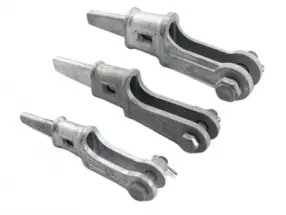
Understanding the Wedge-Type Clamp: Basics and Working Principles
The unique way these locking devices are made mechanically makes them work so well. The wedge mechanism works on a simple but clever idea: as the stress on the secured part rises, the wedge parts move deeper into the clamp shell, making the grip stronger by the same amount. This self-tightening feature gets rid of the chance of loosing up when there is shaking or dynamic loads, which is a common way for screw-based systems to fail.
Core Components and Materials
Modern clamping tools use carefully chosen materials that are strong, light, and resistant to damage from the environment. Aluminium alloy constructions are very good at resisting corrosion and are easy to handle because they are light. This is especially useful in overhead power transmission uses where technicians work high up. Steel types can hold more weight and last longer in heavy-duty industrial settings. They are usually finished with hot-dip galvanisation to protect them from the weather better.
Die casting, forging, and precision machining are some of the manufacturing methods that make sure the dimensions are correct and the structure is strong. Each step of the production process is carefully checked for quality, and ISO9001 and IEC licenses show that international standards are being met. These quality standards make sure that the clamping force stays the same, the jaws are aligned correctly, and the tool works reliably for thousands of rounds.
Mechanism Advantages Over Traditional Systems
When compared to screw or toggle clamps, the wedge principle has a number of technical benefits. Installing things much faster because workers only have to push and lock to make sure they are securely fastened instead of turning a wrench several times. The design also spreads the pressure over a larger contact area. This stops stress from building up in one place, which can damage insulation on conductors or distort soft materials. This even pressure distribution is very important when working with fibre optic lines, because micro-bending from point loads weakens the signal and makes the network less effective.
Release mechanisms make it easy to disconnect quickly without any special tools. This lets you quickly move things around while putting them together or installing them temporarily. This process can be done without any tools, which greatly lowers the cost of labour on big projects with hundreds of connections that need to be set up quickly.
Applications and Industry Use Cases of Wedge-Type Clamps
These flexible fastening options meet a wide range of operating needs in a number of different industries. When procurement workers know about specific application contexts, they can better match clamp specifications to real-world field conditions and performance expectations.
Power Transmission and Distribution Networks
Specialised conductor clamps are mostly used for electrical equipment that is above ground. These devices are used by utility companies and electrical workers to set up safe dead-end connections, mid-span joints, and service drop anchors across distribution networks. The wedge shape keeps the insulation on aerial bundled wires intact and gives them the strength to withstand wind loads, ice buildup, and thermal expansion cycles.
When a regional utility company switched from standard compression fittings to wedge-style connectors, installation times dropped by more than 40%. In order to improve connection dependability, linemen got rid of steps like stripping and cleaning the cables. This was shown by the fact that there were fewer faults during storms.
Construction Site Operations
These wedge-type clamps are useful for general contractors and building jobs because they can be adjusted quickly. Temporary structure bracing, putting together formwork and connecting scaffolding all need to be securely fastened so that they can be moved around a lot as the building process goes on. The quick-release feature lets workers change the layout of the site quickly and easily, without having to spend too much time manipulating fasteners.
Supervisors on the job site like how tool-free handling makes things safer. Getting rid of wrenches and other hand tools from elevated work platforms lowers the risk of objects falling and increases worker output by making procedures easier. These practical benefits directly lead to projects staying on schedule and keeping costs low, which is something that procurement teams keep a close eye on.
Woodworking and Manufacturing Assembly
Precision clamping devices keep workpieces in place while they are being cut, drilled, glued, and finished in furniture companies and carpentry shops. The strong clamping force created by wedge action keeps the part from moving while it is being machined, which improves the accuracy of the dimensions and quality of the surface. On high-volume assembly lines, throughput measures are directly affected by how fast operators can load and unload parts. This is something that production engineers care about.
When the right jaw materials are chosen, these clamps can be very useful for custom cabinet shops because they don't leave marks on surfaces. Keeping finished surfaces free of compression marks or scratches lowers the cost of rework and upholds the quality standards that set premium makers apart in a market full of competitors.
Maintenance and Routine Care Protocols
To extend the service life, simple upkeep tasks must be carried out. Checking the wedge surfaces for signs of wear on a regular basis helps find parts that need to be replaced soon before they break. Keeping moving parts free of dirt and other debris ensures smooth operation, and applying the right lubricants on a regular basis keeps the release force qualities stable.
Maintaining records of maintenance tasks makes traceability records that help meet ISO standards and validate warranty claims. Setting up repair schedules based on what manufacturers suggest is helpful for procurement teams because it helps them balance the costs of replacement parts with the costs of downtime that comes with unexpected failures during key production times.
Wedge-Type Clamp vs Other Clamping Solutions: Making an Informed Choice
To choose the right fastening hardware, you need to know how the different methods stack up in terms of the performance metrics that matter. This comparison helps people who make decisions match the standards for procurement with the needs of operations.
Strength and Load Capacity Comparison
Wedge devices work best when a high holding force is needed compared to the size and weight of the clamp. Wedge shape has a mechanical advantage that makes it possible for small designs to apply a lot of clamping pressure, often more than screw clamps of the same size. Toggle clamps move quickly, but their maximum force ratings are usually smaller. This means they're better for light to medium-duty tasks than heavy industrial use.
The results of load tests show that wedge-style fasteners of the right size keep their grip even when they are subjected to dynamic loading conditions like shaking and shock loads, which can make connections less reliable. When working with mobile equipment or in places where mechanical disturbances happen often, this success trait is very important.
Operational Efficiency Analysis
When there are a lot of fastening points on a job, installation time has a direct effect on labour costs. When compared to threaded fasteners, which need to be rotated several times to reach the right torque specs, wedge-based systems cut cycle time by a large amount. Getting rid of torque wrenches and calibration processes makes quality control even easier and saves contractors and maintenance teams money on tool inventory costs.
Toggle clamps have similar speed benefits, but they might not have enough holding power for applications that need to be safe. Screw clamps can be adjusted indefinitely within their range, but it takes more time and skill on the part of the operator to get uniform results across production batches.
Material Compatibility Considerations
Different clamping methods have different effects on the materials of the workpiece. Wedge designs with the right jaw liners can handle soft materials, wires with insulation jackets, and finished surfaces that need to be kept from getting scratched. The large contact area spreads pressure more widely than point-contact designs, so there isn't any local deformation that would affect the tolerances for size or appearance.
When working with composite materials, thermoplastics, and thin-wall extrusions—materials that don't like it when stress is concentrated—wedge clamps are better than other options because they spread the pressure evenly, while other options may cause localised crushing or surface damage.
How to Select and Purchase the Right Wedge-Type Clamp?
Successful procurement outcomes depend on methodically evaluating operational requirements against available product specifications. This structured approach minimizes purchasing risks while ensuring selected hardware meets performance expectations throughout its service life.
Defining Performance Requirements
Load capacity calculations represent the foundational specification parameter. Engineering teams must determine maximum tensile loads, safety factors appropriate to the application criticality, and environmental conditions affecting material performance. Temperature extremes, corrosive atmospheres, and UV exposure influence material selection between aluminum alloy and galvanized steel constructions.
Conductor diameter ranges or workpiece dimensions establish jaw opening requirements. Procurement specifications should include tolerance bands accounting for dimensional variation in materials being secured, ensuring wedge-type clamps function reliably across production lot variations without requiring excessive adjustment or multiple inventory SKUs.
Certification and Compliance Verification
Quality-conscious buyers prioritize suppliers demonstrating compliance with recognized standards. ISO9001 certification confirms quality management system implementation, while IEC standards specific to electrical hardware validate performance testing protocols. These certifications provide assurance that manufacturing processes include proper inspections, traceability, and corrective action procedures protecting buyers from substandard product risks.
Request certification documentation during the quotation phase to verify claims before committing to supply agreements. Reputable manufacturers like FLA Industrial & Trading Co., Ltd. maintain comprehensive certification portfolios and readily provide documentation supporting compliance claims, reflecting confidence in their production capabilities developed through nearly four decades of manufacturing experience.
Supplier Evaluation Criteria
Beyond product specifications, supplier capabilities significantly impact procurement success. Customization expertise proves valuable when standard catalog items don't precisely match application requirements. Manufacturers offering engineering support can develop modified designs accommodating unique dimensional constraints, special material requirements, or integration features supporting automated assembly processes.
Lead time reliability affects project scheduling and inventory carrying costs. Suppliers maintaining substantial stock inventories—such as facilities holding 2,000 tons of finished goods—provide buffer capacity smoothing demand fluctuations while supporting expedited delivery when project timelines compress unexpectedly. Response time for technical inquiries and quotations indicates customer service commitment levels, with leading suppliers providing detailed feedback within 24-48 hours.
Bulk purchasing advantages become relevant for distributors and large contractors. Volume pricing structures, packaging options supporting efficient warehousing, and logistics coordination capabilities influence total landed costs beyond unit pricing considerations.
Installation and Maintenance Guide for Optimal Wedge-Type Clamp Performance
Proper implementation procedures unlock the full performance potential these fastening devices offer. Following manufacturer guidelines ensures safe operation while maximizing service life and minimizing unexpected failures.
Installation Best Practices
Begin by verifying that selected clamp specifications match the actual conductor diameter or workpiece dimensions encountered in the field. Attempting to use improperly sized hardware compromises connection security and may damage both the clamp and the component being secured.
Clean contact surfaces thoroughly before installation, removing any dirt, oil, or oxidation that could interfere with grip integrity. On electrical applications, ensure insulation jackets remain intact without nicks or abrasions that might create future failure points.
Position the wedge assembly according to manufacturer orientation guidelines, typically with the wedge taper aligned to the anticipated load direction. Insert the conductor or component fully into the jaw opening, then engage the locking mechanism until it seats completely. Visual inspection should confirm proper engagement without gaps or misalignment.
Routine Maintenance Protocols
Establish periodic inspection schedules based on application severity and environmental exposure. Harsh conditions demand more frequent examinations than protected indoor installations. During inspections, examine wedge surfaces for wear patterns, jaw alignment, and any cracks or deformation indicating stress damage.
Clean accumulated debris from moving parts using appropriate methods that don't introduce contamination. Compressed air works well for dry particulate removal, while solvent cleaning may be necessary where oil or grease buildup occurs. After cleaning, apply manufacturer-recommended lubricants sparingly to pivot points and sliding surfaces.
Document inspection findings and any corrective actions taken. This maintenance history supports warranty claims, provides trending data identifying problematic application conditions, and demonstrates due diligence should safety incidents require investigation.
Troubleshooting Common Issues
Difficulty engaging the locking mechanism often indicates debris accumulation or component wear. Disassemble the unit per manufacturer instructions, clean thoroughly, and inspect for damaged parts requiring replacement. If problems persist with clean, undamaged components, verify that workpiece dimensions fall within the wedge-type clamp's specified capacity range.
Slippage under load suggests either improper installation or operation beyond rated capacity. Re-verify load calculations and ensure proper wedge orientation. Contact the manufacturer's technical support team if issues continue, as they can provide application-specific guidance based on field experience across similar installations.
Conclusion
Wedge-type clamps deliver exceptional value across electrical, construction, and manufacturing applications through their unique combination of rapid installation, high holding force, and reliable long-term performance. The self-locking wedge mechanism provides technical advantages over conventional fastening systems while reducing labor costs and improving operational safety. Successful procurement requires careful evaluation of load requirements, material compatibility, and supplier capabilities to ensure selected hardware meets specific application demands. Working with established manufacturers offering comprehensive technical support, quality certifications, and customization expertise protects procurement investments while supporting project success.

FAQ
Which industries benefit most from wedge-style clamping devices?
Electrical utility companies use these connectors extensively for overhead power line installations where rapid, reliable conductor fastening proves essential. Construction contractors appreciate the quick adjustment capabilities for temporary structures and formwork. Furniture manufacturers and woodworking operations benefit from the high clamping force and non-marring characteristics during assembly processes. Telecommunications providers rely on specialized versions for fiber optic cable suspension where even pressure distribution prevents signal degradation.
How do wedge mechanisms differ from pneumatic clamps?
Wedge designs operate through purely mechanical principles without requiring compressed air systems, reducing infrastructure costs and complexity. Pneumatic clamps offer automated operation advantages in high-volume production environments but demand maintenance of air supply equipment. Wedge-style units provide independence from power sources, making them ideal for field installations and remote locations where pneumatic infrastructure isn't practical or cost-effective.
What safety protocols apply when using these fastening devices?
Always verify load ratings exceed anticipated forces with appropriate safety factors. Inspect devices before each use for damage or excessive wear. Follow manufacturer installation procedures precisely to ensure proper engagement. On electrical applications, confirm proper insulation integrity and maintain required clearance distances. Provide operator training covering correct usage, inspection criteria, and recognition of conditions requiring equipment removal from service.
Partner with a Trusted Wedge-Type Clamp Supplier
FLA Industrial & Trading Co., Ltd. delivers professional-grade clamping solutions backed by nearly 40 years of manufacturing excellence. Our extensive product range includes precision-engineered wedge-type clamps suitable for power transmission, construction, and industrial assembly applications. With over 1,000 product specifications and 2,000 tons of inventory, we provide the selection depth and delivery speed your projects demand.
Our engineering team offers customization capabilities developing non-standard configurations within 7-15 working days, supported by comprehensive technical consultation throughout your procurement process. ISO9001 and IEC certifications demonstrate our commitment to quality management and product reliability trusted by Fortune Global 500 partners worldwide.
Contact our team at sales@flaindustrial.com to discuss your specific clamping requirements. We provide detailed quotations and technical feedback within 24-48 hours, helping you identify the optimal solution for your operational needs. Whether you're sourcing bulk quantities for distribution or specialized components for critical installations, FLA Industrial stands ready as your reliable hardware partner. Visit flaindustry.com to explore our complete product catalog and discover how our expertise can support your next project.
References
National Electrical Safety Code (NESC), IEEE C2-2023, "Safety Rules for the Installation and Maintenance of Electric Supply and Communication Lines," Institute of Electrical and Electronics Engineers.
International Electrotechnical Commission, IEC 61284:1997, "Overhead Lines – Requirements and Tests for Fittings," Technical Committee 11.
CENELEC European Committee for Electrotechnical Standardization, EN 50483-3:2009, "Overhead Electrical Conductors – Part 3: Accessories for Overhead Conductors."
American Society for Testing and Materials, ASTM B230/B230M-16, "Standard Specification for Aluminum 1350-H19 Wire for Electrical Purposes," ASTM International.
Society of Automotive Engineers, SAE J518:2015, "Hydraulic Flanged Tube, Pipe, and Hose Connections, Four-Bolt Split Flange Type," SAE International.
Machinery's Handbook, 31st Edition, "Clamping Devices and Fasteners for Machine Tools and Fixtures," Industrial Press Inc., 2020.