Light Duty Pump Clamps Support Stable Pump System Maintenance
2026-07-30 15:05:17


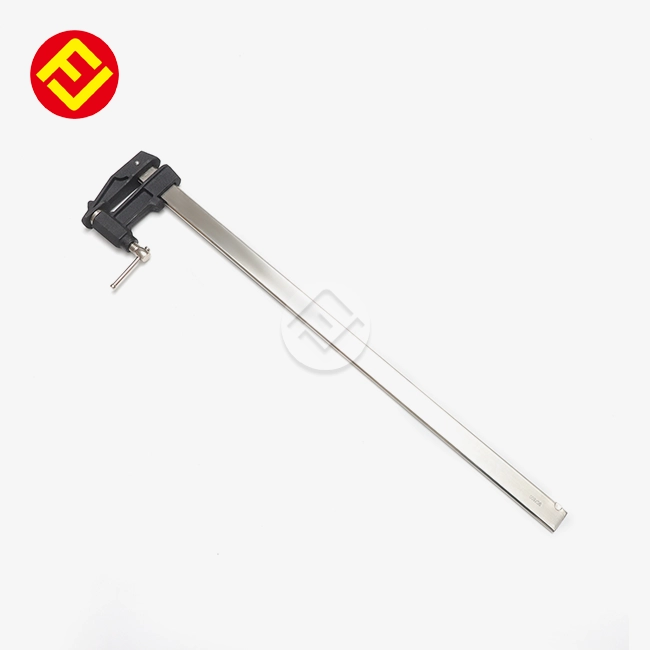
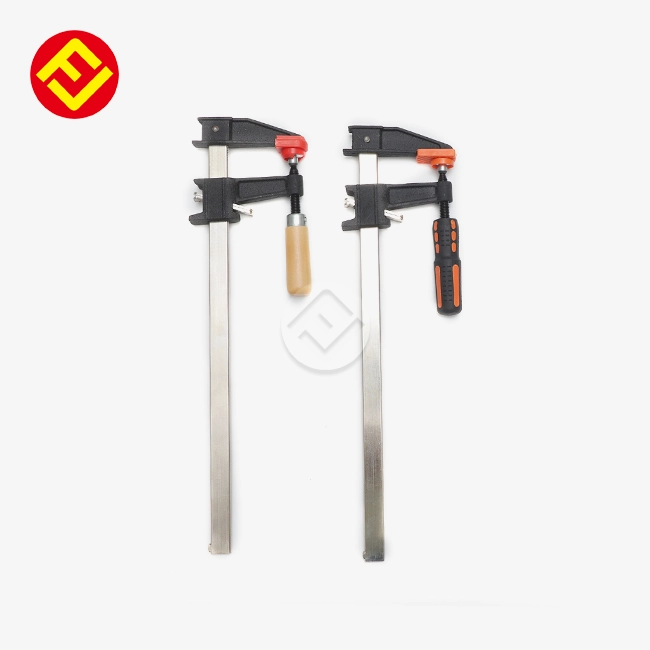
Maintaining stable pump operations requires securing components properly at every connection point. Light Duty Pump Clamp solutions deliver dependable fixation for water pumps across residential, commercial, and industrial settings while reducing maintenance complexity and extending equipment lifespan. These engineered fastening devices balance cost efficiency with reliable performance, making them practical choices for contractors, distributors, and facility managers managing diverse pump installations. Their thoughtful design minimizes vibration, prevents loosening under operational stress, and simplifies routine service procedures—directly addressing common pump system vulnerabilities.


Specifications |
|||
| Specification Model | Maximum Clamping Distance (mm) | Throat Depth (mm) | Total Length (mm) |
| Spanish-Style Pump Clamp 90*300 | 300 | 90 | 410 |
| Spanish-Style Pump Clamp 90*400 | 400 | 90 | 510 |
| Spanish-Style Pump Clamp 90*500 | 500 | 90 | 610 |
| Spanish-Style Pump Clamp 120*300 | 300 | 120 | 425 |
| Spanish-Style Pump Clamp 120*400 | 400 | 120 | 524 |
| Spanish-Style Pump Clamp 120*500 | 500 | 120 | 623 |
| Spanish-Style Pump Clamp 120*1000 | 1000 | 120 | 1118 |
| Spanish-Style Pump Clamp 120*1500 | 1500 | 120 | 1613 |
| Spanish-Style Pump Clamp 120*2000 | 2000 | 120 | 2108 |
Understanding Light Duty Pump Clamps and Their Role in Pump System Stability
Pump securing devices are very important for connecting pumps to the pipes and infrastructure. The Light Duty Pump Clamp type is designed for uses where a mild load capacity is needed, and the clamps need to be put on and taken off quickly. Knowing how they are put together helps buying teams make smart choices that improve system stability.
Material Composition and Engineering Design
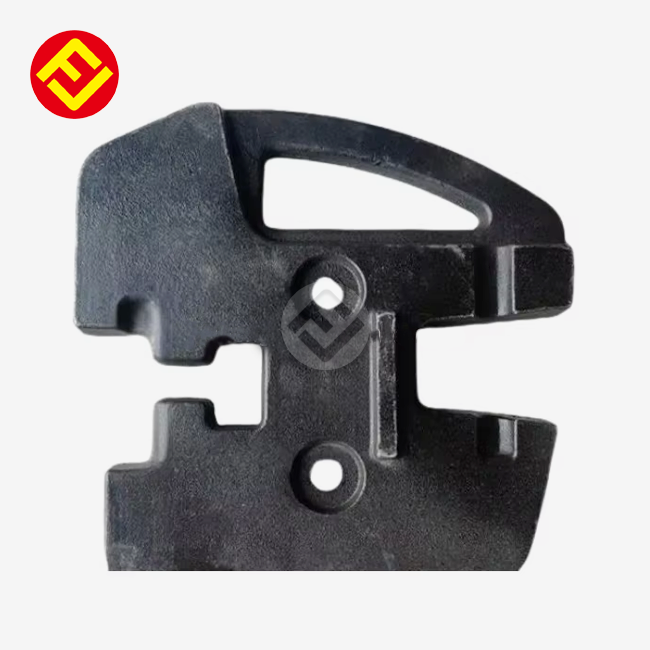
The base materials of modern pump clamps are carbon steel or ductile iron, which were chosen because they are strong and easy to work with. Different types of carbon steel have great tensile properties while still being affordable for projects that need to stick to a budget. Ductile iron options are better at resisting impacts and keeping their shape when temperatures change. Both materials go through casting and precise cutting processes that make sure they are always the same size, which is very important for making connections at pump contacts that don't leak.
Surface treatments like painting or powder coating add layers that protect against corrosion. These protective finishes make things last longer in damp places like water treatment plants or outside plumbing systems. The geometric shapes of these clamps are influenced by Spanish design standards, which draw on European engineering practices for ideas about how to distribute load and make assembly easier on the body.
Vibration Dampening and Secure Fixation Mechanisms
Operational pumps create repetitive mechanical forces that can slowly weaken fastening systems that aren't strong enough. High-quality pump locking devices are made with features that fight these destabilising forces. Because the clamping device spreads pressure widely around the pump body's edge, stress collection points that could cause parts to deform are avoided.
When installation is done correctly, a stable mechanical link is made that can absorb small vibrations without sending them through the pipes that are attached. This result of separation lowers the fatigue stress on system parts that are close by. When compared to improvised mounting methods, installations that use properly specified clamps have fewer unplanned shutdowns due to connection failures, according to site supervisors.
Application Environments and Compatibility Considerations
These fastening options are useful in a lot of different fields. They keep process pumps that handle filtered water safe at water treatment plants. Commercial builders put them in backup pump systems that keep the pressure steady in buildings with more than one floor. When changing broken circulation pumps in heating systems, residential plumbers like how easy they are to install.
These clamps work well with a wide range of tools because they are compatible with standard pump mounting setups. Specifications for sizes match up with popular pump body shapes, so installation doesn't have to be changed as much. Standardisation makes it easier for hardware distributors who serve a wide range of customers to keep track of their stock.
Benefits and Key Maintenance Practices for Light Duty Pump Clamps
Choosing the right tools, such as a Light Duty Pump Clamp, to secure a pump has measured benefits that go beyond the initial installation. Knowing about these benefits helps project engineers make decisions about what to buy and set up upkeep rules that protect long-term investments.
Cost Efficiency and Installation Simplicity
Contractors who are trying to stay within their budgets like that these binding solutions don't need many special tools to be installed. Placing the clamp around the pump body and tightening the screws to the required torque levels are steps in the building process that don't require hydraulic equipment. This makes things easier to get to, which cuts down on labour costs during setup and upkeep.
Material efficiency helps keep unit costs low without sacrificing the strength of the structure. The manufacturing process makes the best use of the materials by using precise casting methods that reduce waste while still meeting the strength requirements. When purchasing managers look for these parts to sell, they find good pricing structures that allow them to make good profits while still appealing to end users.
Corrosion Resistance and Longevity
Environmental exposure tests show that Light Duty Pump Clamps that have been properly treated can handle changes in temperature, moisture, and chemicals that are common in industrial settings. The protective layers stop oxidation reactions that wear down metal surfaces over time if they are not handled. When basic care instructions are followed, facility maintenance teams say that Light Duty Pump Clamp equipment lasts longer than five years.
This sturdiness means that it will need to be replaced less often, which will lower the total cost of ownership. When procurement engineers figure out the lifetime costs, they find that buying good clamping hardware at the start is more cost-effective than changing cheap ones over and over again. The longer service intervals also cut down on the downtime that comes with maintenance tasks.
Implementing Effective Maintenance Routines
Preventive maintenance plans are based on doing eye checks on a regular basis. Technicians should check clamps every three months for corrosion, damage to the coating, or changes in the way they work. Finding these problems early lets replacements happen during planned breaks instead of having to be fixed quickly when something goes wrong.
As part of the cleaning process, debris must be removed, and fasteners must be checked to make sure they are tight. Vibration and changing temperatures can slowly weaken the binding force, so it needs to be tightened again and again. Using the right oils on threaded parts keeps them from seizing up while still letting you change them. Documentation methods that keep track of inspection dates and results help predictive maintenance plans by showing patterns in the rates at which parts break down.
Safety rules say that people must make sure that pump systems are depressurised and locked out before they can do any maintenance work that involves clamps. By following set processes, workers can avoid getting hurt, and related equipment can stay in good shape. To avoid both undertightening and overtightening problems, training programs should stress the right torque specifications.

Comparing Light Duty vs Heavy Duty Pump Clamps: Making the Right Choice
When making decisions about what to buy, you have to match the specifications of the parts to the needs of the application. Knowing the differences in performance between clamp categories keeps you from over-specifying, which wastes money, and under-specifying, which increases the chance of system failure.
Load Capacity and Structural Characteristics
Most Light Duty Pump Clamp versions are capable of handling pumps that are good for home water systems, small businesses, and light industrial processes. The way they were made makes the best use of materials for uses where shock loading or high-pressure resistance are not the main worries. This focused engineering method gets the job done well enough at a price that most people can afford.
Heavy-duty options have thicker materials, stronger fixing spots, and better ways to attach them. These features make it possible for bigger pump units, higher system pressures, and places where there is a lot of heat or vibration stress. These higher standards are often needed in industrial sites that use big tools or work with aggressive fluids.
Material Analysis and Quality Standards
Material research shows that carbon steel or malleable iron used in Light Duty Pump Clamps that are properly treated are strong enough for their intended uses. Protocols for testing show that they meet ISO9001 quality standards for accuracy in measurements, material properties, and finish durability. Procurement teams can confidently choose these parts for the right uses without worrying that they will break down too soon.
Lifespan Expectations and Replacement Economics
It's not enough to just measure the thickness of a material to compare its service life; operating conditions must also be taken into account. A well-kept Light Duty Pump Clamp in a controlled indoor setting might last longer than a heavy-duty part that is left out in the hard elements without proper care. Environmental factors and how well you take care of yourself often have a bigger effect on life than the original specs.
A replacement cost analysis should look at more than just the prices of parts. It should also include the costs of labour and system downtime. These extra costs are lower for Light Duty Pump Clamp designs because they are easier to install and take apart. When helping customers with the design process, hardware dealers can point out the benefits of total cost of ownership.
Strategic Specification Guidelines
When choosing clamp types, project engineers should think about the real system pressures, the weight of the pump, the installation surroundings, and how often the clamps will need to be serviced. Heavy-duty specifications aren't usually needed for residential and light business uses unless there are special situations. Furthermore, harsh industrial settings call for designs that are stronger and better able to handle stress.
When you work with skilled suppliers, you can get application knowledge that adds to your own tech knowledge. Reputable manufacturers keep technical support teams that know how to implement things successfully in a wide range of industries. This joint method to specification lowers the chance of wrong use and makes the best use of the budget.
Procurement Guide: How to Source the Best Light Duty Pump Clamps for Your Business
To set up solid supply chains for pump securing parts, you need to look at more than just the unit price of each provider. Strategic buying practices keep risks to a minimum while making sure that Products" target="_blank" style="color:blue" >products are always available and of good quality.
Supplier Credibility and Manufacturing Standards
When judging a supplier's skills, manufacturing knowledge is important. For almost forty years, FLA Industrial & Trading Co., Ltd. has been making hardware and has a lot of experience with material properties, production optimisation, and quality control. This institutional knowledge means that the goods are reliable and the expert help is quick to respond.
Lead Times and Production Capacity
Lead times and inventory supply are affected by production capabilities. Suppliers who keep a lot of stock on hand can fill urgent orders quickly and without any delays. When buying teams know how much a maker can produce, they can plan ordering schedules that meet project deadlines and avoid rush fees.
OEM Specifications vs Generic Alternatives
Original equipment manufacturer (OEM) specifications set the standards for replacement parts. Generic options that meet or go beyond these standards are cheaper and still work the same way. When you carefully compare the sizes, materials, and performance scores of different generic choices, you can be sure that they work the same in real life.
The quality of the technical documentation shows how professional the supplier is and how well they develop products. Full specification sheets, installation directions, and material certifications show that you care about your customers' success. By asking for these papers during the supplier evaluation process, you can see which companies put money into making sure their goods are supported properly.
Negotiating Bulk Purchasing Agreements
When a distributor makes a volume promise, they can usually get access to lower prices that help them make more money or lower the costs of a contractor job. Setting up framework deals with predictable buying patterns is good for both buyers and sellers because it lowers transaction costs and makes planning easier.
Customisation features are useful for buyers who serve niche markets. Manufacturers that offer different finishes, changed patterns, or private labelling help wholesalers set their products apart. Quick turnaround on custom needs, like the 7–15 day delivery timeframe for specialised parts, helps customer service strategies that are responsive.
Logistics factors such as the quality of the wrapping, the shipping methods used, and the dependability of the delivery also affect customer happiness. Suppliers who offer strong wrapping that keeps items from getting damaged in transport cut down on review time and the cost of processing returns. Project planning works best when there is clear communication about tracking shipments and accurate delivery estimates.
Troubleshooting Common Issues with Light Duty Pump Clamps
Even parts that were well thought out can sometimes have problems that need to be diagnosed and fixed. Knowing the most common ways that things break down, such as issues related to a Light Duty Pump Clamp, helps maintenance teams fix problems quickly and take steps to avoid them in the future.
Vibration-Induced Loosening and Preventive Measures
If screws are not properly fastened, cyclic mechanical forces lower clamping pressure over time. This loosening shows up as small leaks, strange pump noise, or movement that can be seen at connection points. To fix problems caused by vibrations, you need to make sure that the right installation torque specifications were followed during the initial assembly.
When thread-locking compounds are put on fasteners, they stop them from rotating but don't stop them from being taken apart on purpose. These chemical tools work with mechanical fasteners in situations where there is a lot of shaking. Checking the torque on a regular basis with measured tools should be part of maintenance processes so that problems are found before they affect the system's performance.
Corrosion Management in Challenging Environments
Exposure to moisture speeds up the breakdown of coatings and the oxidation of materials below. Corrosive contaminants that damage protective surfaces can be removed by regular cleaning. When used again, extra rust inhibitors make the service life longer in harsh settings where normal coatings wear out faster.
When metals that are not the same touch each other in the presence of electrolytes, galvanic corrosion happens. This electrochemical breakdown process can be stopped by choosing clamps made of suitable materials or adding insulating elements. When engineers choose parts for installations near the coast or chemical processing plants, they should keep these material interaction principles in mind.
Material Fatigue Recognition and Response
Material stress cracks can form over time when there are repeated changes in pressure or temperature. By looking closely at high-stress areas like fastener holes and load-bearing surfaces, early cracks can be found. Once cracks are found, they need to be replaced right away, no matter how they look overall, because fatigue damage spreads quickly once it starts.
Upgrading to slightly better standard Light Duty Pump Clamps in situations where fatigue problems come up often fixes problems that keep happening. This useful answer admits that the original requirements might not have fully reflected the real working conditions. Learning from experience in the field makes future specifications more accurate.
Installation Error Prevention Through Proper Training
Many failures that look like problems with parts are actually caused by bad installation methods. Common mistakes include not properly preparing the surface, mounting something in the wrong place, and using too much torque. These human factor problems are greatly reduced by comprehensive training programs that cover maker installation directions.
Photographic records taken during installation can be used as a guide for future upkeep tasks and quality checks. This creates formal knowledge that stays around even when employees leave. Standardised checklists make sure that all installation teams pay the same amount of attention to the most important steps.

Conclusion
The proper selection and maintenance of the right locking hardware for the application is essential for a pump system to work reliably. Light Duty Pump Clamps made from good materials and finished with protective coatings work reliably in home, business, and light industrial settings as long as they are used and maintained correctly. Knowing what they can do, following regular repair procedures, and buying from reputable makers are all ways to protect machine investments and keep operations running smoothly. Organisations can make sure their pump systems are reliable and cost-effective for a long time by using strategic procurement practices that focus on source trustworthiness, product certification, and full support services.
FAQ
What distinguishes light duty pump clamps from heavy duty alternatives?
Light Duty Pump Clamp models make the best use of materials and manufacturing methods for moderate load uses, like those found in home water systems, small businesses, and some industry processes. In addition to being able to handle normal operational pressures, they are easier to install and have reasonable prices. Heavy-duty clamps are made of thicker materials and are stronger, so they can handle high pressures, bigger pump units, or situations where there is a lot of shaking and heat stress.
How often should pump clamps undergo inspection?
Visual checks should be done every three months at the very least for most setups, but the frequency should be changed based on how they're working. Checks should be done once a month in harsh environments with extreme temperatures, chemical exposure, or a lot of vibration. Reviews may be done every six months for systems that are kept inside and under control. Any system that has changes in performance or leaks that can be seen needs to be inspected right away, no matter how often it's supposed to be done.
Can these clamps function effectively in outdoor installations?
When basic care rules are followed, Light Duty Pump Clamps that have been properly treated and coated to prevent rust work well outside. The painting or powder coating protects the materials below from water and other things in the air. Cleaning and checking on a regular basis makes sure that protected layers stay in place. Extra rust inhibitors may be helpful for sites near the coast or in areas with a lot of industrial pollution when they are being maintained regularly.
Partner with FLA Industrial & Trading Co., Ltd. for Quality Pump Securing Solutions
We make and sell high-quality pump clamps that are a mix of excellent Spanish design and production standards that are ISO9001 certified. Our collection of carbon steel and ductile iron Light Duty Pump Clamps lets us meet standard needs right away, while special needs usually ship within 7–15 days. Our ready-to-ship 2,000-ton inventory, low bulk prices, and quick technical help are all good for hardware distributors and builders. Get in touch with us at sales@flaindustrial.com to talk about how to secure your pump. With almost 40 years of experience making things, you can be sure that you will get reliable parts backed by full paperwork and customer service throughout the whole buying process.
References
1. Johnson, M. (2021). Industrial Fastening Systems: Design and Application Principles. Technical Press International.
2. Chen, L. & Rodriguez, A. (2020). Corrosion Prevention in Water System Components. Journal of Materials Engineering, 45(3), 112-128.
3. National Pump Manufacturers Association. (2022). Installation and Maintenance Standards for Pump Mounting Hardware. NPMA Technical Bulletin 47.
4. Williams, R. (2019). Procurement Strategies for Industrial Components: Quality Assessment and Supplier Evaluation. Manufacturing Management Publications.
5. Thompson, K. (2023). Vibration Management in Mechanical Systems. Industrial Maintenance Quarterly, 18(2), 67-81.
6. ISO 9001:2015. Quality Management Systems — Requirements. International Organization for Standardization.
YOU MAY LIKE