Why Choose Welding Table Clamps 5 8 for Fabrication Projects?
2026-07-30 15:05:26


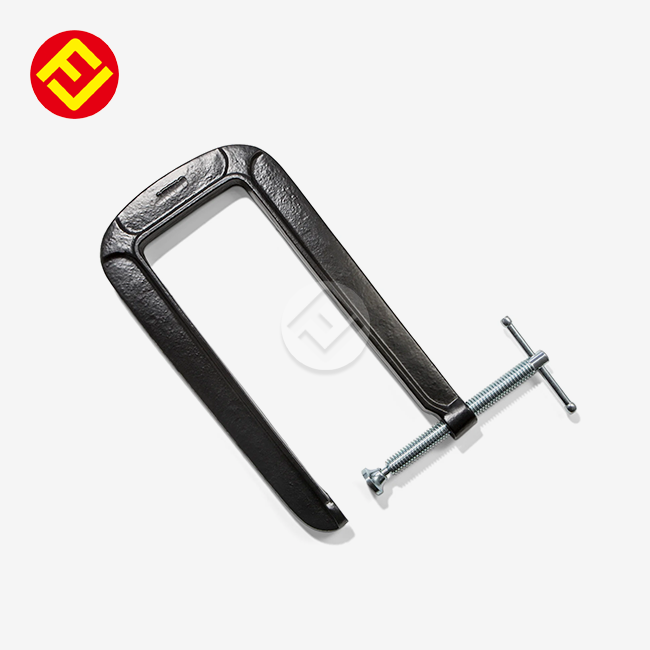
Choosing the right fixation solution for fabrication work often determines project success. F-Clamps/welding-table-clamps-5-8">Welding Table Clamps 5/8 deliver the ideal balance between holding power, versatility, and operational efficiency for metalworking, woodworking, and industrial assembly applications. These precision-engineered fixtures secure workpieces firmly while allowing rapid repositioning, reducing setup time significantly compared to traditional methods. Their robust construction withstands the thermal stress of welding environments and the mechanical demands of heavy fabrication, making them indispensable across construction sites, manufacturing facilities, and professional workshops.


Specification |
||
| Item Code | Head Diameter(mm) | Rail(mm) |
| 160x60-B | Φ16 | 13.5x6.5 |
| 160x60-B | Φ19(3/4") | 13.5x6.5 |
| 160x60-B | Φ20 | 13.5x6.5 |
| 200x120-E | Φ16 | 22x10.5 |
| 200x120-E | Φ19(3/4") | 22x10.5 |
| 200x120-E | Φ20 | 22x10.5 |
| 300x120-G | 28 | 27x13 |
Understanding Welding Table Clamps 5/8: Features and Benefits
What Makes This Fixture Design Unique
The 5/8 designation means that these special tools are compatible with standard workbench hole patterns that are common in modular fixturing systems. Unlike universal g-clamps or adjustable hold-downs, these specialised tools work seamlessly with grid-based welding tables, giving repeatable positioning accuracy that is important for batch production. At FLA Industrial & Trading Co., Ltd., our Welding Table Clamps 5/8 are made of carbon steel and malleable cast iron, which gives them great tensile strength while keeping a reasonable weight for operators to handle.
With these fixtures, real fabrication problems are solved by their engineering. The quick-adjust mechanism cuts positioning time by about 60% compared to threaded clamps, and the corrosion-resistant finish—whether zinc-plated or painted—ensures longevity even in high-humidity workshops or outdoor construction sites. This means that replacement costs are lower and production stops happen less often.
Core Benefits for Professional Fabricators
When securing metal parts during MIG or TIG welding, movement of the workpiece can lower the quality of the joint and pose safety risks. The firm grip pressure spread across precisely machined contact surfaces stops shifting under thermal expansion or arc force. This is especially helpful during multi-pass welds on structural steel, where final assembly depends on accurate measurements.
Better control over the workpiece also leads to higher safety standards. When materials are properly secured, they are less likely to move suddenly, which could cause burns, eye injuries from sparks, or hand injuries from slipping tools. The heat-resistant materials can handle direct exposure to weld spatter without breaking down, keeping their clamping force throughout long fabrication sessions.
Versatility goes beyond welding. Woodworking shops can use the same accuracy to hold lumber for routing, drilling, or sanding. The adjustable configurations can handle different stock thicknesses, and the protective finishes keep finished surfaces from getting damaged, which is very important for furniture manufacturers and custom carpentry shops.
These benefits all make the workflow more efficient. For example, because dedicated jigs aren't needed for short production runs, fabricators can quickly switch between projects. Also, because Welding Table Clamps 5/8 are modular, operators can set them up in any way they want, which means they can support complex assemblies without having to buy expensive special tools.
How to Use Welding Table Clamps 5/8 Effectively in Fabrication Projects
Proper Setup Procedures
The first step in installing something correctly is to choose the right clamp positions based on the shape of the piece being installed. For rectangular steel plates, placing fixtures near the corners gives you the most stability while still letting you get to the weld joints. When working with tubular sections, placing them in a way that avoids distortion from pressure points is recommended. Finally, make sure that the surface of the workbench is clean and free of any debris that could make it harder to hold or cause errors in measurements.
Apply gradual, even pressure instead of sudden force. When using Welding Table Clamps 5/8, over-tightening damages threads and can deform softer materials like aluminium. Under-tightening lets the clamp move while it's being used. The right torque makes firm contact without visible material deformation. This is a skill that can be learned through practice but should be based on what the manufacturer says.
Maintenance Practices That Extend Service Life
Regular cleaning gets rid of oxidation, metal shavings, and weld spatter that get in the way of smooth operation. After each work session, brush off the debris and check the contact surfaces for damage. Lubricating threaded parts once a month with a high-temperature anti-seize compound stops galling and makes sure that the clamp can be adjusted consistently across its operational range.
Many fabricators don't realise how important it is to store things in dry places because moisture speeds up corrosion even on treated surfaces. When fixtures aren't being used for a long time, you might want to apply protective oil coatings. Check fixtures often for stress cracks near areas that get a lot of load and replace worn-out parts before they fail during important operations.
Safety Considerations
Operators need to be aware of pinch points when adjusting and removing things. Gloves protect hands, but they can make it harder to get the tactile feedback needed for proper tightening. When using Welding Table Clamps 5/8, workers should follow clear communication rules when multiple people share a workbench to prevent secured parts from coming loose by accident. Never rely on clamps alone for overhead work—extra support stops a catastrophic failure if the fixation comes loose unexpectedly.

Welding Table Clamps 5/8 vs. Other Clamping Solutions: A Comparative Analysis
Dimensional Alternatives Comparison
There are different clamp sizes on the market, and each one is good for a certain job. For example, 3/8" fixtures are good for light-duty tasks and putting together sheets of metal, but they don't have enough holding power for building structures. Their lighter weight makes them easier to move, but it also means they can only hold so much weight at once. While the 1-inch versions are very strong for heavy industrial uses, they are hard to move quickly and take up more room when not in use.
The 5/8 configuration is the most useful middle ground. It has enough binding force for medium-duty fabrication—usually 500 to 2,500 pounds, but this depends on the design—while still being easy to use. This range of capacities covers about 75% of common workshop tasks, such as fixing car frames and making parts for machines. The size makes it easy to use with one hand and gives it enough mechanical edge for stable holds.
Alternative Fixation Methods
Magnetic clamps are great for quickly attaching things, especially to curved surfaces that are hard for other types of fixtures to work on. They don't work with stainless steel, aluminium, or non-ferrous materials, though, because they depend on magnetic permeability. Surface contamination weakens the holding power, and heat can weaken the magnet's performance over time. They are better at quick-tack welding than precise construction for their job.
Vice clamps are great for cutting or machining because they apply concentrated pressure, but they aren't very flexible when it comes to space, which is needed for complex systems. Their set jaw angle limits their positioning choices, and their large size makes repositioning take a long time. Bench vices are useful in some situations, but they can't take the place of modular table clamps such as Welding Table Clamps 5/8, which provide greater flexibility for adjustable positioning and complex welding setups.
Cost-Effectiveness Analysis
Total cost of ownership includes more than just the initial purchase price when procurement workers look at investments in fixed equipment. Durable construction cuts down on the number of replacements needed, and flexibility gets rid of the need for expensive specialised tools. When you buy in bulk from well-known makers, the unit cost goes down a lot without lowering the quality. This is especially important for hardware stores and building companies that have to keep track of big tool inventories.
Selecting the Best Welding Table Clamps 5/8 for Your Procurement Needs
Material Quality and Construction Standards
Carefully check the accuracy of the cutting. The quality of the thread has a direct effect on how smoothly things work and how reliable adjustments are. Precision-ground contact areas spread pressure evenly, which keeps the workpiece from getting damaged and makes the part last longer. Through our casting, machining, and assembly processes, FLA Industrial & Trading Co., Ltd. keeps tight standards on dimensions. This makes sure that all output runs work the same way.
Load Capacity and Application Matching
Knowing the weight limits stops both under-specification and spending money that isn't needed. For light fabrication tasks involving sheet metal assemblies, you usually need something that can hold 500 to 800 pounds, and Welding Table Clamps 5/8 are often selected for these applications due to their reliable clamping performance. To resist thermal distortion forces, structural steel welding needs ratings of 1,500 to 2,500 pounds. For fixing heavy machinery, you might need special high-capacity versions. It is better to match specs to real workloads than to choose maximum rates that apply to everyone. This is called "appropriate sizing," and it improves both cost efficiency and operating convenience.
Supplier Reliability and Support Services
Working with well-known manufacturers has benefits that go beyond the quality of the Products" target="_blank" style="color:blue" >products. Technical support helps choose fixtures for odd uses, and quick contact makes sure that delivery dates don't clash with project plans. At FLA Industrial & Trading Co., Ltd., we answer questions about specifications within 24 to 48 hours and keep a large inventory (over 2,000 tonnes) so that we can fill pressing orders quickly and without causing problems for our customers.
Customization capabilities address non-standard requirements.
Customisation lets you meet needs that aren't normal. Because we've been making things for almost 40 years, we can make custom-shaped parts in 7 to 15 days, even if you need a different workbench configuration or a different clamping geometry. This freedom is especially helpful for companies that make equipment and contractors who use their own fixturing systems.
Quality certifications verify manufacturing consistency.
Quality certifications show that the way something is made is consistent. Through material verification, in-process tracking, performance testing, and final inspection methods, our ISO9001-certified processes make sure that every fixture meets the written specs. This methodical approach gives buying teams the trust they need to find important manufacturing tools.

Conclusion
Welding Table Clamps 5/8 with 5/8" specifications are a tried-and-true way for fabrication operations to balance performance, versatility, and value. Their sturdy construction stands up to harsh industrial environments while maintaining the precision needed for quality results. These fixtures can be used in a wide range of metalworking, construction, and woodworking industries to hold wooden assemblies during finishing operations or to secure steel parts during high-temperature welding. They are also great investments for single-contractor workshops as well as large manufacturing facilities that serve Fortune Global 500 clients because they are so long-lasting and easy to set up.
FAQ
What maximum weight can these clamps handle safely?
Standard Welding Table Clamps 5/8 for 5/8" systems can hold up to 2,500 pounds of force, but this depends on the design and build of the clamp. Light-duty models are good for working with sheet metal and thin stock, while heavy-duty models can be used to make solid steel. Always check the manufacturer's specs for your model, as volume changes depending on the throat width, the design of the screw mechanism, and the materials used. Going over the rated capacity can cause parts to fail and accidents on the workpiece.
Do these clamps work with aluminum and stainless steel?
Of course. When used correctly, the carbon steel and malleable cast iron construction makes it hard enough to grip different metals without damaging the surface. When different metals touch each other, the zinc-plated or painted finishing stop galvanic rusting. When working with aluminium or other soft materials, it's best to use copper or plastic jaw plugs to spread the pressure and keep the material from getting damaged. Besides normal clamping methods, stainless steel workpieces don't need any other adjustments.
How do I prevent weld spatter from damaging the clamps?
Regular upkeep is a good way to stop splatter from building up. After welding, brush off the dust while the fixtures are still warm—spatter is easier to get off before it cools all the way down. Before welding, put ceramic anti-spatter on threaded parts and contact areas to keep them from getting dirty. The heat-resistant materials used to make good clamps can handle direct contact, but cleaning them every so often makes them last a lot longer. Higher-end models have copper-shielded screws that naturally keep spatter from sticking.
Can I use metric tooling with 5/8 inch hole patterns?
Pay close attention to dimensional compatibility. The closest metric number is 16mm, which is 15.875mm, which is 5/8 inch. There is no way for a 16mm fixture to fit properly into a 5/8" hole, and a 5/8" clamp will fit loosely into a 16mm opening, which makes accuracy less likely. It is always best to match imperial tools with imperial table sets and metric parts with metric workbenches. When you mix standards, you introduce positioning errors that lower the accuracy of fabrication.
Partner with FLA Industrial & Trading Co., Ltd. for Your Fixturing Solutions
Welding Table Clamps 5/8 supplier: We have been making products for almost 40 years and have a wide range of products that meet over 1,000 specifications. Our advanced production technology and strict quality management systems are recognised by ISO9001 certification. As a trusted manufacturer that serves both domestic and international markets, including hard-to-please customers in the US, Germany, and Australia, we know exactly what hardware distributors, construction contractors, and industrial fabricators need.
Our dedication goes beyond providing high-quality fixtures; we treat all orders, no matter how big or small, with the same level of care. Custom solutions that meet specific size needs are produced within two weeks. Email our team at sales@flaindustrial.com to talk about your specific application needs, get detailed technical specifications, or ask for samples that show our manufacturing standards. We're ready to support your fabrication success with reliable products and quick service.
References
1. American Welding Society. (2021). Fabrication Fixturing Standards for Structural Steel. Miami: AWS Technical Publications.
2. Henderson, M. R., & Kumar, V. (2019). Modular Fixturing Systems: Design Principles and Industrial Applications. Manufacturing Engineering Review, 47(3), 112-128.
3 National Institute for Occupational Safety and Health. (2020). Safe Practices in Metal Fabrication Workshops. Cincinnati: NIOSH Division of Safety Research.
4. Thompson, J. L. (2022). Comparative Analysis of Workholding Devices in Modern Fabrication. Journal of Manufacturing Processes, 65, 234-249.
5. Wagner, P., & Chen, L. (2018). Material Selection for Industrial Clamping Systems. International Journal of Tool Design and Manufacturing, 58(4), 467-483.
6. Zimmerman, K. A. (2023). Efficiency Improvements Through Optimized Fixturing in Production Welding. Welding Journal, 102(2), 45-52.