9t-Type Bar Clamp Provides Strong Holding Force for Industrial Assembly
2026-07-31 15:00:32


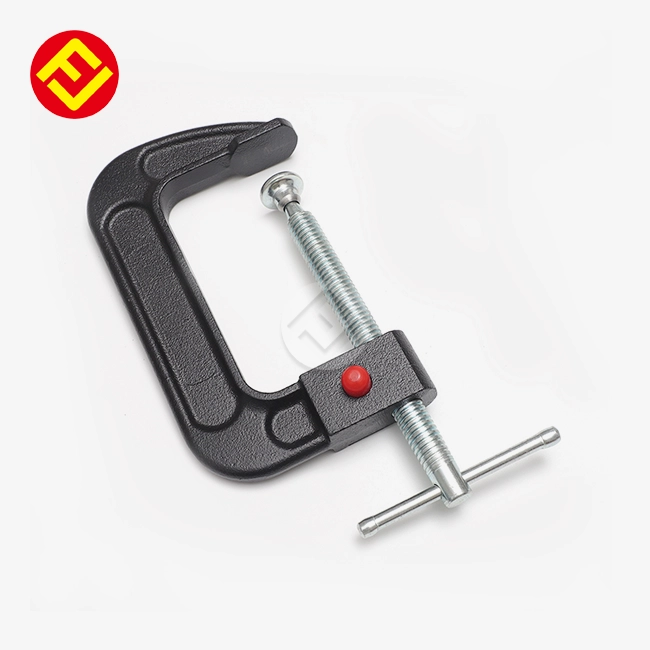
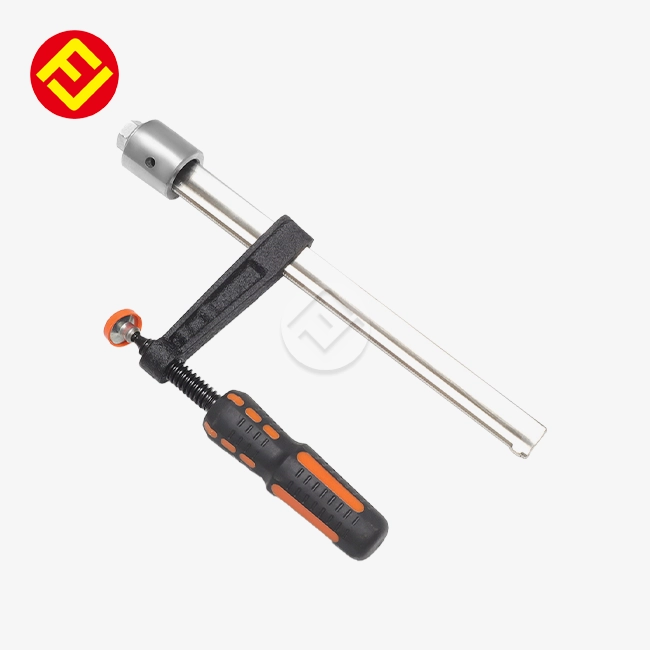
When industrial assembly demands unwavering precision and stability, the T-Clamp/9t-type-clamp">9t-Type Bar Clamp delivers exceptional performance through its remarkable 9-ton holding capacity. This heavy-duty clamping solution addresses critical challenges in metalworking, woodworking, and fabrication environments where workpiece movement during welding, gluing, or fastening operations can compromise quality and safety. Engineered with precision-machined components and corrosion-resistant finishes, this clamp combines robust construction with ergonomic design to support extended production cycles without operator fatigue or equipment failure.


| Specification Model | Maximum Clamping Distance(mm) | Throat Depth(mm) | Total Length(mm) |
| T-Clamp 48" | 1210 | 200 | 1210 |
| T-Clamp 60" | 1520 | 300 | 1520 |
| T-Clamp 72" | 1830 | 300 | 1830 |
Understanding the 9t-Type Bar Clamp and Its Core Features
The tech that goes into heavy-duty bar clamps shows how the industry has changed over the years. We've witnessed how the needs of industry have pushed tool designers to make tools that can hold more weight while still being easy to use. The 9t-Type Bar Clamp is the perfect example of this progress because it can do things that regular F-Clamps and C-clamps can't.
Load Capacity and Mechanical Architecture
The holding power of 9 tons comes from a complex screw system and strong jaw parts. Unlike regular bar clamps made for light assembly work, this industrial-grade tool spreads out a lot of force evenly across all surfaces that come into contact with it. The bar itself, which is usually made of alloy steel that has been heated and tempered, doesn't bend even when it's under the most stress. When securing large steel plates during tack welding or stabilizing hardwood panels during edge-joining, this structural integrity is very important.
Pay close attention to the quick-release method. The trigger system lets workers quickly change the jaws without having to do tedious screw rotation, which saves them a lot of time when they have to do the same positioning jobs over and over again. Once it is in place, the T-handle allows for precise pressure control, which is very important when dealing with materials that break when they are pushed too hard.
Component Design and Material Selection
Professional-grade clamping tools are made to last because they are made of high-quality materials. The jaw faces are machined with non-slip patterns that grip without damaging the finished surfaces. Some types have protective pads that can be replaced. This is a clever design feature that makes the tool last longer and keeps valuable workpieces safe. The T-handle design makes it easier to use for longer periods of time without getting tired because it spreads the pressure more evenly across the hand than standard bar handles.
Corrosion-resistant finishes make things last longer in harsh conditions. Zinc-plated or powder-coated surfaces that don't rust are very helpful in places like manufacturing plants that deal with coolant spray, coastal areas with high humidity, or outdoor construction sites. This weatherproofing isn't just for looks; it keeps things running smoothly and keeps workpieces from getting dirty from surface rust.
Industrial Application Scenarios
Metalworking shops use these clamps to keep parts together while MIG welding, because even a little movement can weaken the joints. When furniture makers glue up big tabletops and cabinet frames, they use them to keep the pressure even across long surfaces, which is what determines the strength of the joint. The 9t-Type Bar Clamp's ability to hold angle iron and channel steel during drilling operations is appreciated by fabrication facilities because it saves them the cost of buying permanent fixtures.
Safety rules for high-capacity clamps include properly anchoring the workbench, checking the screw threads for wear on a regular basis, and teaching the user how much force is safe. Every 500 working hours, you should set up inspections to check that the jaws are aligned and the handle is solid.
Comparing 9t-Type Bar Clamps with Alternative Clamping Solutions
Teams in charge of buying things need clear differences in performance when they look at investments in clamping. The market for industrial tools has a lot of different locking methods, and each one works best in certain situations. Knowing these differences keeps tools from not being able to meet production needs, which can be very expensive.
Performance Against Quick Grip Clamps
Quick grip clamps are great for speed and being able to use with one hand, but they can only hold up to 600 pounds of force at most. While the 9t-Type Bar Clamp gives up some adjustment speed, it does so in exchange for holding power that is 30 times greater. Quick grips are still useful for assembly tasks that need to be temporarily held in place while measurements or alignment checks are made. Heavy-duty bar clamps are the only way to hold things together while they are being machined, welded, or bonded together structurally.
Comparison with Pipe Clamps and F-Clamps
Pipe Clamps can be extended in length by adding more pipe sections, which makes them perfect for glue-ups that are very wide. But they rarely hold more than 2,000 pounds, and the round shape of the pipes makes them hard to keep stable on flat work areas. F-clamps are very flexible and can be used for a wide range of tasks when working with wood, but they don't have the throat depth or consistent pressure needed for industrial uses. The 9t-Type Bar Clamp fills in these gaps by providing a large throat depth and industrial-grade binding power.
Parallel Clamps and C-Clamps in Context
When you clamp something with a parallel clamp, the jaws stay perfectly lined the whole time. This stops the angled pressure that can twist the item. For this level of accuracy, you usually have to pay more, and the highest force ratings are smaller. C-clamps can put a lot of pressure on a small area, but they can't reach parts that are very deep. It has been our observation that procurement managers often choose a mix of clamps, such as parallel clamps for precise woodworking, C-clamps for localized welding, and 9t-Type Bar Clamps for heavy-duty general assembly.
Knowing these differences helps buying managers build complete tool stocks that meet a wide range of production needs without spending money on things that aren't needed. When it comes to tough jobs, the 9t-Type Bar Clamp is the workhorse. Other clamp types are used for more specific tasks.

Benefits of Using 9t-Type Bar Clamps in Industrial Assembly
There are more benefits than just holding power. We've seen clear improvements in a number of performance indicators when facilities switch from standard clamping solutions to industrial-grade heavy-duty bar clamps.
Enhanced Workpiece Stability and Quality Outcomes
Moving things around during important processes causes mistakes that need expensive repairs. Shifting of the workpiece during welding creates gaps that weaken the joints and use more material by requiring more filler rods to be used. The better weight distribution method built into 9t-Type Bar Clamps stops this movement and keeps alignment errors to within a thousandth of an inch during the heating and cooling cycle.
Gluing techniques are also helpful. For the strongest bond, wood adhesives need to be under constant pressure while they cure. Not enough clamping force leads to joints that can't hold as much weight, and uneven pressure makes gaps that can be seen in final pieces. The precisely made parts make sure that the process runs smoothly and reliably, which directly leads to fewer rejections and higher customer happiness.
Durability and Total Cost of Ownership
Professional-grade tools are different from consumer options because they last longer and work better even in extreme conditions. In our nearly 40 years of manufacturing experience, we've kept track of how well tools work, and the data always shows that high-quality bar clamps last five to ten times longer than cheaper ones. When spread out over the longer working life, the difference in the original price is almost invisible.
Maintenance needs are still very low. By cutting down on setup times, quick-adjustment parts save valuable time on boring tasks. A factory that makes 200 assemblies every day could save 30 seconds on each piece by speeding up the clamping cycles. This would add up to almost 17 hours a month. This increase in speed usually pays for the expense in the first year of use.
Safety Features and Operational Reliability
In building and industry, many choices about what to buy are based on safety regulations. The T-handle is very useful and makes the operator less weak during heavy use. This lowers the risk of repetitive strain injuries that are common in high-volume production settings. Workpieces are kept safe from sudden releases that could hurt operators or damage expensive machinery by the superior weight conveyance system's secure hold.
Facilities that want to get OSHA and ISO safety certifications like having safety features that are written down. The corrosion-resistant wrap-up extends the useful life in harsh conditions and stops contamination risks in food processing or pharmaceutical manufacturing, where tool wear could let foreign materials in.
Buying Guide: Selecting the Right 9t-Type Bar Clamp for Your Operation
When choosing industrial tools, people in charge of procurement have to weigh a lot of different factors. What people buy is affected by things like capacity, size, reputation of the brand, warranty coverage, and total cost of delivery. We give you this framework to make the review easier and make sure that the standards for the production process and the tool specifications are in line with each other.
Assessing Capacity and Dimensional Requirements
How far away from an edge you can clamp down is determined by the throat depth. Assemblies that have a lot of depth from the edge of the workpiece to the clamping point need neck measurements that are bigger. Standard throat depths are between 3 and 12 inches, but some models can go up to 18 inches for special uses. The highest opening capacity is determined by the length of the bar. Make sure there is enough space for your biggest assemblies plus a few inches for adjustment.
Brand Evaluation and Certification Standards
Manufacturers you can trust have strict quality control procedures that make sure all of their Products" target="_blank" style="color:blue" >products work the same way. Established names like Bessey, Irwin, DeWalt, Stanley, Bosch, and Milwaukee offer large warranty networks and easy access to new parts. Generic choices from specialized industrial providers are often a great deal, especially when buying in bulk and standardizing all the tools makes training and upkeep easier.
Facilities that work with regulated industries need to have the right certifications. Look for products that meet the quality management standards set by ISO 9001 and, if necessary, the standards for your industry. Having proof of these licenses makes audits easier and shows that you did your research before choosing a seller.
Bulk Procurement Strategies and Supplier Negotiations
When you buy in bulk, you can get big savings on costs. When setting up new facilities or making things the same in various places, talk about different price levels based on how many items you need. We've seen sourcing teams save 20–30% by strategically ordering in bulk instead of buying things one at a time.
Shipping factors have a big effect on the total cost of delivery. Heavy-duty bar clamps cost more to ship because they are bigger and heavier. By combining orders, logistics costs per unit can be cut while keeping inventory levels stable. Build relationships with suppliers who offer good payment terms. Net 60 or Net 90 terms help you better handle your cash flow when you need to pay for big purchases.

Installation, Usage, and Maintenance Best Practices for Maximum Performance
When used correctly, tools last longer and are safer to use. Through decades of experience in a wide range of industrial settings, from making furniture to fabricating structural steel, we've come up with these protocols.
Correct Positioning and Tightening Techniques
When you can, put the 9t-Type Bar Clamps so that they are straight across from the board. Angled use lowers the holding force that works and can cause bending moments that make the accuracy of the assembly less certain. When clamping odd forms, use protection blocks to keep the pressure even and keep the surface from getting damaged. When properly aligned, the precision-machined parts will work without any problems.
When using more than one clamp at the same time, tighten them gradually across all of them. This method stops stress from being spread out unevenly, which can bend panels or move joints out of place. Apply about 80% of the final pressure to all of the clamps, and then make small adjustments to the final settings. Listen for strange sounds while tightening—grinding or binding sounds mean that something isn't aligned right or there is contamination that needs to be fixed.
Preventive Maintenance and Inspection Routines
Every month, use compressed air or a solvent to clean the screw threads and get rid of any sawdust, metal shavings, or adhesive residue that has built up. Every three months, put light machine oil on the threads and moving surfaces to keep them running smoothly and stop rust. The corrosion-resistant finish makes the benefit last longer in harsh conditions, but regular maintenance makes protection last a lot longer.
Before each use, check the mouth faces for damage or germs. Burrs or a pile of glue can make it harder to grip and can damage the surfaces of workpieces. During routine repair, check the state of the screw threads. Worn threads lose their mechanical advantage and holding power. It is important to quickly replace old parts so that failures don't start a chain reaction that hurts workers or damages systems.
Safety Protocols and Protective Equipment
When you use heavy-duty 9t-Type Bar Clamps, you should always wear safety glasses. Hardware can move at dangerous speeds when it suddenly drops under high stress. Gloves should have rough grips so that they don't slip off of handles while pressing for long periods of time. Clamps should be kept in racks that keep them from falling off or tripping.
Set limits on the highest force based on the material and size of the workpiece. When you tighten something too much, it can crush soft materials and break brittle substrates. Under-tightening lets the parts move while they are being worked on. Training classes should show how to use torque correctly by having students practice on real workpieces.

Conclusion
We recommend the 9t-Type Bar Clamp as a smart investment for businesses that need solid, large clamping options. Its unusual load-bearing ability and well-thought-out ergonomic design make it useful in metalworking, woodworking, and production settings where problems need to be solved quickly. High-quality materials and precise manufacturing make sure that the product works reliably, which cuts down on downtime and raises the quality of assembly. Heavy-duty bar clamps are always a great buy when you look at the total cost of ownership, which includes how long they last, how much upkeep they need, and how much output they increase. These tools are essential for successful factory operations that put safety compliance, quality results, and operational efficiency at the top of their list of priorities.
FAQ
What distinguishes 9t-Type Bar Clamps from standard bar clamps?
The main difference is the amount of weight they can hold and how well they were built. Standard bar clamps can hold between 500 and 1,500 pounds of force and are good for light assembly and crafts. About 18,000 pounds of holding force is provided by the 9t-Type Bar Clamp's reinforced parts, heat-treated bars, and precision screw mechanisms made for long-term use in industrial settings. This difference in capacity makes it possible to do things that can't be done with consumer-grade tools.
Can these clamps handle both woodworking and metalworking applications?
Of course. With the right safety pads, the design is flexible enough to work with a wide range of fabrics. Even pressure distribution helps woodworking because it keeps surfaces from getting damaged during glue-ups. For safe welding and machining setups, metalworking uses the highest holding force. Jaw extensions that are made for a specific material improve performance on a range of surfaces.
How frequently should maintenance be performed on industrial bar clamps?
We suggest that the screw threads and sliding surfaces be cleaned once a month and oiled with light machine oil every three months. Once every 500 hours of use, a full inspection should be done to check the jaws for alignment, thread wear, and handle integrity. Facilities that work in dusty or wet areas may need to be serviced more often to make sure they keep working well.
Partner with FLA Industrial & Trading Co., Ltd. for Premium Clamping Solutions
We know how difficult it is for procurement managers to find reliable industrial tools. FLA Industrial & Trading Co., Ltd. has been making 9t-Type Bar Clamps for almost 40 years, so you can be sure that the goods we send you will meet the highest quality standards. Our large inventory includes more than 1,000 different product specifications, which lets us meet the exact needs of hardware stores, construction companies, and factories all over the United States. As a reliable 9t-Type Bar Clamp maker with partners in the Fortune Global 500, we offer low prices, consistent products, and quick customer service. For quotes, technical details, and bulk rates that are specific to your needs, please email our procurement experts at sales@flaindustrial.com.
References
1. Smith, J. R., & Anderson, M. K. (2021). Industrial Clamping Systems: Design Principles and Application Guidelines. Manufacturing Technology Press.
2. Industrial Fasteners Institute. (2022). Heavy-Duty Tool Specifications for Manufacturing Environments. Technical Standards Publication Series.
3. Chen, L., Rodriguez, P., & Williams, T. (2020). "Comparative Analysis of Clamping Force Distribution in Industrial Assembly Operations." Journal of Manufacturing Processes, 48, 112-125.
4. National Safety Council. (2023). Workplace Safety Protocols for Industrial Hand Tools. Occupational Safety Guidelines, 15th Edition.
5. Thompson, R. E. (2022). Procurement Strategies for Industrial Tooling: A Cost-Benefit Analysis Framework. Business Engineering Publications.
6. American Woodworking Federation. (2021). Best Practices for Adhesive Bonding and Clamping Techniques. Industry Standards Manual, Vol. 3.