Hot-Dip Galvanized Wire Rope Clamps Provide Corrosion Resistance
2026-07-30 15:05:04


When you're working with wire rope installations in challenging outdoor environments, corrosion isn't just an inconvenience—it's a genuine safety threat. Hot-Dip Galvanized Wire Rope Clamp solutions address this concern head-on by providing a thick, metallurgically bonded zinc coating that stands up to moisture, salt spray, and chemical exposure far better than standard surface treatments. These specialized fasteners combine the structural strength of carbon steel with the protective advantages of hot-dip galvanizing, delivering reliable performance across construction sites, marine installations, and industrial facilities where premature component failure simply isn't an option.

Specifications |
||||
| Specification Type | Material | Surface Treatment | Specification (mm) | Features |
| Hot-dip Galvanized Wire Rope Clip | Carbon Steel | Hot-dip Galvanized | 8 | Rust-resistant / Anti-slip |
| Hot-dip Galvanized Wire Rope Clip | Carbon Steel | Hot-dip Galvanized | 10 | Rust-resistant/Anti-slip |
| Hot-dip Galvanized Wire Rope Clip | Carbon Steel | Hot-dip Galvanized | Rust-resistant/Anti-slip | |
| Hot-dip Galvanized Wire Rope Clip | Carbon Steel | Hot-dip Galvanized | 15 | Rust-resistant / Anti-slip |
| Hot-dip Galvanized Wire Rope Clip | Carbon Steel | Hot-dip Galvanized | 18 | Rust-resistant / Anti-slip |
| Hot-dip Galvanized Wire Rope Clip | Carbon Steel | Hot-dip Galvanized | 20 | Rust-resistant/Anti-slip |
Understanding Hot-Dip Galvanized Wire Rope Clamps
The way these clamps are made shows decades of progress in metalworking. Each part starts out as a solid block of high-quality carbon steel that has been carefully forged and machined to very precise measurements. The most important difference is seen during the galvanizing step, when fully assembled Hot-Dip Galvanized Wire Rope Clamps are put into molten zinc that is heated to about 450°C. This method makes something very different from alternatives that are painted or electroplated.
The Metallurgical Bonding Process
During submerging, the zinc doesn't just cover the steel; it combines with the iron to make layers of zinc-iron alloy. Because of this metallurgical link, the protected covering is now an actual part of the part and not just a treatment for the outside. Usually, the zinc layer that forms is 45 to 85 microns thick, which is much thicker than the 10-15 microns that are achieved by electro-galvanizing. This thickness directly leads to a longer service life, especially in places where there is wetness and toxic materials.
Component Structure and Function
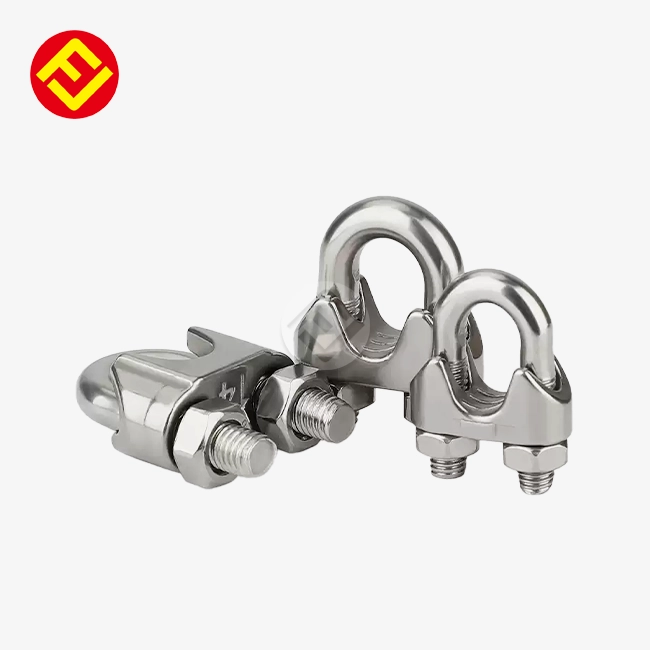
The U-bolt, the saddle, and two locking nuts are the three most important parts of a standard wire rope clamp. The U-bolt goes around the rope, and the saddle, which has a precise groove machined into it, sits against the load-bearing part. This design properly spreads the clamping force, protecting the individual strands of the wire rope from damage while keeping a strong grip. The thick silver-gray layer that hot-dip galvanized parts have covers every surface, even threading and internal curves, which are common places for corrosion to start on less well-protected options.
Environmental Performance Advantages
Metal screws are put to the toughest test in marine settings. Air that is full of salt speeds up oxidation processes that would quickly damage normal steel parts. In these situations, Hot-Dip Galvanized Wire Rope Clamps show clear benefits. The zinc coating acts as a sacrificial anode—if the surface gets scratched or worn down, the zinc around it corrodes more quickly to protect the steel underneath. This cathodic protection mechanism makes parts last a lot longer than surface coatings alone can. This improved durability is also helpful for industrial facilities that deal with chemicals, high humidity, or extreme temperatures.
Comparing Hot-Dip Galvanized Wire Rope Clamps with Other Types
When making choices about what to buy, people often have to weigh performance factors against price limits. Knowing how the different types of clamps stack up against each other helps you choose the best one for the job. Hot-Dip Galvanized Wire Rope Clamps offer a balance of performance and cost that is ideal for most industrial applications.
Hot-Dip Galvanized Versus Stainless Steel
Because they contain chromium, which forms a passive protective oxide layer, stainless steel clamps are very resistant to corrosion. But the cost of the materials is a lot higher than the cost of galvanized carbon steel. This difference in price gets pretty big for big projects that need hundreds of link points. Hot-dip galvanized clamps offer similar protection against rust in most nautical and outdoor settings for a lot less money. The only times this isn't true are in highly acidic conditions or when the bright finish of stainless steel is important for looks, which doesn't happen very often in industrial fastening uses.
Hot-Dip Versus Electro-Galvanized Options
There is a big difference in how well hot-dip and electro-galvanized clamps work. Electro-galvanizing uses electroplating to add zinc, making a thin, even layer that can be used indoors where it won't be exposed to much water. When left outside, these lighter coats break down pretty quickly, and rust usually starts to show up within the first year of use. Hot-dip galvanizing protects against rust five to ten times better because the coating is much thicker and metals join together during the immersion process. When contractors replace failed electro-galvanized installations, they often find that switching to hot-dip galvanized options gets rid of the need for regular maintenance.
Zinc-Plated and Painted Alternatives
Some sellers sell wire rope clamps that are zinc-plated or painted for less money. These treatments don't do much to stop corrosion—painted surfaces chip and scratch when they are put on, and zinc plating works a lot like electro-galvanizing. Neither method gives building projects the long-term dependability they need. When you add up the replacement labour and possible liability problems that come up when a link fails, the original cost savings quickly go away. Knowing these differences helps purchasing managers stay away from false economies that raise the overall cost of the project.

How to Use and Maintain Hot-Dip Galvanized Wire Rope Clamps for Optimal Performance
The reliability and service life of a connection are directly affected by how well it is installed. Even high-quality Hot-Dip Galvanized Wire Rope Clamps don't work well if they're not used properly, so field workers need to know how to put them.
Following the "Never Saddle a Dead Horse" Rule
This saying from the business world sums up the basic installation rule: always put the saddle on the load-bearing (live) end of the rope and the U-bolt on the tail (dead) end. If you switch this around, the tightening pressure will be concentrated on the working part. This could crush individual wire strands and greatly reduce the load capacity. When positioned correctly, the smooth bearing surface of the saddle supports the live end, and the U-bolt holds the non-structural tail piece in place.
Correct Spacing and Torque Requirements
Each link is usually held in place by more than one clamp. The distance between clamps should be about six times the diameter of the wire rope, and the first clamp should be placed one saddle width away from the thimble or loop. Manufacturers list the force values for each clamp size. If the clamp is too loose, the rope can slip, and if it is too tight, it will damage the rope. When you use a calibrated torque wrench, you don't have to guess. Connections should be re-tightened after the first load is applied, since wire rope settles a little during the first load.
Maintenance Inspection Protocols
Regular inspections maximise service life and keep surprise breakdowns from happening. Examinations every three months should look for a number of signs:
- Coating Condition: The creation of white rust (zinc oxide) is common and does not affect the defence. Red rust means that the paint has broken through and needs to be fixed.
- Torque Retention: Nuts should keep the torque values that were given. Loosening means that the rope has settled or is vibrating in a way that needs to be fixed.
- Rope Wear: There shouldn't be any damage or thinning of the strands that can be seen in the area under the seat.
- Thread Condition: Galling or stopped threads are a sign of bad fitting or problems with the quality of the part.
These simple checks, which are carefully written down, help maintenance workers figure out when replacements are needed instead of having to react to breakdowns.
Technical and Procurement Considerations for B2B Buyers
For buying to go well, technical requirements, supplier skills, and the total cost of ownership must all be balanced. Understanding important selection factors speeds up the buying process and lowers the chance of specifications not matching when sourcing Hot-Dip Galvanized Wire Rope Clamps.
Sizing Correlation and Load Ratings
The size of a wire rope clamp is directly related to the width of the rope. Using clamps that are too small weakens the bond, while clamps that are too big might not grip properly. Standard sizes range from 8 mm to 20 mm for rope diameters, and load ratings change to match. Both the diameter of the rope and the expected working loads should be listed in the procurement specifications. Good makers give you load tables that show the safest limits for each clamp size. This is information that you need for engineering approval and managing your risk.
Material Specifications and Standards Compliance
The way carbon steel is made affects both its strength and how well it galvanizes. Specifications should call for materials that meet well-known standards, like ASTM A153 for galvanizing quality or ISO 1461 for covering thickness. Forged iron parts that are forged are stronger than those that are made, especially in tough situations. Manufacturing standards like ISO9001 and CE marking show that quality management is systematic and that Products" target="_blank" style="color:blue" >products are safe to use. This is good news for buying teams that are handling source risk.
Evaluating Supplier Manufacturing Capabilities
In addition to product specifications, a supplier evaluation should look at how well the product is made. Custom manufacturing shops can change standard designs to fit specific needs, which is helpful when standard sizes don't quite meet the needs of the job. When project deadlines are tight, production capacity is important. Suppliers who keep a lot of goods on hand can fill urgent orders that would otherwise put off activities on the critical path. Having access to technical support helps answer questions quickly in the field, which cuts down on installation delays and makes sure the right application is used.
Bulk Pricing and Customization Options
Prices usually go down as more are bought, but procurement teams should look at the overall value instead of just the unit cost. Suppliers who offer customization with reasonable lead times can help with non-standard applications without making design compromises necessary. Quality assurance methods, such as batch testing and dimensional verification, lower the need for receiving inspections and lower the risk of installing parts that don't meet standards. When you work with the same source for a long time, you may get extra benefits like priority scheduling for output and quick technical help that go beyond the initial transactions.

Why Choose Our Hot-Dip Galvanized Wire Rope Clamps?
Every part that FLA Industrial & Trading Co., Ltd. makes is based on our nearly 40 years of experience making things. We have learned a lot over the years, and our Hot-Dip Galvanized Wire Rope Clamps show it by paying close attention to the materials we use, how the process is controlled, and how the quality is checked. The 2,000 tonnes of inventory we keep on hand makes sure that standard specs can be met right away, avoiding the annoying delays that throw off project plans.
Our skills are set apart by the depth of our manufacturing. If you need to make changes to standard designs for your application, our engineering team can do that within 7–15 days with 3D design verification and custom fabrication. This flexibility comes from having integrated production facilities where forging, machining, and galvanizing all happen under the same quality control. Before being released, each production batch goes through steps that have been approved by our ISO9001 and CE certifications. These include checking the materials, making sure the sizes are correct, measuring the coating thickness, and testing the load.
Customers across construction, marine, industrial, and infrastructure sectors have relied on our components for mission-critical applications. This track record reflects consistent quality and the technical support we provide throughout project lifecycles. Whether you're sourcing 50 pieces for a specific installation or 50,000 units for ongoing activities, our production capacity can be changed to meet your needs without affecting quality or delivery times. We've built relationships with Fortune Global 500 companies that show we can meet the strictest buying standards while still being easy for businesses of all sizes to work with.
Conclusion
When choosing the right Hot-Dip Galvanized Wire Rope Clamps, you have to balance the need for corrosion protection with the available budget and the needs of the application. Hot-dip galvanized options are the best of both worlds because they offer strong corrosion protection that is similar to stainless steel performance at a much lower cost. Its thick, metallurgically bonded zinc coating can stand up to harsh weather, sea settings, and industrial contact that would quickly damage less durable options. Following set guidelines during installation makes the connection more reliable, and regular upkeep stretches its life and stops it from breaking down without warning. Knowing these technical differences helps procurement professionals make decisions that balance short-term costs with long-term benefits for infrastructure projects, construction operations, or industrial facilities.
FAQ
How does hot-dip galvanizing differ from electro-galvanizing in corrosion protection?
Hot-dip galvanizing uses metallic bonding to make a coating 45–85 microns thick. Electro-galvanizing, on the other hand, uses electroplating to make a coating only 10–15 microns thick. This difference in thickness means that the rust protection is 5–10 times higher. The layers of zinc-iron alloy that are formed during hot-dip immersion are permanently attached to the steel substrate. Electroplated coatings, on the other hand, are just surface treatments that are more likely to flake. For outdoor and marine uses, hot-dip galvanizing gives things the durability they need to last for years.
Can these clamps be reused after disassembly?
For stable load-bearing uses, reusing is not a good idea. When you torque, the threads and saddle surfaces give a little while the clamp holds the rope in place. Physical reuse is still possible, but the link might not have the same clamping force as the first time, which raises safety issues. Reusing may be okay for short-term installations where loads are closely watched, but for critical applications, new parts are needed to make sure they work at full design strength.
What installation errors most commonly compromise connection strength?
The biggest mistake is turning the saddle around—putting the U-bolt on the live end breaks the load-bearing wire strands. Not enough torque lets things slip, and too much torque hurts the structure of the rope. Connection dependability is also affected by not having enough clamps or the wrong space between them. Using clamps that are the wrong size for the rope width weakens the grip no matter how they are installed.
Secure Your Next Project with FLA Industrial & Trading Co., Ltd.
The parts that go into your system should be made to last and have been tried over many years of real-world use. As an experienced manufacturer of Hot-Dip Galvanized Wire Rope Clamps, we offer responsive customer service from the initial specification stage all the way through delivery. Email our team at sales@flaindustrial.com to talk about your particular needs, get detailed information, or set up an evaluation sample. Within 24 to 48 hours, our sourcing experts get back to you with thorough quotes, dimensional details, and customization choices that are unique to your project.
References
1. American Society for Testing and Materials. "Standard Specification for Zinc Coating (Hot-Dip) on Iron and Steel Hardware." ASTM International, 2019.
2. Wire Rope Technical Board. "Wire Rope Users Manual: Fourth Edition." Wire Rope Technical Board, 2005.
3. International Organization for Standardization. "Hot Dip Galvanized Coatings on Fabricated Iron and Steel Articles: Specifications and Test Methods." ISO 1461:2009.
4. Crosby Group. "Engineering Handbook: Wire Rope Fittings and Rigging Accessories." The Crosby Group LLC, 2018.
5. National Association of Corrosion Engineers. "Protective Coating Systems for Structural Steel: Performance Comparison and Selection Criteria." NACE International, 2017.
6. Federal Specification Standards. "Wire Rope Clips and Thimbles: Construction and Performance Requirements." US General Services Administration, FF-C-450D, 2003.