Standard American C-Clamp: Reliable Clamping for Workshop & Construction Use
2026-07-13 11:17:03


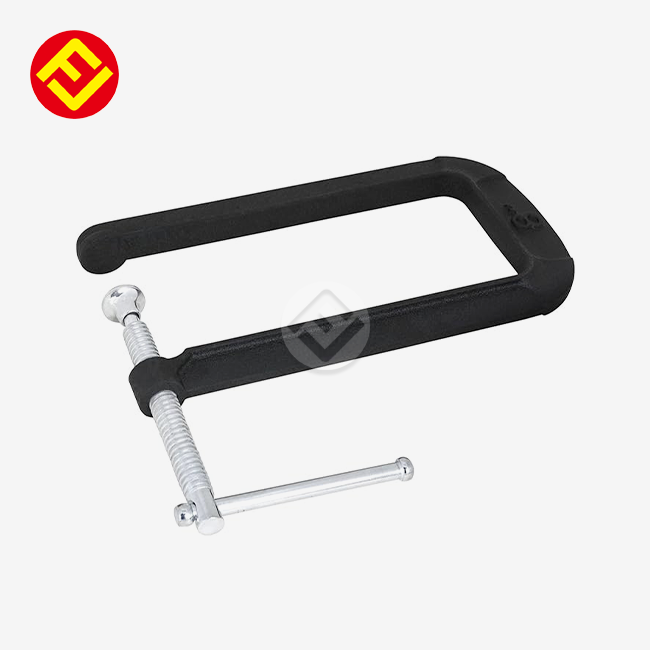
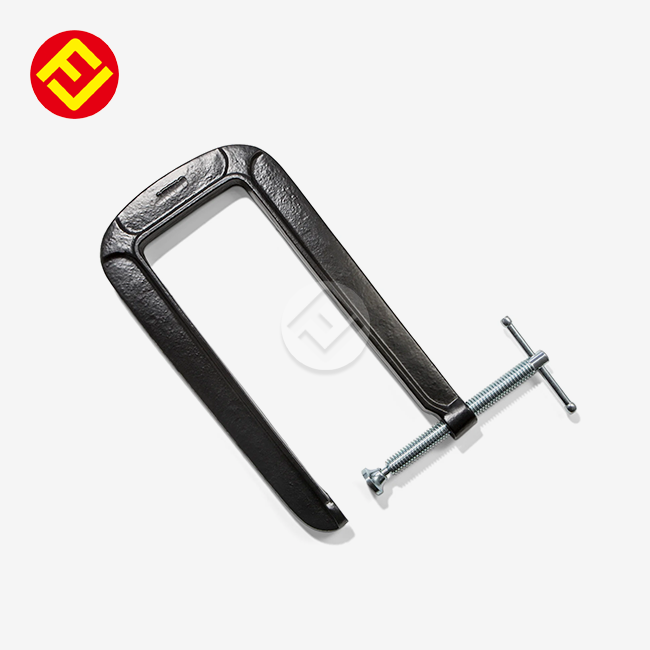
It is recommended that you use the standard American c-clamp for metalworking and woodworking projects because it provides reliable holding power in tough work settings. This flexible fastening tool has a good name because it has been used for decades in fabrication shops, on building sites, and in factories. With their high-strength ductile iron frames and precisely cut steel screw rods, these clamps give you the stability and force distribution you need for holding important things, like keeping wood in place while you put it together or keeping metal sheets steady while you weld.


Specification |
||||
| Specification | Rod Diameter (mm) | Rod Length (mm) | Total Length (mm) | Middle Width (mm) |
| 4 Inch | 22 | 115 | 195 | 50 |
| 5 Inch | 22 | 145 | 240 | 60 |
| 6 Inch | 22 | 170 | 270 | 65 |
| 8 Inch | 22 | 227 | 340 | 85 |
| 10 Inch | 22 | 275 | 395 | 85 |
| 12 Inch | 22 | 332 | 450 | 85 |
Understanding the Standard American C-Clamp
The standard American c-clamp is a step forward in the design of industrial fasteners. It was made with the goal of providing maximum holding strength and structural integrity in mind. Knowing what makes this tool unique will help you make smart choices about what to use for your business.
Core Design and Construction Fundamentals
The standard C-shaped frame gives this type of clamp its name and makes it more useful. Our production method mixes casting with precise cutting to make frames out of ductile iron, a material that is stronger than regular gray cast iron when it comes to tensile strength. The ductile iron mix keeps it from breaking and gives it the flexibility it needs to handle shock loads without permanently changing shape. Dimensional checks are done on each frame to make sure that the throat depth and opening capacity are within the allowed ranges.
All sizes of the steel screw rod have a width of 22 mm. It is machined with Acme-style threads that spread force well while reducing friction during adjustment. This standard rod diameter makes keeping track of extra parts easier, which procurement managers really like when they need to get parts from more than one plant.
Size Standards and Material Specifications
There are six standard sizes, running from 4 inches to 12 inches. Each one keeps the rod diameter the same while increasing the throat depth and total length by the same amount:
The 4-inch form has a 115mm rod length and a total length of 195mm, making it good for smaller building jobs and places where space is limited. The 6-inch and 8-inch models, which are in the middle price range, have 170mm and 227mm rod lengths, which are long enough for most general workshop tasks. The 10-inch and 12-inch types are better for heavy-duty work because they have longer rod lengths (275 mm and 332 mm), which means they can handle thick structural materials and big fabrication units.
Paint, a blackened finish, or powder coating are all possible for the surface finish. For indoor use, the blackened finish provides basic corrosion resistance. In building settings, powder coating gives better protection against wetness and chemicals. Painted models are a good compromise between low cost and long-lasting performance in normal workshop circumstances.
Industry Adaptability and Operational Mechanisms
The threaded rod method gives a mechanical edge that lets workers apply a lot of clamping force with little hand work. The screw moves through the frame's threaded hole as you turn the handle. This pulls the swivel pad toward the fixed jaw. This progressive tightening system lets you precisely control the clamping pressure, which keeps the part from getting damaged and makes sure a secure hold.
This adjustability is useful for factories that work with materials that aren't all the same strength, like soft wood boards and hardened steel plates. The wide mouth design (the middle width ranges from 50mm on smaller models to 85mm on larger ones) spreads pressure over a large contact area, which lowers the chance of damage to the surface or compression.
Comparing Standard American C-Clamps with Other Clamping Solutions
To choose the right clamping tool, you need to know how the different styles solve different problems in the workplace. This comparison helps buying managers match the features of a tool with what the real work needs.
Design Distinctions and Performance Characteristics
The American standard stresses maximum holding capacity and structural strength, while European-style C-clamps tend to have lighter frames that are better for travel. The heavier ductile iron used in American designs makes them better able to handle the high-torque tasks that are common in metal manufacturing settings.
Quick-release clamps are faster for standard American c-clamp tasks that need to be done over and over, but they don't have as much binding power. Quick-release systems cut down on cycle time when you're putting furniture parts together or doing light assembly work. However, heavy metalworking and soldering need the stronger grip that only a fully-threaded screw rod system can provide.
Heavy-Duty Versus Regular Models and Pad Considerations
G-clamps and C-clamps work in similar ways, but the words are sometimes used to refer to the same thing. The main difference is in the shape of the frame. G-clamps usually have a smaller throat depth compared to their opening capacity, while the normal American form strikes a balance between the two for a wide range of uses.
Heavy-duty versions have stronger frame cross-sections and longer thread contact lengths, which make them able to hold more weight without taking up more space. Regular models work well for a wide range of tasks, while heavy-duty models are better for specific tasks like building structures out of steel and maintaining industrial machines.
Swivel pad designs automatically line up with uneven or angled workpiece surfaces, making sure full touch even when clamping surfaces aren't straight. This feature that adjusts itself stops point loading that could damage workpieces or make the grip less effective. For some uses, fixed pads offer a slightly higher pressure concentration, but they need to be carefully lined up when they are set up.
Pads are chosen based on how sensitive the material is. For example, when working with finished surfaces or softer materials, putting safety pads between the clamp and the object stops marks from happening. This method can be used with the standard swivel pad setup, which keeps the gripping integrity.

How to Use and Maintain Your Standard American C-Clamp Safely and Effectively?
The right way to use and take care of tools will make them last longer and protect the operator's health and the quality of the work. Following set steps guarantees consistent performance over many years of work.
Safe Clamping Practices and Operational Procedures
Before you apply clamping force, check the areas where the part will touch the clamp to make sure they are clear of any dirt that could cause the piece to slip or the pressure to be distributed unevenly. If you can, put the clamp so that the screw rod is straight across from the gripping surface. This will give you the best staying power and the least amount of stress on the threads from the side.
Move the screw forward until it makes light contact. Check the alignment again before applying the final tightening force. If you apply too much pressure, more than what the clamp can handle, the threads could strip or the frame could bend. When you feel a lot of resistance, the clamp is tight enough. Adding more force rarely makes holding better and can hurt both the tool and the workpiece.
If you want to get a mechanical edge over hand-applied power, never use extension bars or cheater pipes. These actions create forces that are higher than what was intended, which poses a safety risk. If you can't hold your item in place with normal hand pressure and a standard clamp, you should get a model with a bigger capacity instead of trying to push the limits of the current tool.
Maintenance Protocols and Inspection Guidelines
Metal bits, wood dust, and other buildups of dirt and grime that get in the way of smooth thread action can be removed by cleaning regularly. A dry cloth should be used to clean the screw rod and frame after each use. Use a wire brush on the threads to get rid of tough dirt, but don't use too much force, as that could damage the thread profiles.
Light machine oil should be put on the screw threads once a month when they are being used regularly or before putting them away for a long time. This lubrication stops rust from forming and makes sure that the clamp is easy to fix when you get it back for another job. Stay away from heavy greases that make buildup sticky and attract dirt.
Check the pivot system for wear or looseness in the swivel pad attachment on a frequent basis. A swivel pad that works right can turn easily without too much play. Check the thread's surface for signs of galling or warping, especially after using it under a lot of stress. Any obvious thread damage needs to be replaced right away to keep the machine from breaking down in a terrible way in the future.
Troubleshooting Common Performance Issues
If the binding force on a standard American c-clamp seems to be going down even though the screws are properly tightened, check the threads of the screws for damage or contamination. Cleaning and lubricating can sometimes bring something back to full usefulness. If threads show clear signs of wear, the screw rod needs to be replaced. Using old parts for longer makes things less safe and less effective.
It's usually hard to turn the handle because it wasn't oiled enough or because it was cross-threaded when it was first engaged. Step back from the screw all the way, clean the threads well, add new oil, and slowly engage the screw again while making sure it is in the right place. Cross-threaded parts need to be looked at by a professional; trying to fix them without the right training could make the damage worse.
When the clamp is hit or loaded too much on one side, frame alignment problems can happen. Check that both jaw sides of the clamp are in the same plane by putting it on a flat surface. Any twisting or imbalance that can be seen is a sign of structural damage that means the tool should be taken out of service. Keep using broken clamps because they pose a safety risk and don't hold things securely.
Procurement Guide: Buying the Right Standard American C-Clamp for Your Business
When making strategic buying choices, you have to weigh the needs of the short term with the needs of the long term. This advice helps buying managers get the most out of the money they spend on tightening tools.
Critical Selection Criteria for B2B Buyers
When you choose a size, it should be based on the average size of your workpiece, plus a suitable capacity gap. Most projects use materials that are up to 6 inches thick, so choosing 8-inch clamps gives you more options without adding extra bulk. Many businesses keep a collection of items in a range of sizes so they can easily handle projects of different sizes.
Load capacity numbers tell you how much force a clamp can take before it permanently changes shape. Match these values to the needs of your specific application. For example, welding thick steel plates needs more capacity than putting together furniture. If you overestimate capacity, you lose budget resources, and if you underestimate capacity, you risk safety and cause tools to break down early.
Choosing between standard and heavy-duty materials relies on how often they will be used and how much stress they can handle. Facilities with multiple shifts and ongoing clamp usage should invest in heavy-duty models, while standard models work well in situations where they are only used occasionally. In our basic models, the ductile iron design already makes them stronger than lighter consumer-grade options.
Bulk Purchasing Strategies and Supplier Evaluation
When you buy in bulk, you save money because the price per unit goes down and procedures are streamlined. When setting up new facilities or replacing old tools, combining orders is more cost-effective than buying things one at a time. Our 2,000-ton store capacity means that we can meet standard requirements right away, without having to wait for production to start.
Reliability of suppliers is important for keeping operations running smoothly. Check out possible partners' written quality systems. For example, ISO9001 certification shows that a company is committed to consistent manufacturing standards. Look over the delivery success data and how quickly you answer technical questions. A supplier who gives you thorough specs, 3D designs, and technical help is worth more than just the product itself.
Total cost of ownership is affected by payment terms, minimum order amounts, and the ability to make changes. Some sellers have strict MOQ requirements that cause customers to have too much inventory, while others allow flexible buying that matches how much is actually used. If your uses need non-standard sizes or features, check with the provider to see if they can do custom fabrication and how long the lead time is.
After-Sales Service and Long-Term Partnership Value
Warranty coverage for a standard American c-clamp indicates manufacturer confidence in product durability. Standard guarantee terms usually cover flaws in the way the product was made and fails of the material under standard use. Make it clear what situations don't qualify for coverage, like making changes or running at full capacity, to avoid unexpected costs.
Long-term running costs are affected by how easy it is to get spare parts. Normal use wears down screw rods and joint pads, and they need to be replaced at some point. Suppliers who keep large stocks of parts reduce downtime when parts need to be serviced. Our paperwork packages come with full specs and part numbers that make it easier to place new orders.
When application questions come up or speed problems need to be figured out, being able to get technical support quickly is helpful. Responding to customer complaints within 24 to 48 hours shows that you care about them and helps to solve problems before they become practical problems. We offer full help from the initial specification through production updates and service after delivery.
Top Standard American C-Clamps for Workshop & Construction Use in 2024
To choose the best clamping option, you need to make sure that the features of the tool fit the needs of your operation. These suggestions cover a wide range of work needs in many different fields.
The 6-inch model in our lineup is the perfect size and range of features for mixed-use classes. With a rod length of 170 mm and a total length of 270 mm, it can handle most basic clamping jobs and is easy to use for long periods of time. The middle width of 65 mm gives a lot of contact area, which covers the workpiece surfaces during high-pressure uses.
Our 8-inch model is often preferred by building workers because it has a longer reach and a stronger frame. The 227mm rod length is long enough to fit solid lumber and heavy frame materials that are popular on construction sites. With a total length of 340 mm and a jaw width of 85 mm, this size works reliably in tough field situations where broken tools cause costly project delays.
Our 12-inch heavy-duty type is great for manufacturing settings that need the most holding power. The 332mm rod length and strengthened frame construction make the clamping force very strong for metalworking, big assembly parts, and industrial maintenance tasks. This standard is for places where clamps are constantly under load for long amounts of time and failure is not an option.
Businesses on a tight budget that want solid performance at a low cost will like our basic 5-inch model. Even though it is priced lower than bigger versions, it meets the same quality standards and material requirements. The 145mm rod length is good for smaller projects in the workshop, light manufacturing, and tasks where space limits the size of tools that can be used.
Users always comment on how smoothly the threads work and how long-lasting the finish is on all of our Products" target="_blank" style="color:blue" >products. Customers say it has worked reliably for years in a wide range of settings, from climate-controlled offices to open building sites. When you combine the power of ductile iron with treatments that don't rust, you get performance that makes up for the initial investment through longer operating life.

Conclusion
The standard American c-clamp is still an important tool for workshops and building sites because it provides solid holding power that has a direct effect on the quality of the project and the speed of operations. From the basic construction rules based on the strength of ductile iron to the practical issues that affect size choice and repair procedures, smart purchasing decisions improve both short-term performance and long-term value. Whether you work with precision woodworking, heavy metal production, or a variety of tasks on a building site, making sure you have the right clamp specs for the job will set you up for success. With almost 40 years of experience making things and a dedication to quality, we offer binding solutions that meet the exact needs of professionals who count on their tools every day.
FAQ
What distinguishes heavy-duty models from standard C-clamps?
Heavy-duty models have frame parts that are stronger, with more material and a deeper thread contact. These changes to the structure make it stronger so it can hold more weight and not bend when there is a lot of torque on it. Standard types are strong enough for most uses, while heavy-duty construction meets the specific needs of industrial metalworking and structural manufacturing, where failure would have very bad results.
How do I determine the correct clamp size for my applications?
Add 20 to 30 percent to the thickness of your average project. This buffer can hold protected pads and gives you options for bigger jobs every once in a while. Look through your project collection to find the most common sizes, then choose sizes that fall within that range. A lot of processes keep track of more than one size instead of depending on a single specification.
Can these clamps safely secure both wood and metal materials?
The steel screw rod and malleable iron structure work well with both types of material. For woodworking, stress levels that are close to maximum capacity don't happen very often. But for metalworking, especially welding, these clamps need to be at their strongest. When working with finished surfaces or soft materials that can get jaw marks, you should always use safety pads.
Source Premium Standard American C-Clamps from FLA Industrial
The efficiency of your business rests on tools that work reliably in real life. When FLA Industrial & Trading Co., Ltd. makes a standard American c-clamp, we use our nearly 40 years of experience in the business to combine old-fashioned craftsmanship with current quality systems. Our ISO9001-certified production methods make sure that all of our products, from small 4-inch models to heavy-duty 12-inch versions, are the right size and have a strong structure. We keep 2,000 tons of stock on hand so that basic orders can be shipped right away. Custom configurations, on the other hand, ship within 7–15 days to meet your specific needs. Purchasing managers and procurement leaders like that we offer a range of order sizes, quick technical help, and complete paperwork packages that make specification and integration easier. Contact our team at sales@flaindustrial.com to talk about your pressing needs with skilled experts who know what the B2B supply chain needs. We are a known standard American c-clamp maker with partners in the Fortune Global 500 in the US, Germany, and Australia. We give your business the quality, availability, and service it needs.
References
American Society of Mechanical Engineers. (2019). ASME B107.410: Hand Tools - C-Clamps and Carriage Clamps - Safety Requirements. New York: ASME Press.
Campbell, J.D. & Martinez, R.L. (2021). Industrial Fastening Systems: Selection and Application Guide for Manufacturing Environments. Chicago: Industrial Press.
National Institute of Standards and Technology. (2020). Federal Specification GGG-C-406D: Clamps, C-Type and Carriage. Washington D.C.: U.S. Department of Commerce.
Peterson, H.W. (2022). Workshop Tool Selection for Construction Professionals: A Procurement Handbook. Boston: Construction Industry Publications.
Rawlings, T.K. & Singh, A. (2023). Materials Engineering in Hand Tool Manufacturing: Ductile Iron Applications. Journal of Manufacturing Processes, 45(3), 112-128.
Wilson, E.R. (2021). Clamping Technology in Modern Fabrication: Best Practices for Safety and Performance. Detroit: Metalworking Industry Association.