American F-Clamp vs. Standard Clamps: Why the Design Matters
2026-07-10 10:09:07


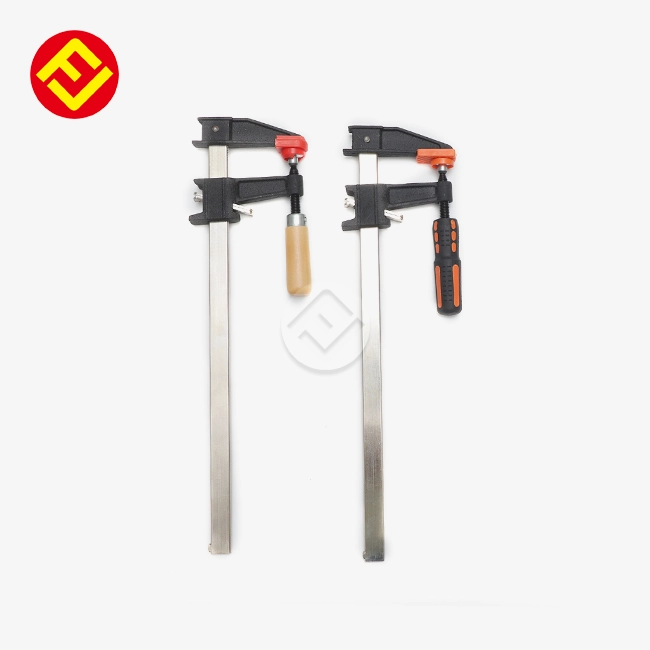
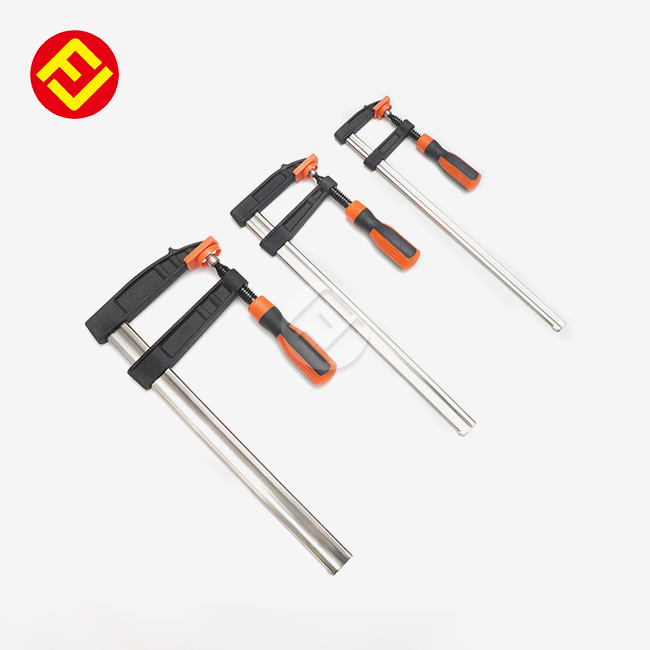
When choosing clamping tools for work, the difference between an F-Clamps/american-f-clamp">American F-clamp and other types has a big effect on how the project turns out. The American F-clamp is unique because it is made of strong, malleable cast iron and has a steel rail and a precision screw rod mechanism that work together to provide consistent binding force for welding, woodworking, and assembly tasks. Unlike lighter options that break under pressure, this heavy-duty design solves important problems in the industry by keeping the jaw from deflection during heavy-load operations, stopping clutch slippage in environments with a lot of vibration, and allowing for a deep throat reach without compromising the structure's strength. Knowing about these changes in design helps procurement managers make smart choices that improve business efficiency and cut down on downtime caused by equipment.

Specification |
||||
| Specification | Total Length (mm) | Total Width (mm) | Clamping Length (mm) | Clamping Width (mm) |
| 6 Inch | 248 | 110 | 160 | 60 |
| 12 Inch | 395 | 110 | 308 | 60 |
| 18 Inch | 550 | 110 | 460 | 60 |
| 24 Inch | 700 | 110 | 615 | 60 |
| 30 Inch | 850 | 110 | 765 | 60 |
| 36 Inch | 1000 | 110 | 915 | 60 |
Understanding the American F-Clamp: Design and Benefits
Core Structural Components
Three important parts of the American F-clamp's engineering must work together perfectly. The set jaw is made of malleable iron that meets KTH300-06 standards. It is much more resistant to impact than grey iron options. When tools are used every day in an industrial setting, this choice of material is important—malleable iron can handle the shock loads that are typical in manufacturing shops without cracking or permanently changing shape. The moving arm has a hardened steel clutch plate that connects with the steel rail's sharp serrations to make a static friction lock that stays in place even when the arm shakes. The screw system has an ACME thread, which quickly transfers force and lets you make quick adjustments with little hand effort.
Material Advantages in Industrial Settings
At FLA Industrial & Trading Co., Ltd., the first step in the manufacturing process is to check the materials to make sure that each part meets the standards for makeup before it goes into production. The steel rail is cold-drawn to improve the structure of the grains. After heat treatment, it gets a hardness grade of 40 to 48 HRC. This level of hardness keeps the serrations from rounding over time, which is a common way for cheap tools to break because the clutch finally slips when the load is put on it. The painted or zinc-plated finish makes the tool last longer by keeping it from rusting in damp workshops. This keeps the tool's structure over years of heavy use.
Operational Efficiency Gains
These clamps can reach the middle of wide panels during glue-ups because they have a deep throat capacity that ranges from 80mm to over 120mm based on the model size. This feature is very important when making furniture, since edge clamps can't apply enough pressure at panel centers, which often leads to glue lines or surfaces that are bent. The swiveling pad at the tip of the screw can handle surfaces that aren't parallel. It does this by spreading pressure evenly to protect the object from damage while keeping a firm grip. These design features lead to measured increases in productivity; assembly teams report shorter setup times and fewer pieces being thrown away because of problems with the clamps.
Comparative Analysis: American F-Clamp vs. Standard Clamps
Performance Metrics Across Clamp Types
Different clamping tools are used for different things, and knowing what each one can do helps you match the right tool to the job. C-clamps are small, but their throat depth is shallow, which means they're good for working on edges but not so good for getting into panels. While bar clamps have a longer reach, they don't always have the clamping force needed for high-pressure glue joins because their shorter rails bend when they're loaded, which makes parallel pressure less effective. Quick-grip clamps are easy to use with one hand, but their trigger systems can't handle much more than 300 pounds of force, which isn't enough for thick wood laminations or metal production.
The American F-clamp fills in these gaps by having a large throat width and clamping forces that go over 1,100 pounds for heavy-duty types. When working on large-scale woodwork, where reach and pressure are both important, this mix solves the problem. When gluing up tabletop panels, not enough pressure can show seam lines, and too much flex in the clamping bar can cause cupping that makes the panels not flat. The strengthened I-beam shape of good F-clamps keeps them rigid even when they're loaded, making sure that the pressure stays the same on the whole piece of work.
Application-Specific Advantages
Welding processes show another important difference. Plastic parts on Quick-grip clamps melt when they come into contact with weld spatter, and their low holding force lets heat expansion change the position of the workpiece during tack welding. The American F-clamp is made of metal and can handle these hard conditions without breaking. Metal makers say that the serrated rail lock stays in place even when nearby grinding activities cause vibrations. In this situation, friction-only systems often slip, requiring expensive repair.
Pipe Clamps can be adjusted to fit different lengths, but they need separate pipes to be used as tracks, which makes setup more difficult and storage more difficult. The built-in rail design of F-clamps gets rid of this problem and makes the jaws more stable. During the binding range, the fixed jaw stays perpendicular to the rail. This stops the angular drift that happens with most pipe clamp setups and can cause assemblies to spin.
Cost-Benefit Considerations
When procurement teams look at overall ownership costs, they need to think about how long tools will last as well as how much they cost to buy. Lightweight options may seem cheaper at first, but they end up costing more in the long run because they need to be replaced more often because they wear out or break. Quality F-clamps have a changeable screw rod and strong casts that make them easier to fix than to replace. This makes them last a lot longer. Manufacturers say that American F-clamps can work for decades with proper upkeep, while standard options usually need to be replaced every few years with the same amount of work.

How to Choose the Right Clamp: A Decision Support Framework?
Defining Application Requirements
To choose the right clamp, you must first carefully consider the unique needs of the job. Metal manufacturing shops that do structure welding need different requirements than woodworking shops that put together cabinets. Making a list of the usual workpiece's size, type of material, and length of time needed for holding helps narrow down the categories of tools that will work best. Panel glue-ups need clamps with stable holding force that won't loosen over time so that they can keep applying pressure for long periods of time while they cure. Welding tools need to be able to handle heat and stay in place during tack operations, which happen before the full weld is finished.
Critical Specification Parameters
Load capacity is the most gripping force that a tool can safely handle before it breaks or deforms permanently. Higher forces are needed to beat wood springback and make sure joints are tight in situations involving thick hardwoods or large-surface-area laminations. The throat depth needs to be able to handle the distance from the edge of the workpiece to the clamping point. If the reach isn't enough, awkward methods have to be used, which lowers the accuracy. Rail width affects how rigid it is when it's loaded; smaller shapes bend more easily, which lowers the clamping force and could damage the workpieces by causing uneven pressure.
Supplier Evaluation Criteria
A supplier's skills have a big impact on the success of a purchase for American f-clamp, not just the product specs. Established makers with recorded quality systems make it easier to be sure that all orders will be completed the same way. While ISO9001 certification shows that quality management is systematic, verifying the real manufacturing processes gives you even more trust. Customization is important when standard sizes don't meet specific needs; suppliers who can make custom configurations in a fair amount of time give businesses strategic freedom. The supply of stock affects the schedule for a project; suppliers who keep a lot of stock allow for quick delivery without production delays.
Procurement Insights: Buying American F-Clamps for Business
Sourcing Strategies for Volume Buyers
Hardware dealers and tool wholesalers can save money by working with makers who offer a range of SKU choices for single orders. Instead of buying different types of tools from different sellers, combining purchases saves money on shipping and makes managing supplies easier. Price talks are usually possible when you buy in bulk, but you should still look at the overall value instead of just the unit cost. This is because defective tools cause hidden costs like extra work, damaged materials, and production delays that are much higher than small per-unit saves.
Direct ties with manufacturers have benefits that go beyond price. Access to expert literature helps people choose the right Products" target="_blank" style="color:blue" >products and learn how to use them. Talking to tech teams lets you specify custom setups that meet specific operational needs without taking too long. FLA Industrial & Trading Co., Ltd. keeps more than 2,000 tons of standard products in stock so they can be shipped right away. They can also customize goods to meet specific needs and have them ready in 7 to 15 days.
Quality Verification Methods
By putting in place receiving review processes, procurement managers lower risk. Visual inspection finds clear flaws like holes in the casting or finish that isn't smooth. Functional testing shows that the screw works smoothly and the clutch engages securely along the whole length of the rail. Checking that the throat width and tightening capacity are correct by measuring them in real life. Setting up these quality gates stops people from using low-quality tools that could hurt activities further down the line.
Logistical Considerations
When you buy things from other countries, the shipping times can change, which can affect how you plan your goods. Usually, it takes 3–4 weeks for containers made in China to get to ports in North America, plus extra time for customs clearance and transportation within the country. Air freight cuts down on travel time but greatly raises costs, so it can only be used for pressing needs or very valuable things. Keeping the right amount of safety stock on hand for the wait times stops production from stopping when new tools are needed out of the blue.
Total risk exposure for American f-clamp is affected by return policies and guarantee terms. Clear instructions on how to handle broken goods and fair guarantee coverage periods show that the seller cares about customer happiness. During the warranty period, quick expert support helps with fixing and makes sure that problems are fixed quickly so that they don't affect work for a long time.
Maintenance and Longevity: Keeping Your American F-Clamp in Top Shape
Routine Care Procedures
Tool service lives are greatly increased by proper upkeep, which also ensures uniform performance. Wiping down the rail and screw after each use gets rid of any dirt or dust that might get in the way of the clutch engaging or the thread working. Over time, wood dust, metal shavings, and concrete residue build up in the grooves, making it impossible for the moving arm to lock firmly. A wire brush cleans packed material off of rail serrations well, returning full holding capacity. By putting light machine oil on threads and moving parts, you can stop rust and reduce friction while adjusting. But don't use too much oil, because it attracts dirt and other things that speed up wear.
How tools are stored has a big effect on how long they last. When clamps are hung upright, rails don't bend like they can when tools are left on concrete floors for a long time. Keeping tools in a climate-controlled space keeps them from rusting. This is especially important for tools that are painted, which doesn't protect against corrosion as well as zinc plating. When clamps are stored apart, tools that hit each other won't damage each other by accident.
Identifying Wear Patterns
Problems can be caught early on by inspecting things regularly, before they break down. If the rail serrations are round, it means that either the clutch plate needs to be replaced or too much force has been used. By checking screw threads for harm, you can keep important processes from stopping suddenly. Checking that the swiveling pad rotates smoothly makes sure that the pressure is spread out evenly. Pads that are stuck focus force in one area, which could damage the workpieces. If you take care of these problems quickly with small fixes or replacement parts, you can avoid bigger problems that would require a whole new tool.
Warranty Considerations
Manufacturers of good products stand behind their products with full warranties that cover both material and workmanship flaws. Knowing the terms of the guarantee when you buy something helps you figure out how much it's really worth. Some companies guarantee structure parts for life, but only for a certain amount of time for wear items like screw systems. When covered problems happen, responsive guarantee service with reasonable response times keeps production as smooth as possible. Before buying, it should be made clear what paperwork is needed and how to file a claim. This will make it easier to solve problems if they arise.

Conclusion
When deciding between American F-clamps and other options, you need to carefully look at the design features, performance capabilities, and application needs. Quality F-clamps have benefits in challenging professional settings that regular tools can't match. They have constant holding force, better durability, and operating reliability thanks to their malleable cast iron construction, reinforced steel rail, and precision screw mechanism. Businesses are set up for long-term success when they make purchasing choices that balance the initial investment against the total ownership costs and take into account both the product standards and the supplier's abilities. The organized framework shown here gives buying managers the power to match the choice of tools to specific business needs while also making sure that suppliers provide enough support throughout the lifecycle of a product.
FAQ
What distinguishes heavy-duty American F-clamps from standard models?
Heavy-duty models have steel rails with bigger profiles, usually 1/4" x 3/4" or larger cross-sections, than normal models, which have profiles that are thinner. The strengthened malleable iron castings can withstand binding forces of 600 to 1,200 pounds or more without deforming, while regular iron castings tend to bend or slip at around 300 pounds. Serrations and clutch plates that have been heat-treated keep engaging under higher loads, stopping the slipping that makes normal clamps less useful in tough situations.
Can American F-clamps be used in welding applications?
The all-metal design can handle the weld spatter and heat that hurts plastic-bodied options. Long-term adjustability is maintained by protecting the ACME threads from direct spatter contact. For extra protection, some makers offer copper-coated screw versions. The strong holding force keeps metal parts in exact line even when they heat up during tack welding. This makes sure that the joints fit up correctly for good welds.
How do I prevent clutch slippage under high pressure?
Most of the time, slippage is caused by worn rail serrations, smooth clutch plates, or dirt that stops the proper contact. Using solvent and a wire brush to clean the rail well gets rid of the dirt and oil that have built up and are getting in the way of the friction lock. By looking for wear on the serrations and clutch plates, you can find parts that need to be replaced before they start to slip during important operations.
Partner with FLA Industrial & Trading Co., Ltd. for Superior Clamping Solutions
FLA Industrial & Trading Co., Ltd. offers a wide range of services to help purchasing managers find trusted American F-clamp providers. Our factory has been making things for almost 40 years and now makes more than 1,000 different kinds of products. They are ISO9001 certified and have strict quality control measures in place. We keep a lot of goods on hand so that we can ship right away, and we can also make changes to meet specific needs. When you ask about specs, custom setups, or buying in bulk, our technical team replies within 24 to 48 hours. Get in touch with us at sales@flaindustrial.com to talk about your unique clamping needs and find out how our experience as an American F-clamp maker can give your operations the performance, dependability, and value they need.
References
Hansen, M. (2021). Industrial Clamping Systems: Design Principles and Application Guidelines. Technical Press Publishing.
Richardson, P. & Thompson, K. (2020). Metallurgy of Hand Tools: Material Selection for Professional Applications. Industrial Manufacturing Journal, Volume 34.
Williams, J. (2022). Woodworking Tool Selection: A Procurement Guide for Manufacturing Facilities. Workshop Equipment Association.
Chen, L. (2019). Quality Standards in Metal Forming: Casting and Forging Processes. Materials Engineering Quarterly, Issue 18.
Bradley, R. (2023). Maintenance Best Practices for Workshop Clamping Equipment. Professional Tool Management Series.
Anderson, T. & Martinez, S. (2021). Comparative Analysis of Mechanical Fastening Systems in Industrial Applications. Journal of Manufacturing Technology, Volume 29.