The Pros and Cons of Grooved Coupling Clamps
2026-06-01 09:46:58


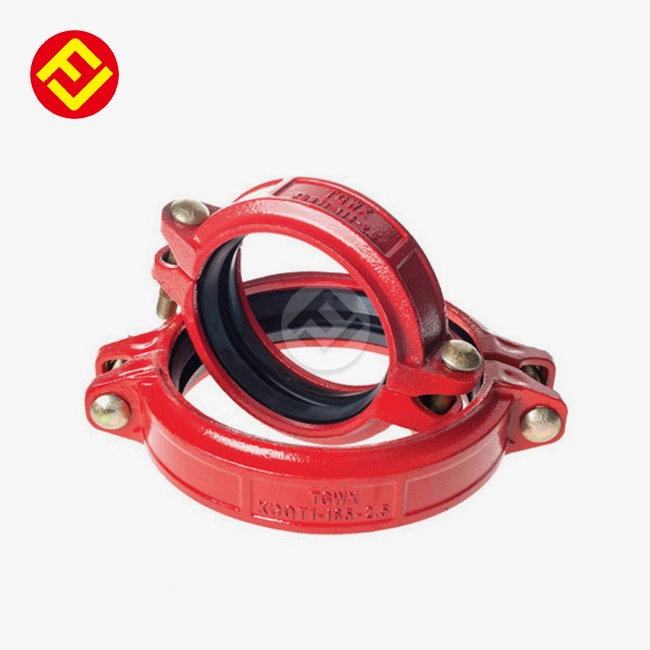
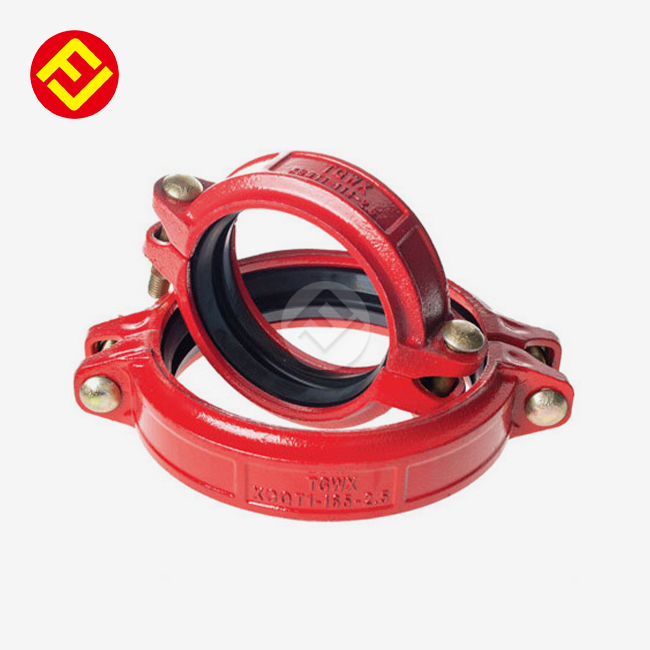
Understanding the coupling clamp grooved system is crucial when choosing pipe connection options for large projects. Mechanical connecting devices simplify assembly without hot work, cutting installation time by half compared to welding or threading. Two housing segments contact pipe end grooves, and an elastic gasket seals pressure. They are flexible and fast in fire prevention systems, HVAC networks, and industrial pipelines, but they are limited in high-pressure applications. Procurement managers, engineers, and distributors may compare these aspects to project needs with this detailed study.
Understanding Grooved Coupling Clamps
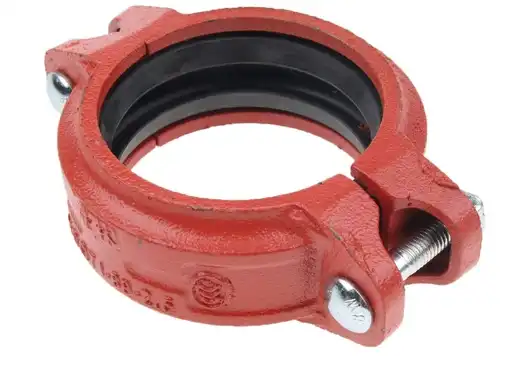
The coupling clamp grooved mechanism is complex engineering in a simple packaging. Grooved pipe ends, ductile iron or carbon steel coupling housing, and a pressure-responsive gasket are needed to complete the system. The pipe end is circumferentially grooved using roll-grooving or cut-grooving, depending on wall thickness and material.
Roll-grooving maintains Schedule 10 or Schedule 5 pipe wall thickness by cold-forming metal. Thin-wall applications require this technology since material removal would jeopardize structural integrity. Cut-grooving machines make accurate grooves for thick-wall pipes, improving dimensional tolerances. Track-head pieces in the coupling housing contact these grooves to mechanically lock pipes as the gasket compresses to seal leaks.
Material choice affects performance in various scenarios, including for coupling clamp grooved. Durable and cost-effective ASTM A536 Grade 65-45-12 ductile iron has 65,000 psi tensile strength and 12% elongation. Surface treatments improve corrosion resistance in carbon steel alternatives. EPDM gaskets perform well for water, sewage, and steam up to 230°F, whereas NBR (Nitrile) gaskets work well for petroleum and hydraulic fluids.
International certification standards ensure product dependability. ASTM F1476 certification ensures industrial compatibility, while UL 213 and FM Class 1920 certificates prove fire protection effectiveness. Pressure ratings range from vacuum to 300 PSI or greater depending on size and wall schedule, with normal temperature tolerance of -29°C to 110°C. Grooved systems function in fire suppression networks, chilled water loops, and mining slurry lines with diverse operating needs because of their adaptability.
Advantages of Using Grooved Coupling Clamps
Fast installation is the biggest benefit driving building project uptake. Teams construct connections in minutes instead of hours, saving time, safety, and specialist people for welding. Site managers report 50% lower labor costs than previous approaches, while project engineers praise shorter critical path schedules that speed up project completion.
The lack of hot work makes job sites safer and allows installation in occupied buildings where welding is impracticable or illegal. Installation of fire suppression systems without hot work permits reduces administrative delays and ignite hazards in sensitive situations. Renovation projects that maintain building operations during construction benefit from this advantage.
Flexibility solves real-world problems stiff connections cannot. coupling clamp grooved connectors absorb chilled water pipe thermal expansion without stressing equipment or structural supports. In many applications, the elastomeric gasket replaces costly expansion joints by controlling angular and linear movement. Pump stations and mechanical equipment are protected from harmful resonance transmission across pipe networks by vibration dampening.
Access to maintenance changes lifecycle cost estimations. Crews simply remove grooved connections without cutting or harming nearby pipe when replacing equipment or expanding capacity. Mining operations rotate pipe sections exposed to abrasive slurry flows to triple service life by spreading wear over the circle. Reusing disassembled components saves material waste and inventory expenses for multi-site facilities.
Surface finishes prolong corrosion resistance. Epoxy coatings withstand chemical exposure in processing plants, whereas painted finishes cover interior applications economically. Hot-dip galvanized surfaces resist corrosion best in marine, wastewater, and outdoor applications. Material selection for operational circumstances ensures decades of dependable service with just gasket inspection.
Limitations and Potential Drawbacks
Pressure and load limits are the main technical constraints on application appropriateness. coupling clamp grooved connections can sustain 300 PSI in normal setups, while welded joints are stronger in ultra-high-pressure systems. Despite the installation time penalty, critical structural applications needing permanent stiffness may require flanged or welded connections. Procurement engineers must check pressure ratings against system design specifications, including surge pressures and safety factors from engineering papers.
Comparing unit pricing to welded fittings or threaded connectors shows greater initial component costs for grooved coupling clamp. This restrictive approach ignores installation labor, equipment leasing, and project timetable compression costs. Purchasing managers should compare bids by total installed cost, not material-only. When labor hours, hot work permits, and schedule acceleration advantages are considered, grooved systems win. To minimize short-sighted material purchase cost decisions, budget presentations to project stakeholders should explicitly explain these discrepancies.
Welded systems reduce maintenance needs due to their permanence. Temperature cycling and chemical exposure decrease gasket integrity. Bolt strain or housing wear can affect seal compression, therefore coupling tightness must be checked often. Maintenance managers must plan gasket and coupler inspections at system maintenance intervals. Failure to maintain facilities risks leaks that damage the technology's reputation.
Quality installation affects long-term performance in ways typical pipe technologies can handle. Improper groove depth hinders housing engagement, and dirt on sealing surfaces reduces gasket efficiency. Assembly pinched gaskets produce leak channels that are unseen during pressure testing but subject to failure under operational circumstances. Installation personnel need more training than welding teams since the system's simplicity might lead to negligent assembly. Quality control must check groove size, surface cleanliness, and bolt torque for reliable functioning.
Grooved Coupling Clamps vs. Alternative Coupling Solutions
Monolithic assemblies that withstand tremendous pressures and structural loads are made of welded connections, which are stronger than mechanical systems. Fast installation, modification flexibility, and hot work safety risks are the trade-offs. Critical pressure projects that prioritize absolute joint strength may justify welding despite time and expense constraints. Welds are hard, but coupling clamp grooved connections absorb inter-story drift without breaking, making them safer in earthquake-prone areas.
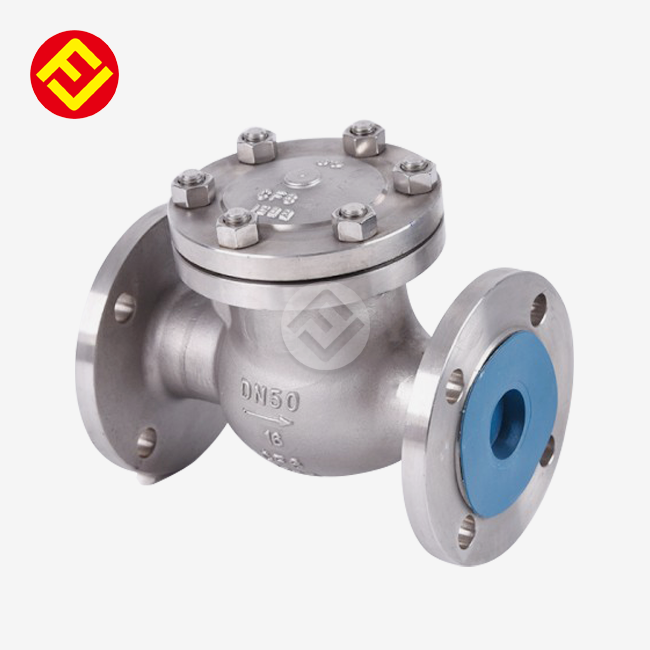
Flanged connections are a compromise between permanent welds and flexible grooved systems, offering high pressure capacity and disassembly. Bolt circular assembly takes longer than grooved installation, and flange weights make big diameter handling difficult. Maintenance gasket replacement fits grooved system requirements, however flange bolting designs need extra fasteners and re-torquing. In diameters below 6 inches, grooved systems are cheaper, while flanges compete better in bigger sizes as coupling weight penalties decrease accordingly.
Threaded connections work for low-pressure small-diameter pipework but need skillful threading and limited flexibility. Maintenance becomes difficult when thread integrity degrades, especially in vibration or temperature cycling systems. Threaded connections are limited to situations where their simplicity justifies the performance trade-offs since thread cutting and assembly take longer than grooved installation, such as with a grooved coupling clamp.
Selecting ductile iron or carbon steel affects corrosion resistance, weight, and cost. Carbon steel with proper coatings may rival ductile iron in many applications while being lighter in big dimensions. Chemical processing conditions benefit from stainless steel corrosion resistance, but cost surcharges limit use to specific needs. To maximize value, painted, epoxy-coated, or hot-dip galvanized surfaces must match environmental exposure and service life.
Major project risk is reduced by decades of field performance data and engineering support from established brands. Victoria pioneered grooved coupling technology, setting industry standards and providing extensive product documentation. Strong certification portfolios and technical support make Anvil and Gruvlok attractive choices. ISO9001, CE, and UL/FM certifications show that Chinese manufacturers offer cost-competitive Products" target="_blank" style="color:blue" >products with growing quality. FLA Industrial & Trading Co., Ltd. shows this progress with almost 40 years of manufacturing experience and over 1,000 product specifications for Fortune Global 500 partners.
Procurement Guide for Grooved Coupling Clamps
Pressure ratings, temperature ranges, and pipe compatibility are checked against technical papers to match specifications. Specialized high-pressure variations increase capabilities for severe settings, while working pressure up to 300 PSI serves most commercial and light industrial applications. Typical working temperatures are -29°C to 110°C, however severe situations may need gasket material or housing design changes. If groove dimensions satisfy manufacturer standards, steel, PVC, copper, and other materials are pipe compatible.
Vendor selection depends on size range, since stocks from 1 inch to 48 inches facilitate logistics and technical support. Suppliers with diverse product categories simplify vendor management for projects with numerous diameters. Custom sizing is important for refit projects with non-standard dimensions and incompatible components.
Certification verification reduces liability and guarantees code compliance across jurisdictions. North American fire protection applications require UL and FM clearances for components like grooved coupling clamp, whereas CE labeling meets European market standards. ISO9001 accreditation proves quality management system maturity, ensuring production consistency for items such as grooved coupling clamp. Instead of trusting verbal assurances, procurement managers should seek certification documents for grooved coupling clamp and verify them during supplier approval.
Supplier responsiveness during bid review is crucial since lead time and inventory availability impact project schedule viability. Wholesale wholesalers with local inventory can fulfill conventional sizes quickly, but specialized production takes longer lead times for casting, machining, and surface treatment. Engineering help and 24-48-hour quotation turnaround speed design decision-making when specification problems emerge. Professional suppliers differ from price-driven commodity providers in their quick response times.
Minimum order amounts affect procurement strategy, especially for distributors building inventory or contractors managing several projects. Volume pricing rewards greater commitments but affects cash flow and inventory expenses. Framework agreements with preferred vendors set pricing and delivery parameters for project portfolio-wide procurement. When supply chain interruptions impair material availability, the relationship method improves technical assistance and priority allocation.
Shipping and storage damage gasket sealing surfaces and housing dimensions can be avoided with good packaging. Export shipments that endure long transit durations and many handlings need strong packaging. Packaging attention by suppliers indicates production quality concern for the coupling clamp grooved.
Conclusion
coupling clamp grooved benefit pipe projects that prioritize speed, flexibility, and safety. The system avoids hot work dangers, cuts labor expenses, and naturally accommodates thermal expansion and vibration. Materials and surface treatments are used in fire prevention systems and industrial processing facilities. Understanding pressure capacity and maintenance restrictions helps procurement teams make project-specific decisions. When compared to other connecting methods, grooved systems excel and welded, flanged, or threaded connections are preferable. Careful specification matching and supplier selection maximize value and dependability.
FAQ
1. What advantages do grooved coupling clamps offer over welded joints?
Compared to welding, coupling clamp grooved install 50% faster and eliminate hot work permits and fire dangers. They reduce lifespan costs by allowing rapid disassembly for maintenance or system changes without cutting pipes. Flexible design protects equipment from stress damage from heat expansion and vibration.
2. Are grooved coupling clamps compatible with all pipe materials?
Steel, ductile iron, copper, and PVC pipes are compatible if groove dimensions satisfy manufacturer standards. EPDM is for water and steam, NBR for petroleum. Check housing and gasket compatibility with pipe material and operating conditions.
3. How often should grooved coupling connections be inspected?
Inspections should coincide with facility maintenance, usually annually for stable systems. Applications involving temperature cycling, vibration, or corrosive fluids require more frequent gasket and coupling tightness checks. Visual leakage inspections and bolt torque verification reduce wear and assembly problems.
Partner with FLA Industrial for Premium Grooved Coupling Solutions
FLA Industrial & Trading Co., Ltd. is your coupling clamp grooved provider with over four decades of production experience. Premium ductile iron and carbon steel are used to make components with painted, epoxy coated, and hot-dip galvanized finishes. ISO9001, CE, and UL/FM certifications provide worldwide compliance for sizes 1 inch to 48 inches. Our engineers provide quotes and technical requirements within 24-48 hours, supporting project timeframes. We serve Fortune Global 500 partners in the U.S., Germany, and Australia, proving our quality and reliability. For competitive bulk pricing on your next project, contact our procurement professionals at sales@flaindustrial.com.
References
1. American Society of Mechanical Engineers. (2021). "ASME B31.1 Power Piping Code: Standards for Mechanical Pipe Connections." New York: ASME Press.
2. National Fire Protection Association. (2020). "NFPA 13: Standard for Installation of Sprinkler Systems, Chapter 8 – Pipe and Fittings." Quincy: NFPA Publications.
3. Victaulic Company. (2022). "Grooved Mechanical Pipe Joining Systems: Engineering Design Manual." Easton: Victaulic Technical Services.
4. Construction Industry Institute. (2019). "Labor Productivity Analysis: Comparative Installation Methods for Piping Systems." Austin: CII Research Publications.
5. American Water Works Association. (2018). "AWWA C606: Standard for Grooved and Shouldered Joints, Seventh Edition." Denver: AWWA Standards Office.
6. Fire Protection Research Foundation. (2020). "Seismic Performance of Grooved Piping Systems in High-Rise Buildings: A Technical Review." Quincy: FPRF Technical Reports.