Exploring Mech Grooved Fittings: Details and Sizes
2026-06-01 09:46:56


Understanding mech grooved fittings is crucial for current pipe solutions. These mechanical coupling components attach pipes without welding or threading using a grooved connection technique, making them fast to install and flexible for industrial applications. A pressure-responsive gasket secures a housing to pipe end carved grooves. This method eliminates hot work permits, reduces labor time, and provides consistent fire protection, HVAC, and plumbing performance. Knowing these fittings' details affects project timeframes and maintenance costs as a procurement manager or site supervisor.
Understanding Mech Grooved Fittings: Basics and Benefits
The Mechanical Coupling Principle
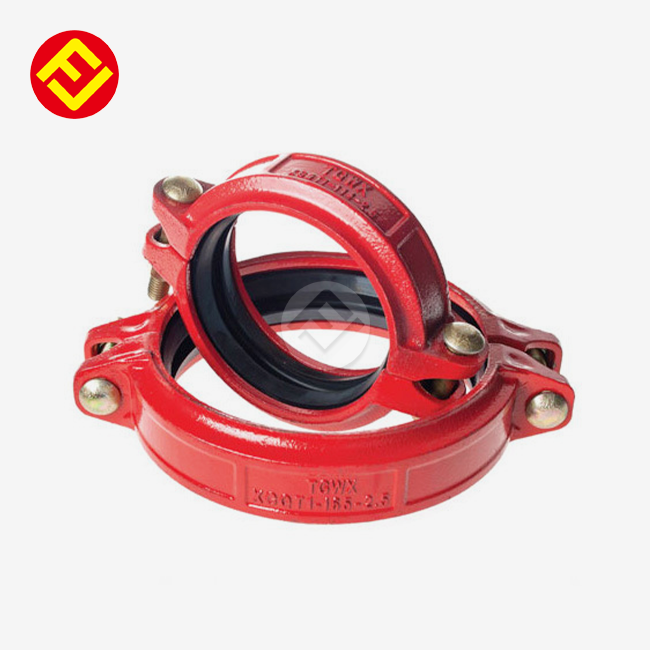
The mechanism of mechanical grooved pipe couplings is simple yet complex. The grooved pipe end, elastomeric gasket, coupling housing, and bolts make up the system. This design grips the pipe groove mechanically as the gasket seals, unlike older techniques that permanently connect joints. Housing uniformly distributes clamping force, minimizing connection-compromising stress concentrations.
This technology is significant because it adapts to changing working situations. The mech grooved fitting system supports stiff and flexible joints. Rigid connections keep pipes aligned in static applications. Flexible couplings absorb thermal expansion and vibration that would harm permanent connections and provide regulated angular deflection and linear movement. ANSI/AWWA C606 states that grooved connections may withstand large structural movements without leaking.
Key Benefits Over Traditional Methods
Grooved coupling technique has benefits beyond installation time. These fittings cut installation time by 60% compared to welding or threading. This efficiency reduces labor costs and speeds project completion. Site managers appreciate that most applications just require basic hand tools and training, not welding certificates.
Another key feature is maintenance efficiency. Every mech grooved fitting connection is a union point, allowing personnel to dismantle piping systems for inspection or component replacement without cutting pipes. Easy access lowers maintenance and emergency repair downtime. These flexible connections isolate vibration, protecting pumps, chillers, and other sensitive equipment from mechanical stress-induced alignment difficulties.
Multiple cost factors favor grooved systems. Initial material prices may be equivalent to standard fittings, but reduced labor hours, welding equipment, and insurance premiums (from removing hot work) lower project costs by 30-50%. Properly maintained grooved systems can last over 50 years in appropriate applications, adding value.
Common Application Environments
Grooved pipe fittings are mostly used in fire prevention. The technique is the benchmark for automated sprinkler installations that must be reliable under high static pressure. Building rules increasingly mandate these connections in high-rise constructions where welding is unsafe. Good grooved fittings have UL/FM certifications to satisfy inspectors and insurance underwriters.
Flexible grooved connectors greatly reduce vibration in HVAC and chilled water systems. Pumps and compressors in mechanical rooms cause significant vibration, which can misalign stiff pipework. Grooved joints' regulated flexibility minimizes progressive deterioration and maintains leak-tight sealing over temperature cycles. Industrial facilities handling abrasive materials or chemicals use these connections, especially when employing ductile iron housings with chemical-compatible gaskets.
Heavy-duty applications like mining and municipal water systems suit grooved fittings. The capacity to swiftly install and remove pipelines in remote or uneven terrain gives operating flexibility that welded systems cannot match. Dewatering systems in mining applications are easy to reconfigure as activities move.
Detailed Breakdown of Mech Grooved Fitting Types and Sizes
Available Fitting Configurations
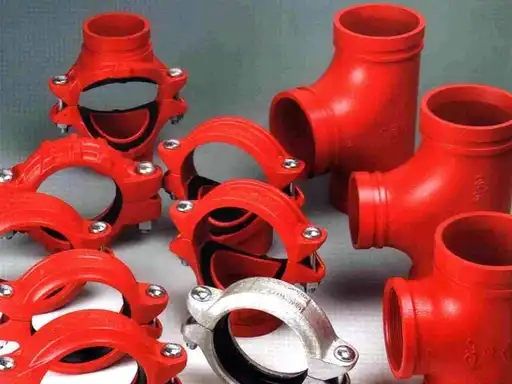
Engineers may build full pipe assemblies without joining using other ways because to mech grooved fittings variety. Straight couplings link same-diameter pipes end-to-end, whereas reducing couplings connect pipes of various diameters. In any system, these components manage most connections.
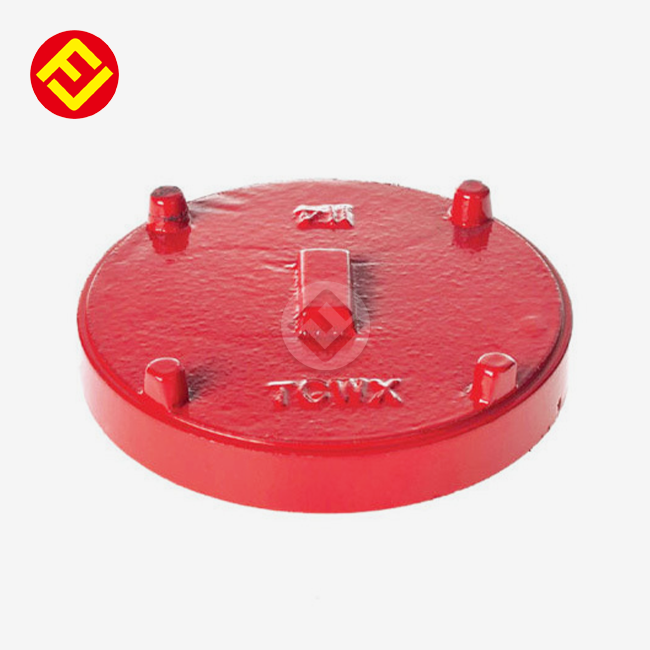
System branching is possible with directional fittings. Grooved elbows come in long and short radius 90-degree and 45-degree variants. Tees and crosses link branches with system-sized outputs. Mechanical tee outlets allow branch connections to pipelines without disassembly, caps terminate lines, and flanged adapters interface with equipment or valves.
Each fitting type meets engineering needs. System integrity and performance depend on knowing the right application for each setup. Source vendors with complete product lines to simplify vendor management for procurement managers.
Standard Size Ranges and Dimensional Specifications
Grooved fittings, including mech grooved fitting, are available in 1 inch to 48 inches, addressing most commercial and industrial pipe applications. The dimensions requirements reflect ANSI/AWWA C606 groove geometry criteria, guaranteeing manufacturer-independent fitting and grooved pipe end compatibility. Standardization gives buying flexibility and inventory management ease.
Smaller diameters (1" to 4") service branch lines, equipment connections, and residential applications. Middle sizes (6" to 12") handle commercial building main distribution lines with moderate traffic. Municipal water systems, industrial operations, and high-capacity fire protection mains use 14" and larger diameters.
Material Options and Performance Characteristics
Material choice greatly affects fitting performance and lifetime. Ductile iron grooved fitting housings are the most popular because they are strong, affordable, and corrosion-resistant when coated. Grade 65-45-12 ductile iron has a minimum tensile strength of 65,000 PSI and better impact resistance than gray iron. Withstanding temperatures from -20°F to 230°F, this material is ideal for most water-based systems.
ASTM A536 carbon steel fittings are used in applications demanding strength or metallurgical qualities. These fittings thrive in mechanically stressed situations and high-pressure applications. Durable materials are heavier, which may affect installation logistics and structural stability.
Finishes prevent basic materials from environmental damage. Indoor corrosion protection is provided by standard red paint. Epoxy coatings improve chemical resistance and durability, prolonging service life in harsh situations. Hot-dip galvanizing offers the best corrosion protection for outdoor installations, coastal areas, and corrosive fluid applications. To optimize fitting longevity, choose a finish that matches ambient conditions and system fluids.
Another important criteria is gasket material. EPDM gaskets work well in water-based systems at many temperatures. Superior chemical resistance makes nitrile gaskets ideal for petroleum-based fluids. Silicone gaskets handle high temperatures. Gasket material that matches system fluid minimizes premature deterioration and preserves seal integrity throughout fitting life.
Installation and Maintenance: A Practical Guide
Step-by-Step Installation Procedures
Pipe preparation precedes installation. The pipe end must be grooved to ANSI/AWWA C606 dimensions. Roll-grooving maintains pipe wall thickness by cold-forming the groove without removing material using specialized equipment. Cut grooving machines use material to form the groove, reducing wall thickness but improving geometry. Properly conducted, both strategies yield satisfactory outcomes.
Check the pipe end for burrs, sharp edges, and dimensions after grooving. Filing or deburring removes flaws. No oil, debris, or scale should be in the groove to ensure gasket seating. Seat the gasket evenly in the groove with the bead pointing outward around the pipe. The gasket must not twist or fold during installation.
Align bolt pads on coupler housing pieces around gasket. Install bolts through housing lugs and hand-tighten nuts. Tighten the bolts cross-pattern using a calibrated torque wrench to the manufacturer's specification. Even pressure distribution along the coupling circle is achieved. Under-tightening leaks, while over-tightening damages the gasket or housing. The required torque ranges from 45 ft-lbs for 2-inch fittings to 125 for 12-inch fittings, depending on fitting size and material.
System reliability depends on torque application. Incorrect bolt tension causes many field failures. Installation teams should be trained and given calibrated tools by procurement management. Quality installation minimizes costly returns and system downtime for the mech grooved fitting assembly.
Routine Maintenance and Inspection Protocols
Grooved joints require less care than other joints, but occasional examination maintains reliability. System criticality and operational circumstances should determine a routine inspection schedule. Critical fire prevention systems may need yearly inspections, while less demanding applications might wait 2-3 years.
Visual inspection reveals problems. Leakage, housing or bolt corrosion, gasket extrusion (visible rubber from the connection), and impact or stress damage should be checked. Check bolt tightness using a torque wrench to ensure fasteners meet torque values. Through vibration and temperature cycling, connections weaken.
Gasket deterioration from chemical incompatibility or aging, bolt corrosion lowering clamping power, groove damage from poor installation, and housing fractures from stress are common failure mechanisms. These flaws can be identified early to avoid catastrophic failures. Gaskets and bolts are easily accessible, making repairs easy. Grooved systems are modular, making re-cutting and grooving damaged pipe sections easier than welded junctions.
Lubrication and cleaning prolong component life. Brush off housing dirt and scale during inspections. To avoid thread galling, lightly coat bolts with anti-seize compound during reassembly. Using petroleum-based lubricants can damage rubber compounds and weaken seals.
Comparing Mech Grooved Fittings with Other Fitting Types
Installation Efficiency and Labor Requirements
When comparing crew productivity across joint types, mech grooved fittings show their installation speed advantage. Pipe preparation, joint assembly, welding, cooling, and quality checking take many hours for bigger diameter pipes. Threaded connections need pipe cutting, threading, compound application, and precise alignment, which takes time and specialized equipment.
These stages are mostly eliminated by grooved connectors. Assembly takes seconds per joint after minutes of grinding. Two people can make 30-40 grooved connections per day vs 8-12 welded junctions. Projects move faster due to this productivity boost. Reduced skill requirements mean you don't need rare qualified welders, allowing schedule flexibility and personnel availability.
Eliminating hot work permits simplifies project logistics. Welding in inhabited structures requires fire watches, ventilation, and occupant alerts. These administrative tasks delay and expense projects. Grooved connections eliminate these issues, allowing sensitive environment work without disturbances.
Performance Characteristics and System Flexibility
For every plumbing connection, leak resistance is key. Grooved joints generally outperform welded connectors in seal integrity. Gaskets have several seal locations to guarantee redundancy—minor defects in one region don't affect sealing. Quality grooved fittings fitted to specifications fail below 0.1% in field testing.
System reliability depends on torque application. Incorrect bolt tension causes many field failures. Installation teams should be trained and given calibrated tools by procurement management. Quality installation minimizes costly returns and system downtime for the mech grooved fitting assembly.
Grooved connection flexibility helps seismic applications. In earthquake-prone areas, building rules increasingly mandate pipe systems that can tolerate structural movement. Grooved fittings' controlled deflection meets these needs while maintaining system integrity. Laboratory testing and field performance during earthquakes have verified this earthquake resistance.
Lifecycle Cost Analysis
Only one part of system expenses is initial material. A complete lifecycle cost study covers installation, maintenance, repair, and system lifespan. Although grooved fittings cost more than threaded or welded ones, they cost less to install due to less work hours.
Maintenance accessibility greatly affects lifespan costs. The union of every grooved joint permits component replacement or system change without considerable disassembly. A whole day is needed to replace a valve in a welded system, including cutting, re-welding, and pressure testing. The same job takes under an hour in a grooved system. Maintenance efficiency cuts downtime, which is crucial in 24/7 industrial operations.
System lifespan promotes grooved connections when maintained. Lack of heat-affected zones prevents metallurgical changes that degrade welded connections. Coated grooved fittings corrode slowly and are easy to repair. Well-maintained grooved systems often outlast other connecting techniques by 50+ years.
Procuring Mech Grooved Fittings: What Global Buyers Need to Know
Identifying Quality Manufacturers and Products
Source selection greatly affects project outcomes. Quality manufacturers have thorough product certifications, constant dimensional correctness, accurate material requirements, and prompt technical assistance. ISO9001 accreditation suggests quality management systems, but product-specific certifications are needed.
Fire protection fittings must be UL and FM approved to fulfill strict safety and performance criteria. European product safety rules need CE certification for transnational projects or multinational enterprises with regionally consistent criteria. Manufacturers who invest in these certifications show quality and market access.
Technical documentation quality also indicates manufacturer competency. Detailed product catalogs with specs, installation instructions, and engineering data aid decision-making. Manufacturing companies that offer application engineering, bespoke product development, and field troubleshooting bring value beyond their goods.
Several excellent and innovative vendors are in the sector. Victaulic, which invented grooved coupling, is well-regarded. Tyco and Anvil make well-known Products" target="_blank" style="color:blue" >products. Beyond these main names, many manufacturers provide competitive items, especially from Asian markets with advanced manufacturing skills. Due effort in considering these alternatives can save money without sacrificing quality on your mech grooved fitting supply.
Certification Requirements and Quality Verification
Performance and safety are objectively verified by product certifications. Understanding application certifications ensures purchase selections fulfill project needs. Fire prevention systems require UL or FM listing—insurance companies and building inspectors won't accept uncertified components. The listing procedure includes rigorous testing and factory inspections to ensure product uniformity.
Fitting component material certificates, including for mech grooved fitting, show their metallurgical and mechanical qualities. Request material test results verifying ASTM A536 ductile iron or gasket compound standards. Reputable manufacturers regularly give material certificates; omissions should raise quality issues.
Pressure testing shows fittings can bear required operational pressures with safety margins. Quality manufacturers hydrotest at 1.5 times rated operating pressure before shipment. This testing finds manufacturing faults that might fail in the field. Requesting pressure test records verifies product quality.
Warranty terms show manufacturer confidence in product durability. Manufacturers normally give 1-5 year warranties, although some offer longer coverage. Warranty terms and exclusions assist determine product dependability. To retain warranty coverage, keep installation documents and follow manufacturer instructions.
Purchasing Strategies and Logistics Considerations
Project size and schedule determine procurement methods. Volume discounts make bulk buying cheaper. Instead of buying individually, negotiate bundle pricing for projects with hundreds or thousands of fittings. Consolidating orders cuts administrative and shipping expenses and improves supplier negotiations.
Projects with tight deadlines or phased building timetables benefit from distributor networks' convenience and local inventories. Distributors stock typical sizes for fast order fulfillment, unlike direct manufacturers. Distributor sourcing is best for lesser quantities or time-sensitive demands due to lower cost reductions than direct bulk purchasing.
Custom orders allow odd sizes, materials, and patterns. Engineering-capable manufacturers can create unique solutions, but they take longer and need larger orders. Early participation in design offers tailored solutions to fit project timeframes without delays.
Considerations increase with international sourcing. Shipment expenses for large ductile iron fittings can significantly affect landing prices. Container consolidation and freight efficiency matter. When ordering internationally, allow 8-12 weeks for delivery. Quality verification is harder with remote suppliers, making supplier certification and quality agreements crucial.
FLA Industrial & Trading Co., Ltd. has over four decades of expertise creating mech grooved fittings that match worldwide requirements. Our Chinese production plant blends traditional craftsmanship with contemporary quality management techniques, ensuring ISO9001, CE, and UL/FM certifications for our products. We design our ductile iron and carbon steel fittings for fire prevention and industrial plumbing with sizes from 1" to 48" and pressure ratings up to 500 PSI. Serving Fortune Global 500 partners develops technical skills that enable dependable goods for North American, European, and Australian distributors, contractors, and facility managers.
Conclusion
Mechanical grooved coupling technique benefits many industrial applications. Fast installation, flexibility, and maintenance accessibility make these fittings ideal for procurement managers juggling project schedules and budgets. Knowing configurations, materials, and installation methods helps source materials to maximize project costs and system dependability. The wide variety of grooved fittings available today meets your technical and operational needs for fire protection, HVAC, and industrial pipes.
Ready to Source Reliable Mech Grooved Fitting Solutions?
Contact FLA Industrial & Trading Co., Ltd. about mechanical grooved pipe connectors. Our engineering staff provides technical assistance from specification to delivery, ensuring you obtain fittings that meet your application needs. An established mech grooved fitting manufacturer with extensive certifications and proven quality procedures, we provide reasonable prices without compromising performance. Contact sales@flaindustrial.com for product specs, material certifications, and project quotes. We react to technical requests within 24-48 hours and customize non-standard applications using customized dimensions or materials.
FAQ
1. What sizes of mechanical grooved fittings are most commonly used in commercial construction?
Grooved fittings 2" to 12" are used industrially. Fire protection risers and main distribution lines utilize 4" to 8" fittings, while branch lines servicing particular floors or zones use 2" to 4". HVAC systems for business buildings sometimes require 6" to 12" chilled water main fittings. Engineers size pipes based on friction loss and velocity constraints during system design to meet flow needs. Flow velocity avoids erosion and noise and ensures system capacity.
2. How can I ensure grooved fittings fulfill fire protection system requirements?
Fitting housings must have UL or FM certification for fire protection. Ask your provider for certified proof that model numbers have relevant listings. Gasket materials must fulfill temperature and chemical resistance criteria for your system type—wet, dry, and pre-action sprinkler systems operate differently. For comprehensive installation requirements, see NFPA 13. Maintaining product traceability documentation avoids clearance delays since local fire marshals and insurance inspectors evaluate certification documents during system acceptance testing.
3. What causes grooved connection leaks and how to avoid them?
Installation problems cause leaks, not product issues. Most often, bolt torque is insufficient—connections must be tightened to manufacturer requirements with calibrated torque wrenches. Gasket damage or poor seating cause leaks. Prior to installation, check gaskets and alignment. Seal integrity is compromised by poor cutting or handling grooves. Following dimensional standards and using quality roll grooving equipment eliminates groove problems. Seals can deteriorate due to gasket compound-system fluid incompatibility. Make sure gasket material fits your application when buying.
References
1. American Water Works Association. (2020). ANSI/AWWA C606: Grooved and Shouldered Joints. Denver: AWWA Standards.
2. National Fire Protection Association. (2022). NFPA 13: Standard for the Installation of Sprinkler Systems. Quincy: NFPA Publications.
3. ASTM International. (2019). ASTM A536: Standard Specification for Ductile Iron Castings. West Conshohocken: ASTM Technical Standards.
4. Unified Facilities Criteria. (2018). UFC 3-420-01: Plumbing Systems. U.S. Department of Defense.
5. International Code Council. (2021). International Plumbing Code: Chapter 6 - Water Supply and Distribution. Country Club Hills: ICC Publications.
6. Mechanical Contractors Association of America. (2019). Pipe Joining Methods: Comparative Analysis for Commercial Construction. Rockville: MCAA Technical Reports.