The Top Five Benefits of Mech Grooved Pipe
2026-06-01 09:46:55


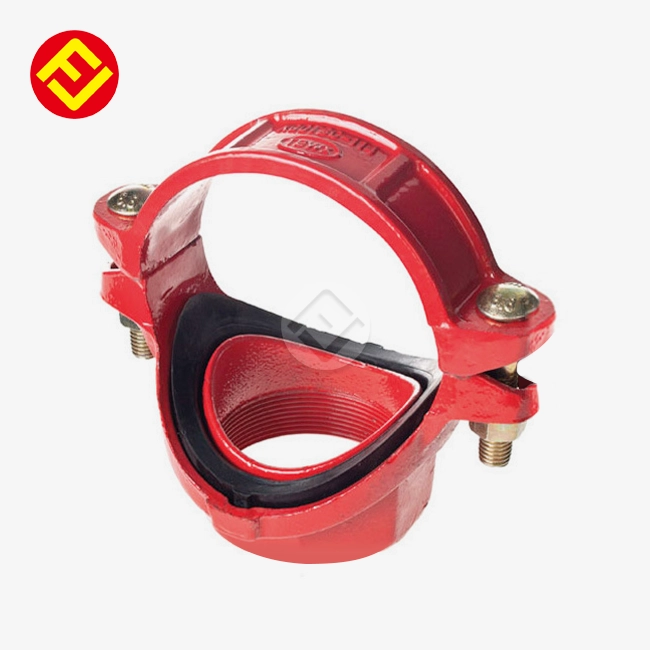
Modern industrial plumbing requires fast, reliable, and cost-effective solutions. Contractors and engineers in fire protection, HVAC, and industrial plumbing have changed pipe connection methods because to mech grooved fitting technology. These mechanical connection systems use carefully machined grooves and elastomeric gaskets to create pressure-resistant connectors without welding or threading. The result? Compare to traditional techniques, installation durations reduce by 60%, labor costs drop, and system adaptability rises. Understanding these five main benefits will change how you evaluate pipe options for your next project, whether you're managing a business sprinkler upgrade or planning a municipal water distribution network.
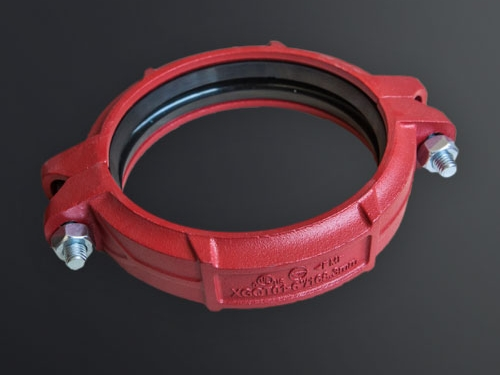
Enhanced Installation Efficiency and Reduced Downtime
Industrial construction is time-sensitive. Every hour of installation delay increases labor costs and project delays. Mechanical grooved coupling systems transform this equation.
Eliminating Hot Work Permits and Specialized Labor
Traditional welding needs skilled welders, fire watchers, ventilation equipment, and rigorous permitting in occupied or dangerous structures. Grooved pipe connectors eliminate these needs. Your installation crews align pre-grooved pipe sections, position the gasket, and secure coupling housings with hand tools. This method is useful in high-rise projects where fire marshals forbid welding or in operational facilities with restricted shutdown windows.
Labor composition also changes drastically. General pipefitters install employing mechanical assembly instead of arranging scarce qualified welders weeks in advance. This accessibility speeds up project deadlines and gives scheduling flexibility that welded systems cannot match.
Quantifiable Time Savings in Real Applications
Practicality is best shown by fire sprinkler systems. For connection work, a commercial construction project with 800 welding joints takes 320 hours. Grooved couplings cut connection time by 60% to 130 hours, allowing teams to finish installations three times quicker. These advantages accumulate over big projects, compressing schedules by weeks to increase occupancy dates and lower carrying costs.
Similar benefits are shown in maintenance. Grooved connections act as built-in unions at every junction for installing branch lines, shifting equipment, or treating corrosion. Technicians dismantle and modify pipes without cutting or welding, decreasing downtime and protecting infrastructure. Manufacturing facilities value modularity because production disruptions cost money.
Reduced Installation Complexity and Risk
The simpler assembly procedure reduces welding quality control issues. Operator competence, material cleanliness, ambient circumstances, and heat application affect weld integrity. Through regulated manufacturing, grooved connectors standardize joining. Gasket compression and housing engagement are standardized, saving callbacks and rework. Procurement managers value predictability when assessing project risk and warranty.
Superior Flexibility and System Adaptability
Dynamic operating needs affect industrial piping systems. Thermal cycling strains joints when fluids change between ambient and operational temperatures. Rigid pipework transmits mechanical equipment vibration. Active seismic activity and structural settlement cause angular displacement that inflexible connections cannot handle. Mech grooved fitting technology solves these issues by design.
Accommodating Thermal Movement and Vibration
Grooved fittings are built using ASTM A536 ductile iron and carbon steel components with minimum tensile values of 65,000 psi. The connection design allows controlled articulation that welded joints cannot. EPDM for water service and nitrile for petroleum applications compresses inside the housing to create several seal sites that retain integrity even when pipe sections move axially or angularly.
This is used frequently in HVAC installations. Continuous expansion and contraction occur in chilled water systems between 42°F supply and 58°F return temperatures. Rigid welded connections concentrate stresses at equipment connections and structural penetrations throughout the pipe network. Grooved couplings locally absorb this movement, saving pumps, chillers, and building structure from fatigue. Maintenance managers who monitor system lifespan see less equipment alignment difficulties and longer service intervals.
Material and Size Versatility Across Applications
The grooved coupling method works for many materials and dimensions. With suitable coatings, carbon steel pipe dominates fire prevention and ordinary plumbing applications due to its affordability and corrosion resistance. Food processing, pharmaceutical production, and corrosive chemical conditions require stainless steel because contamination concerns exceed material costs. Grooved fittings mount both materials the same way—only gasket composition must be adjusted for chemical compatibility.
Size flexibility ranges from 1-inch home connections to 48-inch municipal water mains. This scalability lets engineering teams use grooved technology across projects instead of combining pipe diameter-based connecting approaches. Consistency simplifies training, inventory, and quality assurance. This standardization helps multi-phase fitting procurement professionals negotiate supply agreements and manage logistics.
Coupling Options for Specific Performance Requirements
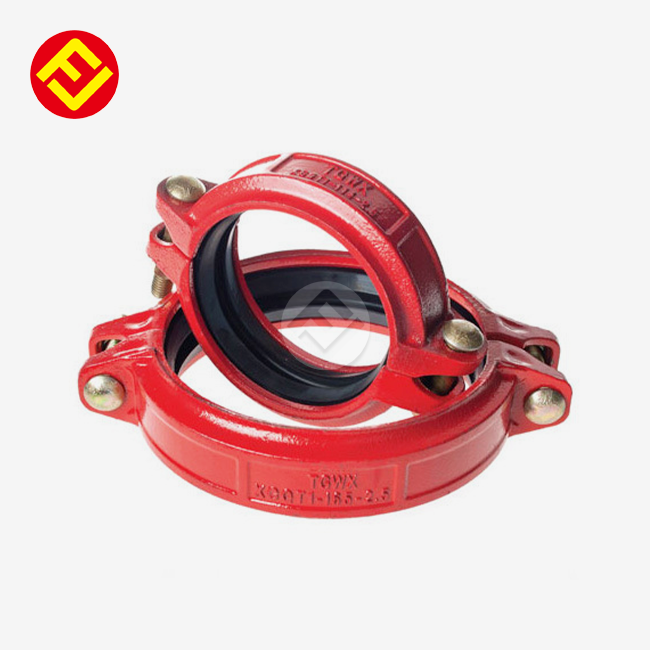
Understanding stiff and flexible connection designs optimizes system setup. For straight lines that need structural support and precise placement, rigid couplings lock pipes into place. Flexible couplings allow 3–5 degrees of angular deflection, depending on manufacturer standards, to accommodate thermal expansion, seismic movement, and foundation settlement without affecting seal integrity. Designers can maximize performance and installation efficiency by switching coupling types within a system.
Improved Safety and Reliability in Operation
System failures in industrial plumbing have implications beyond repairs. Property and merchandise are threatened by sprinkler leaks. HVAC problems affect climate-controlled production. Hazardous material discharges harm workers and draw regulations. Mechanical grooved connections mitigate these dangers with their engineering.
Sealing Performance Under Pressure and Stress
Grooved couplings seal differently than threaded or compression fittings due to their gasket arrangement. As system pressure rises, internal fluid force improves gasket contact against the pipe surface, enhancing seal integrity under situations that would induce failure in other connection types. This pressure-responsiveness is crucial in fire prevention applications because standpipe systems may face unexpected pressure spikes during emergencies.
Standard quality control measures including hydrostatic pressure experiments at 150% of rated operating pressure ensure seal integrity before fittings reach installation locations. Dimensional verification ensures groove geometry fits coupling tolerances in ANSI/AWWA C606 Products" target="_blank" style="color:blue" >products. These production requirements prevent field variability that causes threaded connection leaks due to poor thread engagement or sealant application.
Compliance with Fire Protection and Safety Standards
UL and FM certifications for mech grooved fitting are more than statutory checkboxes—they verify system performance in real fires. Listed mech grooved fitting undergo pressure cycling, heat exposure, and mechanical stress testing to replicate decades of operation. Certification ensures code compliance and provides insurance underwriters and building officials with system reliability data.
Additional safety margins come from material composition. The nodular graphite structure of ductile iron minimizes catastrophic brittle fracture, making it better than grey iron castings in earthquake-prone or mechanically abusive situations. Carbon steel variants offer similar hardness and stronger temperature tolerance, making them ideal for systems operating beyond water service limitations.
Simplified Maintenance and System Inspection
Grooved connectors aid preventive maintenance. During routine walkthroughs, qualified staff detect coupling integrity issues such corrosion, gasket degradation, and housing deformation in the mechanical housing. Welded or threaded connections hide internal seal condition until failure, unlike this accessibility.
Every grooved joint's union functionality makes maintenance easy, eliminating cutting and re-welding. Technicians detach housing parts, remove connection nuts, and clean, examine, or replace pipe components. Process industries benefit from this ability to clean strainers and service control valves without interrupting upstream or downstream pipework.
Cost-Effectiveness Throughout the Lifecycle
Budget limits affect all procurement decisions. The entire cost study includes installation, maintenance, and system lifespan in addition to the purchase price. Mechanical grooved pipe systems benefit all economic sectors.
Lower Initial Installation Investment
Lower worker hours mean lower installation costs. Grooved connections cut joint assembly time from 24 minutes to 10 minutes for a commercial plumbing project budgeted $75 per hour for professional pipefitter labor. Over hundreds of connections, these modest reductions add up to considerable cost avoidance. Electrodes, shielding gas, and cutting discs are no longer needed, reducing material costs, as is specialist welding equipment rental and setup.
Reduced Downtime and Repair Expenses
Permit expenses drop when hot work is eliminated. Many governments charge hundreds of dollars per permit, including fire watch and ventilation costs in inhabited spaces. Grooved connection saves money on projects with dozens of welding permits across stages.
The modularity of grooved systems reduces maintenance costs. Due to corrosion, physical damage, or process modifications, crews disassemble adjacent mech grooved fittings, remove the affected pipe section, install the replacement, and reassemble connections in hours, compared to days for welded system modifications. Rapid restoration is prioritized in manufacturing where hourly output value exceeds facility expenses.
The reusability of grooved components boosts savings. Inspect couplings removed during system reconfiguration, replace gaskets, and reinstall components in the new arrangement. Unlike welded fittings, which become junk when severed from the system. This component recycling decreases material procurement costs during a facility's lifecycle and supports environmental goals that increasingly impact business decision-making.
Strategic Sourcing and Volume Procurement Advantages
Standardized grooved pipe specs might help B2B buyers negotiate better supply agreements for multi-site portfolios or ongoing building projects. Order quantities improve when fitting procurement is consolidated across projects, improving manufacturer and distributor negotiations. Grooved fittings replace flanges, unions, and specialized fittings, simplifying inventory management and reducing the number of SKUs needed for emergency repairs.
Bulk purchases go beyond catalog products. Depending on casting complexity, grooved fittings such unique angles, eccentric reducers, and large components take four to eight weeks to manufacture. Proactive procurement specialists place combined orders that match suppliers' production schedule efficiency for better price and guaranteed availability.
Compliance with Industry Standards and Certifications
Industrial piping procurement requires regulatory compliance. Projects that don't meet requirements risk inspection rejection, expensive retrofits, and liabilities. Certification of mech grooved fittings protects procurement decisions and streamlines project clearance.
ANSI, UL/FM, and International Certification Requirements
ANSI/AWWA C606 for grooved and shouldered joints sets dimensional limits and performance standards for component interchange. These guidelines ensure optimal interaction with grooved pipe regardless of manufacturer, which is important when projects involve numerous suppliers or field modifications utilizing locally available materials.
Fire protection is covered under UL and FM listings. Pressure capacity, fire endurance, and long-term reliability testing are required for these certificates. The fitting certification procedure also includes gasket materials, bolt specifications, and assembly torque requirements, producing an integrated system that assesses installation performance rather than component attributes.
CE marking indicates compliance with EU rules in European markets, although other areas may require VdS (Germany) or LPCB (UK) certificates. Global suppliers have numerous certification portfolios, allowing procurement teams to find compliant items for multinational projects from common vendors.
Supplier Selection and Quality Assurance Criteria
Selecting manufacturing partners goes beyond technical specs and cost. Quality consistency is shown by defined management systems—ISO 9001 certification implies codified process controls, frequent audits, and continuous improvement methods that limit product variability. This methodical methodology is useful for supplier qualification site inspections and process capacity assessments when procurement quantities warrant them.
Metallurgical testing is another aspect of examination, including for mech grooved fitting. Every batch is analyzed for material composition, nodularity (for ductile iron), hardness, and tensile qualities by reputable manufacturers. Material certifications accompanying shipments provide quality assurance records and answer inspector questions during project approval.
Using calibrated measurement equipment, groove geometry, housing bolt hole spacing, and gasket seat profiles are checked for tolerances. These quality control procedures eliminate field fit-up difficulties that delay installations and cause warranty claims. Before buying, procurement personnel might obtain dimensional inspection reports to evaluate supplier measuring methods and tolerances.
Technical Support and Engineering Resources
Modern plumbing systems are complicated and need application engineering beyond catalog requirements. From system design assistance to installation difficulties, manufacturers offering technical support provide value beyond product delivery. This knowledge is especially useful for projects with atypical operating circumstances, non-standard materials, or infrastructure integration that raises connection compatibility issues.
FLA Industrial & Trading Co., Ltd. combines nearly four decades of manufacturing experience with engineering resources to help customers from idea to commissioning. Over 1,000 specifications of hand tools, clamps, electrical line tools, and malleable iron pipe fittings show the company's capacity to assist complicated industrial tasks. This experience yields effective answers for procurement teams' demanding applications.
Conclusion
In crucial industrial procurement considerations, mechanical grooved pipe systems, including mech grooved fitting, offer demonstrable advantages. Installation efficiency cuts project time and personnel costs while eliminating specialist welding. Flexible system accommodates thermal movement, vibration, and seismic activity that weaken connections. Effective sealing and strict safety certificates enable operational dependability in demanding applications. Simpler maintenance, component reuse, and judicious purchase reduce lifecycle costs. Project approvals require industry certifications and quality requirements to ensure compliance. These characteristics make grooved coupling technology the best choice for builders, engineers, and procurement experts seeking dependable, cost-effective pipe infrastructure.
FAQ
1. What pressure ratings do grooved pipe fittings support?
Standard mechanical grooved couplings can take 300 PSI (2.07 MPa) for most commercial fire protection, HVAC, and plumbing applications. Industrial process systems and municipal water distribution infrastructure can operate at 500 PSI or more with high-pressure variations. Coupling design, gasket specification, and pipe material affect pressure ratings; procurement specifications should check system operating parameters.
2. Can grooved fittings accommodate pipe misalignment during installation?
Flexible grooved couplings allow 3–5 degrees of angular deflection, depending on manufacturer. This articulation accommodates thermal expansion, structural settling, and seismic movement during operation and slight installation misalignment. Fixed-position straight pipe lines are supported by rigid couplings. Installation and operating factors determine coupling type selection by designers.
3. How do maintenance requirements compare to welded pipe systems?
By integrating union functionality at every joint, grooved connections reduce maintenance. Technicians use hand tools to disconnect couplings, examine or clean pipe interiors, and reinstall systems without cutting or welding. This accessibility minimizes maintenance time and allows component replacement or system adjustments with minimum operating disturbance, which is important in facilities where downtime is costly.
Partner with FLA Industrial & Trading Co., Ltd. for Reliable Mech Grooved Fitting Solutions
High-performance mech grooved fittings demand manufacturers with established quality, extensive product lines, and rapid technical support. FLA Industrial & Trading Co., Ltd. services building contractors, distributors, and industrial facilities worldwide as a leading mech grooved fitting supplier with over 40 years of manufacturing expertise. Our 1" to 48" ductile iron and carbon steel fittings with painted, epoxy coated, or hot-dip galvanized finishes fulfill ANSI, ISO9001, CE, and UL/FM certifications. Custom engineering for non-standard applications, 24-48 hour quotation turnaround, and project assistance from design to delivery are our services. Talk to our experts at sales@flaindustrial.com about how our mech grooved fitting solutions may improve pipe system performance and save installation costs and project schedules.
References
1. American Water Works Association (2020). ANSI/AWWA C606-20: Grooved and Shouldered Joints. Denver: AWWA Standards.
2. National Fire Protection Association (2019). NFPA 13: Standard for the Installation of Sprinkler Systems. Quincy: NFPA Publications.
3. Underwriters Laboratories (2021). UL 213: Standard for Rubber Gasketed Fittings for Fire-Protection Service. Northbrook: UL Standards & Engagement.
4. American Society for Testing and Materials (2019). ASTM A536: Standard Specification for Ductile Iron Castings. West Conshohocken: ASTM International.
5. Mechanical Contractors Association of America (2018). Grooved Mechanical Piping Systems: Installation and Best Practices. Rockville: MCAA Technical Publications.
6. Factory Mutual Research Corporation (2020). FM Approval Standard 1680: Couplings Used in Grooved Piping Systems. Johnston: FM Approvals.