Top Benefits of Mech Grooved Fittings for Fire Protection Systems
2026-07-10 10:07:52


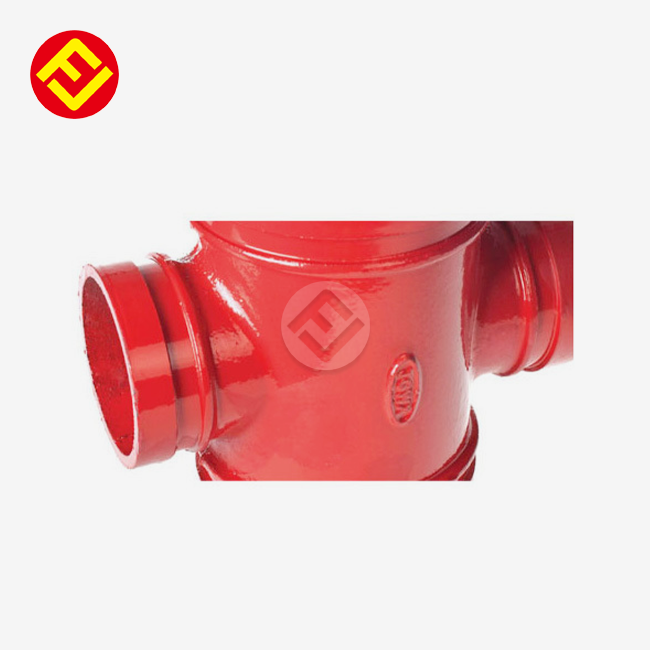
When fire safety systems need pipe connections that are stable and work well, mech grooved fittings are the best choice for builders, engineers, and procurement managers. Because these precision-engineered connections can be installed quickly and seal very well, you don't need a hot work permit, welding, or threading to use them. Mech grooved fittings are made of ductile iron and carbon steel. They are very strong and can handle temperature expansion and seismic movement in important emergency infrastructure. Because they work with different types of pipe and meet UL, FM, and NFPA standards, they are essential for current fire sprinkler systems that must prioritize safety, speed, and long-term dependability.


Specification |
||||
| Specification | Size (mm) | L(mm) | H(mm) | Diameter (mm) |
| 1 | 33 | 98 | 42 | 54 |
| 1% | 48 | 114 | 43 | 69 |
| 2 | 60 | 127 | 43 | 32 |
| 2% | 76 | 145 | 44 | 99 |
| 3 | 89 | 159 | 44 | 112 |
| 4 | 108 | 186 | 47 | 133 |
| 4 | 114 | 192 | 47 | 140 |
| 5 | 133 | 214 | 48 | 161 |
| 5 | 140 | 221 | 48 | 167 |
| 6 | 159 | 245 | 49.5 | 189 |
| 6 | 165 | 251 | 49.5 | 195 |
| 6 | 168 | 254 | 49.5 | 198 |
| 3 | 219 | 324 | 59 | 254 |
| 10 | 273-1.6 | 416 | 61 | 316 |
| 10 | 273-2.5 | 416 | 62 | 317 |
| 12 | 325-1.6 | 467 | 61 | 370 |
| 12 | 325-2.5 | 469 | 62 | 372 |
Understanding Mech Grooved Fittings and Their Role in Fire Protection Systems
Mech grooved fittings are a big step forward in the technology of fire safety pipes. These parts work by making a strong mechanical connection between pipes without changing the pipe material permanently. The method works with a groove that is rolled or cut near the end of the pipe and fits into a housing that has an elastomeric seal inside that responds to pressure.
How Grooved Coupling Technology Functions?
Preparing the pipe groove according to ANSI/AWWA C606 standards is the first step in the fitting process. The gasket fits inside the groove, making many seal spots that tighten when pressure builds up inside the machine instead of releasing. The housing pieces are connected by bolts around the ends of the pipes, which evenly presses down on the seal. Because of this mechanical advantage, the joint is safer when it's under pressure, which is very important in fire situations where the need for water quickly rises.
Material Composition and Standards Compliance
Our mech grooved fittings at FLA Industrial & Trading Co., Ltd. are made from ductile iron that meets ASTM A536 Grade 65-45-12 standards and has a compressive strength of over 65,000 psi. This material choice makes it much more resistant to impact than grey iron options. Different types of surface treatments are used, such as painted finishes, epoxy coats, and hot-dip galvanizing, depending on the climate and the need to protect against rust. The fittings have been certified by ISO9001, CE, and UL/FM, which means they can be used in challenging fire safety situations around the world.
Compatibility Across Piping Systems
For both wet and dry sprinkler systems, these connections work perfectly with steel, stainless steel, and acceptable plastic pipes. Standardized groove measurements make it possible for pipes and parts from different makers to be used together, giving buyers more choices. Our Products" target="_blank" style="color:blue" >products come in diameters ranging from 1 inch to 48 inches, so they can be used for everything from small home sprinkler laterals to big commercial fire mains. Temperature ratings from -20°F to 230°F cover most fire safety situations, and pressure ratings of up to 500 PSI go above and beyond what most sprinkler systems need to work.
Top 5 Benefits of Mech Grooved Fittings for Fire Protection Systems
When you switch from traditional connection methods to mech grooved fittings, you'll save money on installation, operation, and maintenance costs over the life of the system. When these parts are specified for fire prevention infrastructure, project engineers and site managers always say that things go better.
Lightning-Fast Installation That Reduces Project Timelines
The benefit that is probably easiest to see right away is the faster installation. For soldered connections, you need licensed welders, hot work permits, and fire watches. But for mech grooved fittings, all you need are trained pipefitters and basic hand tools. Based on our tests, installs are three times faster with threaded methods and five times faster with welding methods. Once the lines are lined up and grooved, a standard 4-inch coupler only takes three minutes to install. Large projects benefit from this speed edge even more—a sprinkler system with 500 connections that would normally take weeks to join can be finished in days. Construction companies like faster installation because it means lower labor costs and an earlier project finish date, which lets people move into the building earlier than planned.
Superior Flexibility Manages Thermal and Seismic Movement
As houses heat up and cool down every day, fire safety devices have to deal with constant thermal cycling. Rigid links can cause stress points that can cause the joint to break or the pipe to crack. This is taken care of by mech grooved fittings, which allow for controlled movement. Rigid-style fittings don't let anything move and keep straight runs and equipment connections safe. Flexible couplings, on the other hand, let up to 4 degrees of rotational displacement and some linear movement. This feature keeps stress from building up along pipe runs longer than 100 feet. During earthquakes, this flexibility is very important because the joints move with the building's shaking instead of trying to stop it. This keeps the system together when soldered joints might break. The EPDM or nitrile gaskets stretch and contract within the limits of their design, keeping the integrity of the seal during these changes.
Advanced Corrosion Protection Extends System Lifespan
Corrosion resistance is a big part of how long fire safety systems last, especially ones that stay full of water for decades. Our ductile iron fittings come with a variety of protective choices that are made to fit different settings. Standard red paint finishes work well for dry installations inside, while epoxy coats offer chemical protection in industrial settings where airborne contaminants speed up rusting. Hot-dip galvanizing is the best way to protect things that are outside or near the coast where salt is present. To make sure that it meets worldwide standards for bonding and covering, the coating thickness is put through a lot of tests. Mech grooved fittings don't lose their corrosion protection from the factory to the field like threaded connections do or welded parts do when the protective layers burn off during installation.
Dramatic Cost Efficiency Throughout Project Lifecycle
Mech grooved fittings always have lower total costs of ownership than standard means. Costs of materials stay low, especially when buying from well-known sellers who offer bulk discounts. When skilled welders and hot work processes are taken away, hourly rates and insurance costs go down, which leads to big saves in installation labor. Accessibility for maintenance adds even more value. Each mech grooved fitting works as a union, so parts of the system can be taken apart to check, change, or fix them without having to cut the pipe. Mech grooved fittings allow sprinkler systems to be changed quickly during building repairs, without having to be torn down or having a lot of downtime. When big building companies choose mech grooved fittings over welded ones, their return on investment (ROI) goes up by 25 to 40 percent.
Simplified Inspection and Maintenance Protocols
To stay in line with the rules, fire safety systems need to be tested and inspected on a frequent basis. These needs can be met by mech grooved fittings, which allow for direct inspection. The "pad-to-pad" inspection method makes sure the fitting is correct by making sure the pads on the coupling housing touch all the way when the bolts hit the required force. This visible proof only takes seconds and doesn't need any special tools. NFPA 25 requires internal checks every five years. Mech grooved fittings make it possible to selectively disassemble certain parts without affecting the piping next to them. When needed, replacing a gasket only takes minutes instead of hours. Maintenance teams like that extra gaskets are much cheaper than changing welded parts or threaded fittings, and the work often doesn't need to drain the system.
Because of all of these benefits, mech grooved fittings has become the most common way to connect fire safety systems in businesses and factories. The benefits get better as the system gets bigger. Time, labor, and long-term upkeep costs are cut by a larger percentage for bigger projects.

Comparing Mech Grooved Fittings with Other Connection Methods
Procurement professionals can make better choices when they know how mech grooved fittings and other connection technologies work. Each method has its own pros and cons that affect how the job turns out.
Grooved Systems Versus Welded Connections
Welded joints make bonds that are solid and rigid, which should make them the strongest. The truth is more complicated. Certified welders are needed for welding, but their supply and rates vary a lot from region to region. Fire watches, air systems, and often working during off-hours in buildings that are already filled are required for hot work permits. This adds to the costs and delays. Field welding quality rests a lot on how skilled the welder is, how the environment is, and how easy it is to get to the joint. Using x-rays to check the quality of a weld takes more time and costs more money. Mech grooved fittings get rid of all of these issues. Installation doesn't need any special skills or licenses, can happen in any weather, and doesn't need any tests after installation beyond checking the torque. The flexible joint design makes the system last longer by allowing for moves that would break hard welds.
Advantages Over Flanged Joint Systems
While flanged joints allow for easy disassembly, they add a lot of weight and room. A 6-inch flanged joint weighs about three times as much as a mech grooved fitting of the same size, which makes it harder to handle and install. To keep the seal from getting damaged and to make sure there is even compression, flange bolt-up needs to be perfectly aligned and tightened in a certain order. Mech grooved fittings close just as well as other types, but they require fewer parts and easier steps. Installing mech grooved fittings is also easier than installing flanged systems because you don't have to leave as much space around the bolts on housings. When you compare costs, mech grooved fittings always come out on top. Depending on the size of the pipe, you can save anywhere from 20% to 35% on materials and work.
Performance Against Threaded Fittings
Threaded connections are still popular for smaller diameter uses, but they don't work well for fire protection mains. When you thread pipes, the walls get weaker, which lowers the pressure capacity right where it's needed most. Specialized tools, skilled workers, and a lot of time are needed for the threading process. To stop leaks, it's important to use the right amount of thread compound and connect it properly, but field conditions often make it hard to do this correctly. Mech grooved fittings keep the full width of the pipe wall, are easy to install without making a mess with thread compound, and seal consistently no matter how experienced the operator is. When it comes to vibration protection, mech grooved fittings are much better than threaded ones. Threaded joints loosen over time, but gaskets seal tighter when the pressure goes up.
Procurement Guide: How to Source and Specify Mech Grooved Fittings?
To do good procurement, you need to know what the technical needs are for mech grooved fittings and find sources you can trust to give you regular quality. Because fire safety systems are so complicated, they need to be carefully specified and suppliers need to be checked out.
Essential Technical Specifications for Procurement
When procurement managers make buy orders, they need to include a number of important details. The grade of the material is very important. For fire service, malleable iron Grade 65-45-12 has the best strength-to-weight ratios. Pressure class rates must be the same as or higher than the design pressures of the system, which for most sprinkler systems is 300 PSI. The type of gasket material chosen depends on the working medium and temperature range. For most water-based fire safety uses, Grade E EPDM is the best choice. The finish standard should take into account the weather, so you can choose between painted, epoxy, or metal finishes. In order for the system to work, all pipe sizes should be taken into account, from small branch lines to major distribution pipes.
Sourcing From Qualified Manufacturers
Working with well-known makers makes sure that the products are real and meet safety standards. FLA Industrial & Trading Co., Ltd. has been making pipe fittings for almost 40 years and keeps up with over 1,000 product specs for a wide range of industry uses. Precision casting, advanced cutting, and quality-controlled surface techniques are all parts of the way we make things. Before being shipped, each batch is tested for hardness, material makeup, and hydrostatic pressure at 150% of its maximum working pressure. Partners in the Fortune Global 500 trust us because of our strict quality management, and our name has grown in the US, Europe, and Australia. Our fast response time helps procurement teams because technical specifications and quotes get to them within 24 to 48 hours, cutting out the delays that happen in many foreign buying relationships.
Optimizing Order Quantities and Logistics
By buying in bulk, you can save a lot of money and keep the job going. Our flexible ordering system works for both big building projects and facility care teams that need to restock their MRO supplies. Competitive pricing systems credit customers who commit to buying a lot without affecting smaller orders from sellers in other areas. Coverage includes all of North America's markets thanks to established transportation partnerships that make sure deliveries happen on time. For uses that aren't standard, we still offer custom solutions. To meet the specific needs of each project, our engineering team comes up with new sizes, materials, or design changes. This ability is especially useful for retrofit projects that need to be tailored to the current conditions instead of using standard store items.
Installation and Maintenance Best Practices for Mech Grooved Fittings
The best performance from mech grooved fittings is guaranteed when they are installed correctly. Even though the steps seem simple, paying close attention to the little things stops common mistakes that damage the joint.
Step-by-Step Installation Procedures
Preparing the pipes correctly is the first step in installation. Whether you are using cut-grooved or roll-grooved pipes, make sure that the groove sizes meet ANSI/AWWA C606 standards by using the right widths. Clean the groove surfaces to get rid of any dirt, oil, or water that could stop the seal from fitting properly. Place the seal in the groove, making sure it's evenly spread around the pipe's outside. Bring the ends of the pipes together until the gasket faces touch in the middle of the joint. Place the coupling housing pieces on top of the joint so that the housing keys line up with the pipe holes. To make the tension even, put in the bolts and tighten them in a star design. As directed by the maker, torque bolts to a range of 45 to 75 ft-lbs, based on the size of the coupling. Visually check that the pads on the housings hit each other. There should be no space between them, which means the seal is compressed properly and the joint is assembled.
Addressing Common Installation Challenges
Misalignment is the most common problem with installations. When pipes meet at angles that aren't within the coupling limit, the gaskets don't fit properly, which can lead to a leak. The right pipe support and alignment tools must be used during building. During fitting, if housing keys drag across gasket surfaces, it can damage the gasket. Using approved substances to grease gaskets makes installation easier and protects the integrity of the gaskets. When you tighten bolts past the recommended pressure, the housing pieces can become warped, which stops the pads from touching even though the bolts are very tight. This risk is gone when you use measured torque wrenches. Under-tightening leaves spaces between the housing pads, which means the seal isn't compressed enough. This is fixed right away by re-torquing to standard.
Routine Maintenance Recommendations
According to NFPA 25, fire safety systems need to be checked on a regular basis. A visual check of the mech grooved fittings should show that the housing is solid, there is no rust at the bolt connections, and there is no weeping around the gasket areas. Most locations only need to be checked once a year, but places that are corrosive or have a lot of shaking should be checked every three months. When to change a gasket depends on how it is used. Gaskets that are installed correctly in controlled settings often last longer than 50 years. Every ten years, the gaskets in systems that are exposed to harsh chemicals or have their pressure change often may need to be inspected. It is very helpful for upkeep to be able to take joints apart for internal inspection without having to cut pipe. This lets you change gaskets before they fail.

Conclusion
Because they have so many benefits, mech grooved fittings are the best choice for current fire safety infrastructure. Their quick installation, flexibility, resistance to corrosion, low cost, and easy entry for upkeep all meet the main concerns of building contractors, facility engineers, and procurement professionals at the same time. Getting rid of welding dangers and hot work permits speeds up project timelines and lowers the costs of insurance and labor. System flexibility allows for changes in temperature and seismic activity that could damage hard links. This makes the system last longer and more reliably over many years of use. When these parts are chosen, fitted, and kept up to date correctly, they meet or beat the strictest fire safety standards and have the lowest total cost of ownership over the entire lifecycle of the system.
FAQ
What distinguishes rigid from flexible grooved couplings?
Rigid couplings have a tongue-and-groove box design that keeps the pipe from moving. This makes them perfect for straight runs and connecting equipment where stability is important. The controlled angular shift and limited linear movement of flexible couplings allow for heat expansion and building settlement without putting stress on pipe connections.
Can these fittings work with different pipe materials?
Mech grooved fittings work with steel, stainless steel, and approved plastic pipes as long as the gap sizes are the right ones for the industry. Because of this, mixed-material systems are popular in modern building. However, the gasket material must be chosen based on the working medium and temperature range.
How long do gasket components typically last?
When used within certain limits and kept away from direct UV light, synthetic seals in systems that are put correctly usually last 50 years, which is the same amount of time as the pipes themselves. If there are harsh chemical conditions or high thermal cycling, the product may need to be inspected earlier, but premature failure is still rare if the right materials are used.
What confirms proper installation in the field?
Pad-to-pad inspection, which is standard in the business, gives you instant visual confirmation. When the bolts reach the required force, the pads on the coupling housing should touch fully, leaving no visible space. This means that the gasket is compressed correctly, and the joint assembly is safe.
Partner With FLA Industrial & Trading Co., Ltd. for Reliable Fire Protection Solutions
The dependability of your fire prevention system depends on parts that work perfectly in times of emergency. FLA Industrial & Trading Co., Ltd. is a top maker of mech grooved fittings and has been an industrial leader for almost 40 years. They can give your projects the quality, expert support, and supply chain stability they need. Our ductile iron and carbon steel mech grooved fittings are manufactured to meet the strict requirements of UL/FM and ISO9001. We also offer reasonable pricing and unique solutions that help organizations get the most for their money when they buy things. You can talk to our technical team at sales@flaindustrial.com about your unique needs, get full specs, or get personalized quotes. With our all-around help, even the most difficult fire safety problems become easy to solve.
References
National Fire Protection Association. (2020). NFPA 13: Standard for the Installation of Sprinkler Systems. Quincy, MA: NFPA Publications.
American Water Works Association. (2018). ANSI/AWWA C606: Grooved and Shouldered Joints. Denver, CO: AWWA Standards.
Underwriters Laboratories. (2019). UL 213: Standard for Rubber Gasketed Fittings for Fire Protection Service. Northbrook, IL: UL Standards & Engagement.
Factory Mutual Research Corporation. (2021). FM Approval Guide: Grooved Pipe Couplings and Fittings. Johnston, RI: FM Global.
ASTM International. (2019). ASTM A536: Standard Specification for Ductile Iron Castings. West Conshohocken, PA: ASTM Publications.
Building Officials and Code Administrators International. (2020). International Building Code: Chapter 9 - Fire Protection Systems. Washington, DC: International Code Council.