Types and Advantages of Permanent Screw Jacks
2026-05-25 09:53:29


Permanent screw jacks are crucial mechanical lifting devices for accurate load handling, positioning, and structural support in many industrial applications. These devices use sturdy screw mechanisms to transfer rotational motion into regulated linear force and remain in place indefinitely, unlike temporary support systems. They are reliable without power and made of alloy steel, carbon steel, or stainless steel with tempered lead screws and bronze or engineering plastic nuts. They enable building reinforcing, machinery installation, and heavy equipment support with millimeter-accurate positioning and self-locking safety features from 500kg to 100 tons.
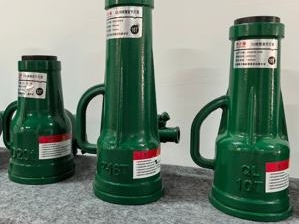
Understanding Permanent Screw Jacks: Types and Basic Principles
Lifting jacks work on a proven mechanical basis. Rotating the screw mechanism pulls the threaded rod through a fixed nut assembly, elevating it vertically. This basic yet effective design has supported important infrastructure and industry projects for decades.
Core Components and Operating Principles
Every permanent screw jack has three parts. Precision turning and grinding produce the lead screw, which is tempered or quenched for endurance. It threads through the nut assembly, which might be bronze for wear resistance or engineered polymers for corrosion resistance. The housing protects internal machinery and provides structural stability. These parts cooperate to support light machinery modifications and 100-ton structural reinforcements.
Manual vs. Electric Screw Jacks
Manual models are simple and reliable in powerless or impractical situations. They are suitable for infrequent height adjustments on construction sites or remote installations since operators spin a lever or wheel. Electric multi-jack systems elevate platforms or heavy equipment concurrently using motor drives. Manufacturing facilities choose electric versions for assembly line placement for repeatability and speed.
Specialized Heavy-Duty Configurations
Specialized engineering is needed for heavy loads. These reinforced units, which include permanent screw jacks, have cast steel housing, bigger screws, and improved bearing surfaces. Bridge repair and foundation support projects use these arrangements to preserve structural integrity under compression pressures. The safety factor is usually 2:1 to 4:1, ensuring consistent functioning even under extreme conditions such as temperature changes between -20°C and +80°C.
Load Capacity Calculation and Design Specifications
Correct load assessment prevents equipment failure and protects workers. Engineers determine capacity using static loads, dynamic forces, and safety margins. Trapezoidal, Acme, and metric threads affect load distribution and lifting efficiency. Acme profiles operate smoothly, whereas trapezoidal threads increase load capacity with modest efficiency. International standards like DIN, AGMA, and EN assure dimensional correctness and performance uniformity worldwide.
Advantages of Permanent Screw Jacks Over Other Jack Types
Industrial decision-makers prefer mechanical lifting systems over hydraulic ones for cost and reliability reasons.
Precision and Maintenance Benefits
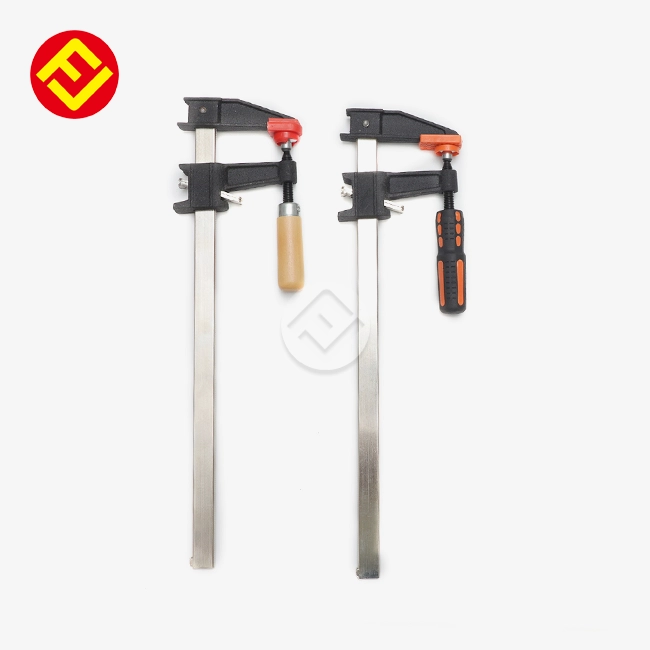
Fluid management, seal maintenance, and pressure regulation complicate hydraulic systems. Screw-based lifting systems remove these issues. Maintenance includes lubrication and visual examination, not hydraulic fluid replenishment and seal repairs. Millimeter-level precision is essential for Woodworking Clamps, furniture assembly, and electrical line installation, where placement influences product quality. Without electricity, the self-locking screw mechanism secures loads, avoiding unintentional lowering that might damage equipment or harm personnel.
Long-Term Cost-Effectiveness
Initial investment comparisons show hydraulic and mechanical systems differ slightly. Operating expenses vary significantly. Fluid purchases, disposal, and specific maintenance are needed for hydraulic jacks. Mechanical systems require few consumables—mainly lubricants—and simple maintenance that in-house personnel can manage. Permanent screw jacks have 40-60% cheaper 10-year maintenance costs than hydraulic counterparts, according to industry maintenance benchmarking studies.
Heavy-Load Application Advantages
Construction contractors and engineers encounter hydraulic system issues. A large infrastructure project in the southwestern US needed sustaining 75-ton deck pieces for six months for bridge renovation. Despite temperature changes and traffic vibration, permanent screw jacks maintained perfect placement throughout the project. Hydraulic options required weekly fluid leak and pressure stability checks. The mechanical solution (permanent screw jacks) supported monthly visual checks.
Structural Integrity Under Demanding Conditions
Lifting equipment faces diverse environmental challenges. Mechanical components in HVAC, plumbing, and outdoor construction sites are protected with corrosion-resistant spray-painted finishes and specific treatments. Optional dust shields and lubrication interfaces prolong service life in polluted environments. Processing plants with hydraulic fluid leaks might use stainless steel variations to withstand chemical exposure. For operational continuity procurement managers, this endurance extends service intervals and reduces downtime.
How to Choose the Right Permanent Screw Jack for Your Needs
Choosing lifting equipment demands a thorough comparison of application needs, product specs, and provider capabilities.
Assessing Load Requirements and Environmental Factors
Start with accurate load measurement, including static weight and vibration or movement forces. For essential structural support or personnel-accessible locations, double or triple calculated loads as a safety buffer. Temperature extremes, dampness, chemicals, and space limits are considered in environmental assessment. Outdoor coastal installations require stainless steel with greater corrosion protection, whereas inside production areas can use carbon steel with normal finishes.
Power Source Considerations
Power availability greatly affects equipment choices. Manual operation works well on remote building sites without electricity, but automated manufacturing lines need electric models to synchronize. In permanent screw jacks applications, pneumatic power is rare but used in cleanrooms where electric motors contribute particle pollution. Electric models' total cost of ownership should incorporate energy consumption, although productivity improvements usually offset any added running expenses.
Customization and OEM Solutions
Standard catalog goods are useful, but particular needs require custom solutions. Full-customization producers include FLA Industrial & Trading Co., Ltd. Their engineers create custom measurements, mounting arrangements, and features. For procurement managers with tight schedules, 24-48-hour quotations, load confirmations, and 3D drawings speed up projects. Custom solutions solve problems including restricted installation space, atypical load distributions, and equipment integration.
Evaluation of Warranty and Support
Supplier ties go beyond purchases. Warranty lengths from one to five years show manufacturer confidence in product durability. Coverage should include material flaws, workmanship difficulties, and premature component wear. When downtime expenses exceed equipment investment, expert assistance, replacement parts, and field service are essential. Distributors supplying hardware wholesalers must maintain inventory depth across multiple SKU possibilities to meet client needs without long lead times.
Installation, Safety, and Maintenance Best Practices
Proper deployment optimizes equipment performance and protects workers and assets during operation.
Step-By-Step Installation Process
Reliable operation begins with site preparation. This usually requires poured or prefabricated concrete footings strengthened to manage load density to support the jack. Levels and measurement instruments verify vertical alignment to manufacturer requirements. Prior to full operating loads, partial load testing validates good operation. Maintenance and safety checks should reference footing specifications, load ratings, and adjustment settings from installation paperwork.
Essential Safety Features and Compliance
Electric variants have mechanical brakes or sensors to avoid overload. Emergency stop features on motorized devices allow rapid shutdown in emergencies. Safety variables in design requirements separate functioning loads from failure points.Permanent screw jacks are included in this design approach. ISO9001 quality management and CE safety certification show compliance with requirements. In regulated contexts like building sites and manufacturing facilities, DIN, AGMA, and EN criteria assure system safety compatibility.
Maintenance Routines and Troubleshooting
Operating intensity and environmental exposure determine inspection intervals. Monthly visual inspections reveal corrosion, damage, and contamination. Screw threads and bearings are lubricated quarterly to avoid wear. Annual load testing checks capacity and detects decline before breakdowns. Thread binding from pollution or corrosion is remedied by cleaning and relubricating. Uneven lifting in multi-jack systems implies misalignment or unit failure, necessitating quick inspection. Maintaining ties with vendors who stock authentic replacement parts reduces component replacement downtime.
Procurement Insights: Buying and Sourcing Permanent Screw Jacks
Strategic sourcing optimizes hardware distributor, contractor, and industrial buyer procurement outcomes by balancing quality, cost, and supplier reliability.
Sourcing from Trusted Suppliers
Authorized dealers and manufacturers offer quality guarantees that irregular sources cannot. Fortune Global 500 partners value stability, and FLA Industrial & Trading Co., Ltd. has over 40 years of expertise manufacturing hardware tools, clamps, electrical line equipment, and pipe fittings. Their 1,000+ product standards give procurement managers SKU versatility to service diverse client bases. Regional compliance and logistical infrastructure are important to U.S., German, and Australian suppliers.
Negotiating Bulk Purchase Terms
Volume agreements guarantee inventories and good pricing for permanent screw jacks. Construction contractors and manufacturing facilities negotiate yearly volume thresholds, unit pricing, and delivery dates with distributors and wholesalers. Flexible terms allow demand swings in construction, where project cycles produce peaks and troughs. Logistics management like aggregated shipping and stockpiling minimizes per-unit costs and maintains supply chain responsiveness. Lead time assurances prevent project delays that damage client relationships and profits.
Understanding Warranty and Service Agreements
Comprehensive warranty coverage safeguards capital investments and shows manufacturer trust. Exclusions, coverage durations, and claim processes should be clearly stated. Technical support, preventative maintenance, and priority parts access are included in extended warranty service agreements. Partnering with manufacturers with strong support capabilities helps equipment lifecycles. FLA Industrial & Trading Co., Ltd.'s ISO9001 and CE certifications ensure every unit meets worldwide performance and safety requirements.
Working with manufacturers that understand your application needs turns transactional buying into strategic relationships. When buying heavy-duty lifting equipment, technical competence and customization matter as much as unit price.
Conclusion
Permanent screw jacks provide precise, durable, and cost-effective mechanical lifting solutions for construction, manufacturing, electrical installation, and woodworking. Their self-locking mechanisms, 100-ton load capability, and maintenance-free operation give procurement managers targeting long-term value an edge over hydraulic options. Alloy steel, carbon steel, and stainless steel with surface treatments perform in various environments. Systematic study of load needs, power sources, and supplier capabilities is needed to choose equipment. Safety-compliant installation and maintenance extend operating life and safeguard persons and assets. Strategic purchasing from reputable manufacturers with customization, short response times, and full support turns lifting equipment into productivity-enhancing investments that boost corporate growth and operational excellence.
FAQ
1. How often should maintenance be performed to extend permanent screw jack lifespan?
Maintenance frequency varies on environmental exposure and operation intensity. Visual inspections and lubrication are needed periodically for light-duty interior applications and monthly for heavy-duty or outdoor ones. Annual load testing confirms capacity. Polluted settings require more regular monitoring to prevent thread binding. Maintenance documentation aids compliance checks and identifies component wear patterns. Suppliers' extensive maintenance guidelines and support materials help in-house staff undertake routine service.
2. What are the key safety and capacity differences compared to hydraulic jacks?
Mechanical screw systems self-lock to prevent inadvertent lowering without power, but hydraulic jacks require pressure maintenance or mechanical locks. With suitable construction, permanent screw jacks can handle 100 tons, equivalent to hydraulic counterparts. Mechanical systems reduce hydraulic fluid leaks in critical regions, improving environmental safety. Screw mechanisms achieve millimeter-level accuracy with precision control, unlike hydraulic systems' gradual changes.
3. Can permanent screw jacks be customized for specialized industrial applications?
Customization handles non-standard dimensions, mounting arrangements, and application-specific features. Engineering-supporting manufacturers create custom solutions for atypical load distributions, space limits, and environmental issues. Spec review, 3D design visualization, prototype testing, and manufacturing are common customization steps. Procurement teams with deadlines benefit from responsive manufacturers' 24-48-hour estimates and designs.
Partner with FLA Industrial for Premium Screw Jack Solutions
A permanent screw jacks provider with manufacture, customization, and prompt support can solve difficult lifting problems. FLA Industrial & Trading Co., Ltd. has almost 40 years of expertise making heavy-duty mechanical lifting devices trusted by worldwide leaders. Our ISO9001 and CE-certified Products" target="_blank" style="color:blue" >products range from 500kg to 100 tons and are made of alloy steel, carbon steel, or stainless steel to meet your environmental needs. We provide bids, load confirmations, and 3D drawings within 24-48 hours to keep your projects on track while our engineering team creates tailored solutions to your needs. We know hardware wholesalers, building contractors, manufacturing companies, and electrical utilities require dependable equipment, competitive terms, and technical assistance in the US and abroad. Contact our team at sales@flaindustrial.com to discuss your application and learn how our lifting solutions improve operational efficiency and reduce total cost of ownership.
References
1. American Society of Mechanical Engineers. (2021). Mechanical Power Transmission Standards: Design and Application Guidelines for Industrial Lifting Equipment. ASME Press.
2. Construction Industry Research and Information Association. (2022). Temporary Works Toolkit: Load-Bearing Support Systems for Building and Infrastructure Projects. CIRIA Publication.
3. Machinery's Handbook Editorial Staff. (2023). Machinery's Handbook 31st Edition: Guide to Mechanical Components and Industrial Equipment. Industrial Press Inc.
4. International Organization for Standardization. (2020). ISO 9001:2015 Quality Management Systems: Requirements and Implementation in Manufacturing. ISO Central Secretariat.
5. National Institute of Standards and Technology. (2022). Engineering Metrology and Standards for Industrial Applications: Precision Measurement and Load Testing Protocols. NIST Special Publication.
6. Society of Manufacturing Engineers. (2023). Industrial Equipment Selection and Procurement: Best Practices for Engineering and Operations Managers. SME Technical Publications.